

Main Facts: The Climate Denialism of Reform UK
As unprecedented heatwaves batter the British Isles, triggering wildfires, straining emergency services, and devastating agricultural yields, senior political figures are offering starkly divergent views on how the nation should respond. Richard Tice, the deputy leader of the right-wing populist party Reform UK, has sparked intense public backlash by urging the British public to stop attempting to mitigate climate change and instead “enjoy” the record-breaking temperatures.
Speaking during a period of severe weather that has seen the mercury consistently surge past 35°C (95°F), Tice dismissed the necessity of the UK’s net-zero targets. In a widely criticized public statement, he questioned the scientific consensus surrounding anthropogenic climate change, asking, “Where is the evidence that net zero is going to stop it? Where is the evidence? There is no evidence. Climate change has always happened. It always will.”
Rather than pursuing aggressive emissions reductions, Tice argued for a policy of passive adaptation, suggesting that rising temperatures might even present economic opportunities, such as improving the domestic wine industry to challenge traditional French dominance. “When it’s a bit warm, let’s enjoy it,” Tice said. “And if it means that English wine and sparkling wine gets better and better, fantastic… Let’s celebrate some of these things rather than just be sort of doom and gloom about it.”
This stance mirrors the controversial rhetoric previously championed by figures like former ExxonMobil CEO and U.S. Secretary of State Rex Tillerson, who asserted that humanity would simply need to adapt to a warmer world. However, climate scientists and public health officials have forcefully rejected this narrative, pointing out that while the Earth has experienced cyclical temperature shifts throughout its deep history, the current rate of global warming is unprecedentedly rapid. This accelerated pace severely outstrips the evolutionary capacity of humans and natural ecosystems to adapt safely.
Reform UK has consistently campaigned against the UK’s legal commitment to achieve net-zero carbon emissions by 2050, threatening to scrap green subsidies if they ever secure power. Critics argue that such rhetoric relies on political opportunism, capitalizing on public fatigue while ignoring the escalating, lethal toll of the climate crisis.
Chronology: A Summer of Extremes and Political Fallout
The clash over climate rhetoric occurs against a backdrop of escalating environmental emergencies throughout the United Kingdom:
- May and June: The UK experiences a severe early-summer heatwave. Government mortality estimates subsequently reveal that 2,877 people died as a direct result of these high temperatures—double the mortality rate recorded during the entire summer of the previous year.
- Mid-Summer: Temperatures repeatedly cross the 35°C threshold. The combination of unseasonably wet winters followed by prolonged, intense heat creates ideal conditions for unprecedented wildfire outbreaks. Firefighters battle blazes across the Midlands, Wales, and Northern Ireland, marking what environmental agencies describe as the most widespread fire wave in the nation’s recorded history.
- Late August: As scientific journals publish alarming new data regarding heat-induced health risks, Reform UK deputy leader Richard Tice publicly mocks climate mitigation efforts, advising the public to "enjoy" the warmth.
- Immediate Aftermath: Political leaders, healthcare professionals, agricultural unions, and public health researchers roundly condemn Tice’s remarks as tone-deaf, scientifically illiterate, and dangerously out of touch with the reality on the ground.
Supporting Data: The Mounting Toll of Extreme Heat
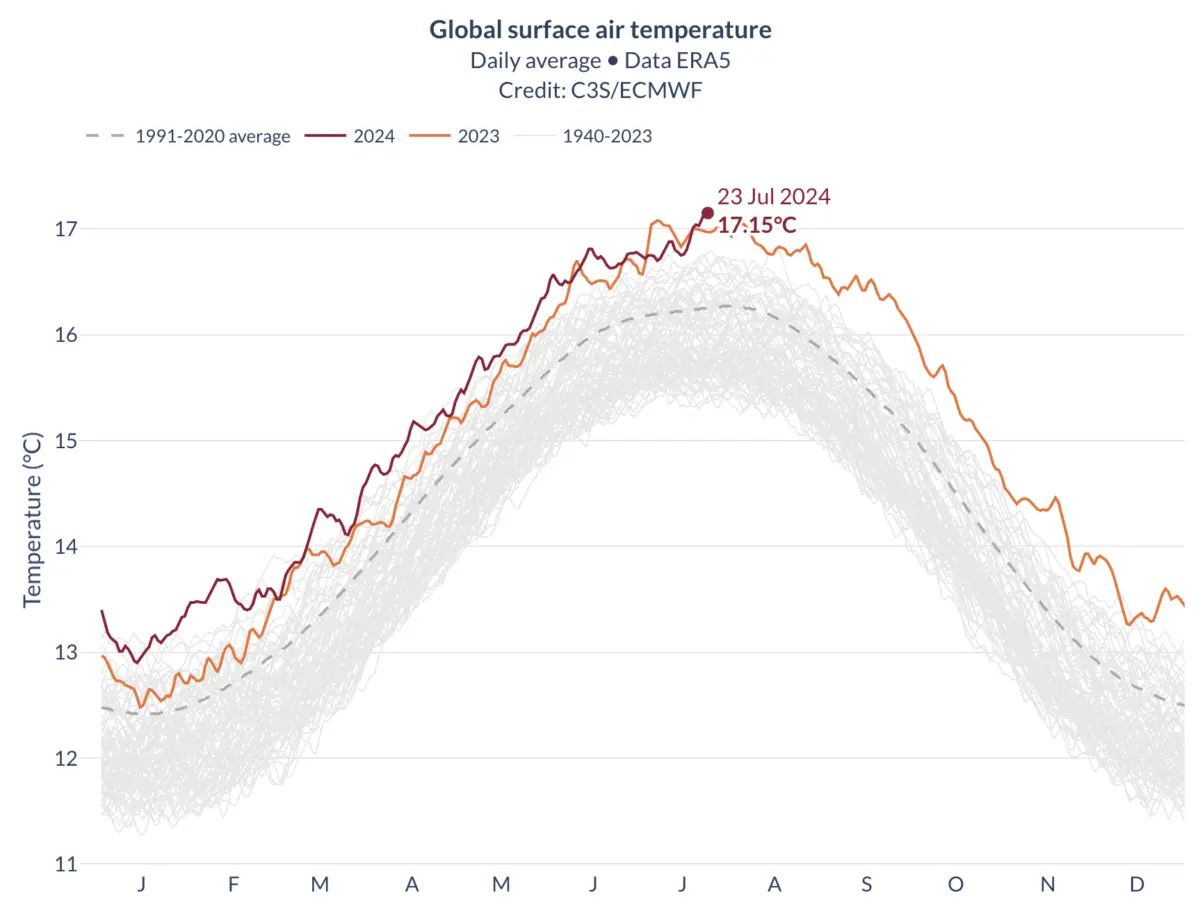
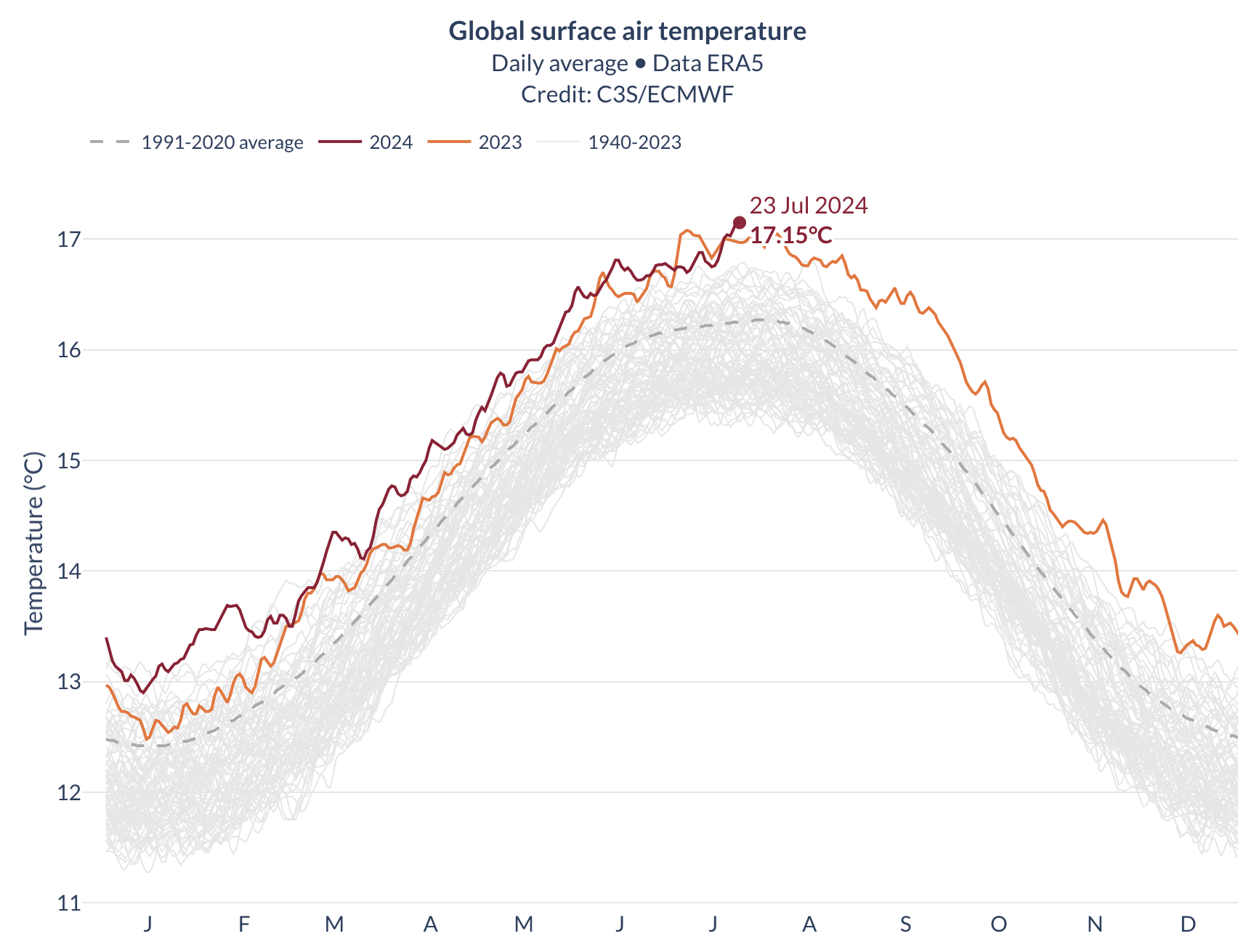
Tice’s dismissal of climate action stands in stark contrast to a growing body of empirical data detailing the severe human, economic, and ecological costs of rising global temperatures.
According to government figures, the extreme heatwaves of recent months have cost the UK economy an estimated £4 billion in lost economic output. Thousands of citizens have required hospital treatment, and health infrastructure has been pushed to the brink of collapse.
Furthermore, a landmark study published in the peer-reviewed medical journal The Lancet underscores that the dangers of heatwaves are far more pervasive than previously understood. Led by health academics from Stanford University, the research reveals that older populations—and increasingly people of all ages—are susceptible to uncompensable heat stress (UHS) at much lower ambient temperatures. UHS occurs when the human body entirely loses its ability to thermoregulate and cool itself down, leading to rapid organ damage and death.
"Our results suggest that accounting for age-stratified vulnerability, intolerable heat will be experienced at much larger scales and for longer durations, affecting far more people than previously thought," the study warns.
Beyond human health, the nation’s food security and natural landscapes are under severe threat. The National Farmers’ Union has reported that British farmers are currently navigating "one of the worst ever" harvests. Prolonged drought conditions have depleted water supplies, while raging wildfires have scorched vast swathes of countryside, destroying habitats and threatening rural communities.
Official Responses: Condemnation from Across the Public Sector
The political and professional backlash to Tice’s comments was swift and uncompromising, uniting political opponents, healthcare workers, and scientific researchers in condemnation.
Bridget Phillipson, chair of the UK Labour Party, delivered a scathing assessment to The Guardian, stating: "Richard Tice’s comments are tone-deaf. With wildfires raging across the UK and drought threatening water supplies and food security, comments like these don’t just raise serious questions about his judgment—they also expose where his interests really lie."
The healthcare sector, bearing the brunt of the climate crisis, expressed profound anger at the suggestion that citizens should view extreme weather as a positive development. A spokesperson for the Royal College of Nursing issued a blistering rebuttal:
"Those calling for people to enjoy the impacts of climate change should say it to the nurses collapsing in hospitals where temperatures are hitting 36 degrees. Or to the thousands of patients lining corridors every day as extreme heat causes severe illness among the vulnerable, older people, and even those without pre-existing conditions. Climate change is a public health emergency that’s getting worse in front of our eyes."
Public health experts similarly dismantled the logic behind Tice’s statements. Simon Williams, a public health researcher at Swansea University, emphasized the biological reality of heat vulnerability: "It’s concerning to see someone so high profile spreading misinformation around climate change and its impacts. Particularly for the elderly, heatwaves over time make them less capable of regulating their body temperature. Even a few degrees either way can have a major impact."
Caroline Abrahams, charity director of Age UK, echoed these concerns, calling the findings from The Lancet alarming and asserting that "there’s now no denying that extreme heat poses a very real health threat to our older population."
Implications: The Dangers of Ideological Stagnation
The debate ignited by Richard Tice highlights a broader, perilous disconnect between populist political rhetoric and the physical realities of the Anthropocene. Climate scientists have long warned that public skepticism and obstructionism are among the greatest barriers to effective planetary stewardship.
Critics have drawn parallels between the modern denial of anthropogenic climate change and historical episodes of institutional obstinacy—such as the Catholic Church’s refusal to accept the astronomical findings of Copernicus and Galileo because they conflicted with entrenched dogma. In this framing, the rejection of empirical data by political figures is viewed not merely as a difference of opinion, but as a symptom of an intellect stunted by uncompromising ideology.
Moreover, commentators have pointed out the stark socioeconomic divide underlying climate skepticism. Prominent denialists and delay advocates frequently operate within climate-controlled environments—homes, offices, and vehicles—insulated from the punishing realities faced by outdoor workers, low-income families residing in poorly insulated housing, and vulnerable elderly citizens. Telling a population struggling to breathe in 38°C (100°F+) heat to "toughen up" and enjoy the weather demonstrates a profound lack of basic empathy.
As greenhouse gas emissions continue to drive global temperatures upward, the UK—and the wider international community—faces a critical juncture. The policy choices made today will determine whether infrastructure, healthcare systems, and agricultural frameworks can successfully transform to protect human life, or whether political distraction will leave societies entirely unprepared for the escalating hazards of a rapidly warming world.
