

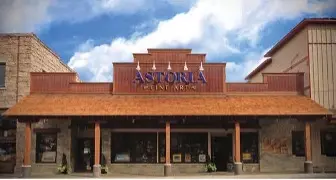
BOZEMAN, MT & JACKSON, WY — Beyond the jagged granite peaks of Glacier and Grand Teton National Parks, and past the endless golden sweeps of agricultural plains and glacial lakes, the Rocky Mountain West harbors another, equally breathtaking landscape: one carved not by glaciers, but by canvas, bronze, and the human imagination.
Montana and Wyoming are more than geographic neighbors in the American interior; together, they form the pulsating cultural epicenter of the Western fine art market. Boasting some of the most prestigious fine art events in the world, these states draw collectors, historians, and artists from across the globe. From the snow-dusted streets of Great Falls in early spring to the crisp, vibrant autumns of Jackson Hole, the region transforms into a living gallery, celebrating the heritage, mythos, and evolving identity of the American West.
Main Facts: The Nexus of Western Art Culture
The cultural gravity of Montana and Wyoming on the global art stage cannot be overstated. Driven by a rare convergence of history, breathtaking natural topography, and visionary patronage, these two states host the premier gatherings for Western art connoisseurs.
At the center of this ecosystem are two anchor events that define the annual calendar:
- Western Art Week (Great Falls, Montana): Held every March, this monumental gathering overtakes the city, transforming hotels, convention centers, and independent galleries into a sprawling marketplace. It honors the legacy of legendary cowboy artist Charles M. Russell (C.M. Russell) and attracts thousands of visitors.
- The Jackson Hole Fall Arts Festival (Jackson, Wyoming): Now celebrating its milestone 42nd year, this multi-week autumn festival is a sophisticated blend of high-end auctions, gallery walks, culinary events, and outdoor quick-draw paintings framed against the dramatic backdrop of the Tetons.
During these peaks, the region becomes a bustling marketplace. Local institutions—most notably the C.M. Russell Museum in Great Falls and the National Museum of Wildlife Art in Jackson—host major annual fundraisers, museum-sanctioned sales, and landmark exhibitions.
Galleries throughout both states serve as year-round custodians of this culture, bridging the gap between historical masters like Russell, Frederic Remington, and the Taos Society of Artists, and a dynamic generation of contemporary painters and sculptors who continue to redefine the genre.
Chronology: A Season-by-Season Guide to Western Art
To truly understand the rhythm of the Montana-Wyoming art market, one must follow its seasonal migration. The calendar operates as a carefully orchestrated sequence of major exhibitions, auctions, and community-wide celebrations.
Winter into Spring: The Awakening in Great Falls
- Early January: Regional galleries in Montana kick off the year by releasing their winter exhibition schedules, showcasing new acquisitions and spotlighting emerging contemporary landscape artists.
- Late February: Anticipation builds for March as local auction houses release catalogs for their premier spring sales, featuring rare bronzes, historical oils, and graphite sketches.
- March (Western Art Week): The definitive focal point of the spring. For roughly a week, Great Falls becomes the epicenter of the art world. Events include the C.M. Russell Museum’s prestigious live and silent auctions, the The Out West Art Show & Sale, and countless hotel room exhibitions where artists interact directly with collectors.
Summer: Plein Air Seasons and Studio Tours
- June: As the mountain passes clear, galleries in resort towns like Bozeman, Livingston, and Cody transition to summer operating hours. Plein air painters head into the high country, capturing the fading snowpacks and blooming wildflowers.
- July and August: High-altitude art festivals take center stage. Local businesses host historic gallery walks on warm summer evenings, while museums unveil major summer retrospectives designed to attract cultural tourists visiting the nearby national parks.
Autumn: The Grand Finale in Jackson Hole
- September (The Jackson Hole Fall Arts Festival): As the aspen leaves turn a brilliant gold, Jackson Hole welcomes the art world for its flagship autumn event now marking its 42nd year.
- Mid-Festival Highlights: Signature events include Palate to Palette progressive dinners, specialized sculpture exhibits, and the crown jewel: the Jackson Hole Quick-Draw, where master artists create complete works in 90 minutes on the historic Town Square, followed by a live auction.
- October and November: Post-festival wind-down exhibitions allow collectors to secure remaining inventory before the winter snows settle in. Museums debut their late-fall and winter installations, shifting the focus toward intimate, educational salon series and artist lectures.
Supporting Data: The Economic and Cultural Footprint
The intersection of fine art, tourism, and real estate in Montana and Wyoming forms a robust economic engine. While traditional industries like agriculture and ranching remain foundational to the local identity, the fine art economy contributes tens of millions of dollars annually to the regional GDP.
Market Metrics and Demographics
- Economic Impact: According to regional tourism boards and chamber of commerce metrics, Western Art Week in Great Falls generates an estimated economic impact exceeding $15 million annually through lodging, dining, and art sales. Similarly, the Jackson Hole Fall Arts Festival draws over 40,000 attendees across its multi-week run, significantly boosting shoulder-season revenue for local businesses.
- Institutional Endowment: The C.M. Russell Museum and the National Museum of Wildlife Art collectively house permanent collections valued in the hundreds of millions of dollars, drawing upwards of 200,000 visitors annually combined.
- Collector Base: While historical buyers were predominantly regional ranchers and oil executives, contemporary market data indicates a significant shift toward national and international collectors hailing from urban centers like New York, Dallas, Los Angeles, and London. These buyers increasingly view Western art not merely as regional Americana, but as a critical component of high-end global fine art portfolios.
Gallery and Museum Distribution
The concentration of fine art entities per capita in towns like Jackson, Wyoming, and Bozeman, Montana, rivals many major metropolitan areas.
- Jackson Hole: Home to over 30 dedicated fine art galleries within a compact downtown radius, specializing in everything from wildlife realism and impressionism to modern abstraction inspired by the Western landscape.
- Montana Corridor: From Helena and Great Falls down through Bozeman and Livingston, the state features a rich network of independent spaces, foundry cooperatives, and historical societies dedicated to preserving and promoting local craftsmanship.
Official Responses: Perspectives from Curators and Gallerists
Industry leaders, museum directors, and gallery owners view the current era as a renaissance for the genre, characterized by diversification of subject matter and a growing appreciation for the nuances of Western life.
"The Western art market is no longer defined strictly by cowboys and Indians on horseback, though those historical narratives remain deeply respected," explains Dr. Elena Vance, senior curator at a prominent regional art trust in Wyoming. "Today, collectors are looking for an authentic emotional connection to the land and its people. They want to see the ecological realities, the diverse human histories, and the spiritual resonance of the Rocky Mountain West expressed through modern brushwork and innovative sculptural techniques."
Gallery directors note that events like the Jackson Hole Fall Arts Festival and Great Falls’ Western Art Week serve as vital incubators for talent.
"These events are the lifeblood of our business," shares Marcus Sterling, director of a legacy fine art gallery in downtown Jackson. "There is no digital substitute for standing face-to-face with a massive oil painting of the Grand Tetons or running your hand along the patina of a freshly cast bronze sculpture. The community atmosphere in March and September creates a unique kinetic energy that drives the market forward year-round."
Museum administrators emphasize their dual role as cultural repositories and community hubs.
"Our mission goes beyond preservation," notes a spokesperson for the C.M. Russell Museum advancement team. "Through our annual fundraisers and educational outreach, we ensure that the historical context of the American West remains accessible, vibrant, and challenging. We tell the whole story—the triumphs, the hardships, and the profound beauty of this frontier."
Implications: The Future of the Western Art Market
As we look toward the remainder of the decade, the cultural and economic landscapes of Montana and Wyoming are undergoing shifts that will directly impact the fine art sector.
1. Broadening Definitions of "Western Art"
The traditional boundaries of the genre are expanding rapidly. Younger generations of artists are introducing contemporary perspectives, addressing themes of conservation, climate change, indigenous sovereignty, and modern ranching life. This evolution is attracting a younger demographic of art collectors who may not have historical ties to the region but resonate deeply with its contemporary artistic output.
2. The Digital Integration of Traditional Markets
While physical events like the Jackson Hole Fall Arts Festival and Western Art Week remain irreplaceable, galleries and auction houses are increasingly leveraging high-resolution digital previews, virtual walk-throughs, and global online bidding platforms. This hybrid model allows international collectors who cannot travel to Montana or Wyoming during the spring or fall to participate actively in real-time sales, significantly expanding the market reach for local artists.
3. Conservation Through Art
With pristine landscapes facing increasing development pressures, the fine art community in Montana and Wyoming has increasingly aligned itself with environmental conservation efforts. Galleries and museums frequently partner with land trusts and wildlife foundations, donating a percentage of exhibition proceeds to protect open spaces. In doing so, the art market plays a direct role in preserving the very physical vistas that inspire the creators.
Conclusion
From the bustling auction rooms of Great Falls to the sunlit boardwalks of Jackson Hole, Montana and Wyoming remain the undisputed guardians of Western creative expression. By honoring their rich historical foundations while enthusiastically embracing modern interpretations, these states ensure that the spirit of the American West will continue to captivate, challenge, and inspire generations of art lovers to come.
