

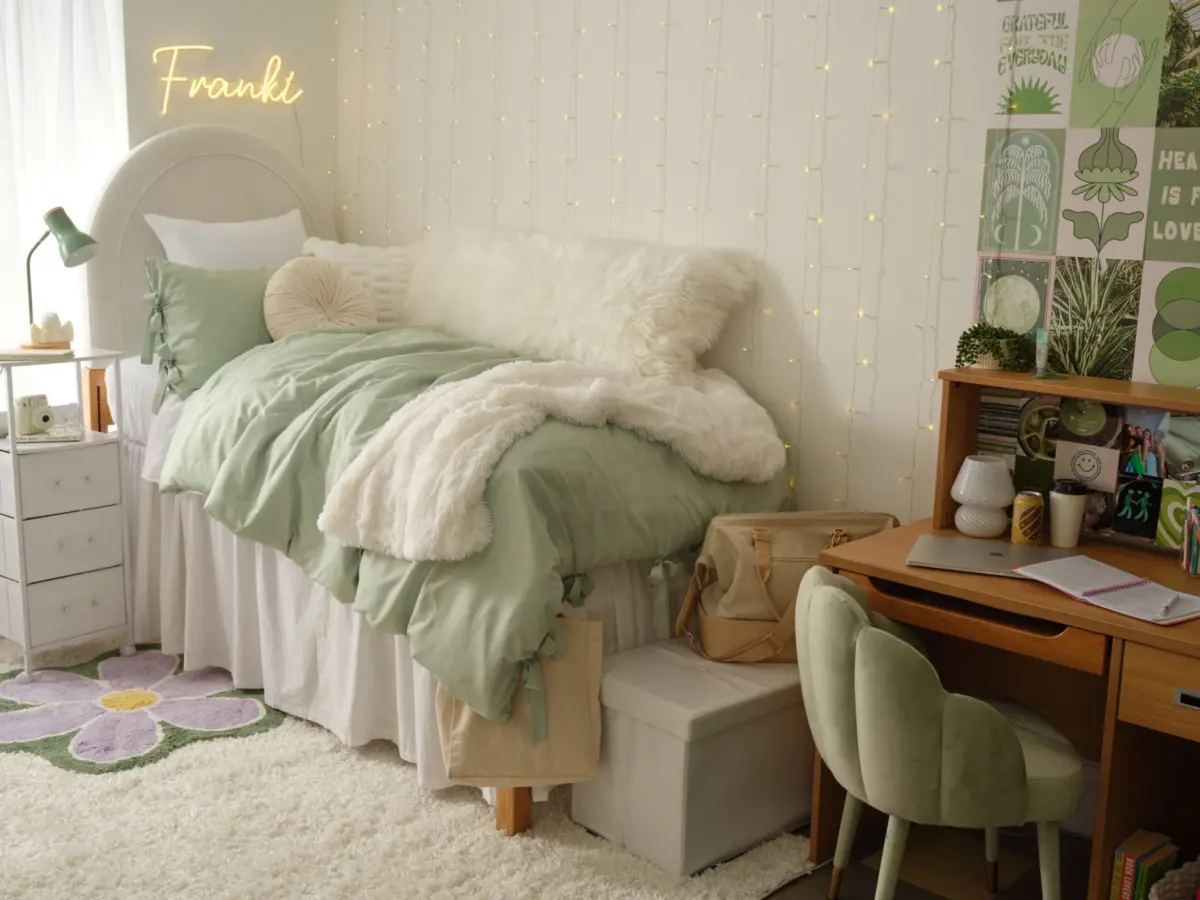
As the fall semester approaches, college campuses are buzzing with anticipation, and incoming students face the age-old challenge of transforming sterile, institutional cinder-block rooms into personalized, cozy sanctuaries. The 2026 dorm design landscape has evolved past basic minimalism and generic big-box store aesthetics. Today’s college decorators are embracing a dynamic blend of high-end whimsy, clever renter-friendly solutions, and maximizing vertical and hidden square footage.
Whether you are an incoming freshman packing up your childhood bedroom or a seasoned senior looking to upgrade your off-campus apartment setup, modern dorm design proves that comfort, style, and practicality do not have to be mutually exclusive.
Main Facts: The Shift in Campus Living Aesthetics
The primary directive of 2026 student interior design is personalization without permanence. With housing rules strictly forbidding permanent structural alterations—such as drilling holes, painting walls, or swapping out factory-issued furniture—students and interior brands have engineered innovative ways to bypass these restrictions.
Key defining characteristics of this year’s movement include:
- Whimsical Color Palettes: Monochromatic pink schemes and baby blue gingham layouts are dominating campus trends.
- The Collegiate "Coastal Grandma" Aesthetic: A mature, comforting design style featuring floral duvets, rattan accessories, and textured task lighting.
- Zero-Damage Hanging Solutions: The widespread adoption of magnetic wall pads, adhesive strips, and peel-and-stick wallpapers that leave zero residue upon move-out.
- The Elevated Sleep Experience: Upgrading standard twin-XL dorm mattresses with luxury bedding layers, headboards, and personalized home comforts.
- Multifunctional Engineering: Utilizing space-saving furniture like rolling carts, ottomans with hidden compartments, and desktop hutches to multiply usable square footage.
Chronology: The Evolution of the Modern Dorm Room
The transformation of the college dorm room from a purely functional holding cell into an expressive, curated micro-apartment did not happen overnight. Understanding how we arrived at the 2026 design standard requires a look back at how student housing culture has shifted over the past decade.
Phase 1: The Utilitarian Era (Pre-2015)
For decades, dorm rooms were treated as temporary pit stops. Students relied on whatever industrial-grade metal bed frame and scarred wooden desk the university provided. Decor was typically limited to a few posters adhered with blue tack, standard plastic milk crates for storage, and a cheap twin-XL sheet set bought on a rushed August trip to a superstore.
Phase 2: The Pinterest & DIY Explosion (2015–2020)
With the rise of social media platforms like Pinterest and Instagram, dorm decor emerged as a recognized design category. Students began coordinating matching color palettes with their roommates. Command strips revolutionized wall-hanging, enabling the era of the gallery wall. However, choices were often restricted to mass-produced tapestries, string fairy lights, and cube storage shelves.
Phase 3: The Micro-Apartment & Aesthetic Boom (2020–2025)
As remote learning blurred the lines between living and studying spaces, students demanded higher standards of comfort. Dorms needed to double as Zoom backdrops, study havens, and relaxation zones. Retailers began partnering with specific dorm brands, introducing products specifically engineered for small-space living—ranging from mini retro fridges to specialized raised bed risers.
Phase 4: The 2026 "Personal Sanctuary" Standard
Today, the standard has shifted toward bespoke comfort and emotional well-being. Recognizing the spike in freshman homesickness and the stress of rigorous academic schedules, students are leaning heavily into personalized decor. Brands now offer custom pet portraits on textiles, magnetic picture tiles, and high-design appliances that match aesthetic sub-cultures like "Coastal Grad" or retro-pink maximalism.
Supporting Data & Trend Breakdown
Navigating the logistics of a small space requires careful planning. Industry metrics and product design trends highlight the specific areas where students are investing their time and budgets this year.
1. The Renter-Friendly Gallery Wall
Damaging dorm walls can lead to hefty fines at the end of the year, making non-destructive art installation a top priority.
- Adhesive Strips & Sticky Tack: The gold standard for lightweight frames.
- Magnetic Photo Tiles: Brands like TilePix have partnered with major retailers (including Walgreens) to create lightweight, eight-by-eight-inch custom photo tiles. These mount effortlessly to walls using specialized magnetic pads, eliminating nails entirely.
- Border Customization: Students are leaning toward tiles with vibrant, colorful borders to add pops of personality to stark white walls.
2. Dominant 2026 Design Aesthetics
Personality is driving color choices on campus this year. The uniform gray-and-white minimalist look has officially taken a back seat to vibrant, curated sub-cultures:
- Floor-to-Ceiling Pink: Unapologetic pink decor is everywhere. Appliances have joined the movement—notably Frigidaire’s retro pink compact refrigerator with a built-in freezer, available at major retailers like Target.
- Baby Blue Gingham: A crisp, classic alternative that offers a preppy, structured look when paired with white linens and silver accents.
- Coastal Grad: The mature "coastal grandma" lifestyle has officially matriculated. Students are incorporating floral duvets, rattan desk lamps, woven pencil holders, and textured task lighting (such as PBteen’s popular task lighting lines) to foster a calm, earthy study environment.
- Removable Peel-and-Stick Wallpaper: Once reserved for permanent home renovations, high-end peel-and-stick wallpaper is now heavily utilized in dorms. Students apply it not just to accent walls, but creatively across the backs of bookshelves and inside closet interiors.
3. Combatting Homesickness Through Bed Upgrades
Quality of sleep directly impacts academic performance, prompting students to invest heavily in their beds.
- The Layered Sleep System: Beyond basic sheets, beds now feature high-thread-count cotton, luxury duvets, heavy decorative throws, and plush pillows.
- Headboards: Even though dorm beds are freestanding, lightweight upholstered or slipcovered headboards can be wedged between the bed frame and the wall to instantly elevate the room from "campsite" to "boudoir."
- Personalized Textiles: To fight off the initial waves of homesickness, personalization is peaking. Companies like Canelo & Co. specialize in printing custom portraits of students’ beloved pets onto mugs, canvases, throw blankets, and accent pillows, keeping family pets close by even hundreds of miles away.
4. Maximizing Square Footage: Storage & Multi-Functionality
When dealing with a room that is often less than 150 square feet—frequently shared with a roommate—every square inch counts.
- Multifunctional Furniture: Ottomans with built-in interior storage double as seating for guests while hiding laundry or extra linens. Light-up vanity mirrors seamlessly transition a daytime study desk into an evening makeup station.
- Vertical Expansion: Utilizing rolling storage carts and desktop hutches (such as popular modular units available on Amazon) allows students to stack materials upward rather than spreading them across valuable floor and desk space.
- Move-In Logistics: Oversized, heavy-duty storage bags make the initial move-in and semester-end move-out process significantly easier, and they collapse flat when empty.
- Hidden Organization: Over-the-door hanging shoe racks, back-of-door full-length mirrors, and under-bed storage containers are essential for stowing away out-of-season clothing and bulky winter coats.
Official Responses and Expert Insights
Interior designers and campus housing directors have weighed in on the shifting trends of 2026, noting a fascinating intersection between mental health, individuality, and practical design constraints.
"When students feel a sense of ownership over their physical space, their anxiety levels drop significantly during the transition period of freshman year," notes Dr. Elena Vance, a campus environment psychologist. "A dorm room is no longer just a place to sleep; it’s an emotional buffer against the rigorous demands of higher education. Bringing elements of home—like customized pet portraits or comforting color schemes—acts as an anchor."
University residential life administrators have also praised the innovation of modern renter-friendly decor products.
"Ten years ago, students would try to sneak nails into walls or use heavy adhesives that routinely ripped off chunks of drywall, leading to major damage fees at check-out," shares Marcus Thorne, Director of Housing at a major midwestern university. "The rise of magnetic wall pads, renter-friendly wallpaper, and damage-free hanging strips has been a game-changer for our maintenance teams. Students can express their creativity fully without compromising the structural integrity of our buildings."
Design experts emphasize that successful dorm decorating relies on balance.
"The biggest mistake students make is overpacking," advises celebrity interior stylist Chloe Kensington. "In a small space, clutter equals stress. Every item you bring into a dorm room needs to serve either a functional purpose or bring you genuine joy. Rely on multi-use items—like a storage ottoman or a hutch that organizes your desk while displaying your favorite photos—to keep the room feeling spacious and breathable."
Implications for Students, Parents, and Retailers
The booming market for sophisticated dorm decor carries significant implications across multiple sectors:
- For Students: The focus on aesthetics and comfort creates a more welcoming home base, directly contributing to mental well-being and academic focus. However, students must remain budget-conscious, avoiding the trap of over-purchasing items that will not fit or are unnecessary.
- For Parents: The annual "back-to-college" shopping trip has transformed from a quick utility run into a major financial investment. Parents are partnering with their college-bound children to design cohesive living spaces, treating the dorm like a first apartment.
- For Retailers and Brands: Major home goods corporations, appliance manufacturers (like Frigidaire), and specialized direct-to-consumer platforms (such as TilePix and Canelo & Co.) are reaping the rewards of tailoring products specifically to the micro-living market. Innovation in lightweight, renter-friendly, and modular goods is no longer a niche market—it is the driving force of late-summer retail sales.
As colleges and universities continue to modernize their student housing offerings, the intersection of smart design and campus life will only grow stronger, proving that great style knows no size restrictions.
