

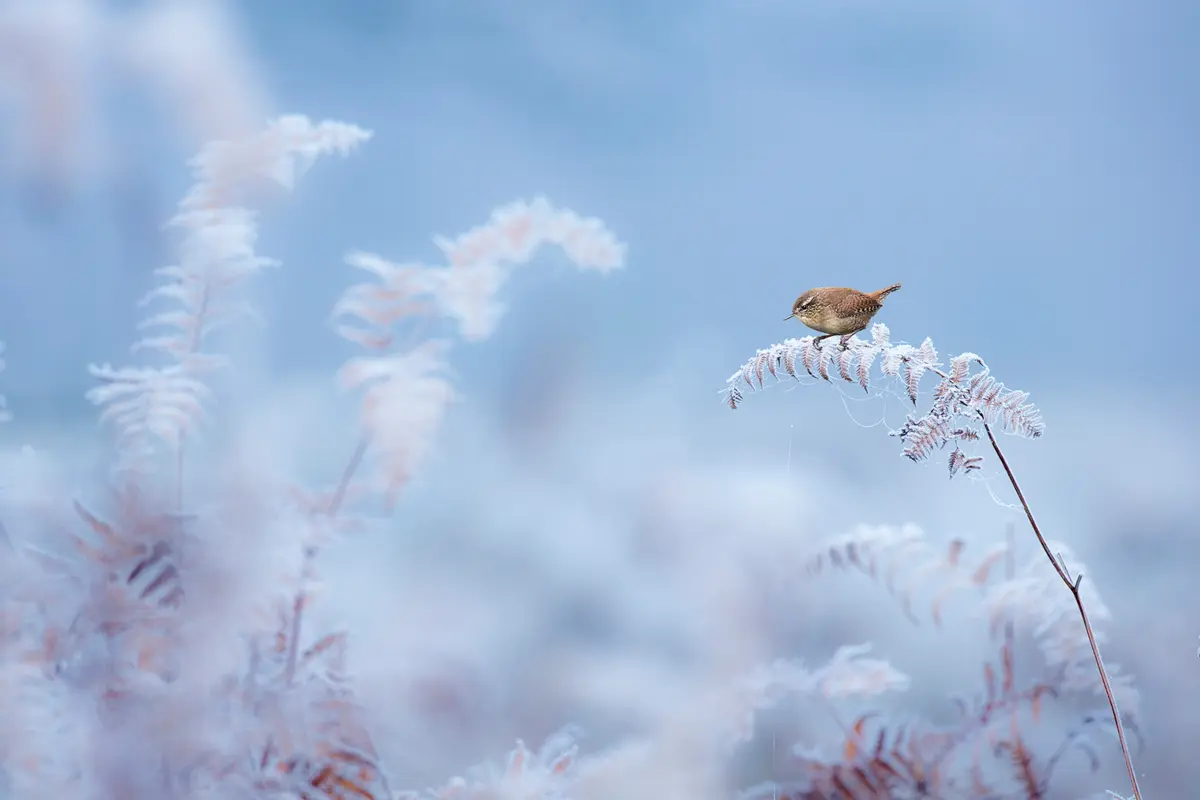
Main Facts: The Avian Giants of the Miniature World
Passerine birds, scientifically classified under the massive order Passeriformes, represent an astonishing ecological triumph. Comprising over half of all recognized bird species globally, perching birds are universally recognized by a distinct anatomical adaptation: an anisodactyl toe arrangement, featuring three digits pointing forward and one facing backward. This evolutionary marvel grants these agile creatures extraordinary grip strength, allowing them to thrive across diverse habitats, from urban backyard gardens and dense woodlands to wide-open fields worldwide.

Yet, for wildlife photographers, this immense diversity brings a unique set of technical hurdles. Ranging from the brilliant goldfinch to the ubiquitous garden robin, passerines are characterized by their diminutive size and rapid, erratic movements. They are notoriously fleeting subjects. However, their sheer accessibility—flourishing just outside kitchen windows as well as deep within remote wildernesses—makes them the ultimate training ground for aspiring and professional photographers alike. Mastering passerine photography bridges the gap between casual nature observation and elite wildlife documentation.

Chronology: The Fieldcraft Timeline of a Successful Shoot
Achieving frame-worthy imagery of perching birds is rarely a matter of luck; it is a meticulously timed sequence of fieldcraft and technical preparation. Understanding this workflow is essential for anyone looking to transition from amateur snapshots to professional portfolios.

Phase 1: Observation and Research (Weeks Prior)
Long before lifting a camera, successful wildlife photographers invest time in passive observation. Studying local passerine species—such as sparrows, tits, finches, warblers, and swallows—demands a deep understanding of their seasonal routines. Photographers must learn to identify species by their unique vocalizations, a vital skill when dense foliage obscures the birds from sight. Noting patterns in feeding, territorial defense, and roosting allows the photographer to anticipate movements rather than merely reacting to them.

Phase 2: Environment and Habitat Setup (Days Prior)
Establishing a controlled environment, such as a backyard feeding station or a woodland staging area, is the next crucial step. This phase involves selecting and positioning natural perches (such as moss-covered branches or spring blossoms) that harmonize with the subject’s colors without looking contrived. Feeders are stocked with high-energy nutrition like sunflower seeds, nyjer seeds, and mealworms, strategically placed near protective foliage to ensure skittish birds feel safe from predators.

Phase 3: The Shooting Session (Real-Time Execution)
When the session begins, patience dictates the timeline. Photographers must pre-visualize their compositions, lock in optimal lighting conditions (such as the directional warmth of the golden hour or the natural diffusion of overcast skies), and configure their camera systems. Whether utilizing continuous autofocus to track active feeders or employing manual focus traps for high-speed flight paths, the window to capture a fleeting bathing ritual, a territorial dispute, or a parent feeding fledglings lasts mere fractions of a second.

Supporting Data: Technical Parameters for Passerine Photography
Capturing the intricate feather textures, rapid wing beats, and sharp, expressive eyes of passerines requires strict adherence to precise camera settings and optical configurations.

Essential Camera Settings Matrix
| Parameter | Recommended Setting | Rationale |
|---|---|---|
| Shutter Speed | $1/1000texts$ to $1/2500texts+$ | Freezes rapid movements; higher speeds ($1/2500texts$) are mandatory for birds in flight. |
| Aperture | $textf/2.8$ to $textf/5.6$ | Creates a shallow depth of field, rendering distant backgrounds into smooth, creamy bokeh. |
| ISO | Variable (High ISO Tolerant) | Prioritizes critical sharpness over a completely noise-free image in low-light scenarios. |
| Focus Mode | Continuous AF (AI Servo / AF-C) | Tracks erratic subjects; fallback to single-point or manual focus traps for predictable flight paths. |
Optical and Support Gear Requirements
- Lenses: Telephoto lenses ranging from $300textmm$ to $600textmm$ (primes or tele-zooms) allow photographers to maintain a respectful distance, preventing behavioral disruption while magnifying distant subjects.
- Support Systems: Sturdy tripods paired with gimbal heads provide essential stability during long monitoring sessions, particularly when working with heavy glass.
- Concealment: Portable hides, camouflage netting, or permanent backyard blinds significantly reduce human disturbance, allowing birds to exhibit natural, uninhibited behavior.
Official Perspectives: Conservation and Ethical Fieldcraft
As wildlife photography surges in popularity, environmentalists, ornithologists, and ethical photography societies emphasize that the welfare of the subject must always supersede the acquisition of an image.

Leading conservation bodies and wildlife ethicists issue strict guidelines regarding the interaction between photographers and nesting passerines. During the breeding and fledging seasons, human proximity can induce severe stress, disrupt parental care, or inadvertently expose vulnerable chicks to predators. Official consensus dictates that active nesting sites should never be photographed using intrusive methods, artificial lighting, or vegetation clearance that compromises nest safety.

Furthermore, artificial feeding stations—while exceptional tools for ethical backyard photography—carry civic and biological responsibilities. Wildlife authorities mandate strict hygiene protocols. Feeders must be regularly sanitized using mild bleach solutions to prevent the transmission of avian diseases, such as trichomonosis or avian pox, which can decimate local passerine populations. Photographers are viewed not merely as observers, but as stewards of the ecosystems they document.

Implications: The Ecological and Artistic Impact
The growing focus on passerine bird photography carries profound implications for both individual skill development and broader environmental awareness.

From an artistic standpoint, mastering the nuances of passerine photography—such as managing high shutter speeds, harnessing natural backlighting, and utilizing negative space—transforms a hobbyist into a technically proficient visual storyteller. It instills a deep appreciation for the delicate balance of composition, color theory, and animal behavior.

On a broader scale, bringing the microscopic dramas of backyard ecosystems into the public eye fosters a vital cultural connection to nature. When individuals spend hours observing the intricate social structures, territorial squabbles, and delicate parenting behaviors of common finches and robins, they develop a localized ecological consciousness. This grassroots engagement frequently translates into broader community support for habitat preservation, native planting initiatives, and conservation policies designed to protect avian biodiversity on a global scale.
