

Main Facts
The journey from an amateur shutterbug to an internationally recognized professional wildlife photographer is rarely a straight line. For South African-born and UK-based photographer Victor Soares, this creative evolution spans nearly twenty years of dedication, patience, and technical refinement. Featured in Nature TTL’s prominent interview series, “From Amateur to Professional,” Soares opens up about the pivotal moments that shaped his craft.
Now operating as a full-time professional wildlife photographer, guide, and workshop leader across Europe and Africa, Soares’s portfolio boasts widespread publication, awards, and a celebrated finalist position in the prestigious Natural History Museum’s Wildlife Photographer of the Year awards (formerly the Veolia Environmental Awards). Yet, his entry into the medium was entirely accidental, sparked by a chance encounter in a South African photo lab in 2004. Today, his distinctive style—characterized by low-angle compositions, shallow depths of field, and a profound focus on animal emotion—serves as an inspiration to aspiring nature photographers worldwide.

Chronology: A Twenty-Year Visual Journey
The Accidental Beginning (2004)
Growing up in South Africa, Soares nurtured a lifelong affinity for nature and wildlife, finding solace in birdwatching and exploring local ecosystems. However, photography entered his life almost by chance. In 2004, drawn to the burgeoning wave of digital photography, he purchased his first digital SLR camera—a Canon 300D—primarily to capture casual holiday memories during a trip to Kruger National Park.

When dropping off his film for printing at a local shop owned by enthusiast Johan Combrink, Soares admired a striking image of a Cattle Egret on display. Impulsively expressing his desire to capture images of that caliber, Soares was invited back by Combrink. This sparked a transformative mentorship where Soares spent countless hours learning camera mechanics and post-processing techniques free of charge, laying the foundational stone for his artistic career.

Refining the Craft and Upgrading Equipment (2006–2007)
By Christmas 2006, Soares upgraded to a Canon Rebel XT, a gift that prompted him to clear out his early, substandard portfolio and start fresh. Returning to Kruger National Park for New Year 2007 with his partner (now his wife), he captured a breakthrough image of a Steenbok. While technically constrained by early digital limitations—such as a strict ISO ceiling of 400 to avoid noise—this image marked a crucial step forward in focus, lighting, and composition, reinforcing his commitment to the craft.

Critical Recognition and Validation (2012)
A major watershed moment occurred in 2012 when one of Soares’s wildlife images reached the final round of the Natural History Museum’s prestigious photography competition, standing out among more than 48,000 global entries. Although the image did not advance to the physical exhibition, the validation served as a psychological turning point, providing the internal reassurance that his work possessed professional merit.

Relocation and the European Chapter (2016–2023)
Relocating to the United Kingdom in 2016 (ultimately settling in London by 2018), Soares shifted his lens toward European wildlife. Red foxes, once confined to African fairytales, became accessible subjects in local London parks. A particularly intimate encounter in Sutton—capturing a yawning red fox amidst autumn foliage and visible cold breath—became one of his defining career images. During this period, he also began regularly documenting the annual UK deer rut, continuously refining his ability to capture fleeting moments of atmospheric drama.

The Professional Leap (2023–2024)
While photography had long remained a passionate pursuit secondary to his career as an engineer, Soares began testing the waters of professional instruction in 2023 by leading small groups and teaching photography. The definitive transition occurred in early 2024. Following a corporate downsizing that resulted in his position being made redundant, Soares—backed by the unwavering support of his wife—seized the opportunity to turn adversity into advancement, formally launching his career as a full-time professional wildlife photographer and tour leader.

Supporting Data & Technical Evolution
Soares’s technical progression mirrors the broader technological shifts in the digital photography industry over the past two decades.

- Gear and Settings: Early in his career, technological limitations dictated stringent parameters. Shooting with early entry-level DSLRs meant avoiding ISO settings above 400 to prevent catastrophic digital noise, restricting low-light capabilities. Modern iterations of his kit, however, embrace high-performance sensors and specialized glass. His favored lens remains the classic 300mm f/2.8, prized for rendering buttery, thrown-out backgrounds.
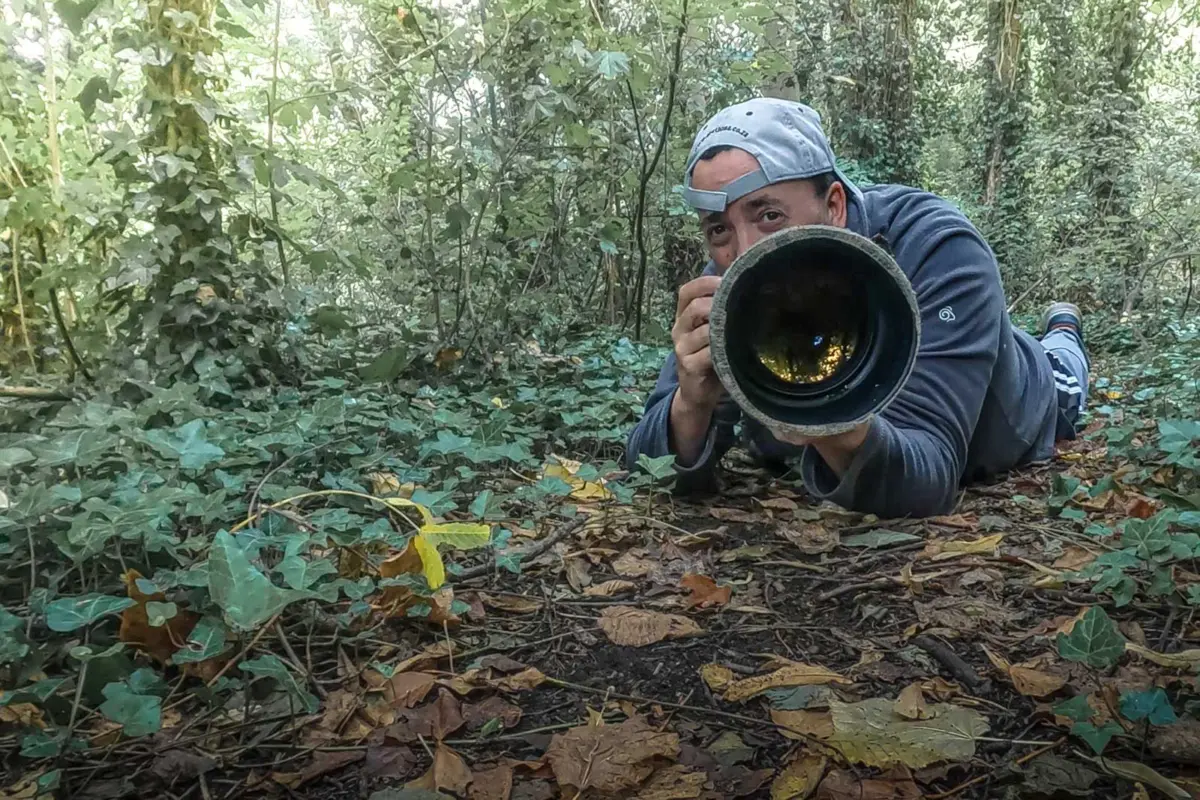
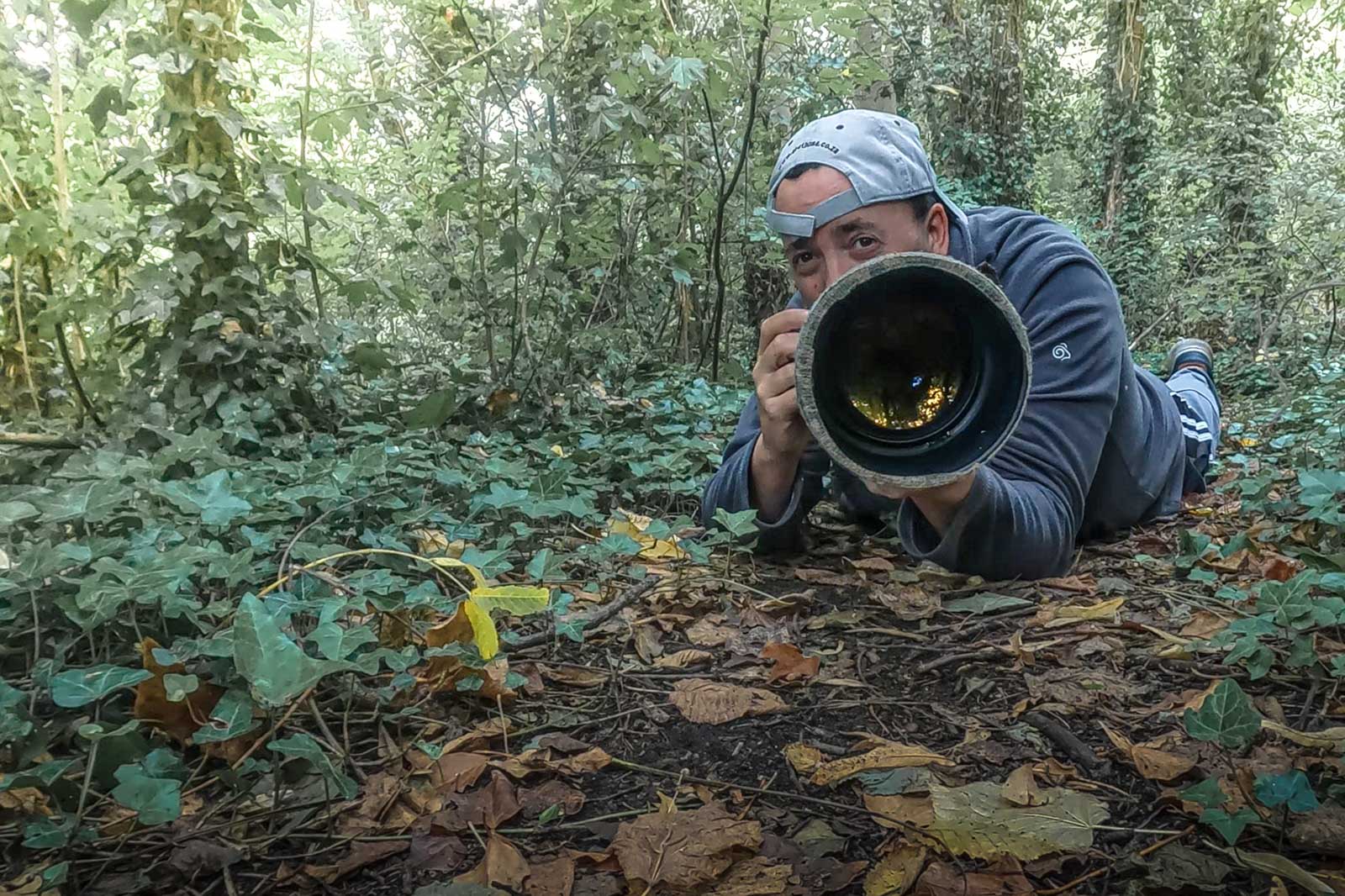
- Compositional Shifts: Soares transitioned from shooting purely in Aperture Priority (Av) mode with an emphasis on front-to-back sharpness (often utilizing wider apertures like f/8 out of caution) to working predominantly in Manual mode. Modern Soares embraces extremely shallow depths of field, shooting from ground level (as low to the ground as physically possible) to immerse the viewer directly into the animal’s world.
- Workflow and Emotional Storytelling: Beyond technical sharpness, Soares’s post-processing workflow centers on narrative and mood. Rather than documenting clinical field guides, his edits emphasize psychological realism, capturing expressions of calm, cunning, eagerness, or tension in mammals, thereby humanizing the natural world without anthropomorphizing it.
Official Responses and Mentorship Impact
The narrative of Victor Soares underscores the vital role of community, mentorship, and psychological resilience in the arts.

- The Power of Mentorship: Soares frequently credits Johan Combrink not merely as a technical instructor, but as a motivational coach who guided him through the inevitable "dark times" of creative frustration. Combrink’s willingness to impart knowledge without financial compensation established a philanthropic ethos that Soares now mirrors in his own workshops and tours.
- Coping with Competition and Imposter Syndrome: Addressing the psychological hurdles of entering a saturated market, Soares notes that self-doubt is a universal baseline for developing artists. By recognizing that role models are placed on pedestals by creators themselves, photographers can transform feelings of inadequacy into a constructive driving force.
- Embracing Constructive Critique: Soares remains an active member of local camera clubs and reads industry publications regularly. He stresses that external feedback—positive and negative alike—is essential. Reflecting on his frantic email to the Natural History Museum organizers in 2012 and the calm response ("just read the email"), Soares emphasizes that professional growth requires emotional regulation, patience, and a willingness to listen without ego.
Implications for Aspiring Wildlife Photographers
Victor Soares’s transition from an engineer with a hobby to an elite international wildlife photographer carries several profound implications for the broader creative community:
- The Fallacy of Immediate Results in a Fast-Tech Era: Soares warns that modern consumers and emerging photographers often measure progress by the newest camera specifications—such as higher frames-per-second rates or advanced autofocus tracking points—rather than foundational skill development. True capability lies in mastering the essentials of light, behavior, and patience, which outlast any hardware upgrade.
- Redefining Professional Risk: The catalyst for Soares’s full-time career—corporate redundancy—highlights the fragile boundary between stability and reinvention. His journey proves that unexpected life disruptions can serve as necessary catalysts to pursue long-suppressed creative ambitions, provided one possesses a robust support system.
- Patience as a Core Ecological Practice: In wildlife photography, anticipation is inextricably linked to ethical observation. Soares notes that rushing to capture a fleeting frame often results in missed nuances. True mastery requires hours of silent observation, understanding animal behavior, and anticipating actions based on environmental cues.
- Democratization of Wildlife: While exotic African safaris offer unmatched grandeur, Soares’s work with UK urban foxes and local deer ruts demonstrates that profound, award-winning wildlife photography can be found right on one’s doorstep. The subject matters less than the artist’s ability to interpret atmosphere, emotion, and light.
