By the Global Crystal Watch Desk Published: October/November Archive Update
Main Facts: The Rise of "Blue Rose Quartz"
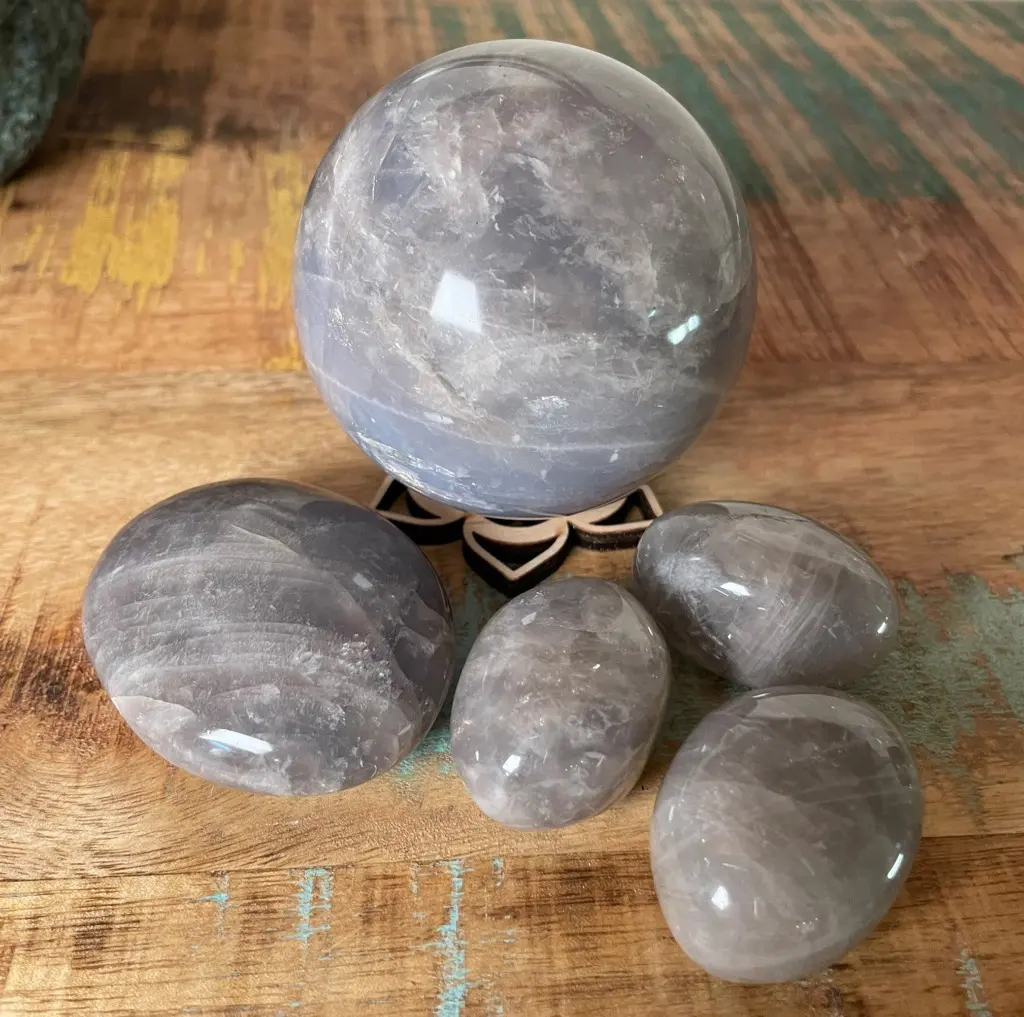
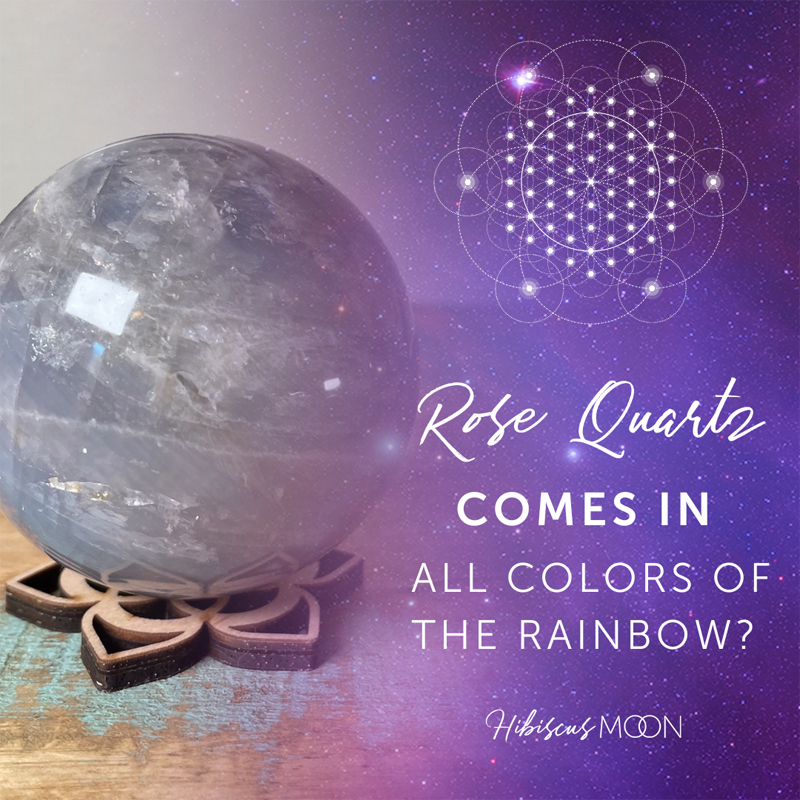
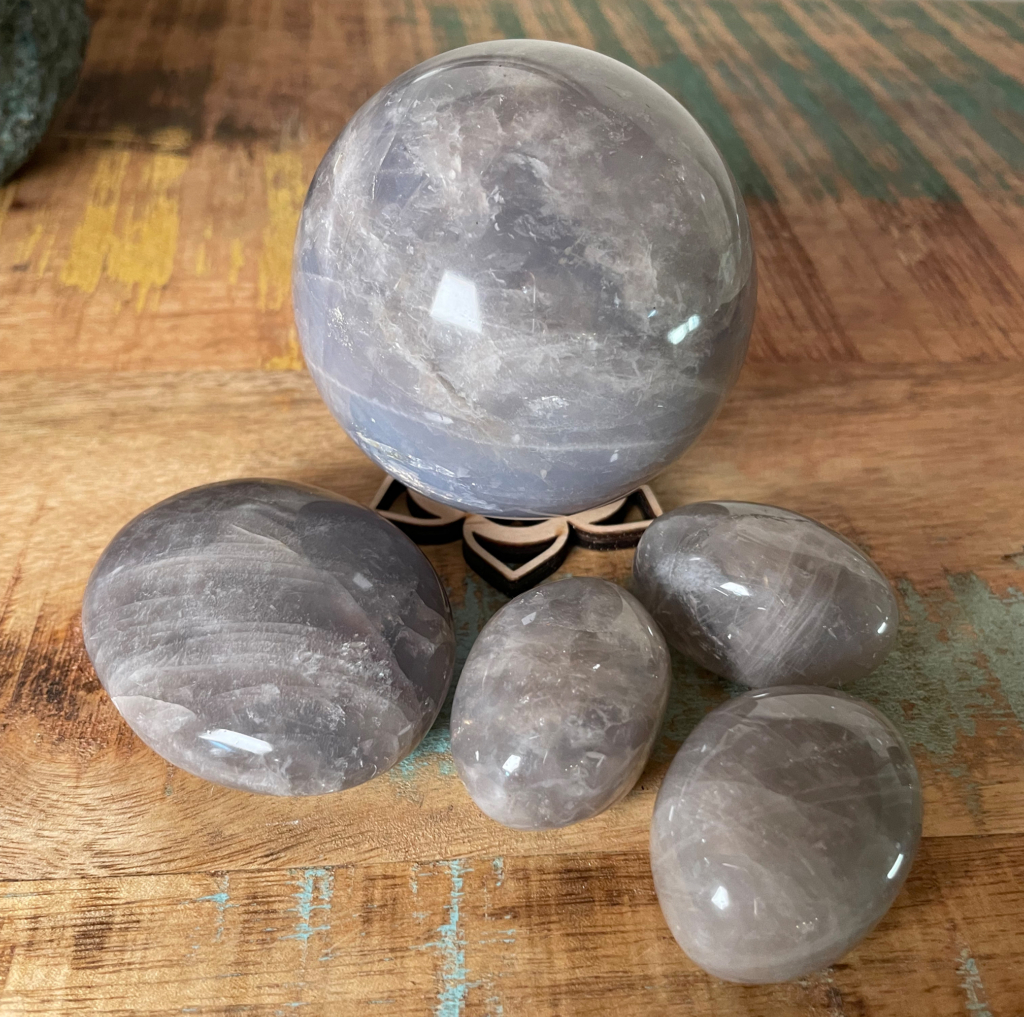
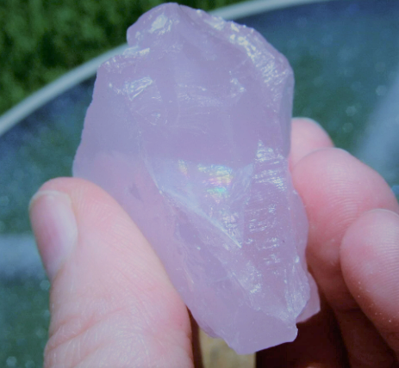
In the ever-expanding global market for healing crystals and mineral specimens, a controversial new trend has taken center stage: the commercial emergence of "Blue Rose Quartz." Touted by various online vendors and boutique crystal shops as a rare and spiritually potent discovery—frequently sourced from Madagascar—this material has sparked intense debate among geologists, gemologists, and seasoned crystal practitioners alike.
The core controversy is deceptively simple, yet geologically profound: by definition, true rose quartz must be pink. The distinctive rose coloration is scientifically attributed to microscopic, nanofibrous mineral inclusions—historically linked to minerals closely related to dumortierite—embedded within the macrocrystalline quartz matrix. Therefore, mineralogists argue that quartz displaying a blue, bluish-white, lavender, or lilac hue cannot scientifically be classified as rose quartz.
Independent mineral testing, geological assay reports, and expert consensus reveal that much of what is currently marketed as "Blue Rose Quartz" or "Black and Blue Rose Quartz" falls into one of several alternative categories:
Low-Grade Quartz / Pale Amethyst: Historically classified under traditional gem-grading systems (such as the alphabetical A-to-D grading scale) as lower-tier, hazy, or milky quartz, or heat-bleached low-grade amethyst.
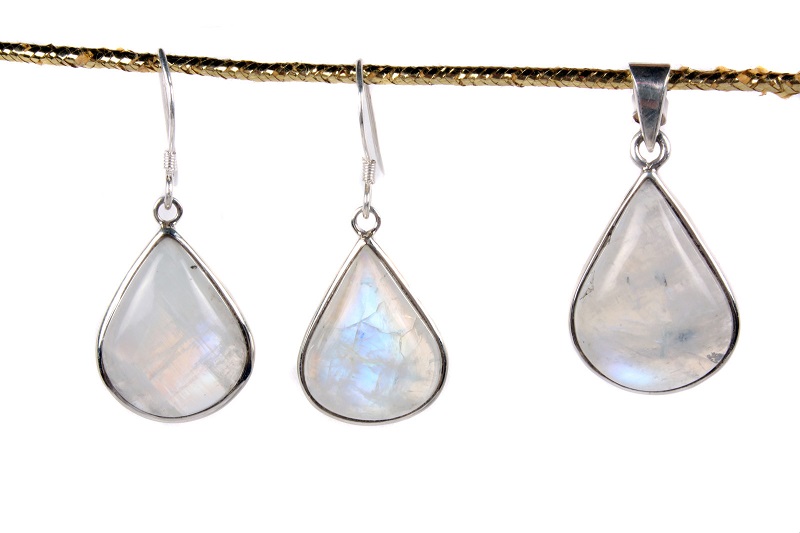
Girasol Opal / Opalized Quartz: Quartz that exhibits a milky, translucent quality with a bluish-white glowing sheen (the "girasol effect") caused by light scattering off microscopic water droplets trapped within the silica structure.
Treated or Lab-Altered Stones: Standard quartz or amethyst subjected to thermal treatments exceeding 932°F (500°C), altering its optical properties.
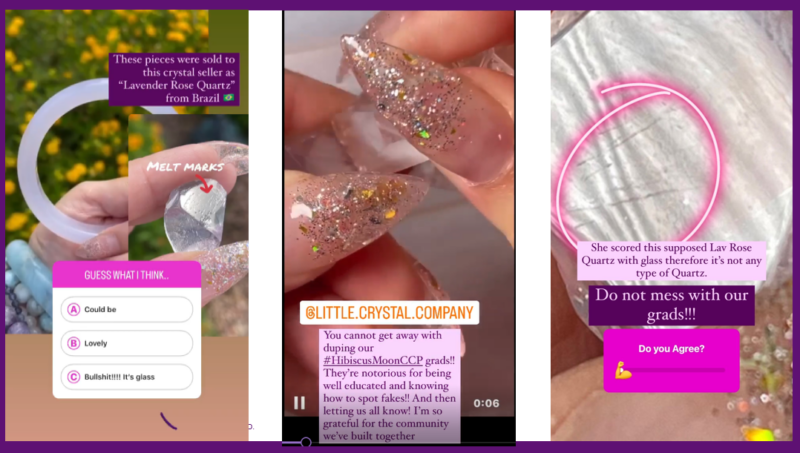
Manufactured Glass: In some isolated instances of severe market misrepresentation, straightforward synthetic glass.
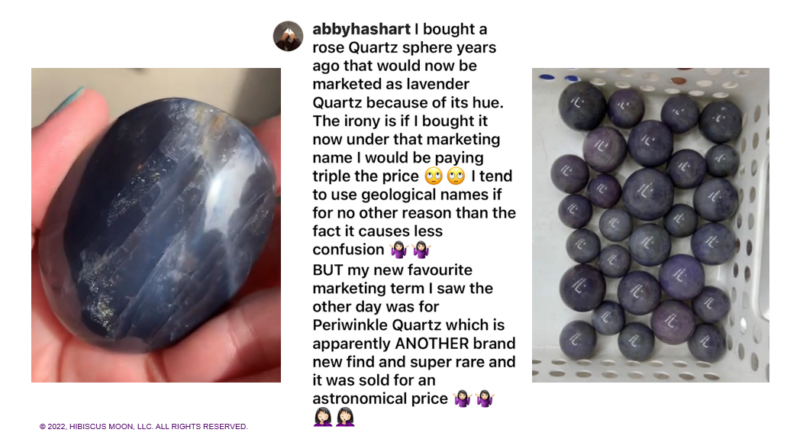
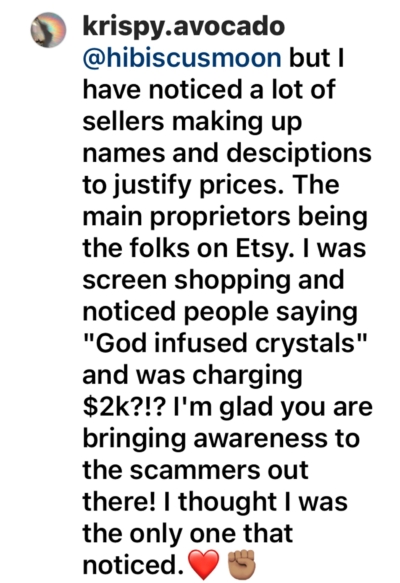
Rather than representing a genuinely new mineral species or a high-grade geological rarity, industry experts argue that "Blue Rose Quartz" is primarily a clever, highly lucrative marketing rebrand. Common, abundant, and formerly inexpensive lower-grade quartz varieties are being repackaged with ethereal, spiritual monikers to justify heavily inflated retail prices.
Chronology: How the Trend Unfolded
The trajectory of the "Blue Rose Quartz" trend follows a familiar pattern of modern crystal market evolution, driven by social media algorithms, online storefronts, and vigilant consumer advocacy.
Early 2000s (The Precursor Era): Lower-grade, hazy lilac quartz, pale amethyst, and milky quartz were routinely traded in traditional lapidary and mineral circles. These stones were generally categorized as lower-grade stock (often designated as "C" or "D" grade) and sold at modest, accessible price points.
2010: Crystal educators and geological bloggers begin initiating systematic digital campaigns to call out widespread misrepresentations, synthetic treatments, and commercial renaming practices in the online crystal community.
Late 2022: A sudden surge of consumer inquiries floods crystal education platforms. Certified Crystal Practitioners and independent shop owners notice an influx of visually distinct, hazy blue-to-lavender stones appearing across major e-commerce platforms and social media channels under the glamorous title of "Blue Rose Quartz from Madagascar."
Fall 2022: Mineral vendors and independent researchers—such as Jessica Watson of Little Lemuria—commission formal geological assay reports to scientifically analyze the composition of these stones, publishing transparent findings to counter misleading marketing claims.
Late 2022 to Present: Influential crystal educators, former science department heads, and geology postgraduates launch educational campaigns via Instagram stories, blog posts, and community forums to dismantle the "Blue Rose Quartz" myth while establishing strict community guidelines against seller harassment.
Supporting Data & Mineralogical Analysis
To understand why the "Blue Rose Quartz" label is scientifically inaccurate, one must examine the baseline mineralogy of quartz and its optical phenomena.
1. Defining True Rose Quartz
True rose quartz (SiO₂) owes its soft pink pigmentation to finely dispersed microscopic inclusions. When polished or carved, high-grade pink rose quartz maintains a consistent pink hue. When stone material drifts into shades of lilac, pale violet, or blue-grey, it crosses the mineralogical boundary into amethyst, milky quartz, or chalcedony.
2. The Girasol Phenomenon
Several specimens marketed under the "Blue Rose Quartz" umbrella actually display the girasol effect. Derived from the Italian word for "turning sun" (traditionally associated with sunflowers), girasol in mineralogy refers to a luminous, floating glow—often bluish-white—caused by the internal scattering of light.
The Mechanism: This optical illusion is driven by light diffraction and interference caused by microscopic water droplets or structural imperfections trapped inside the silica matrix.
Common Occurrences: The girasol effect is naturally observed in genuine moonstone, certain opals, and specific feldspars. When it occurs in quartz, the stone is properly termed girasol quartz or opalized quartz, not rose quartz.
3. Thermal Alteration and Color Manipulation
Geological experiments demonstrate that applying intense heat (exceeding 500°C / 932°F) to low-grade amethyst or cloudy quartz can bleach out the original violet-purple hues. This thermal shock frequently induces microscopic internal fracturing and water droplet formation, resulting in a milky, opalescent, or bluish sheen. While these treated stones possess unique aesthetic qualities, labeling them as rare "Blue Rose Quartz" misleads consumers regarding their natural state and market value.
Official Responses and Industry Perspectives
The commercial shift toward creative renaming has elicited strong responses from the professional geological and crystal-selling communities.
The Educator’s Stance
Prominent figures in crystal education—including former geology postgraduate researchers and founders of crystal academies—have taken a firm stance against the trend. While acknowledging that lower-grade or alternatively colored quartz can still carry profound personal, aesthetic, or energetic value for practitioners, educators emphasize that transparency is non-negotiable.
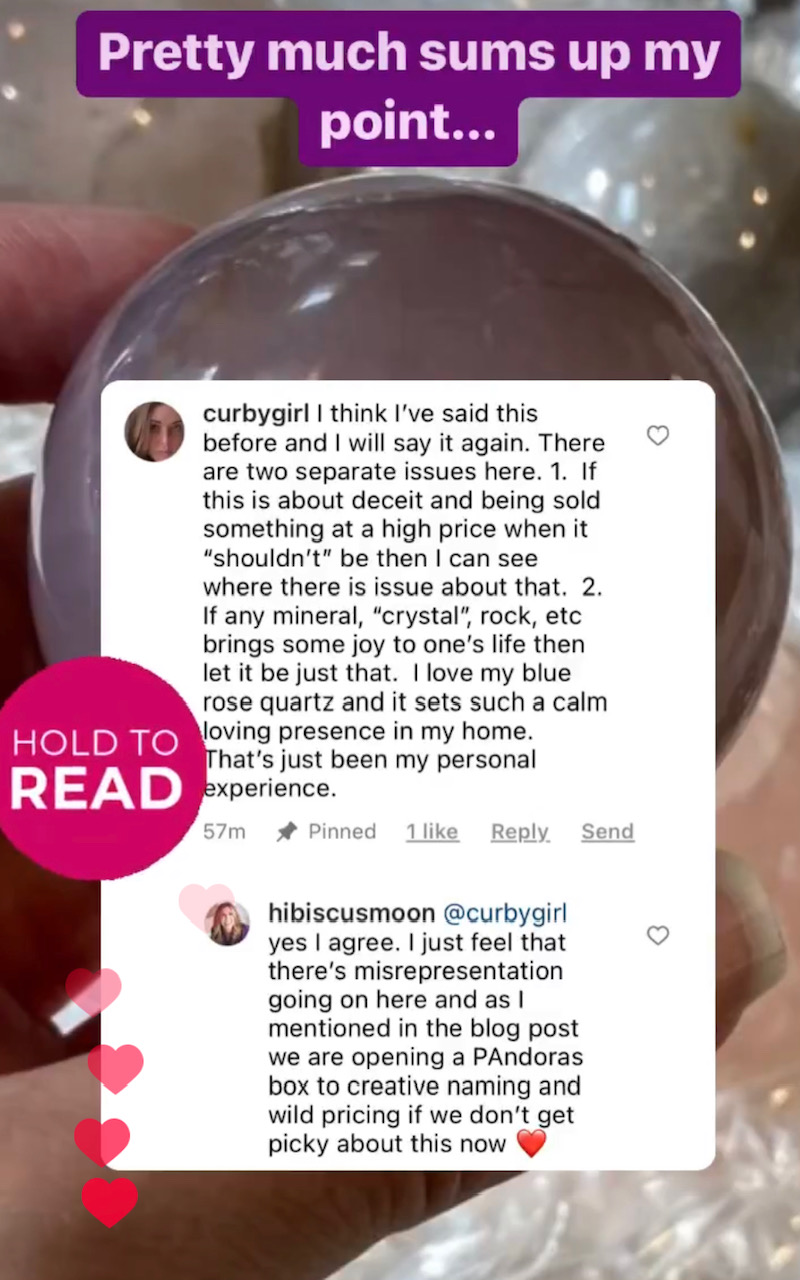
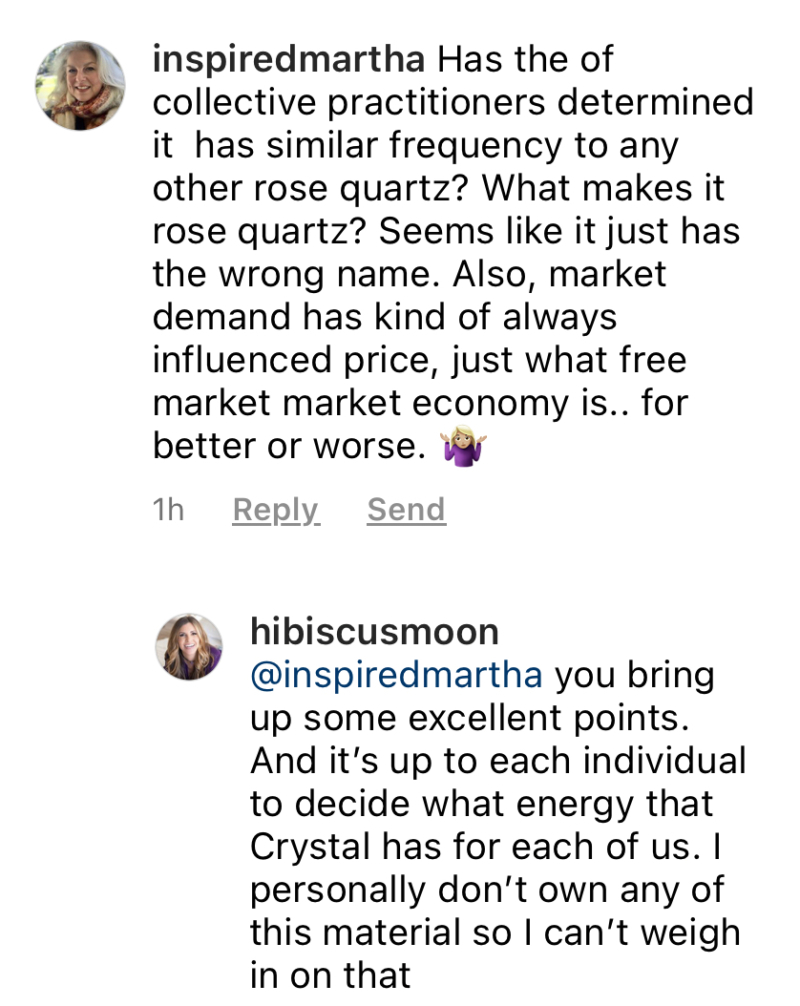
"When I say that it’s low-grade rose quartz, I don’t mean that I wouldn’t work with it or that I personally consider it less than," notes prominent crystal educator Hibiscus Moon. "I’m trying to convey that this used to be considered by the stone-selling industry as a lower quality… That does NOT mean that it delivers less joy or energetic impact. What I’m up in arms about is that this was always relatively abundant and sold cheaply before. Is it right to just state that it no longer is, and therefore falsely inflate the price?"
Vendor Accountability and Scientific Testing
A hallmark of the recent pushback has been proactive accountability within the crystal vendor community. Specialty retailers, such as Little Lemuria and Little Crystal Company, have collaborated with geologists to perform professional mineral testing. By publishing laboratory assays online, these vendors empower consumers to evaluate mineral purchases based on verifiable scientific data rather than speculative marketing claims.
Furthermore, community guidelines established across major crystal education platforms explicitly forbid targeted harassment or public shaming of individual sellers. The focus remains strictly on education over accusation—transforming consumers into informed buyers who can navigate the marketplace with confidence.
Implications for Consumers and the Crystal Market
The proliferation of "Blue Rose Quartz" carries significant implications for both the metaphysical community and the broader gem and mineral trade.
Economic Impact on Buyers
When common minerals are rebranded with exotic, high-demand titles, prices frequently experience artificial inflation. Consumers unknowingly pay premium, collector-grade prices for stones that are geologically abundant, thermally altered, or mislabeled. This practice risks eroding consumer trust and wasting financial resources on misrepresentations.
The Slippery Slope of Commercial Renaming
Industry veterans warn that if the market passively accepts "Blue Rose Quartz" and its dark counterpart, "Black Rose Quartz," it opens the floodgates for unrestricted marketing nomenclature. Without pushback, the crystal market could see the introduction of thousands of arbitrary, unscientific color names for standard quartz varieties, plunging beginners into deep confusion.
The Path Forward: Education as Protection
The ultimate defense against market misrepresentation is geological literacy. Experts recommend the following best practices for modern crystal enthusiasts:
Examine the Source: Purchase from reputable vendors who transparently share mineral testing, sourcing details, and accurate geological classifications.
Question Extreme Rarity Claims: If a common mineral suddenly appears in a brand-new, highly unusual color touted as ultra-rare, investigate whether thermal treatments, dyeing, or re-labeling is at play.
Separate Aesthetics from Nomenclature: Appreciate a stone for its visual beauty and personal energetic resonance, but insist on accurate scientific labeling. Beauty is in the eye of the beholder, but mineralogy is rooted in science.
By combining common sense, geological awareness, and community vigilance, the "Crystal Family" continues to drive accountability—ensuring that the wonders of the natural world are appreciated honestly, accurately, and fairly.