

By the Editorial Wellness Desk
Published as Part 2 of the Expert Chakra Series
Main Facts
In the modern wellness landscape, ancient energetic practices increasingly intersect with personal introspection and holistic health. Following an introductory exploration into the biophysics and foundational science of crystal chakra healing, holistic practitioners and energy enthusiasts frequently arrive at a pivotal question: How do I accurately identify which specific chakra requires balancing?
According to leading crystal healing educators, energy imbalances within the body’s seven primary vortexes—or chakras—rarely manifest at random. Instead, they present distinct behavioral, emotional, and physiological signatures.
Experts outline four primary diagnostic methodologies to evaluate and locate energetic blockages or overactivity:
- Validated Chakra Assessments: Utilizing structured diagnostic quizzes and digital tools.
- Symptom Mapping: Analyzing patterns of physical ailments and emotional roadblocks.
- Energy Sensing: Employing tactile awareness and traditional tools like pendulums.
- Intuitive Development: Tapping into higher sensory perceptions, often referred to as "clair-senses."
Far from being an exclusive gift reserved for the spiritually elite, these diagnostic skills function similarly to physical muscles. They require intentional education, consistent practice, and structured refinement to yield reliable results.
Chronology and Evolution of Energy Diagnostics
The methodology of assessing chakra health has evolved significantly over the past several decades, transitioning from esoteric, closed-door traditions into accessible, mainstream wellness practices.
- Ancient Roots (Pre-20th Century): Originating in ancient Vedic texts from India, chakra systems were primarily understood through philosophical, meditative, and yogic frameworks. Assessment relied exclusively on deep internal mastery guided by a guru or spiritual teacher.
- The Late 20th Century (The New Age Movement): As Eastern energetic philosophies migrated to the West during the 1960s and 70s, practitioners began translating complex Sanskrit systems into modern psychological and physiological terms. Authors and pioneers began publishing introductory literature, linking emotional trauma to specific bodily centers.
- The Digital Era (2000s–Present): With the rise of the internet, practitioners democratized diagnostic tools. Standardized online questionnaires, instructional blogs, and certified online training programs—such as comprehensive Certified Crystal Practitioner courses—standardized energy sensing. Today, tools like pendulums and structured symptom-mapping have become staple routines in home self-care practices worldwide.
Supporting Data and Diagnostic Methods
To successfully navigate crystal healing and energetic restoration, practitioners must first establish a baseline using structured evaluation techniques. Experts categorize these techniques into four actionable pillars.
1. Utilizing Structured Chakra Quizzes and Tests
Numerous diagnostic tools and questionnaires are widely available online. While the quality of these resources varies, a thoughtfully designed chakra assessment can serve as an effective preliminary screening tool.
- How it works: Users answer a series of behavioral and emotional questions scaled to evaluate the state of each major chakra (from the Root to the Crown).
- The next step: Upon identifying a deficient or overactive energy center, practitioners select a corresponding healing crystal—such as red jasper for the Root or amethyst for the Third Eye—to help restore natural energetic flow.
2. Evaluating Glaring Physical and Emotional Symptoms
Energy blockages frequently translate into systemic physical discomfort or persistent emotional patterns. However, holistic professionals issue an important caveat: a single symptom is rarely enough to diagnose a chakra imbalance. A reliable assessment requires recognizing a syndrome or cluster of recurring issues.
- Lower Chakras (Root, Sacral, Solar Plexus): Imbalances here often manifest as financial anxiety, lower back pain, digestive sluggishness, or a chronic lack of motivation and boundaries.
- Upper Chakras (Heart, Throat, Third Eye, Crown): Blockages in these regions frequently present as difficulty expressing personal truths, chronic tension in the neck and shoulders, feelings of isolation, or mental fog and disconnection from life purpose.
For those seeking deeper literary guidance on symptom mapping, foundational texts such as Vibrational Healing Through the Chakras and The Crystal Healer remain benchmark references for holistic practitioners globally.
3. Mastering Energy Sensing and Pendulum Work
Energy sensing is an interactive skill that allows practitioners to physically or energetically detect the state of a chakra—determining whether it is sluggish, overactive, blocked, or balanced. While advanced sensing requires extensive background knowledge and safety precautions, basic tools are accessible to beginners.
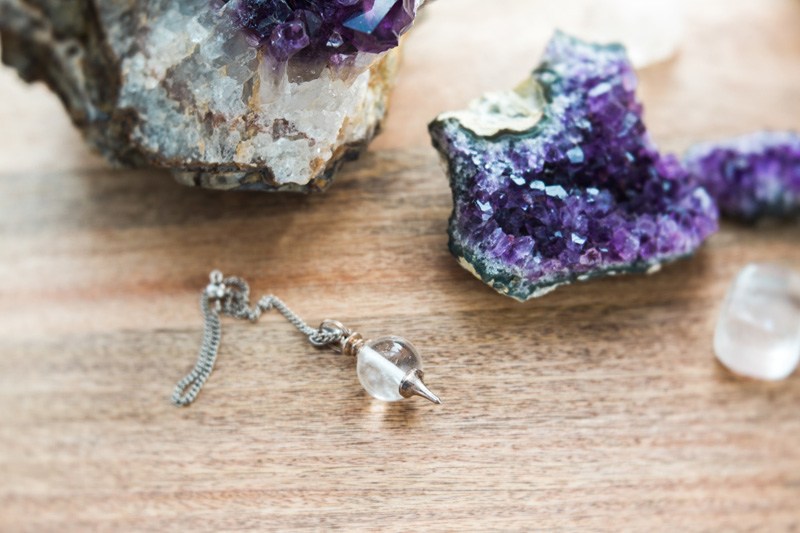
- Pendulum Dowsing: One of the most popular introductory methods involves suspending a crystal pendulum over each chakra point. By observing the pendulum’s rotation (e.g., clockwise, counter-clockwise, or linear swings), practitioners can interpret the energetic output of that specific vortex.
- The Learning Curve: While professional training programs incorporate rigorous, multi-step protocols to sharpen these abilities, everyday practitioners can develop basic proficiency through patience and repetition.
4. Tapping into Intuition and Higher Senses ("Clair-senses")
Intuition functions as an inner compass, providing subtle yet profound data regarding energetic health. Many individuals possess latent intuitive gifts that fall under the umbrella of "clair-senses" (such as clairvoyance for clear seeing, clairaudience for clear hearing, and clairsentience for clear feeling).
- Meditation and Inner Knowing: Through quiet reflection, practitioners often receive intuitive insights regarding which areas of their energetic anatomy require attention.
- The Muscle Analogy: Just like physical fitness, intuitive perception atrophies when ignored but expands rapidly when consistently exercised and trusted.
Official Perspectives and Expert Insights
Holistic educators and certified wellness leaders emphasize that chakra diagnosis is not an exact medical science, but rather a complementary framework designed to promote self-awareness and holistic well-being.
Renowned crystal healing experts stress that individuals should never rely on energy work as a substitute for professional medical diagnosis or treatment. Instead, energy sensing and crystal healing operate best as integrative wellness practices—methods that empower individuals to take an active role in their mental, emotional, and energetic hygiene.
Furthermore, education advocates highlight the power of The Consensus Approach. When beginners feel uncertain about a single test result or intuitive reading, experts recommend combining two or three distinct diagnostic methods. If two methods yield conflicting results, introducing a third technique helps establish a clear majority consensus, ensuring more targeted and effective crystal application.

Implications for Personal Wellness
The growing popularity of chakra balancing and crystal healing reflects a broader cultural shift toward proactive, self-directed mental and emotional health care. As individuals navigate high-stress modern environments, tools that bridge the gap between physical awareness and subtle energy offer tangible psychological benefits:
- Enhanced Self-Awareness: Regularly checking in with one’s energetic state encourages mindfulness, helping individuals identify burnout, anxiety, or emotional suppression before they manifest as severe stress-related conditions.
- Empowerment Through Ritual: Engaging with tactile tools—such as sorting through assessment questionnaires, cleansing crystals, or dowsing with pendulums—creates grounding routines that anchor the user in the present moment.
- Long-Term Mastery: As practitioners consistently exercise their intuitive and energetic muscles over time, the diagnostic process becomes second nature. Users transition from active, questioning seekers to intuitive individuals who "just know" when their energetic equilibrium requires adjustment.
In the upcoming installment of this comprehensive chakra series, experts will delve into the next logical step of the healing journey: practical, step-by-step applications for utilizing healing crystals to restore harmony across all seven major energy centers.
