

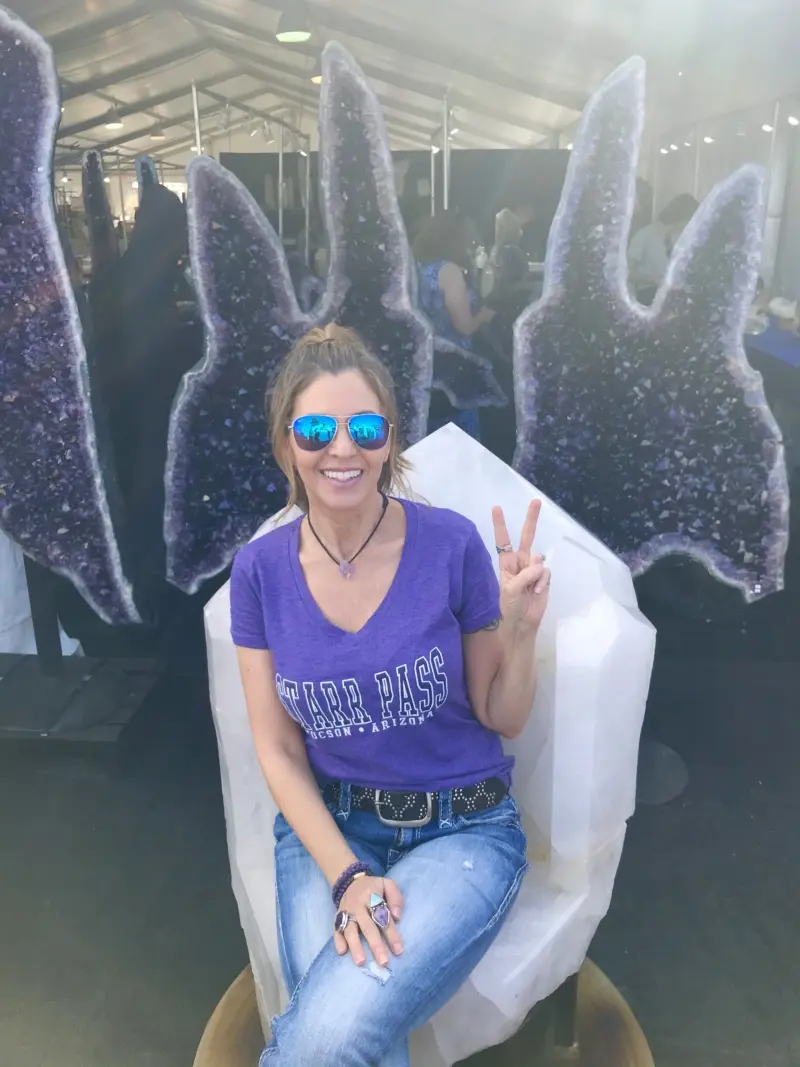
Main Facts: The Titans of the Mineral World
For mineralogists, lapidary artists, holistic practitioners, and casual rockhounds alike, few experiences rival the sheer magnitude of attending one of the world’s premier gem and mineral expositions. At the apex of this global community sit two undisputed giants: the Tucson Gem, Mineral & Fossil Showcase in Arizona and the Denver Gem and Mineral Show in Colorado.
These massive annual gatherings are not merely commercial marketplaces; they are international epicenters of culture, science, geology, and holistic energy work. Drawing hundreds of thousands of attendees, wholesale buyers, and retail enthusiasts from every corner of the globe, these events transform entire cities into sprawling bazaars of Earth’s most breathtaking geological treasures.
To demystify these massive undertakings, Team HM member and Crystal Coach Lisa recently produced a comprehensive video guide detailing the nuances, advantages, and distinct atmospheres of both locations. Whether your goal is sourcing rare wholesale inventory, acquiring high-vibration altar pieces, or simply basking in the magnificent energy fields of massive quartz formations, understanding how these two iconic shows compare is essential for anyone planning a crystal pilgrimage.
Chronology and Evolution: From Local Clubs to Global Mega-Shows
The Historical Rise of the Tucson Showcase
The Tucson Gem, Mineral & Fossil Showcase has deep roots stretching back to the mid-20th century. What began in 1954 as a modest gathering organized by the Tucson Gem and Mineral Society at a local elementary school has since evolved into the largest, oldest, and most prestigious gem show in the world.
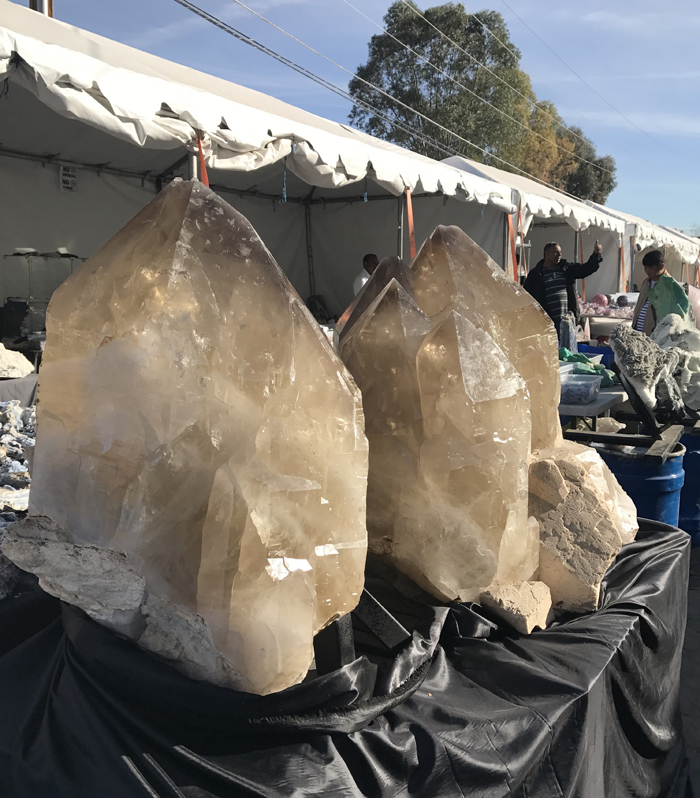
Today, the "Tucson Show" is actually an umbrella term for dozens of independent shows scattered across more than 40 distinct sites throughout the city—ranging from luxury hotel suites and massive convention centers to massive outdoor white-tent pavilions. Held annually over a two-to-three-week period between late January and mid-February, Tucson effectively becomes the temporary capital of the global mineral trade, drawing international miners, museum curators, and high-end collectors.
The Ascent of the Denver Mineral Circuit
While Tucson holds the crown for sheer scale and early-year timing, the Denver Gem and Mineral Show represents a formidable pillar in the North American mineral calendar. Held every autumn (typically in September), the Denver show has grown exponentially over the decades.
Anchored primarily around major venues like the Colorado Convention Center and complemented by various satellite shows across the Denver metro area, the event captures the crisp, vibrant energy of the Rocky Mountain fall. It serves as a crucial mid-year nexus for miners descending from northern and western territories, as well as a premier destination for interior designers, jewelry makers, and metaphysical practitioners looking to stock up before the holiday season.
Supporting Data and Show Comparisons: Tucson vs. Denver
To evaluate which show best suits your specific needs—whether business, artistic, or personal—it is helpful to examine the operational and experiential differences between the two events.
| Feature | Tucson Gem, Mineral & Fossil Showcase | Denver Gem and Mineral Show |
|---|---|---|
| Timing | Late January – Mid-February | September |
| Scale | Massive; 40+ distinct locations across the city | Large; anchored by major venues like the Convention Center plus satellites |
| Atmosphere | Desert warmth, sprawling outdoor tents, resort hotel suites | Crisp mountain air, modern convention settings, vibrant local culture |
| Primary Focus | International wholesale, ultra-rare museum-grade specimens, fossils | Exceptional quartz towers, extensive bead selections, fine carvings |
| Navigability | Requires careful planning, rental cars, and navigation across the city | More centralized, highly accessible via public transit and shuttle systems |
The Crystal Spectrum: What You Will Find on Display
Regardless of which city you visit, the visual and energetic feast is unparalleled. Both shows offer an astonishing array of geological formations, though each maintains its own unique flavor.
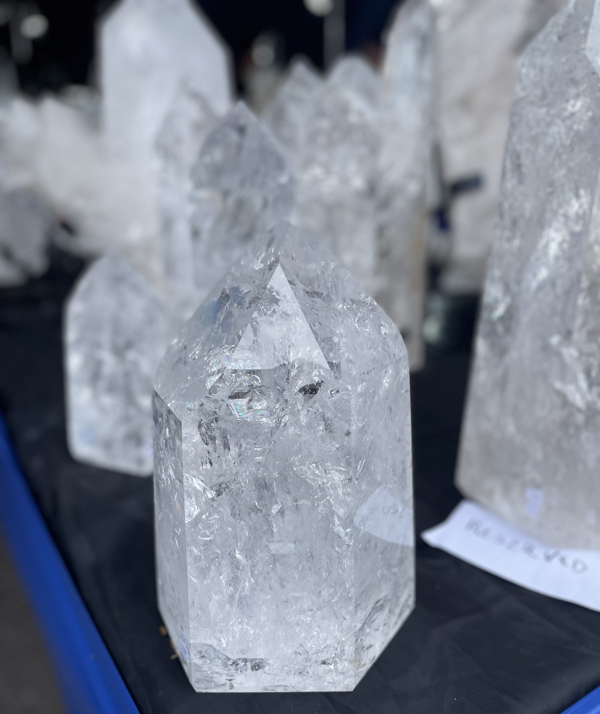
- Clear Quartz and Quartz Towers: Universally recognized as the "rock stars" of the mineral kingdom, clear quartz varieties dominate both landscapes. From delicate points to towering, multi-ton pillars, quartz serves as the foundation of any serious gem show inventory. (For a deeper dive into the metaphysical properties of this mineral, enthusiasts frequently reference guides on clear quartz healing and correspondence.)
- Smokey Quartz Earth Keepers: In Tucson particularly, visitors routinely encounter monumental Smokey Quartz specimens often referred to as "Earth Keepers." These massive anchors carry profound energetic signatures—inviting discussions among practitioners regarding the sheer scale of their surrounding energy toruses.
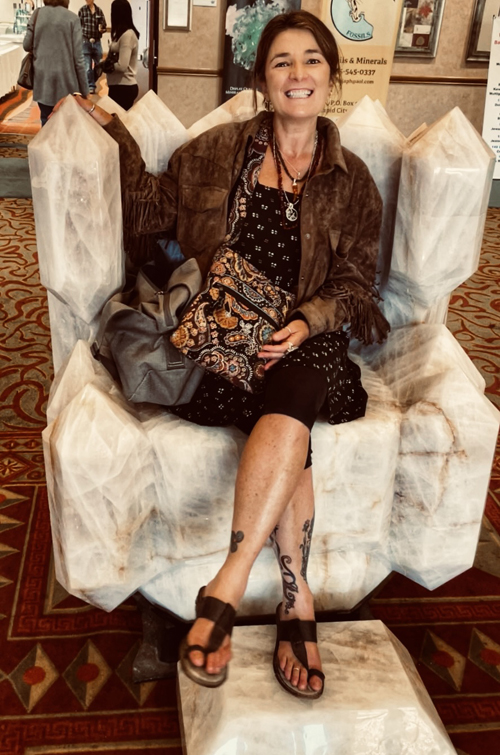
- Specialty Carvings and Fine Art: The level of craftsmanship displayed at these shows is staggering. Artisans from India, China, Brazil, and beyond bring meticulously hand-carved masterpieces—ranging from intricate Hindu deities sculpted from lepidolite to ethereal crystal thrones carved from solid milky quartz or rose quartz.
- Beads and Lapidary Supplies: For jewelry designers and wire-wrappers, the bead pavilions in Denver and Tucson offer endless aisles of semi-precious gemstone strands, cabochons, and raw metals, representing virtually every mineral species known to geology.
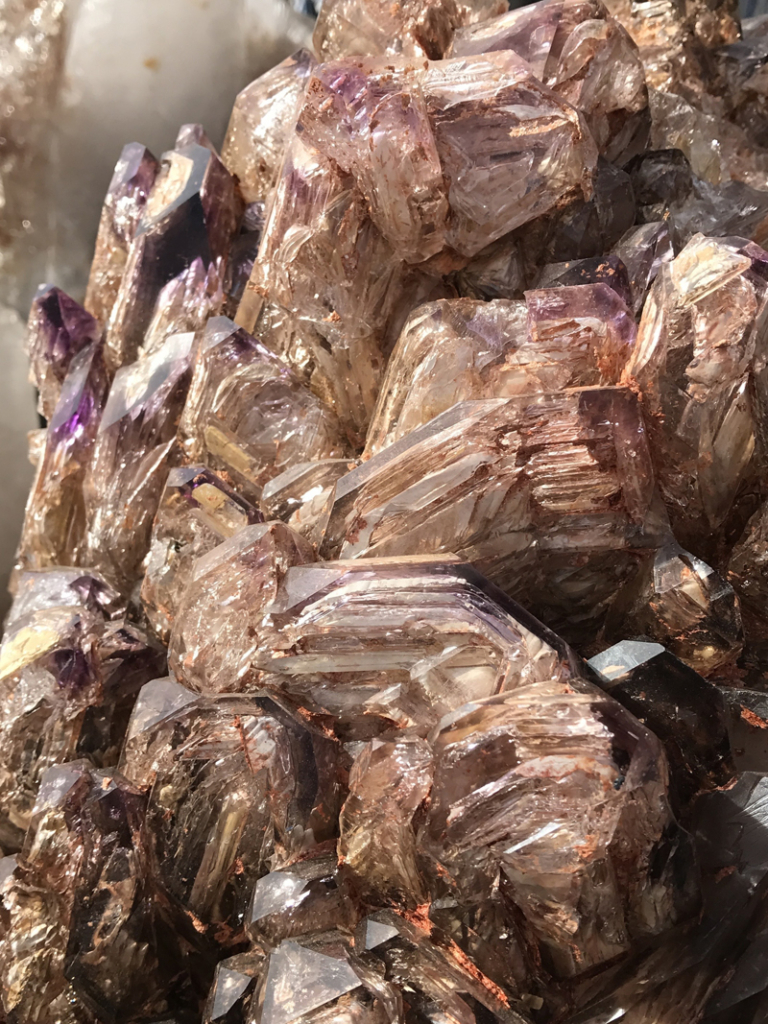
- Giant Lemurian and Elestial Formations: For advanced collectors, coming face-to-face with a multi-foot Lemurian seed crystal or a skeletal elestial amethyst packed with phantom layers and inner "worlds" is an unforgettable, almost transcendent experience.
Official Insights and Practical Guidance from Team HM
Preparing for a major gem show requires more than just curiosity; it demands tactical preparation. Crystal Coach Lisa’s video breakdown emphasizes several critical factors that every first-time attendee—and even seasoned veterans—must consider:

- Credential Verification (Wholesale vs. Retail): Many venues in Tucson and Denver are strictly wholesale-only during the opening days, requiring a valid tax ID or resale license to enter. However, a significant number of shows are open to the general public, particularly toward the tail end of the schedules or at designated retail pavilions.
- Logistics and Transportation: Tucson’s decentralized nature means attendees must navigate sprawling distances across the desert, often relying on rental cars or specialized shuttle services. Denver, conversely, offers a more consolidated primary hub with efficient transit connections, though satellite hotel shows still require localized travel.
- Physical Stamina and Gear: Walking miles of concrete floors, navigating hot desert tents (in Tucson), or managing high-altitude exertion (in Denver) takes a toll. Experienced attendees recommend comfortable footwear, rolling carts or backpacks for purchases, reusable water bottles, and structured daily itineraries.
- Budgeting and Shipping: The temptation to over-purchase is high when surrounded by thousands of exceptional specimens. Knowing international shipping regulations, freight forwarding options, and setting a firm budget prior to entering the exhibition halls can save buyers logistical headaches later.
Implications: The Cultural and Economic Impact of the Global Gem Trade
Beyond the personal joy of acquiring a new piece for an altar or jewelry collection, the Tucson and Denver gem shows carry profound economic and cultural implications for the global gemstone community.
Economic Sustenance for Global Artisans
These expositions serve as critical lifelines for artisanal miners, independent lapidary artists, and family-owned quarrying operations across developing nations in Africa, South America, Asia, and Eastern Europe. By cutting out excessive layers of corporate middlemen, direct-to-consumer and direct-to-retail transactions at Tucson and Denver inject vital capital directly into indigenous mining communities and traditional carving families.
The Intersection of Science and Spirituality
Moreover, these events foster a unique cross-pollination between hard science and metaphysical philosophy. Paleontologists, museum geologists, and academic researchers rub shoulders with energy healers, meditation practitioners, and spiritual teachers. This convergence encourages a holistic appreciation for Earth’s history—bridging the gap between the molecular crystallography of a mineral specimen and its perceived energetic resonance.
Fostering Community and Connection
Ultimately, whether sharing late-night conversations over local cuisine, participating in impromptu "pajama parties" with fellow crystal enthusiasts, or simply standing in quiet awe before a towering cathedral of amethyst, the attendees of the Tucson and Denver shows forge lifelong bonds. As HibiscusMoon notes, even for those who purchase very little, the immersive experience of soaking up the vibrant crystal energy and connecting with a like-minded tribe makes the journey an unforgettably transformative bucket-list adventure.
