

Introduction: The Journey Inward
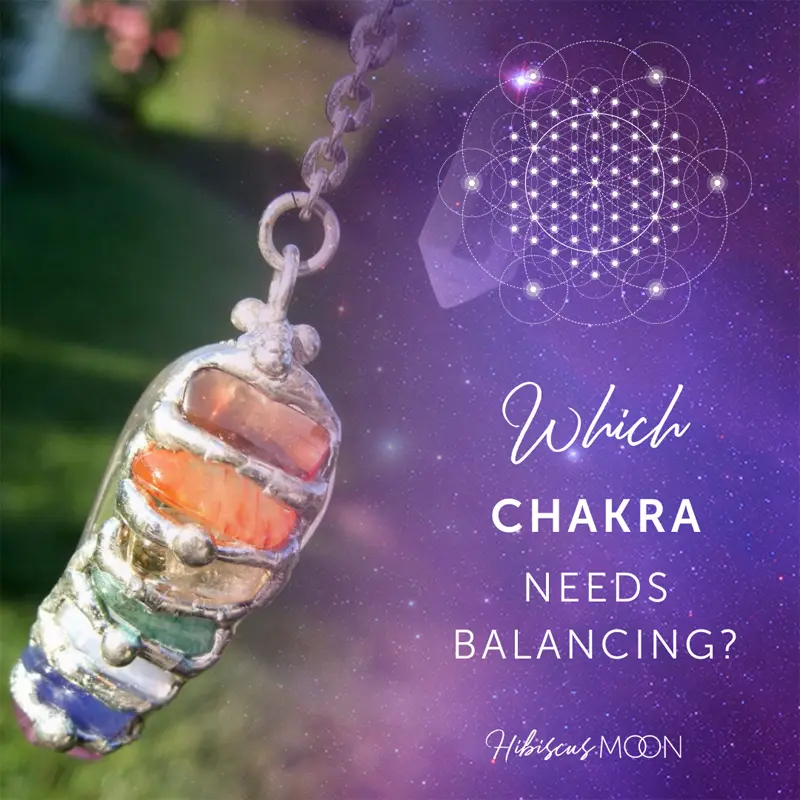
In the ever-expanding world of holistic wellness, energy healing, and crystal therapy, understanding the body’s subtle energy centers has become a cornerstone for personal transformation. Welcome to Part 2 of the definitive Chakra Series. In Part 1, we explored the fascinating intersection of physics, mineralogy, and ancient wisdom in The Science Behind Crystal Chakra Healing. Now, we turn our attention to the next logical step in your wellness journey: Which chakra actually needs balancing?
For those newly initiated into the realm of energy work, the human body is believed to house seven primary vortexes of energy, or chakras, stretching from the base of the spine to the crown of the head. When these wheels of energy spin harmoniously, we experience physical vitality, emotional stability, and spiritual alignment. However, modern life—marked by stress, environmental toxins, emotional trauma, and daily pressures—can cause these energy centers to become blocked, sluggish, or hyperactive.
Pinpointing the exact source of an energetic blockage can feel daunting. Fortunately, practitioners do not have to rely on guesswork. Through a combination of structured questionnaires, somatic self-awareness, specialized tools, and intuitive practices, anyone can learn to diagnose their energetic state. Below, we explore the four primary methodologies taught by leading crystal practitioners to accurately identify which chakra is calling out for alignment.
1. Taking a Chakra Self-Assessment Test
For beginners embarking on their energetic hygiene journey, structured online assessments and quizzes serve as an accessible entry point.
The Mechanics of Chakra Questionnaires
A well-designed chakra test typically consists of a series of targeted questions related to your current emotional state, physical health, behavioral patterns, and spiritual outlook. By evaluating how you respond to stressors and where your baseline mood resides, these quizzes map your answers against the known psychological and physiological domains of the seven chakras.
- Reliability and Accessibility: While internet quizzes vary in quality, established wellness platforms and certified holistic practitioners offer rigorously designed assessments. When utilized thoughtfully, these tests can act as an insightful mirror for your internal landscape.
- Taking Action: Once your assessment highlights a specific vulnerable chakra—such as an underactive Root Chakra manifesting as financial anxiety, or a blocked Throat Chakra revealing itself as a fear of public speaking—you can immediately select a corresponding healing crystal. For instance, pairing a grounding red jasper with the root center or a soothing sodalite with the throat center helps restore energetic flow.
2. Analyzing Glaring Physical and Emotional Symptoms
The human body possesses an innate intelligence, frequently communicating internal imbalances through physical ailments and emotional distress long before we consciously recognize them.
Mapping Symptoms to Energy Centers
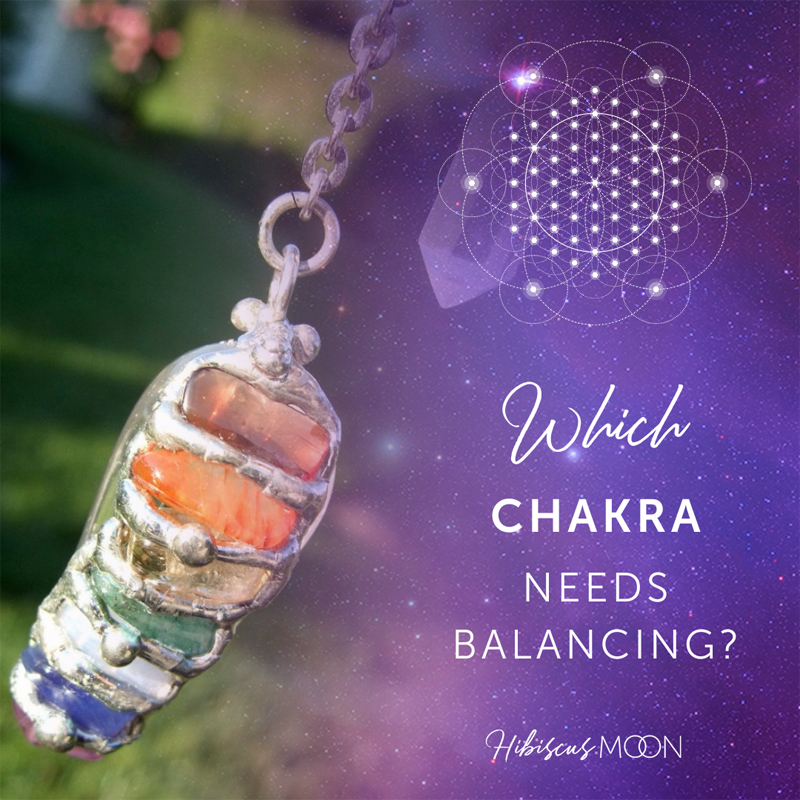
In holistic traditions, specific physical regions and psychological challenges correspond directly to individual chakras. However, energy practitioners issue an important caveat: A single symptom is rarely enough to diagnose a chakra imbalance. Instead, observers must look for a syndrome or cluster of related physical and emotional patterns.
- The Root Chakra (Muladhara): Located at the base of the spine, imbalances here may manifest physically as lower back pain, fatigue, or issues with the legs and feet. Emotionally, individuals often grapple with chronic survival fears, financial insecurity, or a general sense of feeling ungrounded.
- The Heart Chakra (Anahata): Situated in the center of the chest, a blocked heart center can present as tightness in the chest, circulatory issues, or respiratory vulnerabilities. On an emotional plane, it frequently reveals itself as an inability to forgive, fear of intimacy, or overwhelming grief.
- Recommended Reading: For those wishing to dive deeper into the psychosomatic connections of the energy body, foundational literature offers invaluable guidance. Experts frequently recommend classic texts such as Vibrational Healing Through the Chakras and The Crystal Healer as go-to references for linking specific ailments to targeted mineral remedies.
3. Energy Sensing: Moving Beyond the Physical
While quizzes and symptom-checking rely on intellectual analysis, advanced energy work invites practitioners to engage directly with the subtle energy field, or aura.
Demystifying Energy Sensing
Often cultivated in comprehensive professional training programs—such as a Certified Crystal Practitioner course—energy sensing teaches individuals to detect whether a chakra is depleted (underactive), congested (overactive), or spinning erratically.
Contrary to popular belief, these capabilities are not reserved exclusively for the "energetically gifted."
"These chakra balancing and sensing techniques are not limited to energetically gifted people. They are available to anyone willing to make a commitment to learning, spending the time to practice, and listening to the signs."
Working with Pendulums
For those beginning their tactile and visual energy-sensing journey, a pendulum is an invaluable diagnostic tool. A pendulum typically consists of a symmetrical crystal, metal, or wood object suspended from a chain or cord.
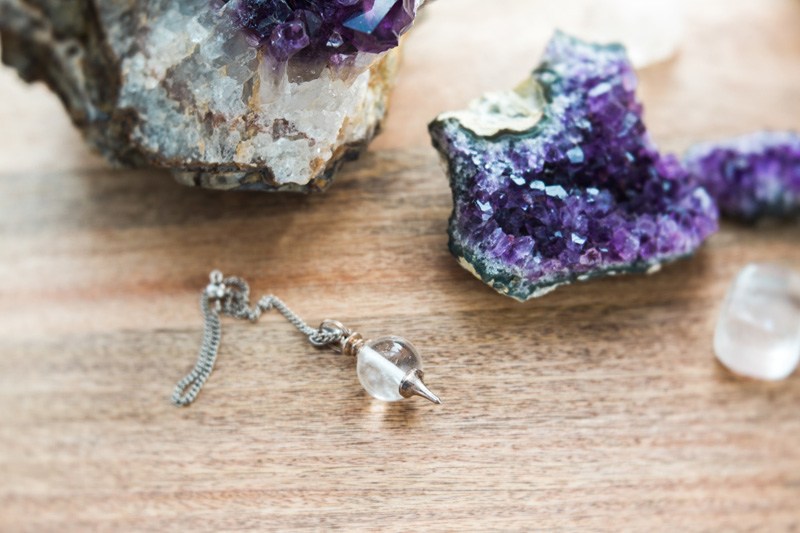
When held above a specific chakra point, the pendulum’s movement—whether it swings in a linear fashion, rotates clockwise, or spins counter-clockwise—acts as a visual indicator of the underlying energy flow. Beginners can easily learn basic pendulum dowsing techniques to map out their energetic blockages safely and effectively at home.
4. Tapping into Intuition and Clair-Senses
Intuition is often described as an inner knowing, a quiet voice, or an immediate somatic impression that bypasses logical deduction. In the context of chakra work, tapping into intuition allows practitioners to receive direct internal measurements of their energetic health.
The Spectrum of Clair-Senses
Intuitive perception often operates through specialized sensory channels known as the "clair" senses. While these gifts manifest naturally in some individuals, they can also be systematically developed over time:
- Clairvoyance ("Clear Seeing"): The ability to perceive energetic colors, symbols, or visual impressions associated with chakra blocks.
- Clairaudience ("Clear Hearing"): Receiving internal auditory messages, guidance, or tonal shifts that reflect energetic alignment.
- Clairsentience ("Clear Feeling"): Experiencing physical sensations, temperature changes, or emotional shifts in the body that mirror the state of another person’s or one’s own chakras.
- Claircognizance ("Clear Knowing"): An undeniable, sudden understanding of what a specific energy center requires without needing external verification.
The Muscle Analogy of Intuition
Like any physical muscle, intuition requires consistent exercise to maintain strength. When ignored or dismissed, intuitive faculties atrophy; when actively engaged through meditation, journaling, and mindful reflection, they grow exponentially. Many alumni of professional crystal healing academies discover latent intuitive talents they never knew they possessed, simply by dedicating themselves to structured practice.
The Chakra Balancing Combo: Achieving Consensus
For those who find themselves torn between multiple potential diagnoses, or for individuals who prefer absolute validation, experts recommend a multi-faceted approach known as the Chakra Consensus Method.
When to Combine Techniques
Utilizing two or three diagnostic methods simultaneously is particularly beneficial if:

- You experience ambiguous or borderline results from an online quiz.
- Your physical symptoms overlap across multiple adjacent chakras.
- You wish to cross-verify intuitive impressions with physical or mechanical tools like a pendulum.
How it Works: If you test yourself using a chakra quiz, cross-reference those findings with a physical symptom checklist, and then verify the results using a pendulum, you create a triangulation of data. Should two methods point toward an imbalanced Sacral Chakra while a third points elsewhere, trust the majority consensus. Over time, this iterative practice sharpens your internal awareness to the point where you will "just know" your energetic status without needing formal testing tools.
Conclusion and Future Outlook
Identifying an imbalanced chakra is the vital first step toward restoring holistic equilibrium. By integrating self-assessment tools, symptom analysis, energy-sensing practices like pendulums, and intuitive development, anyone can master the art of reading their own subtle energy body.
As practitioners commit to this inner work, the once-mysterious language of the chakras transforms into a clear, reliable guide for lifelong wellness. In the upcoming installment of this comprehensive series, we will transition from diagnosis to application, exploring the precise techniques required to utilize healing crystals to restore harmony to your energy centers.
