

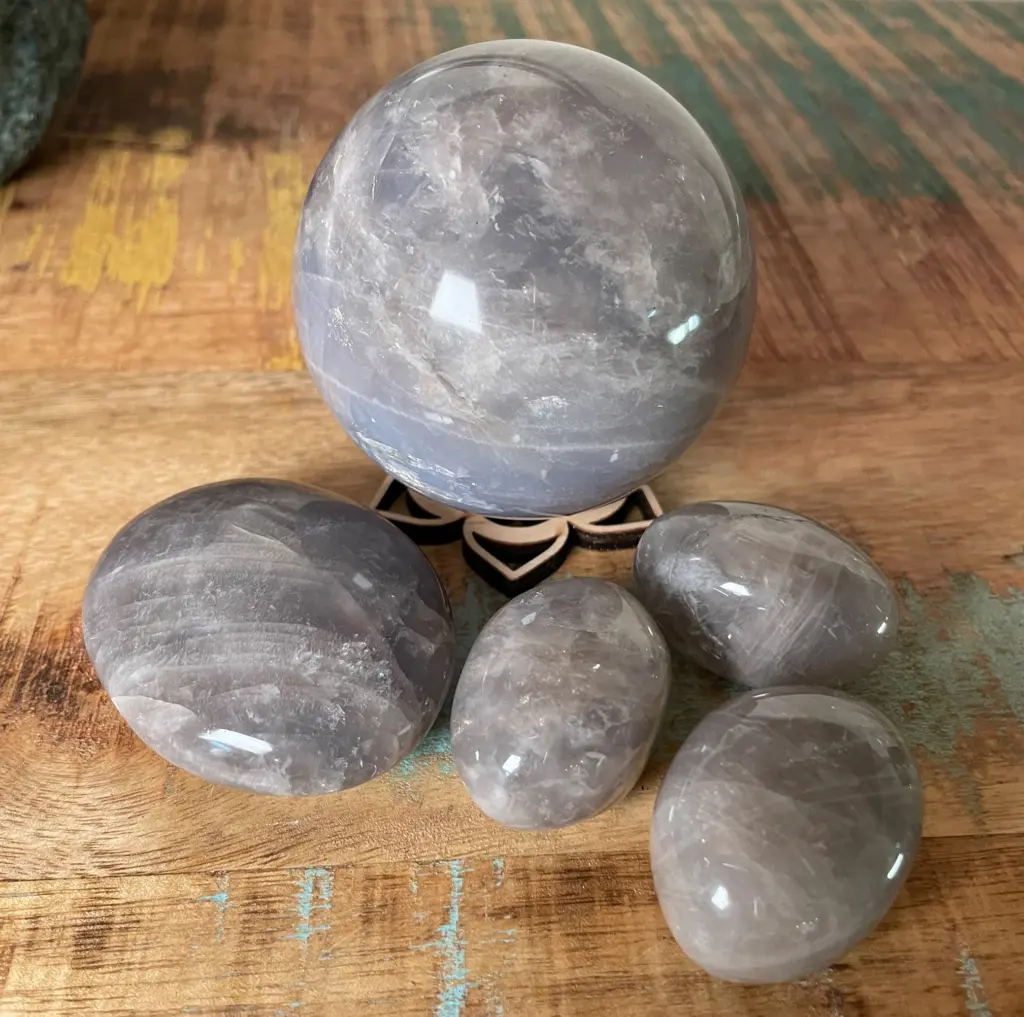
LOS ANGELES — In the ever-expanding global crystal and wellness market, a new trend has surfaced, bringing with it a wave of confusion, inflated price tags, and geological sleight of hand. Industry experts, gemologists, and long-standing educators are sounding the alarm over the proliferation of "Blue Rose Quartz"—a marketing buzzword for what mineralogists and experienced crystal practitioners identify as a clever rebranding of low-grade quartz or treated stones.
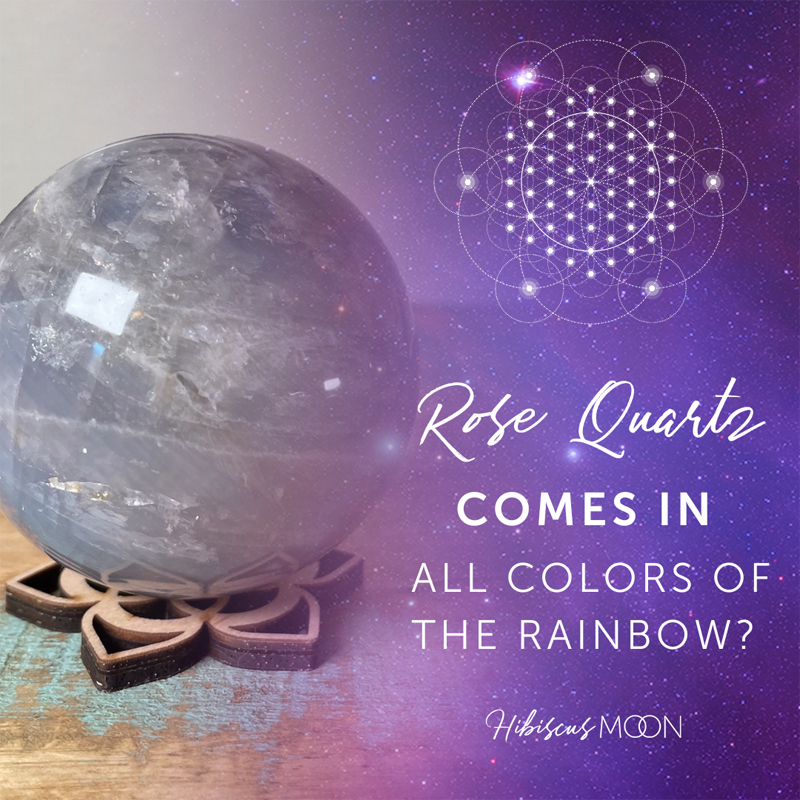
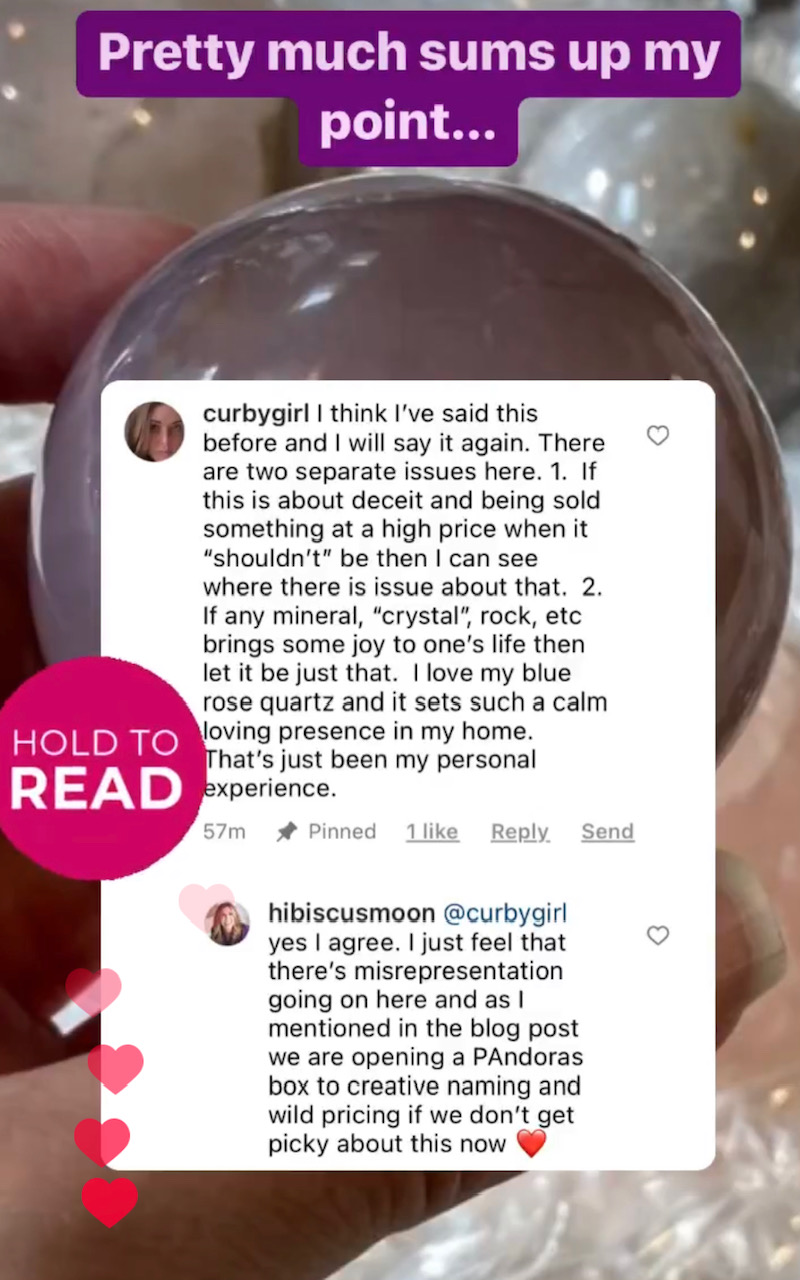
As consumers increasingly turn to crystals for holistic wellness, interior aesthetics, and spiritual practices, the line between authentic mineralogy and speculative marketing has blurred. For seasoned educators like Crystal Academy founder and former science department head Hibiscus Moon, this trend represents a broader, systemic issue within the metaphysical community: the renaming of abundant, lower-quality minerals with ethereal, high-ticket monikers to maximize profit margins at the expense of an uninformed public.
Main Facts: What Is "Blue Rose Quartz"?
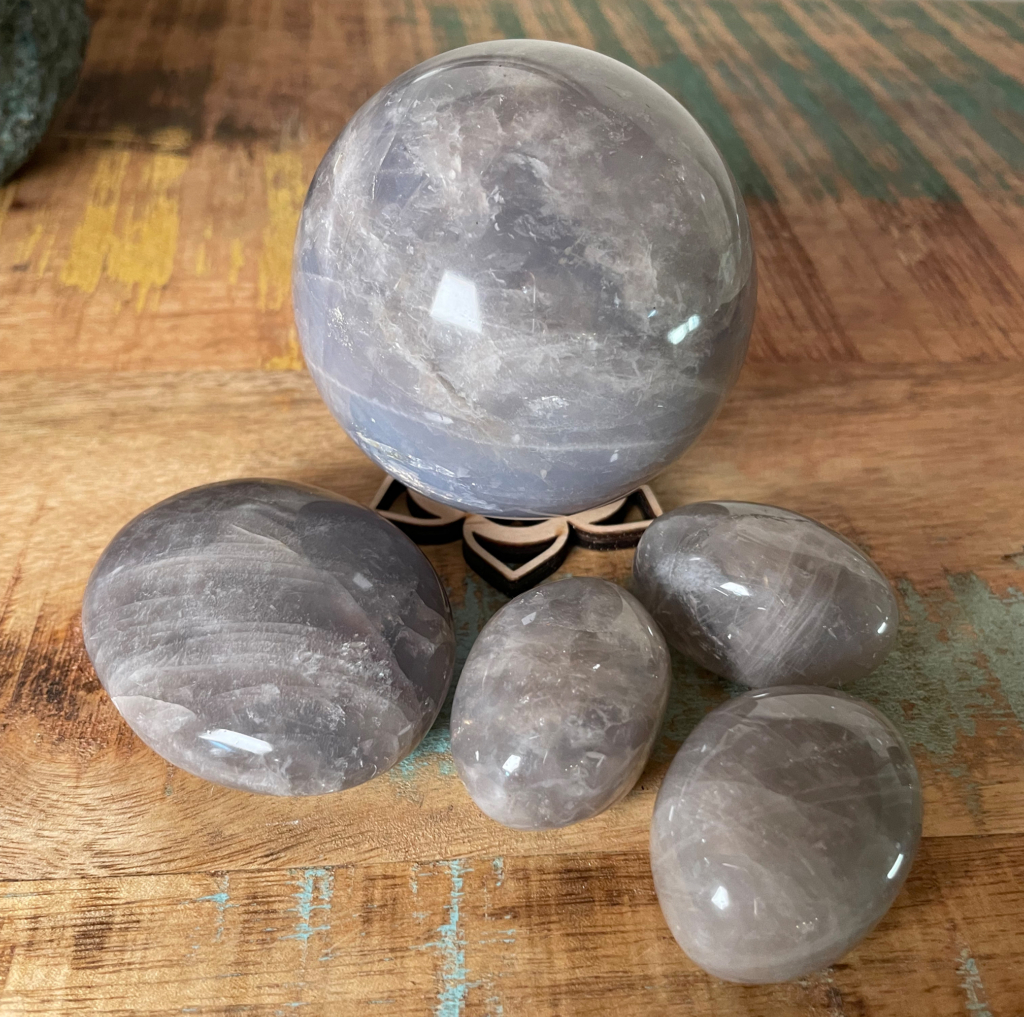
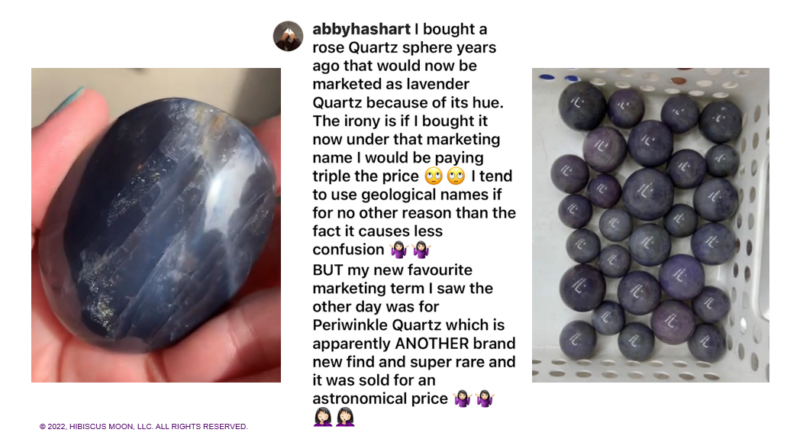
The core controversy centers around stones appearing on the market under names such as "Blue Rose Quartz," "Lilac Rose Quartz," "Lavender Rose Quartz," and even "Black and Blue Rose Quartz." Vendors frequently advertise these specimens as rare, high-grade variants originating from regions like Madagascar.
However, geological reality tells a different story:
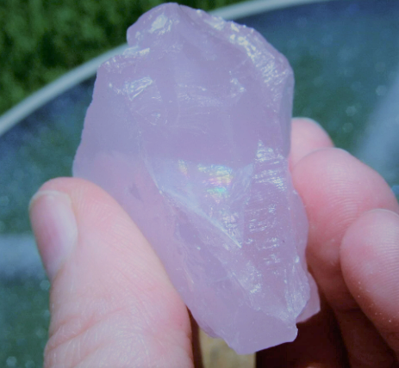
- Mineralogical Definition: True rose quartz is definitively pink. Its coloration is scientifically attributed to microscopic, fibrous inclusions of a mineral closely related to dumortierite within the macrocrystalline quartz structure.
- The "Blue" Anomaly: If a quartz specimen does not display a natural pink hue to the naked eye, it cannot scientifically or mineralogistically be classified as rose quartz.
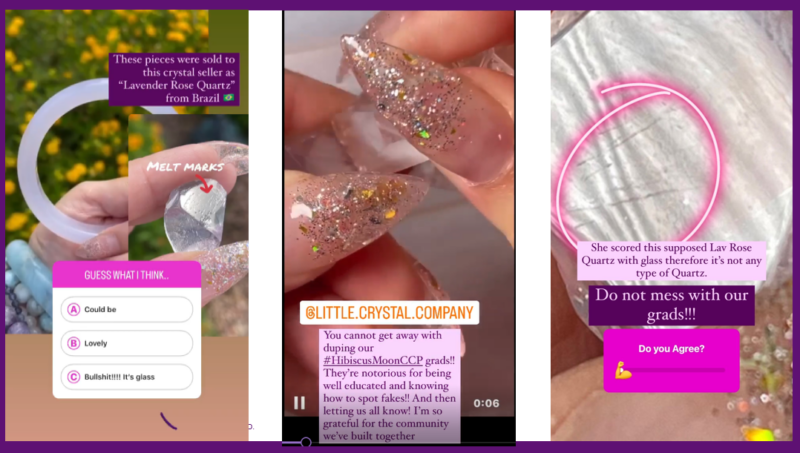
- Alternative Explanations: Mineral testing and geological assay reports—such as those conducted by specialized entities like Little Lemuria—reveal that many of these trendy stones are actually forms of low-grade milky quartz, opalized quartz (sometimes referred to as Girasol), or low-grade amethyst subjected to specific thermal or environmental conditions.
- The Pricing Discrepancy: Historically, low-grade, hazy, or off-color quartz varieties were relegated to the bottom tiers of wholesale grading systems (akin to a "D" grade) and sold cheaply. Under the new spiritual marketing umbrellas, these same abundant materials are being sold at premium prices.
Chronology: How the Trend Emerged and Spread
The lifecycle of the "Blue Rose Quartz" phenomenon highlights how quickly modern social media and digital marketplaces can propel a misrepresentation into a global trend.
- Early 2000s—The Foundation of Industry Standards: For decades, wholesale gem and mineral markets utilized informal grading systems (ranging from AAA down to D) to assess clarity, color saturation, and structural integrity. Pale, hazy, or off-color quartz and amethyst specimens were universally recognized and priced as low-grade inventory.
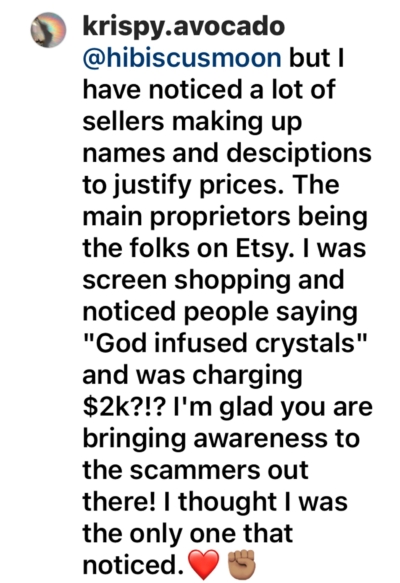
- Late 2010s—The Rise of Digital Crystal Retail: As platforms like Etsy and Instagram transformed the retail landscape, individual sellers gained direct access to global consumers. This era saw an increase in creative, esoteric naming conventions designed to appeal to spiritual buyers rather than geology enthusiasts.
- 2020–2022—The "Blue Rose Quartz" Wave: A sudden influx of inventory labeled as "Blue Rose Quartz from Madagascar" began flooding online storefronts. Certified Crystal Practitioner (CCP) students and independent collectors flooded mineral educators with inquiries regarding the authenticity and energetic properties of this "new discovery."
- Late 2022—Community Pushback and Investigation: Prominent crystal educators, backed by mineral-testing initiatives from independent shops like Little Lemuria and the Little Crystal Company, began publishing geological breakdowns, disproving the existence of a true blue variety of rose quartz, and calling out the marketing tactics behind the trend.
Supporting Data and Scientific Analysis
To understand why "Blue Rose Quartz" is a misnomer, one must examine the geological processes that create these visual effects.
The Girasol Effect and Thermal Alteration
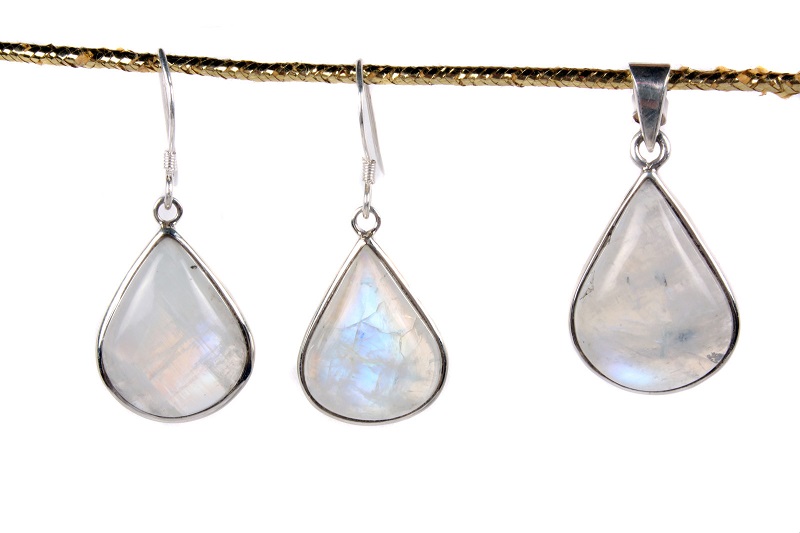
Some stones marketed under the blue banner exhibit a milky, translucent glow with a bluish-white sheen. In mineralogy, this optical phenomenon is known as the girasol effect—a floating, shimmering light reflection caused by light scattering off tiny internal structures, water droplets, or inclusions. This effect is naturally present in minerals like moonstone and certain opals.
Furthermore, laboratory experiments demonstrate that low-grade amethyst or milky quartz heated beyond 932°F (500°C) can lose its original lilac or purple pigmentation, bleaching out while trapping microscopic water droplets that yield an opal-like, milky appearance. In some cases, vendors utilize this thermally altered material to coin terms like "neon blue quartz."
Mineral Testing Results
Dedicated independent retailers have taken the step of submitting these disputed stones for professional mineralogical testing. Assay reports have consistently confirmed that the material lacks the specific structural inclusions characteristic of authentic rose quartz, aligning instead with standard silicon dioxide ($textSiO_2$) quartz matrices possessing low-grade clarity and altered optical properties.
Official Responses and Industry Perspectives
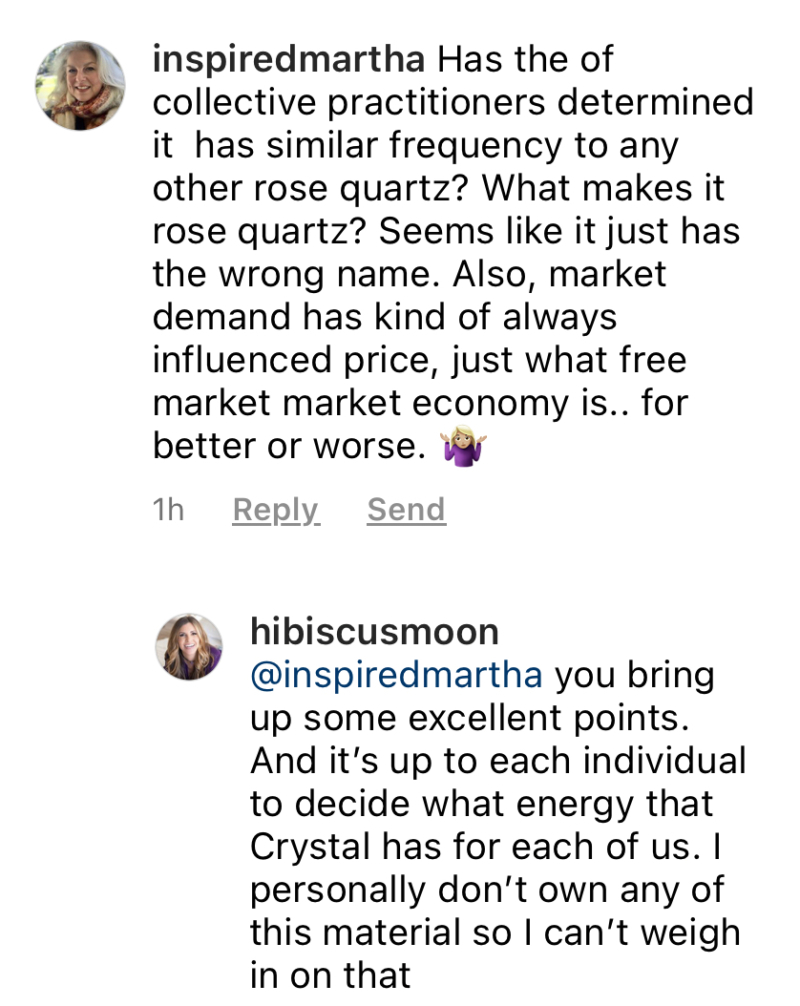
The community response has been marked by a sharp divide between profit-driven retail strategies and education-first mineral advocacy.

- The Educators’ Stance: Educators emphasize that calling out these misrepresentations is not an indictment of the stones’ energetic or aesthetic value. Many practitioners note that lower-grade quartz can still provide deep personal joy and resonant energy in metaphysical practices. The objection lies squarely in transparency and pricing ethics—specifically, renaming abundant, inexpensive minerals to justify inflated costs.
- The Retailer Dilemma: While some sellers unknowingly pass along names provided by international wholesalers, others deliberately adopt spiritual nomenclature to bypass traditional grading transparency. Conversely, a growing cohort of certified practitioners and independent shop owners are actively auditing their own inventories, publishing assay reports, and educating their customer bases on proper mineral nomenclature.
- The Call for Self-Regulation: With legacy educators stepping back from active daily oversight, industry leaders are passing the torch to the broader "Crystal Family"—a community of trained practitioners tasked with maintaining ethical standards, demanding verifiable sourcing, and policing misleading online listings without resorting to targeted harassment or hostility.
Implications for Consumers and the Wellness Market
The "Blue Rose Quartz" phenomenon carries several significant takeaways for buyers, collectors, and wellness practitioners:

- Economic Impact: Consumers risk overpaying for abundant, low-grade minerals marketed under false pretenses of extreme rarity.
- Erosion of Trust: Persistent misrepresentations threaten to create widespread skepticism within the wellness community, making it harder for honest, education-focused vendors to build long-term credibility.
- The Importance of Mineral Literacy: Experts stress that the best defense against market trickery is education. Buyers are encouraged to look past poetic marketing names, investigate the geological background of their purchases, and rely on critical thinking rather than taking vendor descriptions at face value.
As the crystal market continues to evolve, the lesson of "Blue Rose Quartz" remains clear: in the intersection of commerce and metaphysics, buyer awareness and scientific literacy are the ultimate safeguards against paying a premium for a clever label.
