


Introduction: The Ultimate Pilgrimage for Crystal Enthusiasts
For mineralogists, lapidary artists, holistic practitioners, and casual rockhounds alike, attending one of North America’s premier gem and mineral expositions is more than just a vacation—it is a bucket-list pilgrimage. Every year, tens of thousands of enthusiasts, curators, and commercial buyers descend upon two major American epicenters: Tucson, Arizona, and Denver, Colorado. These massive conventions represent the pinnacle of the global crystal trade, drawing vendors, miners, and artisans from every corner of the earth.
Yet, navigating the sheer scale of these events can be an overwhelming endeavor. Understanding the distinct character, logistics, and offerings of each show is vital for anyone planning to transition from a weekend hobbyist to a seasoned gem show attendee. To demystify the experience, Team HM member Lisa D’Arrigo has put together a comprehensive video breakdown comparing the two colossal events. But before diving into the logistics, one fundamental truth remains paramount: at their core, these gatherings are all about the crystals, crystals, and more crystals.
Main Facts: The Anatomy of the Big Two Gem Shows
To appreciate what happens when the global gem community gathers, one must first examine the two heavyweight champions of the industry: the Tucson Gem, Mineral & Fossil Showcase and the Denver Gem & Mineral Show.
While both events serve as international marketplaces for geological specimens, fossils, lapidary rough, and finished crystal jewelry, they operate under vastly different geographical footprints and seasonal timelines.
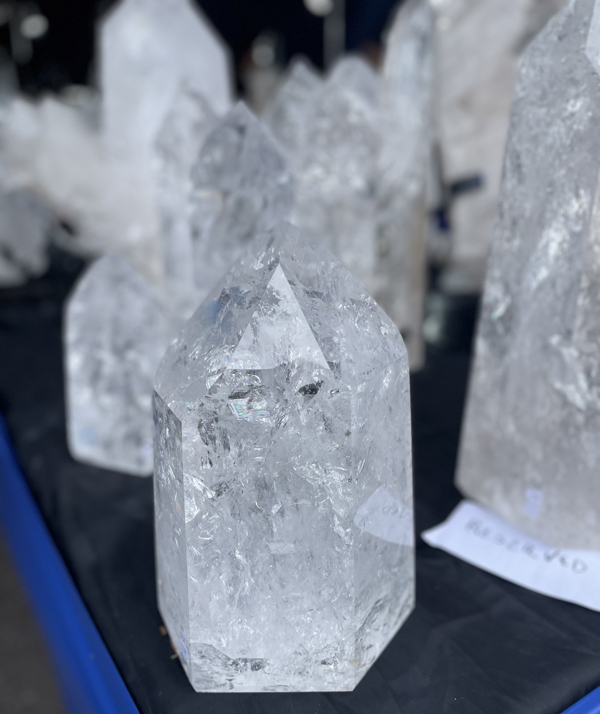
- The Tucson Gem, Mineral & Fossil Showcase: Spanning nearly the entire month of February, the Tucson event is not just a single show, but a city-wide phenomenon. More than 40 individual shows pop up simultaneously in hotel ballrooms, convention centers, tents, and vacant lots across the city. It is widely considered the largest gem and mineral event in the world.
- The Denver Gem & Mineral Show: Typically held in the autumn, the Denver showcase offers a slightly more consolidated yet remarkably expansive experience. Set against the backdrop of the Rocky Mountains, the Denver show serves as a major hub for western mining specimens, Colorado-sourced minerals, and an incredible array of international wholesale and retail booths.
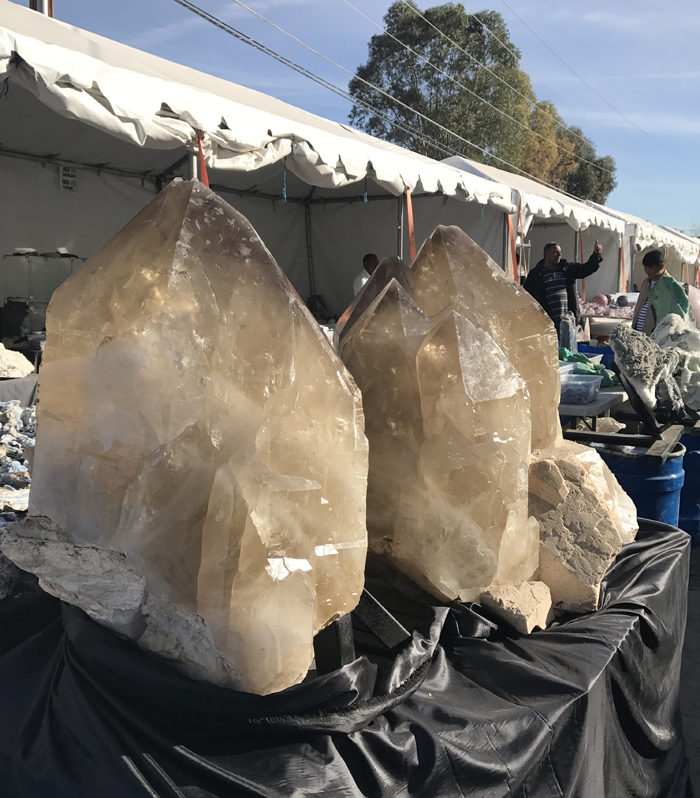
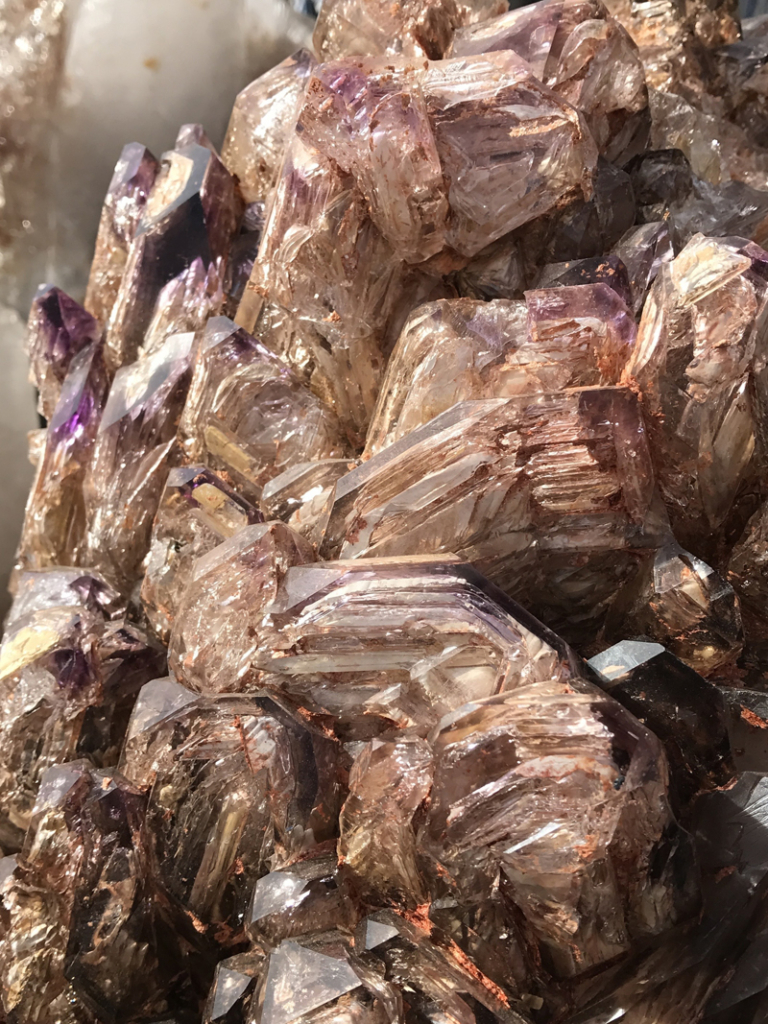
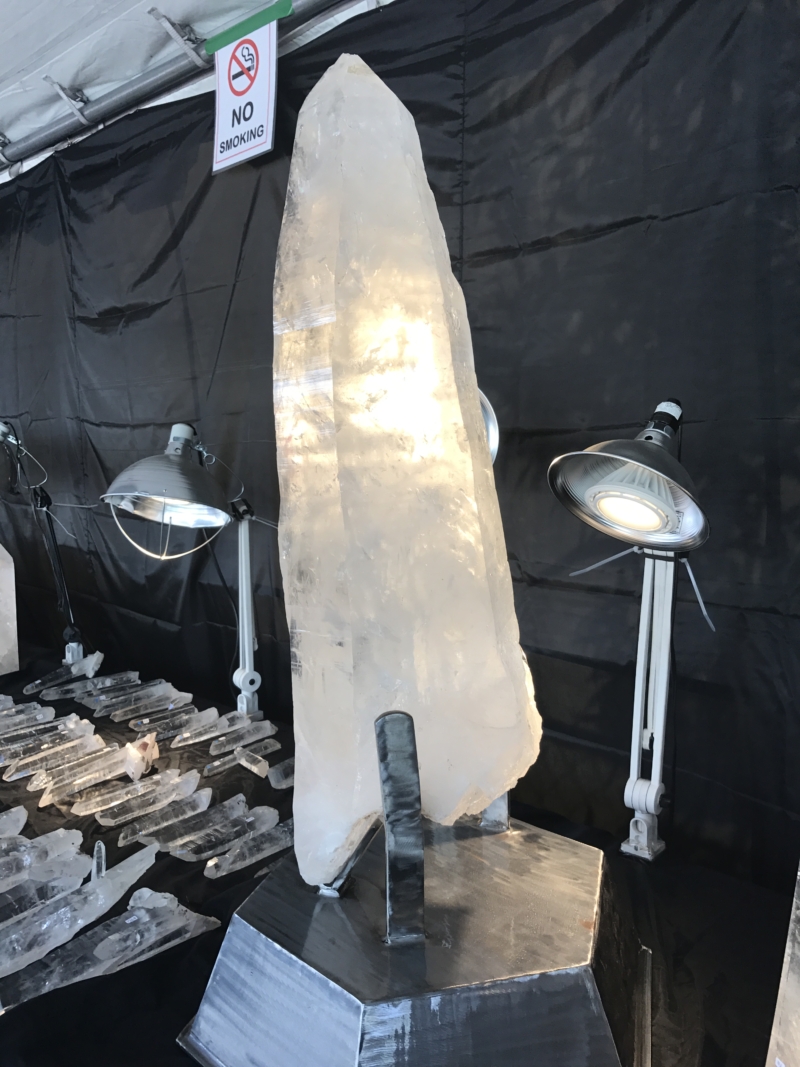
Both venues offer attendees the rare opportunity to come face-to-face with museum-quality specimens—ranging from towering Fire and Ice Quartz clusters to massive Smokey Quartz Earth Keepers and intricately carved gemstone statues.
Chronology: A Season of Stones from Autumn to Late Winter
The annual calendar of the crystal world follows a distinct seasonal rhythm, dictated by mining seasons, weather patterns, and international shipping logistics.
Fall: The Kickoff in the Rockies
The major U.S. gem show season traditionally swings into high gear during the autumn months with the Denver Gem Show. As the summer heat breaks, international dealers arrive in Colorado to unload new finds harvested during the spring and summer mining windows across South America, Africa, Asia, and Europe. For attendees, Denver acts as an essential early-season preview, allowing jewelry designers and metaphysical shop owners to secure inventory ahead of the holiday shopping rush. The atmosphere is crisp, energetic, and heavily focused on wholesale networking alongside vibrant retail displays.
Winter: The Grand Finale in the Desert
By the time February rolls around, the focus shifts entirely to the Sonoran Desert. The Tucson Showcase represents the culmination of the global mineral trade year. Miners arrive directly from international operations—having spent the winter months processing rough material—ready to sell wholesale parcels and jaw-dropping display pieces. Over the course of several weeks, Tucson transforms into a bustling international bazaar where deals worth millions of dollars are struck in hotel rooms and sprawling white tents under the desert sun.
Supporting Data: The Scale, Variety, and Wonders of the Floor
The sheer volume of geological material passing through these exhibitions defies easy description. Statistical and observational data from the show floors highlight the massive economic and cultural footprint of these events:
- Geographic Reach: Vendors represent dozens of countries, including Madagascar, Brazil, India, China, Pakistan, and Morocco, bringing authentic, locally sourced minerals directly to American buyers.
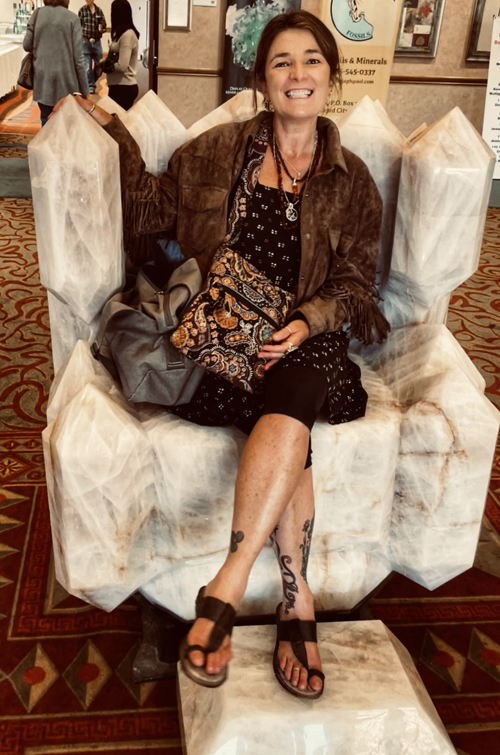
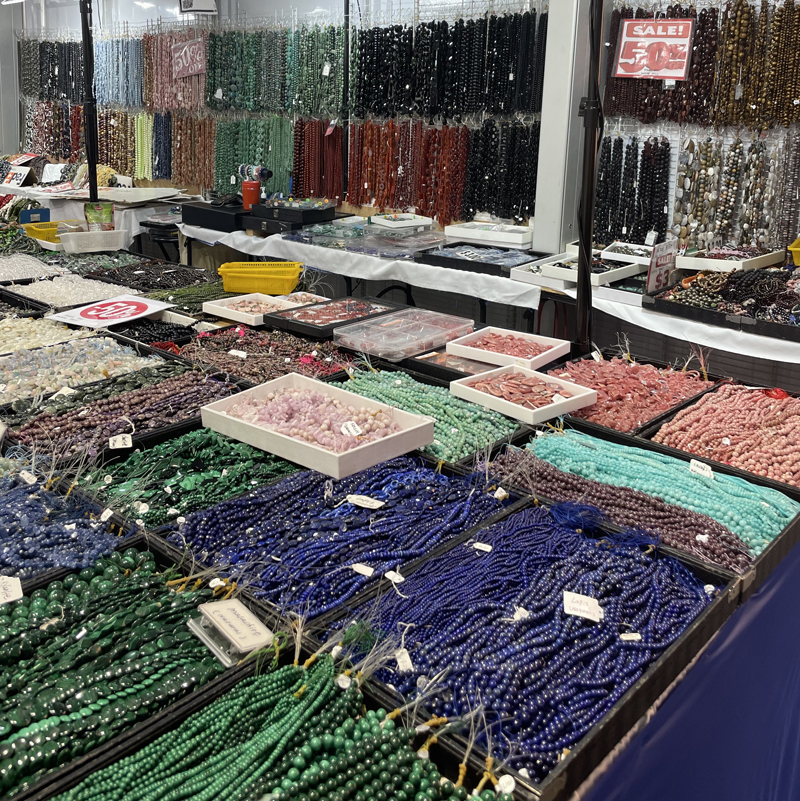
- Diversity of Offerings: Inventory spans raw mineral specimens, micro-minerals for scientific study, fossilized dinosaur remains, metaphysical tools (such as crystal grids, singing bowls, and crystal thrones), and millions of gemstone beads designed for jewelry artisans.
- Iconic Quartz Varieties: Clear quartz, smoky quartz, amethyst, and specialized formations like Elestial quartz and Lemurian seed crystals dominate the exhibition floors. Clear quartz, celebrated for its abundance and optical clarity, remains the cornerstone of both scientific applications and holistic crystal healing practices. Large-scale installations—such as massive Milky Quartz thrones and towering crystal cathedrals—frequently serve as centerpieces for attendee photography and energetic engagement.
Expert Insights and Strategic Guidance
Choosing which show to attend—or deciding how to tackle both—requires careful planning. In her exclusive video breakdown, Crystal Coach Lisa D’Arrigo provides essential guidance for navigating these sprawling marketplaces effectively.

Watch the Expert Breakdown
For a detailed visual comparison between the Tucson and Denver experiences, watch Lisa’s official guide below:
<iframe title="Gem Show Comparison with Crystal Coach Lisa" width="1200" height="675" src="https://www.youtube.com/embed/m5MHDxI7kjM?feature=oembed" frameborder="0" allow="accelerometer; autoplay; clipboard-write; encrypted-media; gyroscope; picture-in-picture" allowfullscreen></iframe>Key Considerations Before Attending a Gem Show
Whether you are a first-time visitor or a seasoned veteran, keeping these core strategies in mind will ensure a successful trip:
- Define Your Purpose: Are you shopping for wholesale inventory to support a crystal business, hunting for rare collector specimens, or simply soaking up the vibrant energetic vibes? Your goal will dictate which specific shows or tents you should visit.
- Wear Practical Footwear: You will easily log 10,000 to 20,000 steps a day across concrete floors, gravel lots, and carpeted hotel corridors. Comfort must always take precedence over fashion.
- Bring the Right Gear: Pack a sturdy backpack, a rolling cart (for heavy purchases), reusable water bottles, cash for cash-only vendors, and business cards if you are buying wholesale.
- Pace Yourself: The sensory overload of thousands of glowing crystals, intense mineral energy, and persuasive vendors can lead to "gem fatigue." Take frequent breaks to ground yourself.
Implications: The Cultural and Economic Impact of the Gem Trade
Beyond the immediate thrill of shopping, large-scale gem shows carry profound economic and cultural implications for local host cities, international mining communities, and the broader wellness industry.
Economic Stimulus for Host Cities
Events like the Tucson Showcase inject tens of millions of dollars into the local hospitality, restaurant, and tourism sectors annually. Hotels book out months in advance, and local transportation networks operate at peak capacity to move visitors between dozens of disparate venues scattered across the desert metropolis. Similarly, Denver’s autumn events provide a major seasonal boost to Colorado’s hospitality and convention economies.

Ethical Sourcing and Global Connectivity
As consumer awareness grows, questions surrounding the ethical extraction of crystals and minerals have taken center stage. Gem shows increasingly serve as forums where buyers can engage directly with miners and family-owned operations, fostering greater transparency regarding fair labor practices, environmental stewardship, and sustainable mining techniques around the globe.
The Rise of Crystal Consciousness
The popularity of these shows reflects a broader cultural renaissance surrounding earth sciences, meditation, and holistic well-being. Crystals are no longer viewed merely as industrial commodities or static museum artifacts; they are embraced as interactive tools for personal growth, artistic expression, and environmental appreciation.
Conclusion: A Feast for the Eyes and Spirit
Whether you find yourself marveling at the intricate, otherworldly geometry of an Elestial Smoky Amethyst, standing in awe before a towering Lemurian seed crystal, or simply sharing a joyful moment with fellow crystal lovers on the convention floor, attending a major gem show is an unforgettable experience.
Even for those who purchase very little, the opportunity to immerse oneself in the rich history, dazzling variety, and grounding energy of the mineral kingdom makes the journey entirely worthwhile.
Have you ever attended the Tucson or Denver Gem Shows? Is visiting one of these legendary events currently sitting on your personal bucket list, or are you ambitious enough to plan trips to both? Share your thoughts, stories, and crystal dreams in the comments below!
Crystal Blessings,

— Hibiscus Moon
