

By: Global Wellness & Investigative Desk
Published: October 2023
Main Facts
The global fascination with crystals, minerals, and metaphysical healing tools has reached an unprecedented peak over the last decade. Once confined to specialty occult shops and niche holistic circles, the crystal market has blossomed into a multi-billion-dollar mainstream industry. From quartz towers gracing office desks to amethyst clusters integrated into modern home interior design, the demand for Earth’s geological treasures has never been higher.
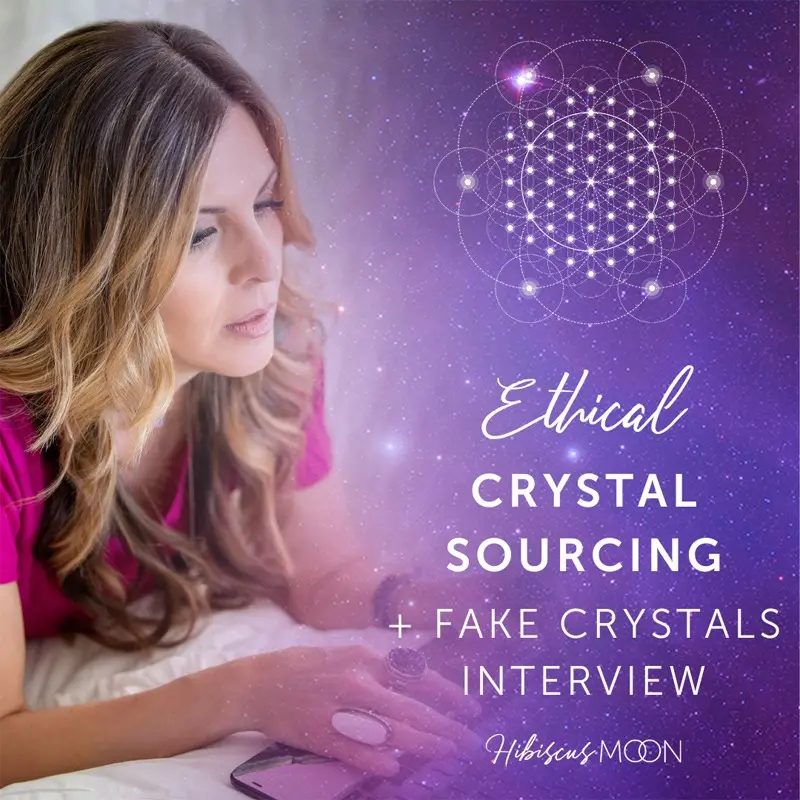
However, beneath the aesthetic appeal, vibrant colors, and purported metaphysical energies lies a complex, often opaque supply chain. A recent high-profile live broadcast hosted by renowned crystal expert Hibiscus Moon alongside guest Barbie—widely known in digital spaces as "Cold Brew Barbie"—brought this critical issue back into the spotlight. The discussion tackled what many in the wellness community regard as an "inconvenient truth": the ethical implications of how crystals are mined, transported, and sold.
At the core of the ethical crystal sourcing debate are several glaring realities:
- Labor Conditions: A significant portion of the world’s raw crystals is mined in developing nations where labor laws are lax or poorly enforced. This frequently exposes workers—including children—to dangerous conditions, subterranean hazards, and toxic materials without adequate protective gear.
- Environmental Degradation: Industrial and artisanal mining operations can cause severe ecological damage, including deforestation, soil erosion, habitat destruction, and water source contamination from heavy metals and chemical processing agents.
- Economic Inequality: The vast majority of profits generated by the retail crystal market flow to distributors and retailers in affluent Western nations, leaving local miners and mining communities in a cycle of poverty.
- Transparency Deficit: Unlike the diamond industry, which faces stringent regulations like the Kimberley Process (despite its own criticisms), the colored gemstone and mineral specimen markets lack standardized global oversight, making "fair trade" and "conflict-free" certifications difficult to verify.
Chronology
To understand how the modern crystal market arrived at its current ethical crossroads, it is necessary to examine the historical trajectory of the industry:
- Pre-2000s (The Niche Era): The trade of crystals and gemstones for metaphysical purposes was largely localized. Sourcing was driven by small-scale importers who frequently traveled directly to mines or local markets in countries like Brazil, India, and Madagascar. The volume was low, and consumer awareness regarding mining conditions was virtually non-existent.
- The 2010s (The Wellness Boom): Fuelled by social media platforms such as Instagram and Pinterest, crystals transitioned from niche esoteric items into lifestyle accessories. Major lifestyle influencers, celebrities, and wellness brands popularized crystal healing, driving demand up exponentially. Supply chains struggled to adapt, shifting from artisanal extraction to larger, more intensive industrial harvesting.
- 2020–2022 (The Pandemic Surge): During the global COVID-19 pandemic, interest in home wellness, mindfulness, and alternative therapies skyrocketed. Online crystal shops experienced record-breaking sales. Concurrently, investigative journalism and ethical advocates began shining a harsher light on the dark side of the mineral trade, drawing parallels to "blood diamonds."
- Present Day (The Reckoning and Education Phase): Industry leaders, educators like Hibiscus Moon, and conscious creators are actively challenging consumers and retailers to look past the marketing gloss. Discussions centered on supply chain transparency, traceability, and mindful purchasing are transitioning from whispered concerns to mainstream industry dialogues.
Supporting Data
While precise macroeconomic data for the holistic crystal market is notoriously difficult to pin down—largely due to the overlap between industrial mineral mining, gemstone trades, and the metaphysical sector—available figures highlight the scale of the issue:
- Global Market Valuation: Industry analysts estimate that the global healing crystals market alone is worth over $1 billion annually, while the broader colored gemstone and mineral specimen trade accounts for tens of billions of dollars.
- Source Nations: The top exporters of raw crystal specimens include Brazil (known for amethyst and quartz), Madagascar (renowned for labradorite, rose quartz, and ocean jasper), India (a hub for zeolites and quartz), China (a massive processing and carving center), and the Democratic Republic of Congo (a primary source for malachite, tourmaline, and cobalt-associated minerals).
- Worker Demographics: According to estimates by international labor organizations regarding artisanal and small-scale mining (ASM) sectors—which account for a substantial percentage of global mineral extraction—up to 15% of the workforce in certain developing regions consists of women and children working in informal, unregulated environments.
- Carbon and Ecological Footprint: Transporting delicate minerals thousands of times across oceans—from rough extraction sites to processing hubs (frequently in China or India) and finally to retail shelves in North America and Europe—generates a considerable carbon footprint, further complicating the "eco-friendly" marketing claims often associated with natural products.
Official Responses
As consumer pressure mounts, stakeholders across the supply chain have begun responding to allegations of unethical practices, though reactions vary widely:
The Retailer and Wholesaler Perspective
Many independent metaphysical shop owners argue that achieving 100% ethical transparency is nearly impossible given the multi-tiered nature of the global gem trade. Wholesalers often purchase mixed lots from international trade shows where tracing a mineral back to a specific mine, let alone verifying the labor conditions of the diggers, is logistically prohibitive. However, a growing faction of boutique retailers has responded by establishing direct trade relationships. These businesses bypass traditional middlemen, visiting mines personally to ensure fair compensation and safe working standards for local extractors.
The Educator and Advocate Stance
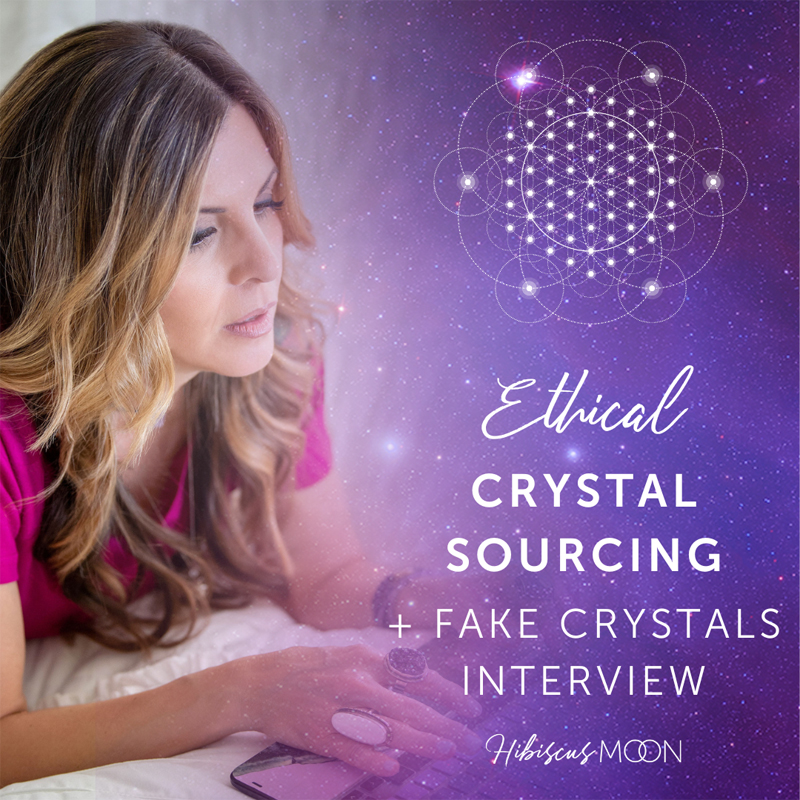
During their live broadcast, Hibiscus Moon and Cold Brew Barbie emphasized that becoming educated is the first step toward meaningful reform. Rather than calling for an outright boycott of crystals—which could devastate the economies of communities that rely entirely on mining for survival—advocates promote mindful consumerism. This involves asking retailers tough questions: Where was this mined? Who extracted it? What do we know about the supply chain?
Regulatory and Certification Bodies
To date, there is no universally accepted certification body for metaphysical crystals equivalent to fair-trade coffee or organic food labels. While several private enterprises and independent dealers have attempted to create proprietary "ethical seals," the lack of standardized international legislation leaves these efforts vulnerable to "greenwashing." International human rights organizations continue to lobby for broader supply chain due diligence laws—such as those emerging in the European Union—to compel importers to trace minerals back to their point of origin.
Implications
The conversation surrounding ethical crystal sourcing extends far beyond economics and labor laws; it strikes at the philosophical heart of the wellness movement itself.
1. The Ethical Paradox of Healing Tools
For practitioners of crystal healing, the foundational belief is that stones carry positive, high-vational energy derived from the Earth. A profound philosophical contradiction arises when consumers use crystals for meditation, self-care, or emotional healing while remaining complicit in a supply chain marked by human exploitation, child labor, and severe environmental degradation. As advocates point out, holding or wearing a stone extracted under exploitative conditions may carry an energetic residue entirely counter to the buyer’s intentions.
2. Shifting Industry Standards
The mounting scrutiny is forcing a market evolution. Retailers that fail to provide transparency regarding their sourcing are increasingly facing pushback from a socially conscious consumer base, particularly among younger demographics (Millennials and Gen Z) who prioritize ethics alongside aesthetics. In response, forward-thinking brands are beginning to audit their supply chains, opting for lab-grown alternatives where appropriate, or proudly marketing traceable, single-origin minerals.
3. Empowering Local Economies vs. Exploitation
A critical nuance highlighted by industry experts is the danger of blanket boycotts. In many developing regions, artisanal mining is the primary—and sometimes only—source of income for entire communities. Completely abandoning these markets would not solve the problem of poverty; it could exacerbate it. Therefore, the goal of ethical sourcing advocates is not to shut down mines, but to elevate them: ensuring fair wages, safe working environments, community reinvestment, and ecological restoration.
Conclusion
The dialogue sparked by educators like Hibiscus Moon and Cold Brew Barbie serves as a vital wake-up call for the global wellness community. Crystals are magnificent gifts of the natural world, formed over millions of years deep within the Earth. Honoring them requires looking beyond their polished surfaces and dazzling displays to confront the human and environmental realities of how they reach our hands. By demanding transparency, supporting direct-trade initiatives, and fostering continuous education, consumers and retailers alike can help steer the crystal industry toward a more compassionate, sustainable, and truly ethical future.
What are your thoughts on the state of ethical crystal sourcing? Have these insights changed how you view your personal collection? Let us know your perspective in the comments below.
