By the Global Crystal Watch Desk Published: October 2023
Main Facts: The "Blue Rose Quartz" Phenomenon
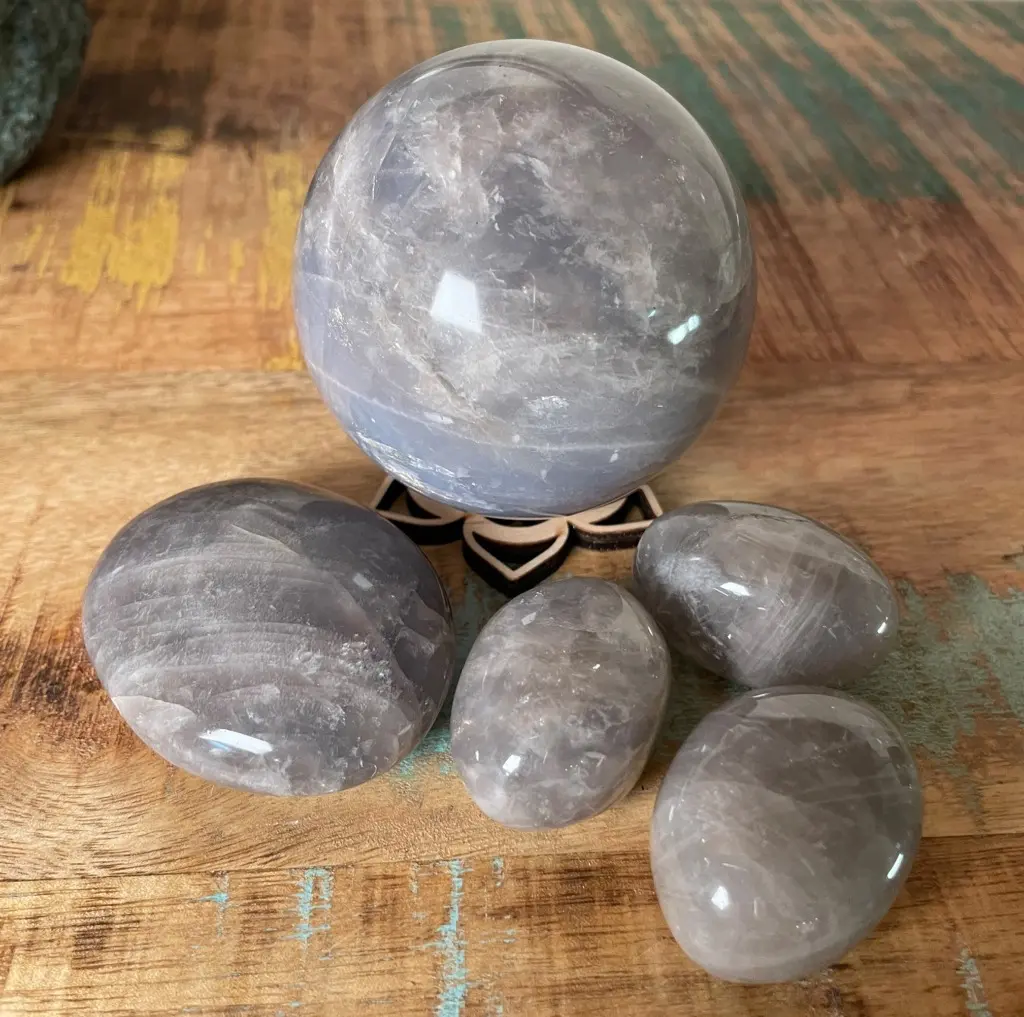
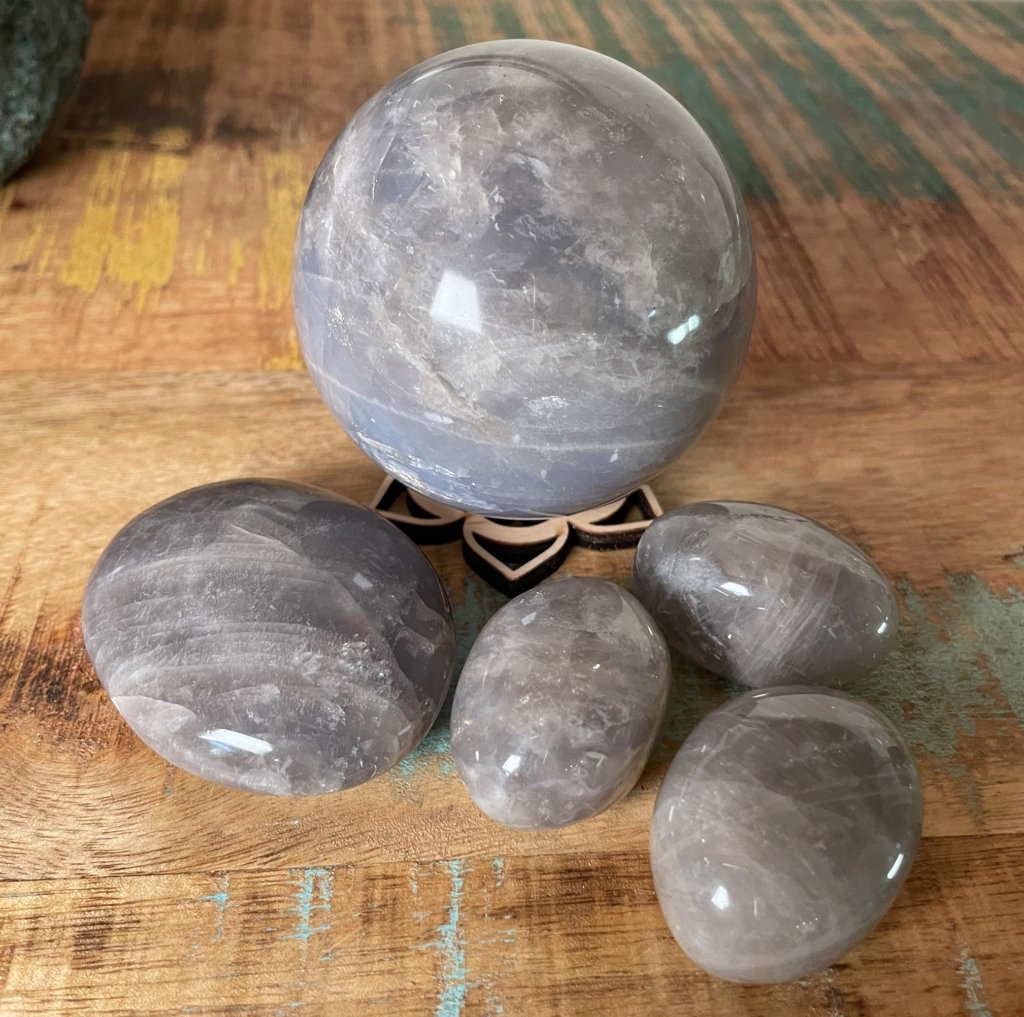
The global crystal and gemstone market is facing a renewed wave of consumer deception, centered around a newly popularized, highly marketed mineral trade name: "Blue Rose Quartz." Flooding online storefronts, social media marketplaces, and specialty gem shops—often marketed as rare finds directly sourced from Madagascar—this material has captured the attention of spiritual practitioners and crystal collectors alike.
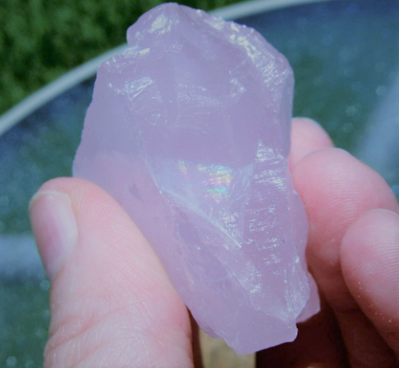
However, according to geologists, mineralogists, and veteran educators, "Blue Rose Quartz" is a textbook example of clever marketing sleight-of-hand. By definition, true rose quartz (pink quartz) owes its distinct coloration to microscopic, nanofibrous mineral inclusions—typically closely related to dumortierite—embedded within the silicon dioxide matrix. If a stone lacks a natural pink hue, mineralogically, it cannot be classified as rose quartz.
Investigators and gemological testing have revealed that the material being sold under this ethereal moniker is generally one of the following:
Low-Grade Quartz or Amethyst: Often subjected to intense thermal treatments (exceeding 932°F or 500°C), low-grade amethyst or milky quartz can be bleached, leaving behind a hazy, milky, or bluish-white translucent appearance.
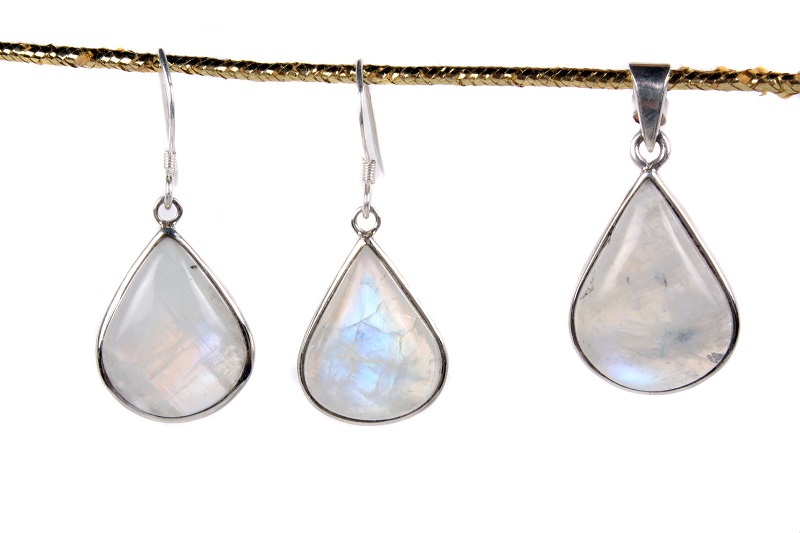
Girasol (Opalized Quartz): When silica solutions harden within empty mineral pockets, or when heat forces moisture droplets to form inside the quartz matrix, it creates a "girasol" effect—a cloudy, ghostly bluish-white glow caused by light scattering and diffraction, similar to phenomena seen in moonstones and opals.
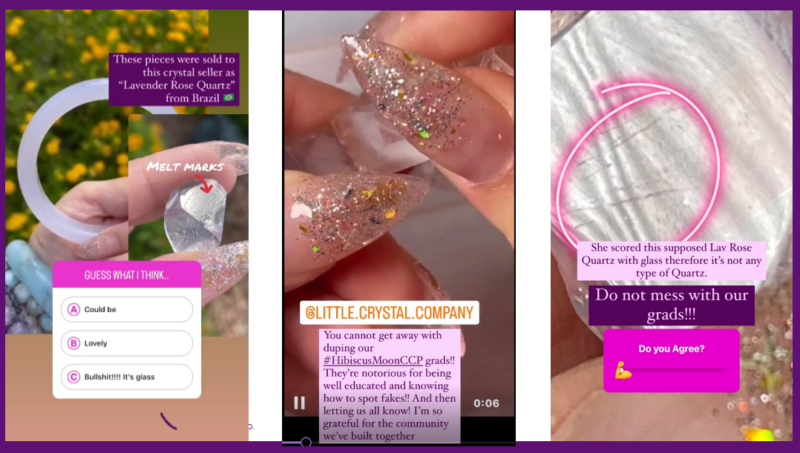
Plain Glass or Synthetics: In more egregious instances, fabricated glass and manufactured synthetic materials are passed off to unsuspecting buyers as rare, high-vibe natural stones.
Industry insiders note that this material is, in reality, a lower-tier commercial grade of quartz that was historically abundant and sold at very low prices. Rebranding it with spiritual, esoteric names allows vendors to bypass traditional grading systems (such as the A-to-AAA scale used in gemology) and artificially inflate prices.
Chronology: How the Trend and Investigation Unfolded
Pre-2010s: Lower-grade quartz, pale amethyst, and hazy, non-vibrant silica variants existed abundantly in the gemstone supply chain. Historically, these stones were graded as low-tier commercial stock (often humorously or practically referred to as "D-grade" material) and sold in bulk at modest prices.
2010: Crystal author, geologist, and Hibiscus Moon Crystal Academy founder initiated a series of consumer-awareness blog posts designed to call out fakes, misrepresentations, and marketing gimmicks within the emerging holistic market.
Late 2022: A sudden surge of inquiries flooded crystal education platforms. Certified Crystal Practitioner (CCP) students and independent creators began noticing a mysterious, hazy stone appearing across social media and retail platforms labeled as "Blue Rose Quartz" from Madagascar, alongside bizarre offshoots like "Black Rose Quartz."
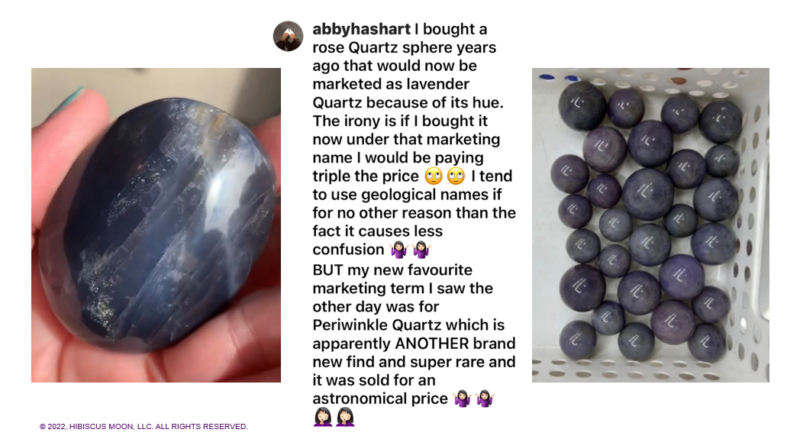
October–November 2022: A collaborative investigative effort kicked off within the crystal education community. Independent mineralogical testing was commissioned by independent entities like Little Lemuria, while certified practitioners (such as Amber Curl of Little Crystal Company and community members like @AbbyHasHeart) raised red flags on Instagram and other platforms.
Present Day: Educators are aggressively passing the torch to the broader "Crystal Family," urging everyday buyers to rely on geo-literacy, common sense, and critical thinking to combat the endless pipeline of newly invented marketing names.
Supporting Data & Mineralogical Analysis
To understand the scale of the misinformation, one must look at the geological makeup of quartz and its optical properties.
The Girasol Effect Explained
The word Girasol stems from Italian, translating loosely to "turning sun" or sunflower because certain stones appear to shift or glow with sunlight. In mineralogy, the girasol effect describes a milky, bluish-white luminous reflection or ghost-like sheen caused by light scattering. While true girasol is a type of opalized quartz or optical phenomenon found in select feldspars and moonstones, vendors frequently conflate this optical effect with rare colored varieties of quartz.
Mineralogical Assays
Independent mineral testing performed on samples marketed under these mystical names—such as the assays conducted and shared by Little Lemuria—confirm that the chemical composition does not align with the rare, exotic classifications claimed by high-markup sellers. Instead, testing frequently points back to standard silicon dioxide matrices altered by heat, minor impurities, or structural cloudiness.
The Pricing Disconnect
Historical Market Value: Considered low-tier, utilitarian bulk stock.
Modern Retail Value: Inflated by upwards of 300% to 500% when rebranded under spiritual or hyper-rare geographic names like "Blue Rose Quartz from Madagascar" or "Black Rose Quartz."
Traditional Classification
Market Rebranding Term
Actual Mineral Reality
Pale / Low-Grade Amethyst
"Neon Blue Quartz" / "Lavender Rose"
Heat-treated, bleached quartz
Hazy Milly Quartz
"Blue Rose Quartz"
Low-grade commercial quartz with light-scattering inclusions
Opaque Silica Deposits
"Black Rose Quartz"
Mixed matrix quartz with dark inclusions or foreign host rock
Official Responses and Expert Perspectives
Experts in both geology and holistic crystal healing have united behind a single message: Education is the ultimate consumer protection.
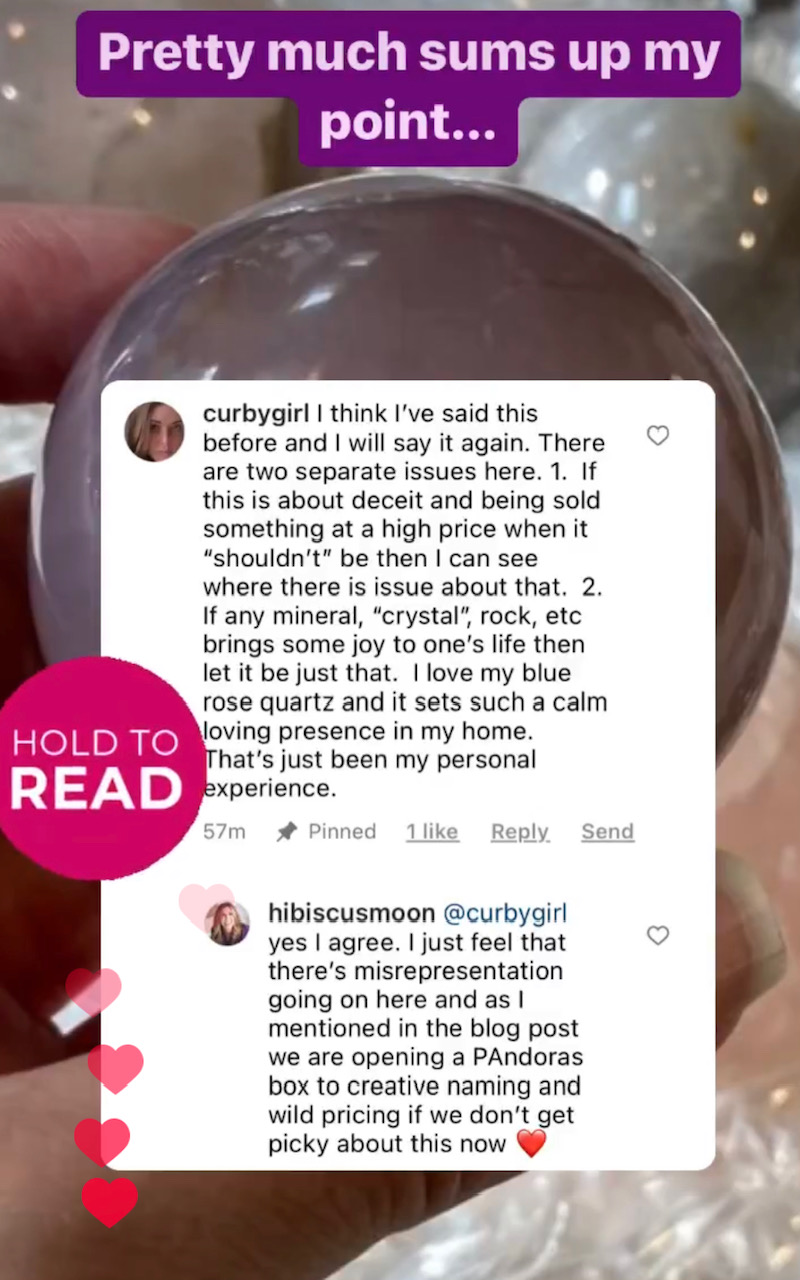
"This, for the most part, is D low-grade Rose Quartz! In my humble opinion, it seems obviously more lucrative to forgo the grading system and rename it something spiritual and ethereal," notes the founder of the Hibiscus Moon Crystal Academy, a former science department head with a Master’s degree in geology.
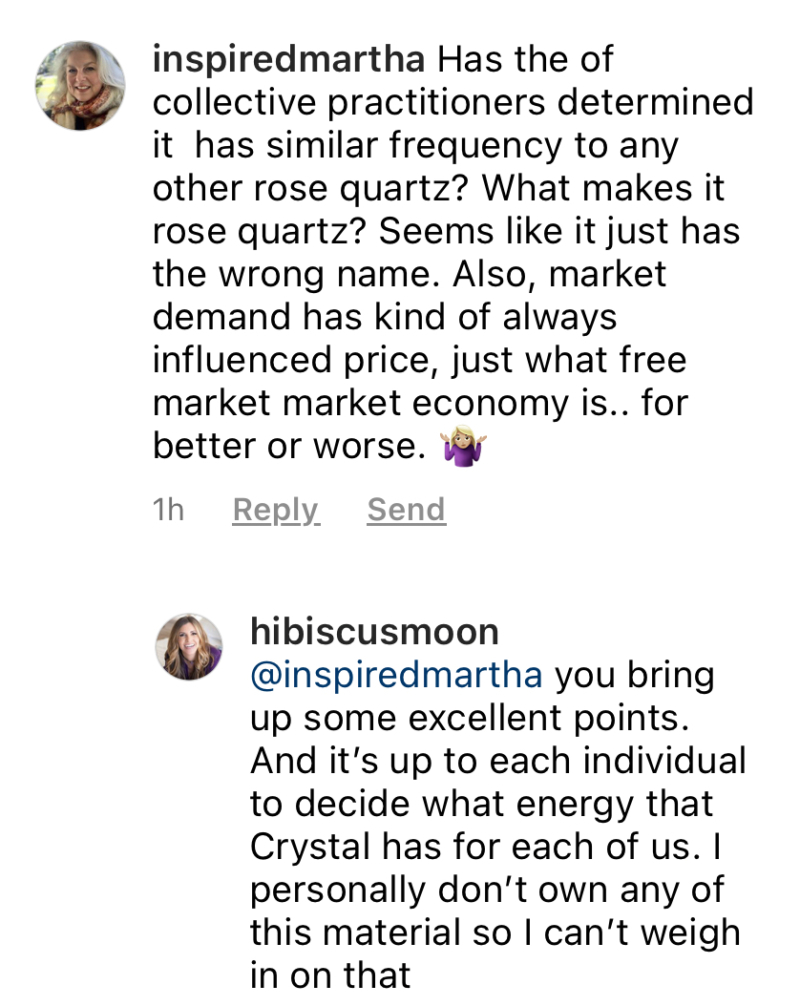
Experts emphasize a crucial distinction: calling out a stone as "low-grade" based on commercial gemological standards does not mean the stone lacks energetic value, beauty, or utility for spiritual practitioners. Beauty remains entirely in the eye of the beholder, and many practitioners report profound spiritual experiences working with humble, low-grade minerals.
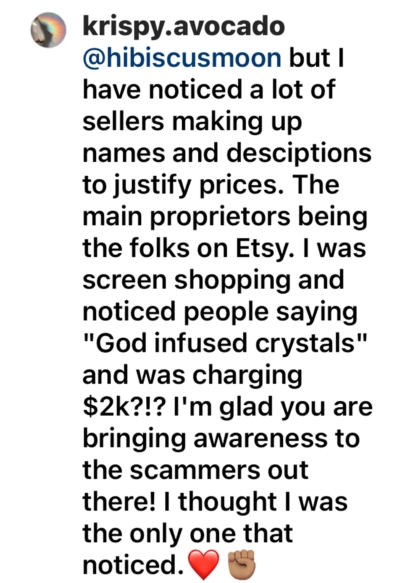
The core issue is not the stone itself, but the deceptive marketing practices and artificial price inflation surrounding it. Sellers taking abundant, inexpensive minerals, slapping a fictional or misleading name on them, and charging premium prices is viewed by consumer advocates as predatory behavior targeting well-meaning spiritual seekers.
Reputable crystal enterprises and certified practitioners have increasingly pushed for transparency, urging shops to publish geological testing reports and drop ambiguous marketing terms in favor of accurate mineral identification.
Implications for the Crystal Community and Market
The proliferation of fabricated names like "Blue Rose Quartz" carries significant repercussions for the global metaphysical marketplace.
1. Erosion of Consumer Trust
When buyers discover that the rare "new discovery" they paid a premium for is actually common, heat-treated quartz with a fancy name, trust in the broader crystal-selling community is damaged. This skepticism can unfairly impact ethical, transparent small-business owners who strive for accurate labeling.
2. Proliferation of Marketing Terminology
Industry watchdogs warn that if the market accepts "Blue Rose Quartz" and "Black Rose Quartz" without pushback, vendors will continue inventing imaginative color-and-mineral combinations ad infinitum. Analysts predict a potential landscape featuring hundreds of unscientific, trademarked trade names designed solely to drive artificial scarcity.
3. The Shift Toward Grassroots Consumer Literacy
With veteran educators stepping back from active daily monitoring, the responsibility of policing market misrepresentation falls squarely onto the shoulders of the global "Crystal Family." Certified Crystal Practitioners, mineral enthusiasts, and everyday hobbyists are increasingly mobilizing online—sharing educational resources, analyzing assay reports, and holding sellers accountable through community-driven peer review rather than aggressive hostility.
Final Takeaway for Buyers
The golden rule of modern crystal acquisition remains simple: Buyer Beware.
Always investigate the seller’s reputation.
Ask critical questions about the stone’s origin and treatment.
Remember that if a claim sounds too exotic, rare, or good to be true, it likely relies on marketing magic rather than geological reality.
By arming themselves with basic geo-knowledge, crystal lovers can ensure they are honoring Mama Earth’s creations honestly, sustainably, and with clear eyes.