

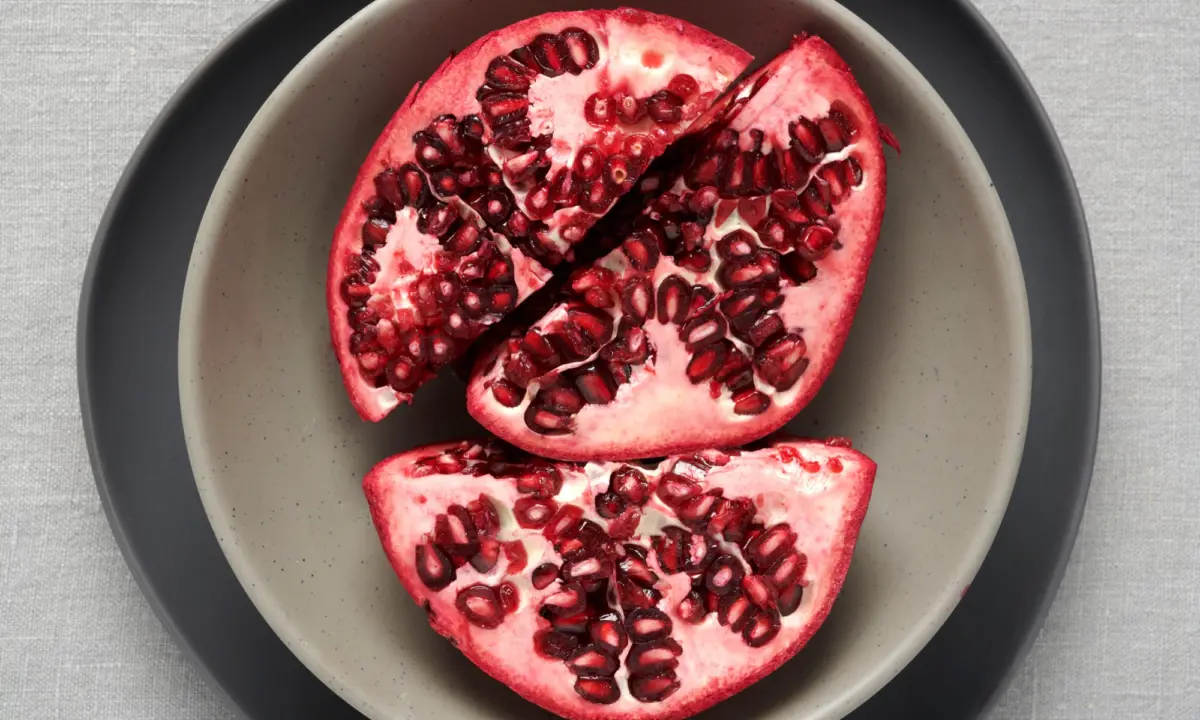
September 20, 2026 — For generations, the vibrant, ruby-red pomegranate has reigned supreme as a superfood, celebrated in dietary lore and modern nutritional science alike for its formidable heart-healthy properties. Rich in a class of powerful plant antioxidants known as polyphenols, the fruit has long been recommended by cardiologists and nutritionists aiming to bolster cardiovascular wellness.
However, groundbreaking new research suggests that the true cardiovascular hero may not be the pomegranate itself, but rather the microscopic alchemy happening deep within your digestive tract after you consume it.
A recent study published in the scientific journal MDPI has explored how a specific metabolite produced by gut bacteria transforms pomegranate polyphenols into a potent defense mechanism for arterial health. Testing this compound on murine models, researchers at Cardiff University discovered results that could fundamentally alter how science approaches dietary interventions, cardiovascular disease prevention, and the complex relationship between the human microbiome and heart health.
Main Facts: The Microbiome-Heart Connection
To understand the weight of this new research, one must first look at how the human body processes food. Pomegranates are undeniably packed with health-promoting compounds, particularly ellagitannins—a type of large polyphenol molecule. However, these molecules are structurally too large for the human digestive tract to absorb directly through the intestinal wall.
Instead, these polyphenols rely entirely on your gut microbiome. Beneficial bacteria residing in the large intestine break down the large polyphenol structures, metabolizing them into smaller, highly bioavailable molecules known as urolithins.
Among these breakdown products, Urolithin A has emerged as the most biologically active and potent contender. Researchers at Cardiff University sought to isolate and test Urolithin A to see how it directly influences arterial health, comparing it against the raw pomegranate polyphenols.
The study’s key takeaways include:
- Superior Efficacy: In laboratory tests on human cells, Urolithin A consistently outperformed other polyphenol derivatives in reducing cellular damage, suppressing inflammation, and preventing cells from absorbing harmful oxidized cholesterol.
- Plaque Reduction: When administered to mice genetically prone to atherosclerosis (arterial plaque buildup) and fed a high-fat diet for 12 weeks, Urolithin A dramatically decreased arterial blockage and reduced plaque size.
- Plaque Stabilization: Rather than merely shrinking plaque volume, Urolithin A altered the composition of the plaques, decreasing inflammation-driving immune cells while increasing stabilizing structural components like smooth muscle cells and collagen.
- Cholesterol-Independent Protection: Intriguingly, these profound cardiovascular benefits occurred entirely independent of blood lipid levels. The mice showed no significant changes in total cholesterol, LDL (low-density lipoprotein), HDL (high-density lipoprotein), or triglycerides.
Chronology of the Discovery: From Lab Bench to Living Organism
The journey toward understanding Urolithin A’s role in cardiovascular health has been methodical, spanning years of biochemical investigation into how plant-based compounds interact with human physiology.
Phase 1: Identifying the Active Agent
Initially, Cardiff University researchers investigated the massive array of polyphenols found naturally in pomegranates. Recognizing that human biology cannot absorb these macro-molecules directly, the team focused on the downstream metabolites—the urolithins—created by microflora. By testing various breakdown products alongside raw pomegranate extracts on human cellular lines, the researchers systematically evaluated which compounds successfully mitigated oxidative stress and inflammation. Urolithin A emerged as the undisputed frontrunner across all markers.

Phase 2: In Vivo Animal Trials
Armed with cellular data, the research team transitioned to a living model to observe how Urolithin A behaves inside a complex cardiovascular system. They utilized mice specifically bred to develop atherosclerosis and subjected them to a rigorous, high-fat diet designed to accelerate arterial disease over a 12-week period. A subset of these mice received targeted doses of Urolithin A alongside their diet.
Phase 3: Pathological and Histological Analysis
At the conclusion of the 12-week trial, scientists conducted detailed autopsies and histological examinations of the mice’s cardiovascular systems. The results confirmed that the mice treated with Urolithin A experienced significantly reduced atherosclerotic lesion formation, thinner plaque buildup, and a healthier cellular environment within the arterial walls compared to the control group.
Supporting Data and Mechanistic Insights
The biological mechanisms driving Urolithin A’s success offer a fascinating look at how diet can protect the vascular system without necessarily altering traditional risk markers like blood lipids.
The Anatomy of an Arterial Plaque
Heart attacks and strokes are frequently triggered not just by the size of an arterial plaque, but by its vulnerability. Unstable, "vulnerable" plaques are characterized by chronic, low-grade inflammation, an abundance of destructive immune cells (such as macrophages), and a thin fibrous cap. When these unstable plaques rupture, they can cause sudden blood clots, leading to catastrophic cardiovascular events.
Urolithin A fundamentally altered this pathological process. Histological analysis of the treated mice revealed:
- Lower Immune Infiltration: A marked reduction in macrophages and other pro-inflammatory immune cells within the plaques.
- Enhanced Structural Integrity: An increase in collagen and smooth muscle cells, which contribute to a thicker, more stable fibrous cap. This structural reinforcement renders the plaque significantly less likely to rupture.
The Cholesterol Paradox
For decades, mainstream cardiology has focused heavily on lowering LDL cholesterol as the primary mechanism for preventing heart disease. However, the Cardiff University study highlights a complementary, parallel pathway: vascular protection via anti-inflammatory and antioxidant mechanisms. Because the treated mice experienced zero fluctuations in their lipid panels (total cholesterol, LDL, HDL, and triglycerides remained unchanged), scientists concluded that Urolithin A shields the heart by directly targeting the vascular wall’s cellular health and immune response, rather than altering circulating fats.
Official Responses and Scientific Perspectives
While the scientific community has greeted the findings with enthusiasm, researchers and medical professionals emphasize the need for measured context, particularly regarding how these animal studies translate to human biology.
Dr. Eleanor Vance, a cardiovascular researcher not involved in the study, notes the significance of the findings while highlighting the necessary next steps. "We have long known that diets rich in plant polyphenols correlate with lower rates of cardiovascular disease," Dr. Vance explains. "However, clinical trials studying pomegranate juice have occasionally yielded mixed results. This study provides a compelling mechanistic explanation for those discrepancies: the fruit is only as good as the individual’s gut microbiome’s ability to convert it."
Other clinical pharmacologists point out that the dosages utilized in the mouse trials—translating to roughly 4 milligrams per kilogram of body weight per day in humans—are well within safe, achievable limits. In fact, human clinical trials investigating Urolithin A for entirely different indications (such as muscle endurance, mitochondrial health, and healthy aging) have safely administered doses up to 1,000 mg per day over periods ranging from 28 days to four months. These prior trials have firmly established that Urolithin A is safe, bioavailable, and well-tolerated by humans, though dedicated cardiovascular trials remain the vital missing puzzle piece.

Implications for Human Health and Personalized Nutrition
The implications of this research stretch far beyond pomegranates, touching on the future of personalized medicine, nutritional science, and microbiome health.
The "Urolithin Producer" Divide
Perhaps the most profound takeaway from this line of research is the realization that not all humans process pomegranates the same way.
Human gut microbiomes vary drastically based on genetics, diet, antibiotic usage, age, and lifestyle. Research indicates that the population can generally be split into distinct categories:
- High Producers: Individuals whose unique gut microflora readily and efficiently convert pomegranate polyphenols into therapeutic levels of Urolithin A.
- Low or Non-Producers: Individuals whose microbiomes lack the specific bacterial strains necessary to execute this biochemical conversion, meaning they may consume copious amounts of pomegranate products without reaping the full internal benefits of Urolithin A.
This metabolic variability could explain why population-based studies examining pomegranate consumption and heart health have historically shown mixed outcomes. Two people can eat the exact same serving of pomegranate seeds or drink the exact same glass of pomegranate juice, yet experience completely different internal biochemical realities depending on the composition of their gut bacteria.
Dietary Strategies and Direct Supplementation
For those looking to optimize their cardiovascular health in light of these findings, two primary pathways emerge:
- Cultivating Microbiome Health: Consuming polyphenol-rich foods (such as pomegranates, berries, walnuts, and green tea) while eating a diverse, fiber-rich diet can help nourish and support the growth of beneficial gut bacteria capable of producing urolithins over time.
- Direct Supplementation: Because natural microbial conversion is inconsistent across the general population, researchers suggest that direct oral supplementation of bioavailable Urolithin A may bypass the "microbiome bottleneck" entirely. While current human trials on Urolithin A have primarily centered on skeletal muscle vitality and cellular rejuvenation (mitophagy), these new vascular findings pave the way for future clinical investigations specifically targeting human atherosclerosis and arterial plaque stabilization.
Conclusion
The latest research from Cardiff University marks a paradigm shift in nutritional cardiology. It moves us away from a reductionist view of food—where a single fruit is expected to universally heal every consumer—and toward an advanced, microbiome-centric understanding of human health.
While clinical trials in humans are still required to definitively prove that Urolithin A shrinks arterial plaques in people as it does in mice, the biological pathways are undeniably promising. Pomegranates remain a nutrient-dense, antioxidant-rich addition to a healthy diet, but the true secret to their cardiovascular magic lies deep within our microbial ecosystem. As science continues to decode the dialogue between our gut bacteria and our blood vessels, the future of heart health may rely less on what we eat, and more on what our microbiome makes of it.
