

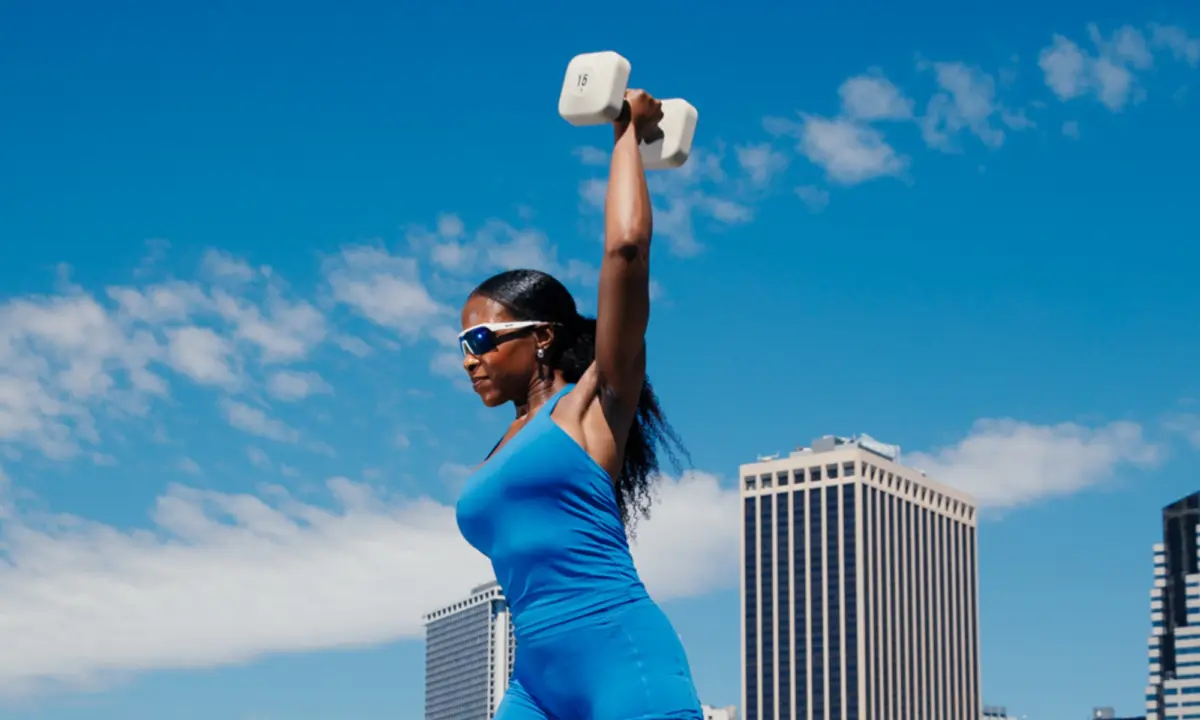
For generations, the cultural narrative surrounding women and exercise has been inextricably linked to aesthetics—how to slim down, tone up, or shrink to fit societal ideals. However, a profound shift is quietly taking place in fitness centers and gym floors around the world. Women are increasingly picking up heavy weights, not to conform to an external standard, but to discover what their bodies can actually achieve.
Recent qualitative research sheds light on this psychological evolution, revealing that strength training does more than build muscle mass; it fundamentally reshapes how women view themselves, boosting confidence, fostering independence, and replacing aesthetic anxiety with physical empowerment.
Main Facts: The Mind-Shift from Appearance to Capability
At the heart of this cultural shift is a psychological transition from an appearance-driven mindset to a performance- and capability-driven mindset.
While many women initially begin exercising for traditional reasons—such as weight management, general health, or altering their physical appearance—regular participation in strength training frequently alters their motivations. As the weeks turn into months, the metrics of success change. The scale or the reflection in the mirror takes a backseat to tangible, functional milestones: carrying heavy groceries with ease, standing up from the floor effortlessly, conquering a challenging hiking trail without stopping, or lifting a barbell that once seemed impossibly heavy.
This shift has profound implications for self-esteem. When a woman experiences her body as an instrument of strength rather than an ornament to be judged, her relationship with her physical self transforms. Studies indicate that this realization breeds a deep-seated sense of confidence, body comfort, and mental resilience that spills over into everyday life.
Chronology: How the Research Unfolded
To understand how regular exercise impacts women’s self-perception, researchers sought to look beyond quantitative fitness trackers and delve into the lived experiences of women themselves.
- The Recruitment Phase: Researchers focused on 16 women, ranging in age from 23 to 48, who were members of women-only fitness centers in Malatya, Türkiye.
- The Experience Window: To capture the initial psychological transition, the study deliberately selected participants who had been exercising for a relatively short duration—one year or less—yet had maintained a consistent routine for at least two consecutive months. This window allowed researchers to capture the critical phase where novelty gives way to habit and identity shifts.
- Data Collection: Participants engaged in detailed written interviews, answering open-ended questions about their fitness journeys, emotional responses to exercise, and changes in self-perception.
- The Thematic Analysis: Researchers analyzed the qualitative responses to identify recurring patterns, themes, and psychological milestones. Across the board, participants described a remarkably similar trajectory: starting out motivated by external appearance, hitting a milestone of physical capability, and subsequently experiencing a liberating shift in self-confidence and body appreciation.
Supporting Data and Context: The Power of Supportive Environments
While the physiological benefits of resistance training—such as increased bone density, enhanced metabolic health, and muscular longevity—are well-documented, the psychological catalysts deserve equal attention.

A critical finding from the study was the role of the training environment. Participants frequently highlighted the importance of women-only fitness spaces. In these supportive, low-judgment environments, women reported feeling less scrutinized by societal gaze, allowing them to focus entirely on their personal progress, form, and strength goals.
This sanctuary-like atmosphere is vital because women often face external resistance when they start lifting heavy. Several participants noted receiving unsolicited commentary or questioning from friends, family, or acquaintances regarding why they wanted to build muscle or lift weights. Navigating this cultural pushback can be exhausting; therefore, having a community of peers sharing similar goals provides essential psychological reinforcement.
Furthermore, psychological frameworks support these findings. According to self-efficacy theory—pioneered by psychologist Albert Bandura—mastering challenging tasks (such as lifting a heavy weight or pushing through a tough workout) directly builds an individual’s belief in their overall capability to succeed in other areas of life. When a woman proves to her own mind that her body is strong, resilient, and unbreakable, that inner strength radiates outward.
Official Responses and Expert Perspectives
Fitness professionals, psychologists, and women’s health advocates have long observed this phenomenon on the gym floor, welcoming the scientific backing of what they have witnessed anecdotally for years.
"A mirror tells you what you look like, but your workouts tell you what your body is capable of," notes fitness and longevity experts. This distinction is vital in a society where women are routinely conditioned to view their bodies primarily through the lens of aesthetic evaluation.
Health professionals emphasize that reframing fitness as an act of self-capability rather than self-correction protects mental health. When workouts are centered around performance—such as hitting a new personal record, improving mobility, or building functional stamina—exercise transforms from a form of punishment or penance for what one ate into a celebration of what one can do.
"When women realize they are strong, the conversation stops being about shrinking and starts being about taking up space," says a leading voice in modern women’s health advocacy. Experts urge trainers, gym owners, and media outlets to continue dismantling outdated tropes that steer women exclusively toward cardio machines and light pink dumbbells, advocating instead for accessible, empowering strength training programs for all ages.

Implications: Redefining Health, Longevity, and Identity
The implications of this shift extend far beyond individual gym sessions; they challenge cultural norms surrounding aging, femininity, and capability.
1. Redefining Femininity
For decades, cultural conditioning has tied femininity to fragility. Strength training shatters this outdated archetype. By embracing muscle mass, functional strength, and physical power, women are redefining what it means to be strong and feminine simultaneously.
2. Lifelong Independence and Aging
Building muscle through resistance training is one of the most effective ways to protect against sarcopenia (age-related muscle loss) and osteoporosis. When women start strength training in their 20s, 30s, 40s, and beyond, they are actively investing in their future autonomy. Knowing that your body can support you, lift you, and carry you safely through the decades instills a profound sense of security and peace of mind.
3. A Shift in Cultural Conversations
As more women share their lifting milestones, personal records, and physical transformations online and in their communities, the cultural dialogue changes. Younger generations grow up seeing women celebrated for their athletic achievements, structural resilience, and functional capabilities rather than just their dress sizes.
Conclusion
The journey of strength training is ultimately an internal transformation disguised as an external one. While the dumbbells get heavier and the muscles grow more resilient, the most significant change happens in the mind.
By trading the pursuit of aesthetic perfection for the thrill of physical capability, women are discovering a revolutionary sense of self-worth. In the words of those who have walked the path, the ultimate reward of lifting weights isn’t just a stronger body—it is the unshakable realization that you are capable of handling whatever heavy things life throws your way, both inside and outside the gym.
