By Amelia Mularz Interior Design & Architecture Contributor
For many homeowners and apartment dwellers, the kitchen pantry is a battleground of lost snacks, expired spices, and disorganized chaos. When square footage is at a premium, dealing with an awkward nook, a shallow closet, or a narrow cupboard can feel downright overwhelming. Yet, according to top-tier interior designers and professional organizers, a lack of space does not mean a sacrifice in style or efficiency. In fact, small pantries frequently present the most exciting opportunities for creative, highly customized interior design.
By prioritizing smart engineering, vertical layouts, and intentional aesthetic choices, even the most challenging micro-pantry can be elevated into a space that is as stunning as it is practical.
1. Main Facts: The Anatomy of the Small Pantry Challenge
Kitchen storage remains one of the most frequently cited pain points during residential renovations and interior redesigns. When working with compact footprints, designers face a unique set of constraints:
Function Over Form: Unlike expansive walk-in pantries that allow for decorative displays and loose organization, a small pantry must prioritize high-density storage and ergonomic accessibility above all else.
The "Black Hole" Effect: Deep, narrow shelves inevitably lead to forgotten items, resulting in food waste and duplicated grocery purchases.
Structural Limitations: Awkward architectural nooks, rental constraints, and load-bearing kitchen partitions often limit the ability to expand outward, requiring creative interior solutions.
The Design Renaissance: Modern hardware, modular containers, and built-in sliding systems have revolutionized how tight spaces are utilized, proving that compact kitchens can achieve high-end aesthetic appeal.
2. Chronology: The Evolution of Kitchen Storage and Pantry Design
To understand how we arrived at today’s micro-pantry movement, it helps to look at how kitchen organization has evolved over the past century:
The Early 20th Century (The Hoosier Cabinet Era): Before walk-in pantries became standard in suburban homes, freestanding multi-functional kitchen cabinets—known as Hoosier cabinets—acted as the ultimate compact food storage centers, featuring built-in flour sifters, sugar bins, and spice racks.
The Mid-Century Expansion: As suburban ranch homes boomed post-WWII, dedicated walk-in pantries became status symbols, prioritizing sprawling depth and bulk-item storage over efficiency.
The Late 20th Century (The Rise of Deep Shelving): Standard kitchen construction favored deep, fixed wooden shelving. While this offered maximum volume, it severely impaired visibility and accessibility, giving birth to the dreaded "back-of-the-shelf abyss."
The Modern Micro-Living Movement (2010s–Present): With urban density rising and housing footprints shrinking, homeowners are returning to compact, highly engineered storage solutions. The focus has officially shifted from how much space you have to how intelligently you use every square inch.
3. Supporting Data and Expert Insights
Tackling a small pantry requires a strategic blend of interior architecture and professional organizing principles. Industry leaders share their insights on how to master the space:
The Designer’s Perspective: Marrying Beauty and Utility
Devin Shaffer, lead interior designer at Decorilla in San Francisco, notes that pantry projects are traditionally viewed as daunting.
"Kitchen pantry spaces can be some of the most challenging projects for interior designers to work on—mainly because storage and function come first, and style, second," Shaffer explains.
However, Shaffer approaches these spaces with optimism, pointing out their hidden potential. "It’s amazing what’s possible. Even the tiniest pantry can be functional and gorgeous when you strategically design it."
Shaffer highlights several game-changing elements that bridge the gap between aesthetics and performance:
Sliding and Pull-Out Drawers: Eliminates the need to reach into dark corners by bringing contents directly to the user.
Over-the-Door Racks: Reclaims unused vertical surface area for spices, foils, and smaller condiments.
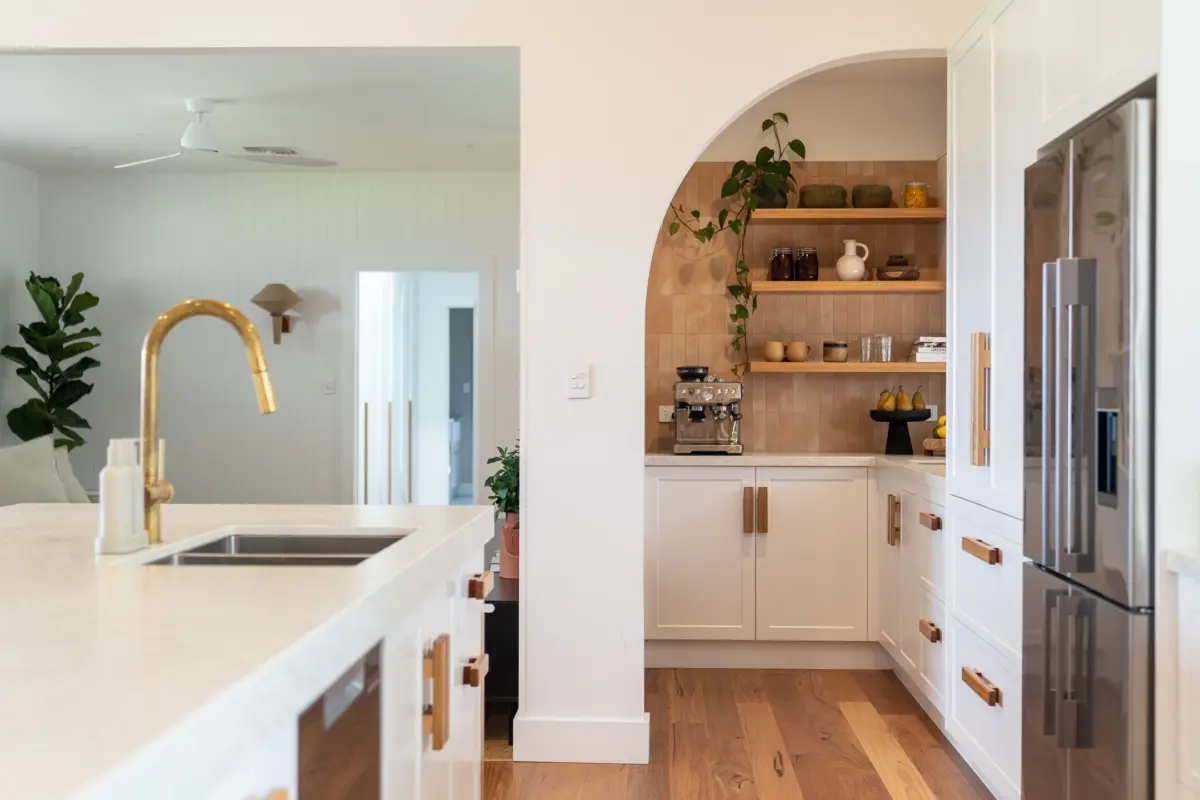
Harmonious Color Palettes: Using cohesive paint tones or matching backsplash tiles visually integrates the pantry into the greater kitchen environment.
Natural Materials: Incorporating wood tones, woven baskets, and stone accents adds warmth and texture to utilitarian zones.
The Organizer’s Perspective: Verticality Over Depth
Amanda Wiss, founder and CEO of the home-organizing firm Urban Clarity and the Brooklyn-based staging company Urban Staging, stresses that layout strategy is more important than square footage.
"You want to be able to see all your items easily, and not go digging for a package of snacks in the back," Wiss states.
To achieve this visibility, Wiss advocates for shifting focus away from shelf depth and doubling down on verticality. Her core organizational heroes include:
Shelf Risers: Create tiered levels so items in the back are elevated above those in the front.
Stackable Containers: Transform loose bags and boxes into uniform, space-saving modules.
Additional Custom Shelving: Narrowing the gap between existing shelves effectively doubles storage capacity.
Baskets and Bins: Corral loose snacks, baking supplies, and packets into neat, labeled drawers that slide out effortlessly.
4. Official Perspectives and Industry Standards
Kitchen designers, ergonomic specialists, and real estate professionals increasingly view efficient pantry systems as a major asset in modern home valuation.
According to real estate staging experts, prospective buyers routinely inspect kitchen storage during open houses. A poorly organized, overflowing pantry signals a lack of overall home maintenance, whereas a well-designed micro-pantry communicates high-end custom craftsmanship and meticulous attention to detail.
Furthermore, ergonomic standards emphasize that frequently used items should be stored between waist and eye level to prevent strain. Implementing pull-out drawers and clear decanting containers directly aligns with modern universal design principles, ensuring that kitchens remain accessible and comfortable for users of all ages and mobilities.
5. Implications: How Smart Storage Shapes Modern Living
The shift toward optimizing micro-pantries carries significant implications for sustainable living, financial wellness, and daily mental well-being:
Reduction of Food Waste: When every item is visible and properly categorized, households are far less likely to accidentally repurchase duplicate items or allow produce and dry goods to expire in the shadows.
Streamlined Meal Preparation: A clutter-free cooking environment drastically reduces mealtime stress, making home cooking more enjoyable and accessible for busy families.
Maximized Real Estate Efficiency: As urbanization continues and housing footprints shrink, mastering micro-storage allows residents to maximize their existing spaces without the need for expensive architectural expansions or home upgrades.
Aesthetic Elevation: By treating even the smallest utility closet or kitchen alcove with high-end design principles—such as matching decanted jars, warm lighting, and curated hardware—homeowners elevate the overall luxury feel of their living space.
Conclusion: 17 Ways to Transform Your Tight Space
Whether you are working with a narrow pull-out cupboard, a shallow hallway closet, or an awkward kitchen nook, the path to a better pantry lies in smart planning. By implementing vertical risers, utilizing over-the-door storage, decanting dry goods into uniform containers, and leaning into professional-grade sliding hardware, your tiny pantry can transition from a daily frustration into one of the most efficient and stylish features of your home.


.jpg)
.jpg)


.jpeg)
