HANNOVER, GERMANY — While the commercial electric vehicle sector in the United States faces a turbulent landscape of regulatory pushback and sluggish adoption, the story unfolding across Europe is radically different. Fueled by stringent European Union emissions mandates, widespread public support, and a recent, sharp spike in diesel prices surging past $6.00 per gallon, the European market is rapidly accelerating toward electrification.
This momentum will be on full display starting September 15, 2026, as more than 700 exhibitors descend upon Hannover, Germany, for the upcoming IAA Transportation show. From heavy-duty long-haul tractors to agile last-mile delivery vans, the exhibition highlights a mature, deeply competitive ecosystem of zero-emission commercial transport.
Main Facts
The 2026 IAA Transportation show serves as a watershed moment for the heavy-duty and commercial transport sector. Key developments dominating the preview include:
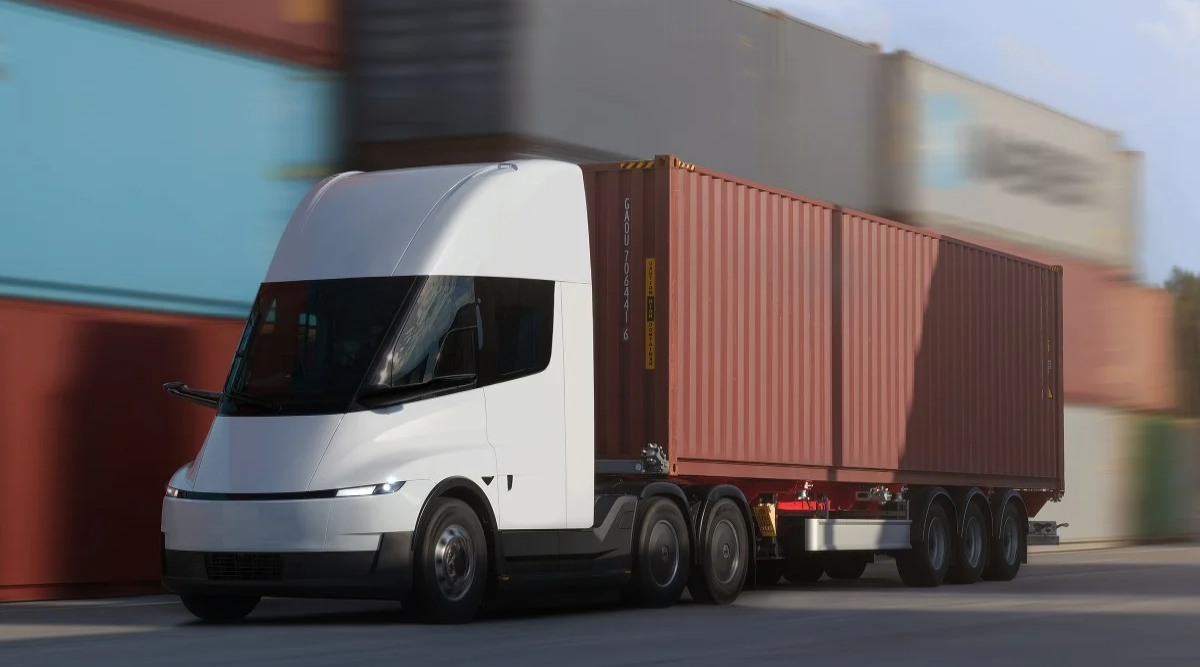
The European Debut of the Tesla Semi: Tesla is bringing its Class 8 Semi to Europe, optimized for European regulations with a payload-focused design, 800-volt architecture, and a targeted range of 550 kilometers.
A Massive Influx of Global Competitors: Legacy European giants—Daimler, MAN, Volvo, and Renault—are joined by major international players, including Ford Otosan and a massive wave of Chinese manufacturers such as Sany, Sinotruk, SuperPanther, FAW, Dongfeng, Foton, Farizon, Wisdom Motor, DeepWay, and CATL.
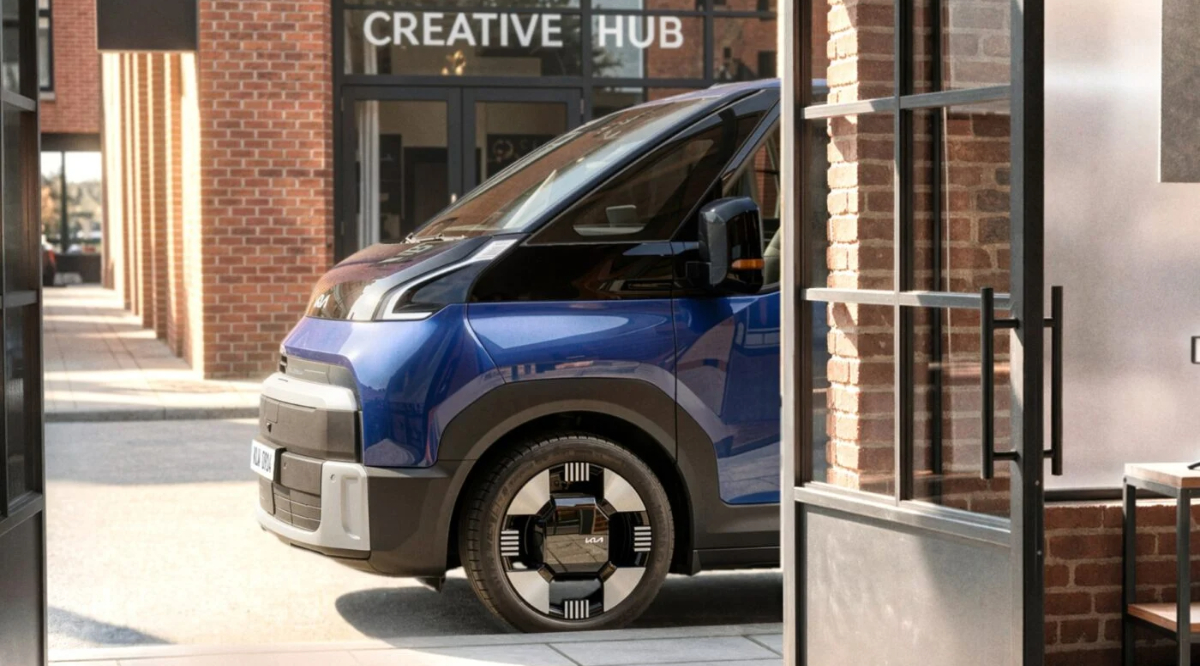
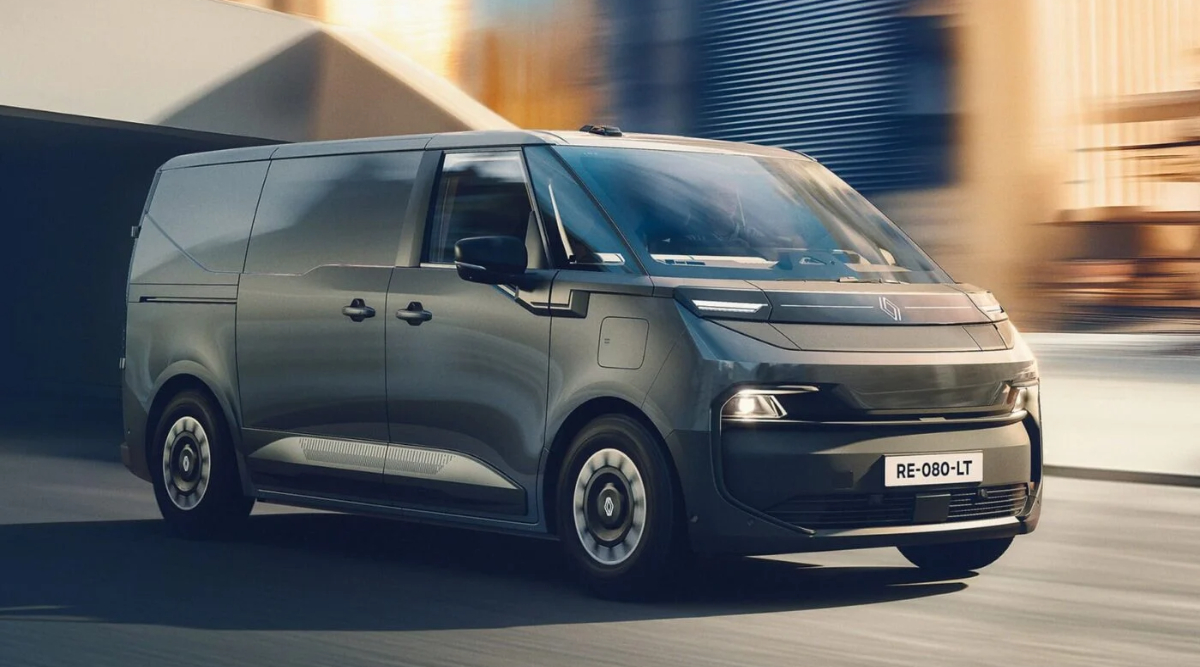
The Van and Light Commercial Vehicle (LCV) Boom: Innovations in the light transport sector include Ford Pro’s new Transit City, Kia’s expanded PV7 commercial platform, Stellantis’s budget-friendly Smart Compact Van, and Renault’s 800-volt Trafic E-Tech.
Economic Tailwinds for Electric Fleets: With diesel prices exceeding $6.00 per gallon globally and geopolitical instability threatening traditional fuel stability, the Total Cost of Ownership (TCO) equation has decisively tipped in favor of battery-electric vehicles (BEVs).
Chronology of the Shift: From Resistance to Rapid Deployment
To understand the current state of commercial transport, it is helpful to trace the timeline of how alternatively powered vehicles moved from experimental concepts to commercial heavyweights.
Pre-2025 (The Regulatory Foundation): The European Union implements progressively tighter CO2 emission performance standards for heavy-duty vehicles, forcing manufacturers to pivot engineering capital away from internal combustion engines toward zero-emission alternatives. Meanwhile, US manufacturers largely lobby against state-level zero-emission truck mandates.
November 2025: Ford Otosan formally presents its heavy commercial F-Line E series in Lyon, setting the stage for its high-profile entry into the 19- and 26-ton electric truck segments. Renault Trucks introduces its advanced Trafic E-Tech built on an 800-volt architecture, promising rapid DC fast charging.
August 2026: Tesla makes waves by moving the Tesla Semi into European logistics channels, securing its largest cumulative orders to date and confirming its physical presence at the upcoming Hannover exhibition.
Early September 2026: US diesel prices climb past $6.00 per gallon, sending shockwaves through North American logistics. Simultaneously, German Association of the Automotive Industry (VDA) President Hildegard Müller holds a pre-show press conference in Germany, championing the commercial vehicle industry’s resilience and calling on political leaders in Berlin and Brussels to secure robust charging infrastructure.
September 15, 2026: The IAA Transportation show officially opens its doors in Hannover, welcoming over 700 exhibitors showcasing heavy-duty tractors, work trucks, autonomous delivery concepts, and advanced battery innovations.
Supporting Data and Technical Specifications
The engineering parameters of the vehicles debuting at the IAA show underline a maturing market tailored to real-world logistics rather than headline-grabbing specifications alone.
The European Tesla Semi Specs vs. US Standards
Tesla’s arrival in Europe introduces localized adaptations to comply with continental weight restrictions and traffic speeds:
Architecture: 800-volt electrical system capable of charging at up to 800 kW via Tesla’s Megacharger network.
Powertrain: Three motors operating across two rear axles, generating a combined output of up to 800 kW.
Battery Capacity: Utilizes a standard 548 kWh battery pack comprised of Tesla-manufactured NCMA (nickel-cobalt-manganese-aluminum) cells.
Range and Efficiency: Estimated at 550 kilometers in Europe (compared to 523 kilometers for the US variant). Energy consumption is rated at approximately 1.0 kWh/km in Europe versus 1.1 kWh/km in the US.
Weight & Payload Trade-off: While US models operate as Class 8 trucks with a gross vehicle weight rating (GVWR) of up to 36.3 metric tons (80,000 lbs) at highway speeds up to 128 km/h, European variants face a 40-metric-ton GVWR limit and highway speed restrictions of 80 to 90 km/h. Crucially, Tesla opted for a slightly smaller battery configuration and a curb weight of 9.1 metric tons, prioritizing higher payload capacity over excessive, heavy battery range.
Van and LCV Performance Metrics
Renault Trafic E-Tech: Features an 800-volt platform allowing a 15% to 80% DC fast charge in under 20 minutes, offering up to 450 km of range depending on the battery option.
Ford Transit City: Enters the market as a cost-efficient urban delivery solution starting at a net price of €35,990 for its base configuration.
Maxus (SAIC): Demonstrates Vehicle-to-Load (V2L), Vehicle-to-Home (V2H), and Vehicle-to-Grid (V2G) capabilities, allowing commercial fleets to shave building peak loads and power remote electric tools directly from the vehicle battery.
Official Responses and Industry Perspectives
Leadership across European automotive and industrial sectors has emphasized both the opportunities and the systemic requirements needed to sustain the transition.
Opening the discourse at the pre-show press conference, Hildegard Müller, President of the German Association of the Automotive Industry (VDA), stressed the critical nature of logistics and the political duty required to support infrastructure rollout:
"The commercial vehicle industry is a powerhouse. It, and the many people working in logistics, keep our country running. The IAA Transportation will showcase the dynamism of our industry. It will once again be a showcase of innovations."
Müller pointedly reminded policymakers in Brussels and Berlin that alternative propulsion requires matching political responsibility, particularly regarding the rapid installation of high-performance megawatt-charging stations along major freight corridors.
Tesla Germany underscored the commercial philosophy behind its European market entry, emphasizing Total Cost of Ownership (TCO) and uptime over raw specifications:
"The Semi was designed from the ground up as an electric truck and is intended to revolutionize freight transport. It is based on Tesla’s expertise in battery technology, electric powertrain, software, and manufacturing to meet the demands of modern logistics. High-performance charging is designed for commercial use: The Semi is engineered to recharge a significant portion of its energy during a short stop at a Tesla Megacharging network station, keeping trucks productive and schedules on track."
Broader Implications for Global Logistics
The divergence between the North American and European commercial vehicle markets highlights a critical turning point in global transportation economics.
While much of the US heavy-duty sector remains mired in regulatory litigation and resistance against emission-reduction targets, European fleet operators are running the numbers down to the thousandth of a euro per kilometer. With diesel fuel climbing past $6.00 per gallon due to persistent geopolitical volatility, internal combustion engine (ICE) fleets are facing unpredictable operational overhead.
Battery-electric commercial vehicles (BEVs) are no longer viewed merely as environmental compliance tools. Instead, fleet managers increasingly recognize them as financial shields against fossil fuel price shocks. Furthermore, the integration of advanced software ecosystems—such as remote diagnostics, over-the-air updates, predictive maintenance, and bidirectional charging (V2G)—transforms trucks from passive assets into active nodes of energy management.
While unseating a century of diesel dominance is inherently challenging, the sheer density of innovation, the entry of disruptive global players like Tesla and numerous Chinese manufacturers, and the brutal economic realities of high fuel prices suggest that Europe’s transition to electric commercial transit has officially passed the point of no return.