

Main Facts
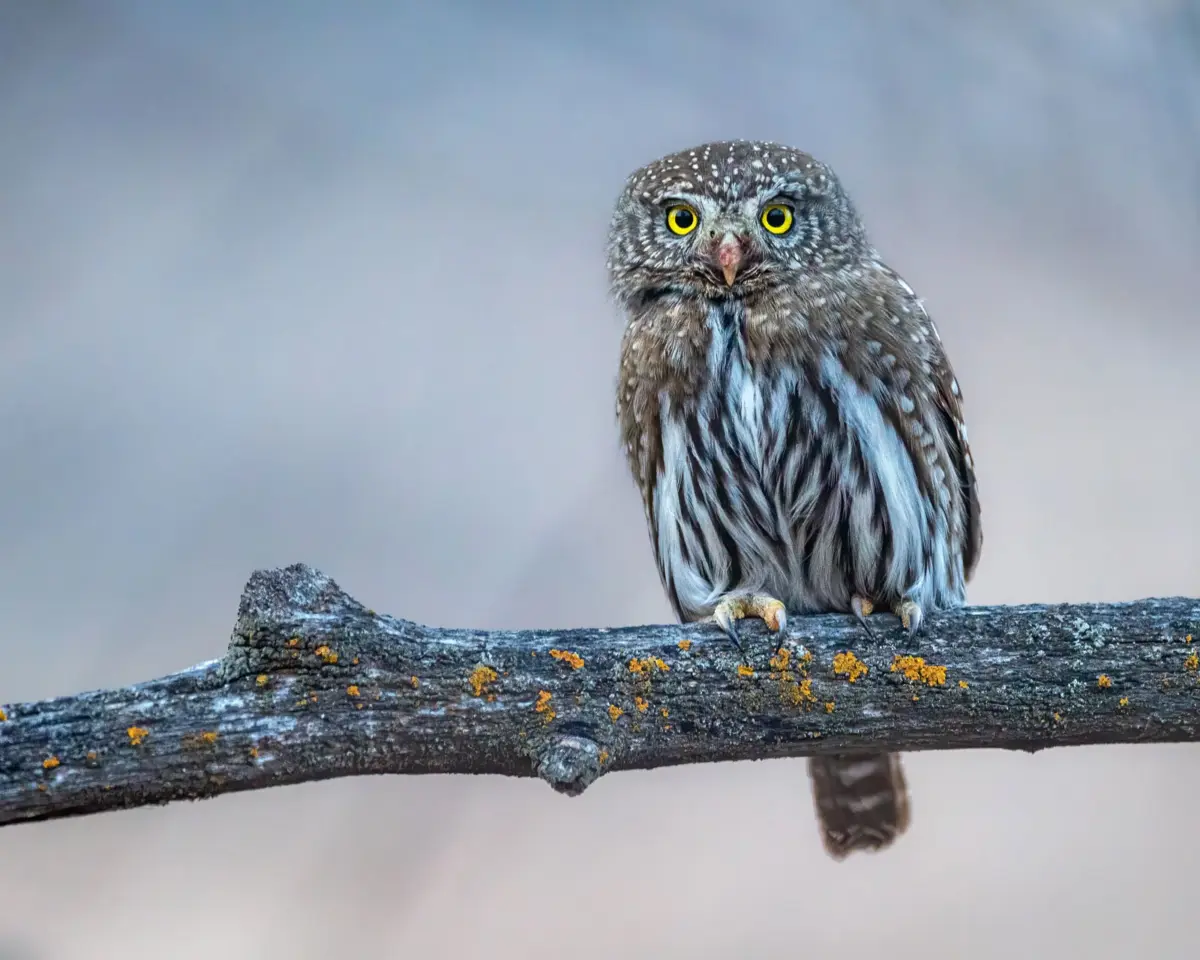
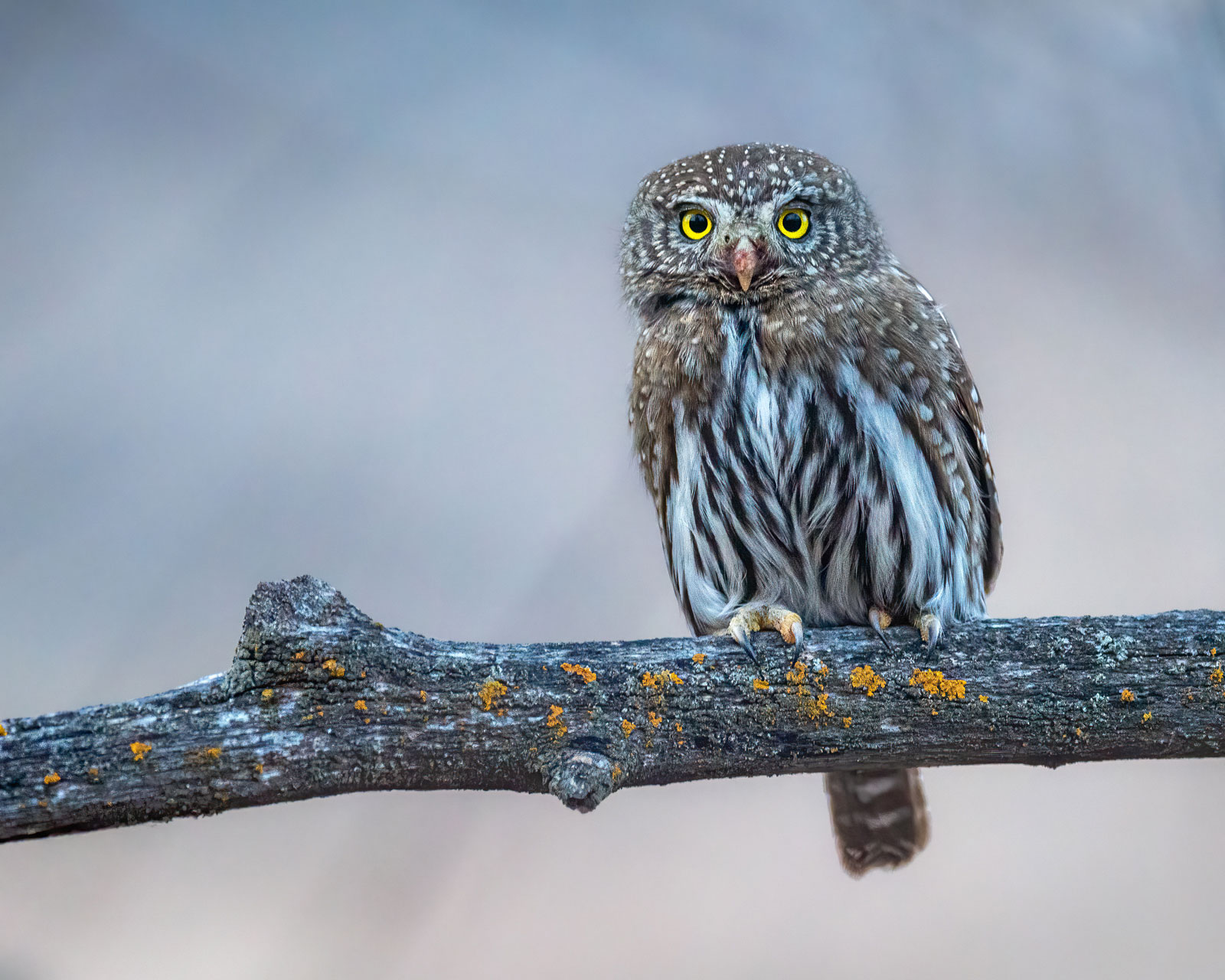
Owls have long captivated human imagination, combining an aura of mystery with striking physical characteristics, beauty, and grace. Owl photography allows wildlife photographers to showcase these raptors in ways that highlight their distinct morphology—such as specialized facial discs for enhanced hearing, wide wingspans, and unexpectedly long legs.
However, mastering owl photography requires patience, deep ecological knowledge, and strict adherence to ethical wildlife viewing principles. Because the vast majority of owl species are nocturnal or crepuscular, finding and photographing them demands an understanding of regional bird species, local habitats, and seasonal behavioral patterns.

Essential gear for successful owl photography includes long telephoto lenses (ranging from 300mm to 600mm) with wide maximum apertures (such as f/2.8 to f/5.6) to combat low-light conditions at dawn and dusk. Furthermore, fieldcraft—such as identifying daytime roosts through clues like whitewash and regurgitated pellets—is just as vital as camera settings. Ultimately, capturing compelling images of these elusive birds relies on respecting their space, minimizing human disruption, and waiting for natural behavioral moments rather than forcing interaction.

Chronology of the Craft: From Search to Shutter Release
The journey of photographing an owl is rarely instantaneous; it is a methodical process that unfolds over time, often beginning months before a camera is ever raised to an eye.

Phase 1: Research and Preparation (Months to Weeks Prior)
The process begins at a desk rather than in the field. Photographers must research the specific owl species indigenous to their region or target destination. Utilizing local birding databases, field guides, and online resources, the photographer identifies relative abundance, migratory habits, and general life histories. Understanding whether a species is year-round or migratory—and what triggers these movements, such as snow depth or fluctuating food supplies—lays the groundwork for a successful expedition.

Phase 2: Locating and Scouting (Weeks to Days Prior)
Once the species is identified, the photographer transitions to field scouting. Because most owls are nocturnal, the most effective strategy involves heading out at sunset or shortly thereafter to listen for territorial calls, hoots, and vocalizations. By noting where calls are heard, photographers begin mapping out potential daytime roosting sites.

During daylight hours, returning to these areas requires scanning the middle-to-upper tiers of tree trunks and dense branches. Photographers look for visual markers of residency, including "whitewash" (bird droppings on branches and ground) and scatterings of owl pellets—regurgitated fur and bone fragments.

Phase 3: Field Execution and Observation (The Shoot)
Upon locating a roosting owl, the chronology shifts to passive observation. Photographers maintain a respectful distance—typically 75 to 100 feet—utilizing long telephoto lenses to simulate an eye-level perspective without standing directly underneath and forcing the animal to look up.

As twilight approaches, the photographer transitions from static perching shots to tracking flight paths. Recognizing that hunting owls usually remain on a perch for several minutes before moving, the photographer anticipates flight trajectories, prepares for low-light camera settings, and captures the raptor in motion as it transitions from the forest edge into open hunting grounds.

Supporting Data and Technical Field Metrics
Achieving professional results in owl photography requires a firm grasp of optical physics, animal behavior metrics, and specialized equipment deployment. Below is a comprehensive breakdown of technical considerations for wildlife photographers:

Recommended Equipment Specifications
- Lenses: A prime or zoom telephoto lens spanning 300mm to 600mm. This focal length range allows the photographer to maintain a non-threatening distance of 75–100 feet while still rendering the owl as the dominant subject in the frame.
- Aperture Range: Maximum apertures of f/2.8, f/4, or f/5.6 are necessary. Because peak owl activity occurs during low-light conditions at dawn and dusk, wide apertures gather maximum light, allowing for faster shutter speeds.
- Support Systems: Sturdy tripods or monopods are essential for eliminating camera shake during prolonged waiting periods. However, tripods should be disengaged or supplemented with a gimble head when transitioning to fast-moving flight photography.
- Remote Releases: Cable or wireless remote shutter releases help eliminate micro-blurs caused by manual button depression when shooting at slow shutter speeds in dim environments.
Behavioral and Environmental Metrics
- Flight Shutter Speeds: A minimum shutter speed of 1/1600 of a second is generally required to freeze the erratic wingbeats of a flying owl, though practiced photographers may experiment with panning and motion blur.
- Roosting Height: Owls typically select resting spots at least halfway up a tree, avoiding exposed treetops during the day to protect themselves from mobbing corvids and raptors.
- Flight Patterns: Larger species, such as Great Grey Owls, utilize quick drop maneuvers from high perches, whereas Short-Eared Owls favor low, sustained gliding flights over open meadows and tundra.
Official Guidelines and Ethical Frameworks
Wildlife photography exists at the intersection of art and conservation. Because owls are highly sensitive to human disturbance during their diurnal resting periods, professional bodies and conservationists emphasize strict ethical codes of conduct.

The Imperative of Non-Interruption
Ethical owl photography dictates that the welfare of the animal supersedes the acquisition of an image. Pressuring a roosting owl to wake up, turn its head, or take flight by making loud noises, throwing objects, or stepping within its comfort zone induces severe physiological stress. When an owl exhibits nervous behaviors—such as bill-clacking, body-slenderizing (the "defensive posture"), or repeatedly opening its eyes wide—the photographer is too close and must immediately back away.

Prohibition of Baiting and Audio Playback
The use of live or dead bait to artificially lure owls into unnatural positions is widely condemned by wildlife organizations. Baiting conditions raptors to associate humans with food, leading to dangerous behaviors such as approaching roadways or human settlements.

Similarly, the excessive use of audio playback (playing recorded owl calls to elicit a territorial response) can exhaust breeding birds and disrupt their nightly hunting schedules. Photographers are urged to rely entirely on fieldcraft, patience, and local ecological knowledge rather than artificial manipulation.

Implications for Conservation and Wildlife Tourism
The growing popularity of wildlife and owl photography carries profound implications for both local ecosystems and regional economies.

On the conservation front, ethical photographers often serve as frontline citizen scientists. By documenting local owl populations, reporting nesting sites to ornithological databases, and tracking environmental indicators (such as rodent population cycles and habitat degradation), photographers contribute valuable data to conservation research. Furthermore, stunning imagery fosters public empathy and educational awareness, turning casual observers into active advocates for forest and grassland preservation.

Economically, specialized wildlife tourism has transformed rural communities. Communities that embrace sustainable wildlife viewing frequently partner with local guides and eco-tourism operators. Hiring local experts not only ensures that photographers navigate sensitive habitats without causing ecological harm, but it also provides sustainable financial incentives for local populations to protect—rather than develop—critical owl habitats.

Ultimately, the future of owl photography depends on a balanced ecosystem where the pursuit of the ultimate frame honors the silent, majestic reality of the bird itself.
