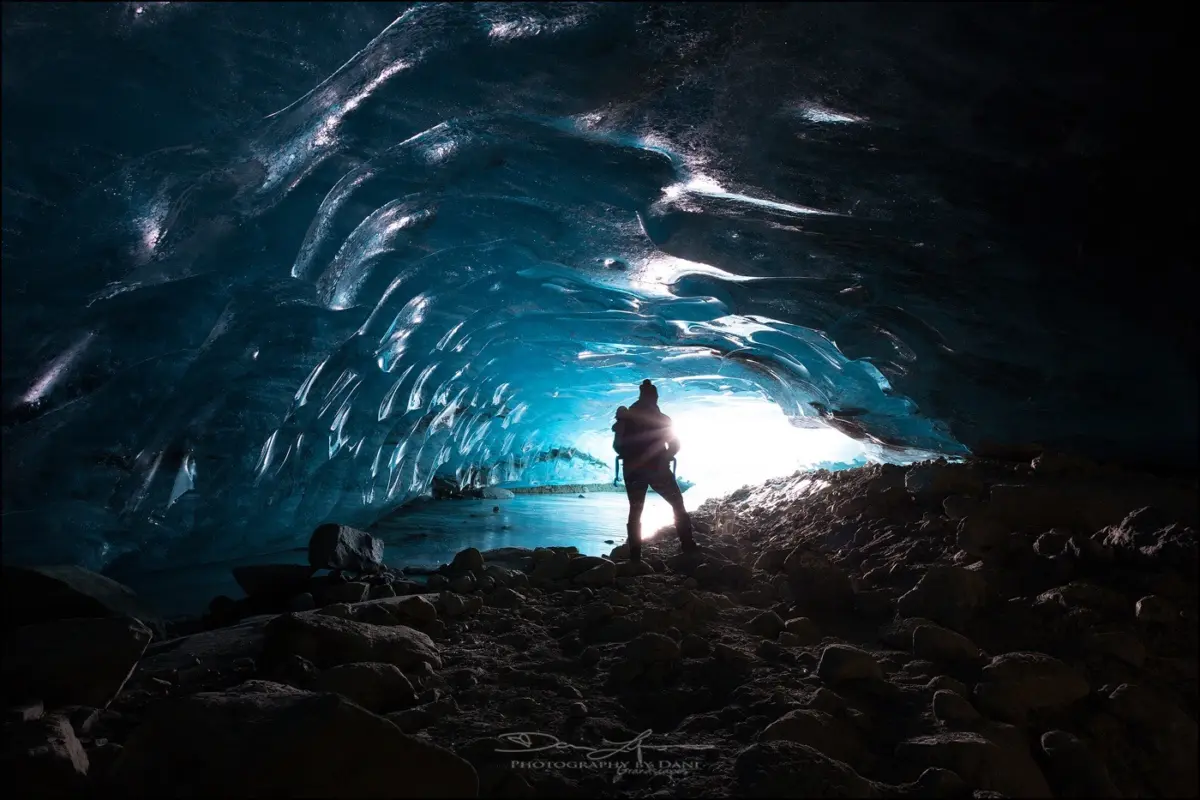
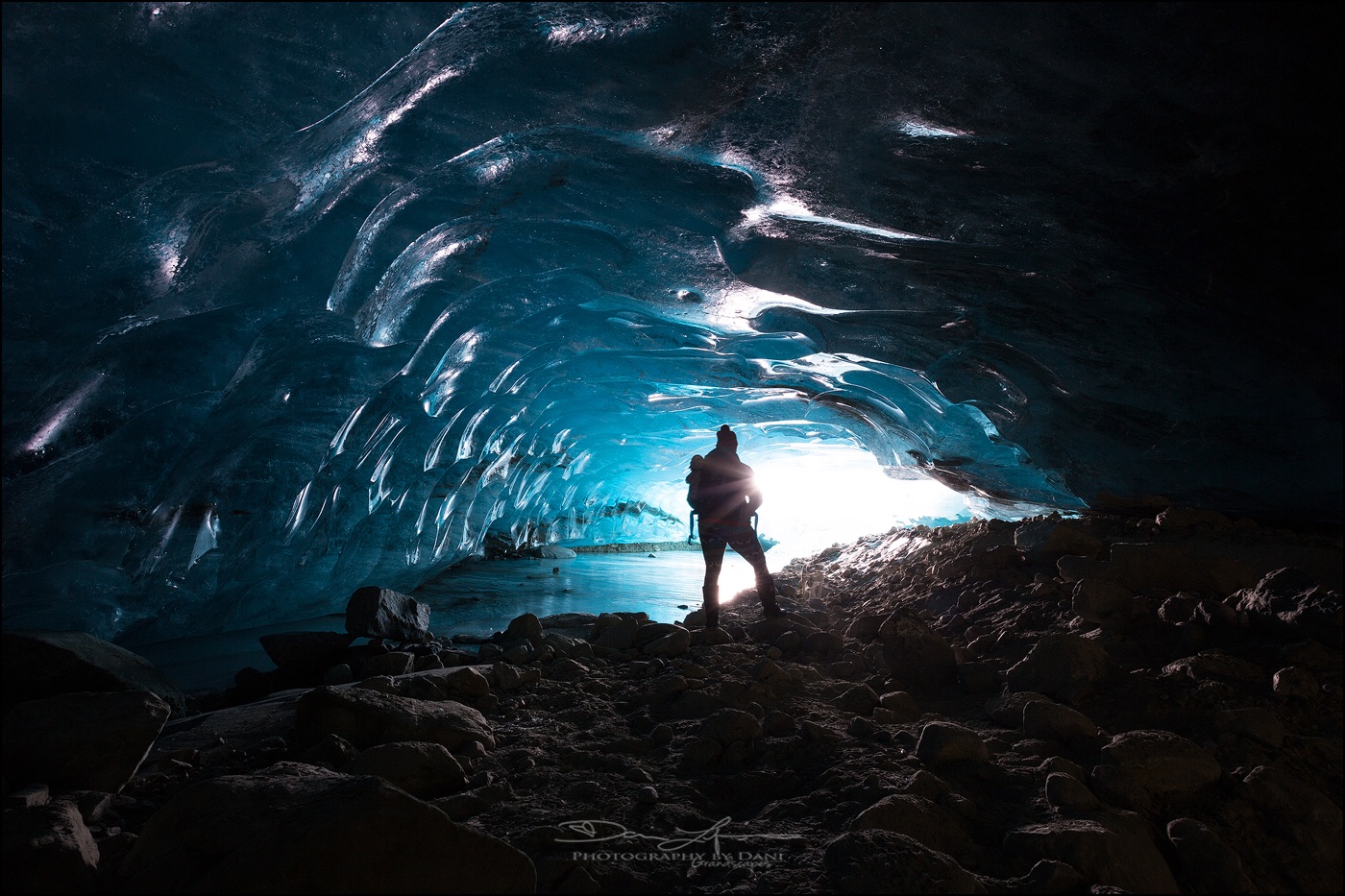
In the competitive and visually saturated world of nature photography, few artists manage to carve out a distinct identity rooted entirely in intuition and raw passion. Enter Dani LeFrancois, a renowned landscape photographer and photo guide based against the majestic backdrop of the Canadian Rockies. With a career spanning over two decades, LeFrancois has transitioned from an outdoor-loving kid capturing simple frames on summer road trips to a full-time professional educator dedicated to helping others find their unique photographic vision.
This feature is part of the ongoing interview series “From Amateur to Professional,” which explores the developmental journeys of established nature photographers. Through candid reflections, archival comparisons, and professional insights, LeFrancois breaks down the realities of building a life around the camera, proving that success in nature photography is as much about mental shift as it is about technical mastery.
Chronology: The Making of a Professional
LeFrancois’s photographic journey is a study in organic growth, marked by distinct phases of experimentation, commercial diversion, and ultimate alignment with her true calling.
1. The Formative Years (Early Beginnings to High School)
LeFrancois’s love for the outdoors began long before she picked up a camera. Growing up as an active child who spent summers at YMCA camps exploring nature—unfazed by bugs and fascinated by wildlife—she developed a deep connection to the natural world.
Her introduction to photography started on family road trips across Ontario and eastern Canada, where she served as the designated family documentarian. Anticipating a milestone trip out west to Alberta, she upgraded to a "state-of-the-art" 2-megapixel point-and-shoot camera. That single journey sparked an obsession that quickly carried over into high school photography classes, where she first recognized her natural eye for composition.
2. The Intermission and Commercial Diversion (College and Early Career)
Though she briefly attended college for photography, LeFrancois quickly realized that traditional academic settings could not teach the specialized nuances of nature photography. Seeking her own path, she stepped away from formal schooling.
To build experience and make a living, she spent years shooting weddings, concerts, and portraits. While these genres kept her behind the lens, her heart remained anchored in the great outdoors. It took a decade of dedicated focus after moving west before she established her own photography business, laying the groundwork for her eventual full-time career.
3. Achieving Full-Time Professional Status
Seventeen years into her photography journey—and seven years after permanently relocating to the Canadian Rockies—LeFrancois finally "retired" from her day job at the age of 32. Embracing the dual role of professional landscape photographer and photo guide, she fulfilled a childhood dream: to make a living doing what she loved best.
Supporting Data: Evolution of Technique and Vision
When evaluating an artist’s progression, comparing early experimental work with modern professional portfolios offers a fascinating window into technical and psychological development.
Embracing the Imperfect Past
Reflecting on early online galleries, LeFrancois recalls how groundbreaking her early experimental shots—such as long-exposure experiments or spontaneous compositions like her piece Dual Vocals—felt to her at the time. While those images may not hold up to modern commercial standards, she views them with immense fondness. They represent a period of pure discovery, playfulness, and untethered enthusiasm.
Intuitive Shooting vs. Technical Rigidity
Unlike many contemporary landscape photographers who rely heavily on hyper-calculated focal stacking, complex blending, and exhaustive post-processing workflows, LeFrancois prides herself on an entirely intuitive approach.
In the Field: When shooting, she enters a deep state of flow. Her compositions are driven by immediate emotional responses to light and terrain rather than rigid formulas. This hyper-focus allows her to spot hidden details that others miss, such as a dew-kissed leaf by a waterfall while fellow students rushed past toward a larger destination.
In Post-Production: LeFrancois is famously minimalist when it comes to digital editing. Rejecting the allure of complex software manipulation, the vast majority of her images receive rapid two-to-five-minute edits. She openly admits to being an "old dog" resistant to learning new digital tricks, preferring to let the authentic capture speak for itself.
Official Responses: Insights from the Artist
In her exclusive interview with Nature TTL, LeFrancois offered deep insights into the psychological hurdles and philosophical shifts that defined her career.
On Overcoming the Competition Mindset
One of the most profound turning points in LeFrancois’s career occurred when she shifted her focus from competing for social media glory to mentoring others.
"I used to feel like photography was a bit of a competition—whoever got their image posted first would get all the glory," LeFrancois shares.
That perspective completely dissolved as she began working closely with friends and protégés, helping them refine their compositions. Today, she finds her greatest professional satisfaction not in her own accolades, but in witnessing the breakthroughs and successes of the students she guides in the field.
On the Realities of Confidence and Business
When asked about the biggest challenges she faced—then and now—LeFrancois points candidly to confidence, albeit with a twist.
"Confidence is always a challenge in every part of photography, except when I am in the field out shooting. Because I shoot intuitively, I am focused and in the zone… However, every other part of photography that’s not spent behind the camera is always a challenge to find where I fit in."
Reflecting on what she would tell her younger self if given the chance to turn back the clock, LeFrancois offers practical, sobering advice for aspiring creators: "Take a business class and learn how to back up your old photos better." She laments the loss of early digital archives due to poor data management, serving as a cautionary tale for modern hobbyists.
Implications: Lessons for Aspiring Nature Photographers
Dani LeFrancois’s journey from an amateur shutterbug clutching a 2MP point-and-shoot camera to a respected professional guide in the Canadian Rockies holds several important takeaways for the broader photography community:
Passion Over Pedigree: Formal education has its place, but true artistic fulfillment often requires forging a personal path outside traditional academic boundaries. LeFrancois’s dedication to landscape photography superseded her commercial work in weddings and portraits, ultimately leading her to where she belonged.
The Power of Mentorship: The transition from viewing peers as competitors to seeing them as collaborators can revitalize a stagnant creative career. Teaching and guiding others not only fosters community but deepens an artist’s own appreciation for the craft.
Simplicity is Valid: In an era where digital manipulation and complex post-processing dominate landscape photography, LeFrancois stands as a testament to the power of intuitive fieldcraft and minimal editing. Authenticity and emotional connection to a scene remain the most powerful tools in a photographer’s kit.
To explore more inspiring stories from established nature photographers and follow the "From Amateur to Professional" interview series, subscribe to the free Nature TTL newsletter.