


By Investigative Environmental Desk
Published by Organic Authority
For decades, the central defense of the modern agricultural chemical industry has rested on a foundational maxim of toxicology, originally coined by the 16th-century physician Paracelsus: The dose makes the poison.
For generations, chemical manufacturers, regulatory bodies, and agribusiness giants have used this principle to justify the widespread application of toxic pesticides and herbicides across millions of acres of American cropland. The argument has rarely been a flat-out denial of toxicity. Instead, a reassuring narrative has persisted: yes, these substances are powerful, but exposure at low, trace levels is simply not harmful enough to warrant sweeping bans or radical agricultural overhauls.
That foundational argument has just been dismantled.
A striking new study published in the Annals of Global Health shatters the long-held assumption that trace or low-dose chemical exposure is inherently safe. Researchers examining common agricultural chemicals—including glyphosate, the world’s most widely used herbicide—have discovered that these substances are capable of causing genetic damage to human cells even at remarkably minute levels of exposure. The findings signal an urgent need to reevaluate how regulatory agencies assess chemical safety, casting a long shadow over the future of agricultural pest control and the health of farmers, farmworkers, and everyday consumers.
Main Facts: The Threat at Microscopic Levels
The newly published research centers on a rigorous toxicological evaluation of ten "pesticides of concern." These chemicals were prioritized for testing following extensive baseline research conducted by the European Union, which has historically maintained a more cautious approach to chemical approvals than the United States.
When the research team tested these ten prioritized chemicals in human cell models, the results were alarming:
- 80% of the tested chemicals demonstrated the capacity to damage or alter human DNA.
- 100% of the toxic substances identified in the study are currently registered and actively used in the United States.
- Cellular damage was observed at extremely low doses, particularly in tests involving glyphosate, suggesting that a truly "safe" threshold of human exposure may not exist.
- Previously unverified risks came to light, including the first direct evidence of potential cell damage linked to substances such as cyprodinil and deltamethrin.
"Low-dose testing in toxicology is fundamental," said Daniele Mandrioli, senior author of the study and secretary general at the independent research organization Collegium Ramazzini. "Often, the effects of low doses are underestimated simply because they are not studied."
The study changes the conversation from how much of a chemical a human can tolerate to whether human cells should be exposed to these synthetic mutagens at all.
Chronology: How We Got Here
To understand the weight of this new study, it is necessary to trace the turbulent history of glyphosate and chemical agriculture over the past several decades.
1974–1990s: The Rise of Roundup
Glyphosate was first commercialized in the 1970s by Monsanto (subsequently acquired by pharmaceutical and agricultural giant Bayer in 2018) under the flagship brand name Roundup. Marketed as a revolutionary, broad-spectrum weedkiller that rapidly broke down in the environment, its adoption skyrocketed—particularly after the introduction of genetically modified "Roundup Ready" crops in the mid-1990s, which allowed farmers to drench entire fields in the herbicide without killing their cash crops.
2015: The WHO Classification
A critical turning point occurred in March 2015, when the International Agency for Research on Cancer (IARC), an arm of the World Health Organization (WHO), classified glyphosate as a "probable human carcinogen" based on epidemiological studies, animal data, and mechanistic evidence. This classification catalyzed global debate and triggered a wave of litigation.
2019–2024: The First Major Legal Battles
Individual plaintiffs—beginning with groundkeepers, farmers, and homeowners—began filing lawsuits alleging that prolonged exposure to Roundup caused them to develop non-Hodgkin’s lymphoma. Landmark state court trials resulted in massive jury verdicts against Monsanto/Bayer, including a notable case brought by Missouri gardener John Durnell, who was originally awarded $1.25 million after arguing the company failed to warn consumers about the product’s carcinogenic risks.
June 2026: The Supreme Court and the Federal Preemption Clash
By mid-2026, the legal landscape surrounding glyphosate had reached a boiling point, with approximately 65,000 active lawsuits winding their way through American courts. However, a major legal pivot occurred when the U.S. Supreme Court ruled in favor of Bayer in an appeal originating from the Durnell case.
The high court determined that individual states do not possess the constitutional authority to impose product labeling regulations that supersede federal environmental and pesticide laws. According to legal experts and agricultural analysts, this ruling has effectively pulled the rug out from under thousands of pending state-level failure-to-warn lawsuits, shielding the corporate manufacturer from state-level liability while leaving federal oversight intact.
August 2026: The Paradigm Shift
The publication of the Annals of Global Health study arrives in this exact moment of legal friction. While corporate legal teams secure victories at the federal level based on statutory authority, independent toxicologists are providing biological evidence that the underlying safety assumptions of these chemicals are fundamentally flawed.
Supporting Data: What the Science Shows
For years, regulatory agencies such as the U.S. Environmental Protection Agency (EPA) have established "acceptable daily intakes" and maximum residue limits based on high-dose animal trials, assuming that linear models apply and that low doses present negligible risk.
The new study challenges this premise by highlighting the phenomenon of low-dose non-monotonic responses—situations where a chemical behaves differently, and sometimes more disruptively, at minute concentrations than it does in high concentrations.

- The DNA Connection: The induction of genetic damage (genotoxicity) is a well-established precursor to mutagenesis and carcinogenesis. When chemicals alter human DNA at low thresholds, the biological defense mechanisms of cells can become overwhelmed over chronic periods of exposure.
- Widespread Dietary and Environmental Presence: Independent testing of consumer food supplies has routinely detected trace levels of glyphosate and other systemic pesticides in everyday items ranging from breakfast cereals and bread to honey and wine. If cellular damage occurs at "extremely low doses," the presence of these residues in the standard human diet takes on a much graver significance.
- The Global Scope: By prioritizing chemicals based on EU oversight data, the researchers emphasized that the regulatory divergence between continents is stark. While European regulators have increasingly restricted or banned certain endocrine-disrupting and cell-damaging pesticides, American agriculture remains heavily reliant on them.
Official Responses and Industry Stakeholders
The dichotomy between independent scientific findings and commercial interests has created a fierce ideological battleground.
The Agrochemical Industry Defense
Bayer and other major agricultural chemical manufacturers continue to maintain that their products are safe when used according to label instructions. Industry representatives point to decades of regulatory approvals by agencies like the EPA, as well as food safety assessments by the U.S. Food and Drug Administration (FDA), which have historically maintained that glyphosate residues found in food fall well below established safety thresholds.
Following recent legal developments, industry advocates have emphasized the necessity of a uniform national regulatory framework, arguing that individual state-by-state labeling mandates create chaotic compliance standards and undermine science-based federal oversight.
The Scientific and Public Health Community Backlash
Conversely, independent scientists, public health advocates, and environmental organizations view the latest findings as an indictment of current regulatory models.
Public health advocates argue that regulatory frameworks rely too heavily on industry-funded safety data while discounting independent, peer-reviewed academic research. Organizations like Collegium Ramazzini argue that modern risk assessments must be overhauled to account for the cumulative, low-dose, and synergistic effects of chemical mixtures—real-world scenarios where humans are exposed to multiple pesticides simultaneously rather than single chemicals in isolation.
Implications: The Future of Farming and Human Health
The implications of the Annals of Global Health study extend far beyond the courtroom battles of multinational corporations. They strike at the heart of modern food production, environmental policy, and individual health.

1. Regulatory Overhaul
Pressure is mounting on regulatory agencies to modernize their testing protocols. If low-dose cellular and genetic damage is occurring across 80% of tested priority pesticides, regulatory bodies may be forced to abandon outdated linear toxicology models in favor of frameworks that account for endocrine disruption, epigenetic modifications, and genotoxicity at parts-per-billion levels.
2. Occupational Safety for Farmers and Gardeners
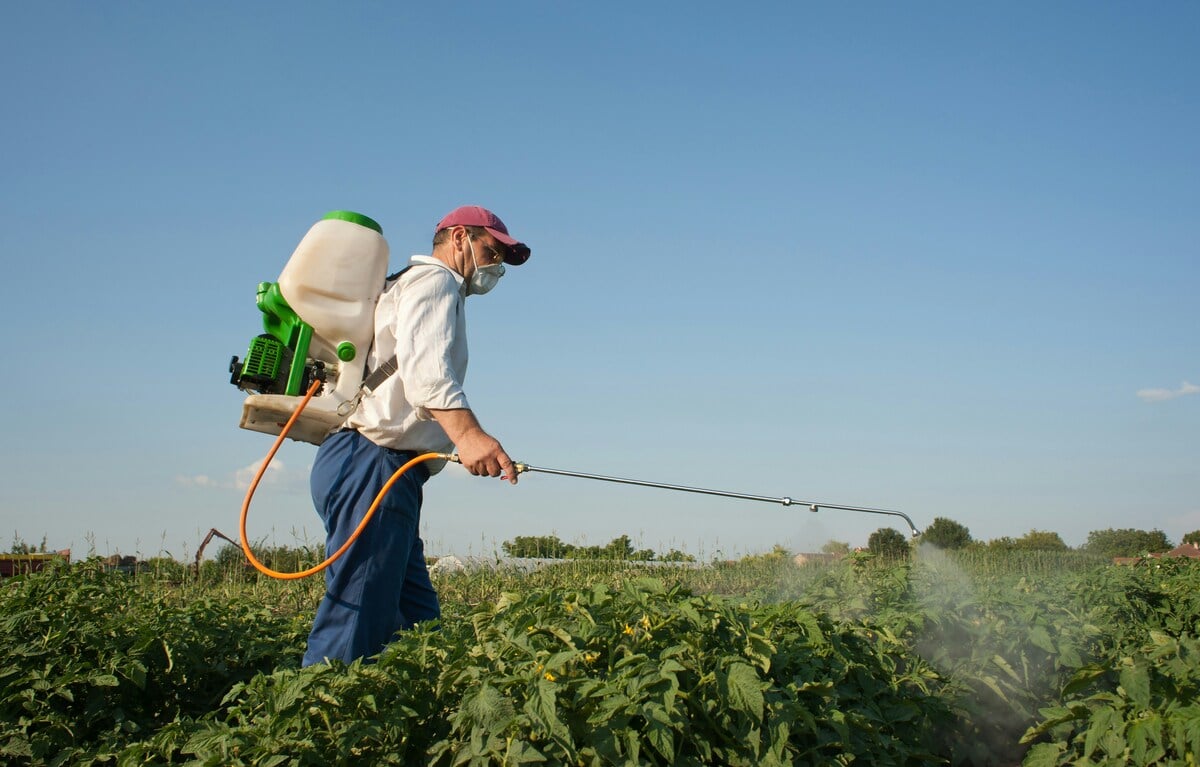
The human toll of chemical agriculture is disproportionately borne by those who handle the products directly. Farmers, commercial applicators, landscapers, and home gardeners represent the frontline of exposure. The confirmation that even low-level exposure can compromise cellular integrity underscores the urgent need for enhanced personal protective equipment (PPE), rigorous occupational health monitoring, and a cultural shift toward safer agricultural practices.
3. The Shift Toward Regenerative and Organic Agriculture
As consumer awareness grows regarding the ubiquity of pesticide residues in the food supply, market demand for organically grown food continues to rise. The study provides robust scientific backing for consumers who choose organic diets to minimize their chemical load. Furthermore, it adds urgency to the transition toward regenerative agriculture—farming methods that reduce or eliminate synthetic chemical inputs in favor of biological pest management, cover cropping, and soil health restoration.
4. A Reckoning for Chemical Accountability
Even as corporate legal teams celebrate victories in high courts, the court of public opinion and scientific consensus is moving in the opposite direction. As independent research continues to uncover the insidious biological mechanisms of low-dose chemical exposure, the agricultural sector faces an inevitable reckoning: can modern farming sustainably feed the world without compromising the genetic health of the very populations it aims to nourish?
The findings are clear: when it comes to the complex chemistry sprayed across our fields and woven into our food supply, "low enough" may no longer mean safe.
