


By Emily Monaco
Published in Health & Wellness Insights
Main Facts: The Produce Paradox and Emerging Concerns
For decades, public health messaging has remained remarkably consistent: eat a colorful, plant-forward diet rich in fresh fruits, vegetables, legumes, and whole grains to lower your risk of chronic illness and cancer. However, a groundbreaking and counterintuitive study recently published by researchers at the University of Southern California has challenged this deeply ingrained dietary narrative.
The study reveals that Americans under the age of 50 who have never smoked—a demographic traditionally considered at very low risk for lung cancer—actually demonstrated a higher risk of developing the disease when consuming diets rich in fruits and vegetables.
Before panic sets in across grocery store aisles, researchers emphasize that the produce itself is likely not the villain. Instead, scientists point a finger at a pervasive and invisible hitchhiker: agricultural pesticides.
This startling revelation highlights a critical blind spot in modern nutritional science. For generations, society has evaluated food purely by its botanical category—labeling an item as a fruit, vegetable, or grain—without critically examining its lifecycle prior to reaching the plate. As medical professionals note, a food item can be packed with vitamins and minerals while simultaneously serving as a vehicle for harmful chemical exposures.

Chronology: Tracing the Rise of Young Lung Cancer and the New Research
The genesis of this recent study lies in an alarming epidemiological trend that has puzzled oncologists and public health officials alike.
Since the mid-1980s, smoking rates across the United States have steadily declined, bringing down overall lung cancer diagnoses with them. Yet, in recent years, physicians began noticing a baffling counter-trend: a notable uptick in lung cancer cases specifically diagnosed among young, healthy non-smokers under 50.
Seeking to understand this epidemiological anomaly, researchers launched the Epidemiology of Young Lung Cancer Project. By analyzing the detailed dietary habits, environments, and lifestyles of 187 individuals diagnosed with lung cancer before turning 50, the project sought to isolate shared risk factors that could explain the disease’s unexpected appearance in a non-smoking cohort.
The preliminary findings pointed heavily toward environmental chemical exposures, specifically pesticides. Two major clues emerged from the data:
- Biological Distinction: The specific form of lung cancer diagnosed in these young individuals was biologically distinct from the tobacco-related variants typically seen in older smokers.
- Gender Disparity: Researchers observed a surprising gender bias, with young women showing a disproportionately higher risk of developing the disease. This is particularly striking given that lung cancer has historically been associated with older male smokers.
Study authors suggest that this gender gap may be directly linked to dietary patterns: women in the cohort tended to consume significantly more fresh produce and whole grains than their male counterparts, inadvertently multiplying their exposure points to pesticide residues.

Supporting Data: Contextualizing Risk Factors and Environmental Influences
While the findings of the Epidemiology of Young Lung Cancer Project are provocative, experts are quick to contextualize the data as observational rather than definitive.
Dr. Ayesha Bryant, MD, MSPH, Clinical Advisor at Alpas Wellness Centers in Maryland, emphasizes the complex nature of oncology. Dr. Bryant, who was not involved in the research, notes that proving direct causality between a single environmental exposure—such as pesticide residue—and lung cancer is exceptionally difficult.
"The amount of risk associated with lung cancer is influenced by a multi-layered matrix of factors," Dr. Bryant explains. These variables include:
- Genetics and family history
- Chronic ambient air pollution
- Occupational work environments
- Exposure to passive (secondhand) cigarette smoke
- Personal lifestyle and dietary choices
Because observational studies cannot completely isolate and control for every possible confounding variable, experts agree that these findings represent an association rather than a definitive cause-and-effect relationship.
Furthermore, structural roadblocks continue to obscure the issue. Following the recent legislative rejection of amendments to the Farm Bill, holding chemical and pesticide manufacturers legally accountable for consumer warnings remains an uphill battle. Consequently, the burden of minimizing health risks falls squarely on the shoulders of individual consumers.

Official Responses: Perspectives from Integrative Oncology and Medicine
The medical community’s response to the USC study balances caution with a call for proactive investigation.
Dr. Nathan Goodyear, a nationally recognized physician specializing in integrative oncology, precision medicine, and emerging cancer therapies, as well as co-founder of the Williams Cancer Institute, views the study as a necessary wake-up call. Like Dr. Bryant, Dr. Goodyear was not involved in the research, but he finds the broader implications unsurprising.
"The finding is surprising because it runs counter to the prevailing dominant nutrition narrative: eat more fruits, vegetables, legumes, and whole grains, and cancer risk will decrease," Dr. Goodyear acknowledges. However, he adds, "The bigger picture does not surprise me. We have made the mistake of defining food only by what it is—a fruit, a vegetable, a grain—without asking what happened to that food before it reached the plate."
When asked whether the study definitively proves that pesticides cause these non-smoker cancers, Dr. Goodyear is direct: "No. Yet, it definitely raises the question. That is different from answering it. But it is a question and answer clearly worth pursuing."
To move from association to definitive causation, Dr. Goodyear advocates for advanced scientific follow-ups. Future research, he suggests, must focus on identifying pesticide-specific mutational, epigenetic, and metabolic signatures in patients. Pinpointing these biological footprints would finally connect the dots between agricultural chemical exposure and cellular disease.
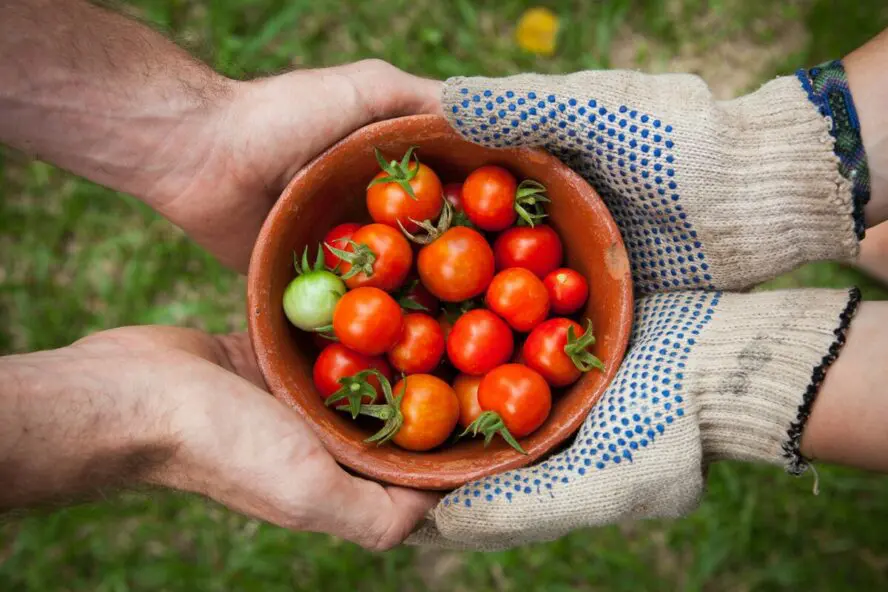
Implications: Practical Steps to Minimize Pesticide Exposure Without Abandoning Healthy Diets
The ultimate takeaway for consumers is not to abandon healthy eating, but rather to refine how we approach our food sources. Both Dr. Bryant and Dr. Goodyear stress that the vast majority of medical research continues to validate the profound health benefits of eating fruits and vegetables. Fearing pesticide residues should never serve as an excuse to eliminate produce from your diet.
Instead, the goal is informed risk management—taking practical, evidence-based steps to lower your cumulative chemical burden without generating undue anxiety. Here are the core strategies recommended by medical and wellness experts:
1. Source Organic Produce and Support Local Growers
Buying organic remains one of the most effective ways to lower dietary pesticide exposure. Because harmful synthetic chemicals—such as organophosphate pesticides—remain legal and heavily utilized by conventional agriculture, seeking out the USDA Organic label at supermarkets is a vital safeguard.
Beyond corporate organic labels, Dr. Goodyear recommends developing relationships with local farmers. "Local growers using organic, regenerative, or integrated pest-management practices are excellent options, even when they do not carry formal organic certification," he notes. In some cases, local regenerative growers may offer cleaner produce than imported items bearing formal organic labels, which can sometimes be compromised by lax international supply chain oversight.
When shopping conventional, consumers should pay special attention to the Environmental Working Group’s (EWG) annual "Dirty Dozen" list, which highlights fruits and vegetables most prone to high pesticide loads.

2. Diversify Your Diet
Eating the exact same foods from the exact same grocery store suppliers day after day can repeatedly expose your body to a static chemical profile. To mitigate this, Dr. Goodyear advises diversifying your diet by rotating seasonal produce and sourcing ingredients from a variety of different farms and regions.
3. Wash and Prepare Produce Diligently
While washing cannot eliminate systemic pesticides that have been absorbed directly into the cellular structure of a plant, it remains an essential first line of defense against surface residues.
- Scrub firm fruits and vegetables thoroughly under running water.
- Remove the outer leaves of leafy greens like lettuce and cabbage.
- Peel produce when appropriate, keeping in mind that peeling can occasionally strip away beneficial dietary fiber and nutrients.
Because washing is imperfect, choosing organic is particularly vital for soft-skinned fruits—such as berries and stone fruits—that cannot easily be peeled.
A Mindful Approach to Modern Nutrition
Ultimately, navigating the modern food supply is not about living in a state of fear. It is about understanding the realities of modern agriculture and making empowered choices. By sourcing mindfully, diversifying our plates, and demanding greater accountability from regulators and food producers, we can continue to reap the profound nutritional benefits of a plant-forward diet while protecting our long-term health.
