

LOS ANGELES — In the modern landscape of holistic wellness, ancient energetic traditions are increasingly being examined through the lens of modern physics. Among the most popular modalities experiencing a contemporary renaissance is crystal chakra healing—a practice historically dismissed as purely esoteric, but which is now gaining traction as a verifiable method of vibrational bio-resonance.
As part of a comprehensive three-part exploratory series examining the mechanics of mineral-based energy work, wellness practitioners and educators are breaking down the precise scientific principles—specifically the law of entrainment and electromagnetic wavelengths—that explain how physical stones can allegedly influence human emotional and energetic states.
Main Facts: Decoding the Seven Major Energy Hubs
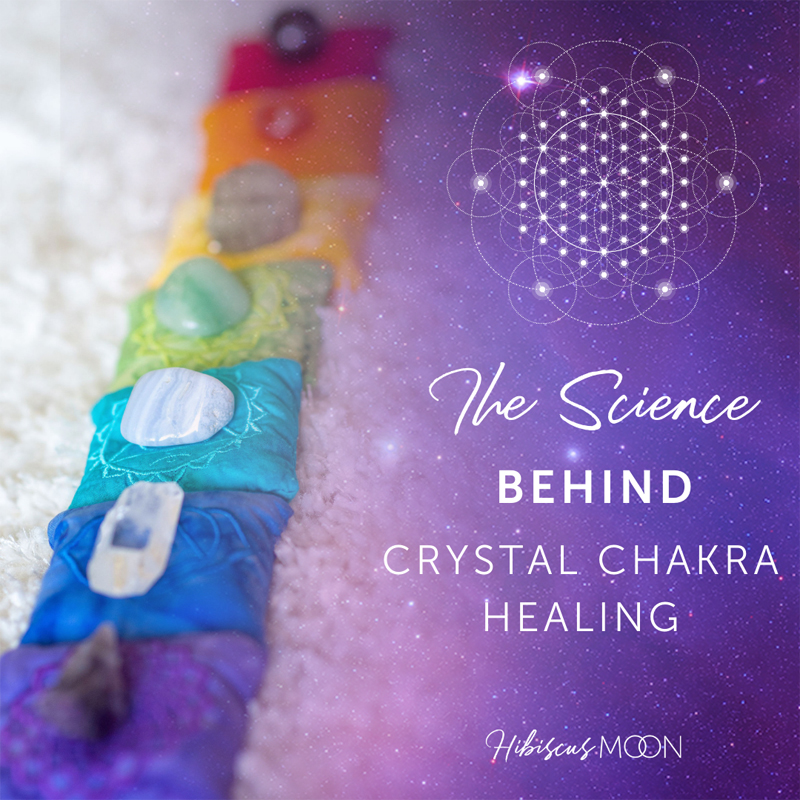
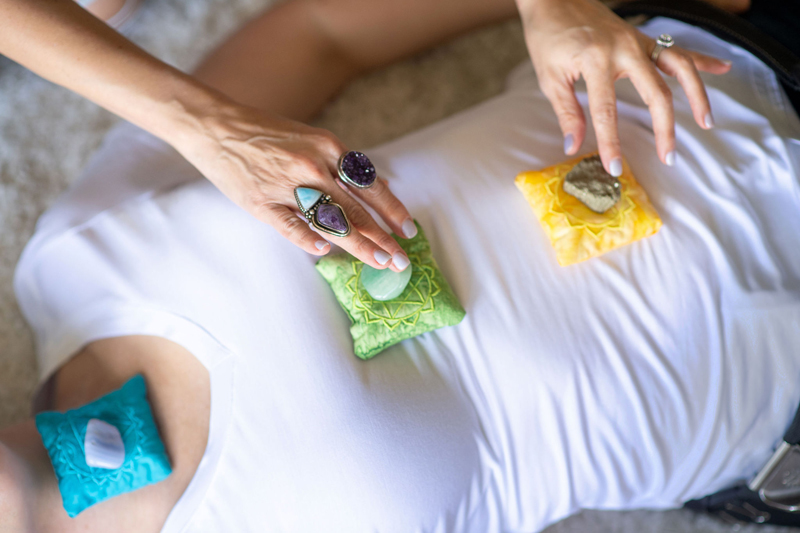
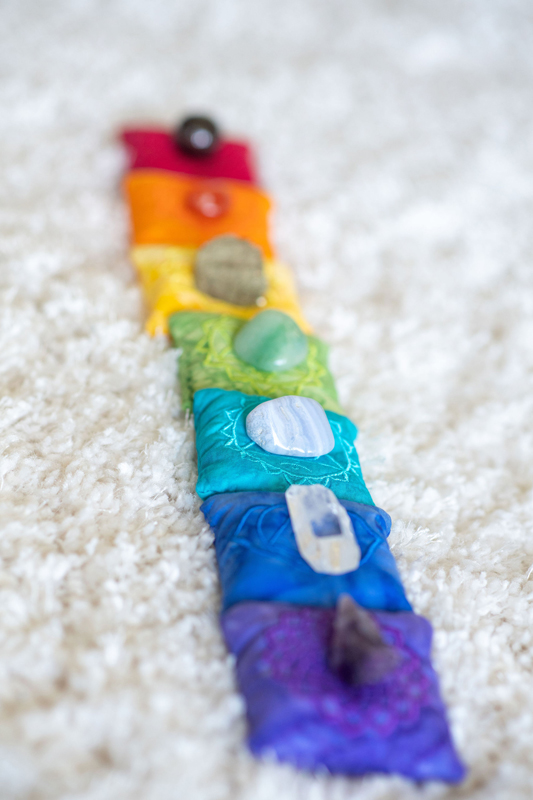
At the core of crystal chakra healing are the seven primary chakras: the Root, Sacral, Solar Plexus, Heart, Throat, Third Eye, and Crown. While human anatomy and esoteric frameworks recognize a vast network of energetic pathways throughout the body, these seven major hubs serve as the primary processing centers for physical, emotional, and spiritual well-being.
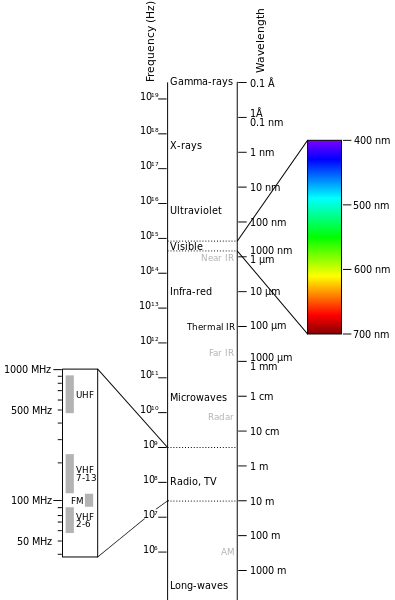
Each of these major hubs operates at a distinct vibrational frequency and corresponds directly to a specific color within the visible light spectrum. Following the familiar mnemonic of the rainbow—ROY G BIV (Red, Orange, Yellow, Green, Blue, Indigo, Violet)—the chakras ascend sequentially from the base of the spine to the crown of the head.
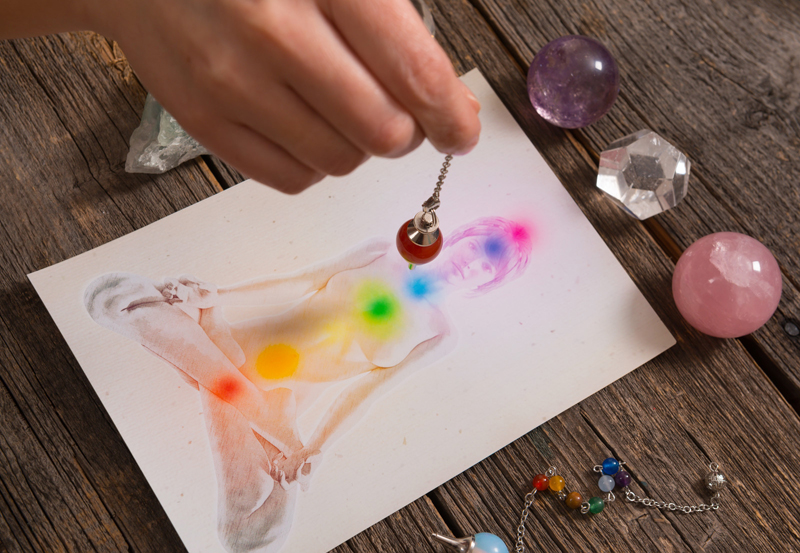
Far from being a coincidental cultural construct, this color sequence mirrors the physics of the electromagnetic (EM) spectrum. Each chakra is intrinsically linked to specific anatomical regions, physiological functions, and psychological states. For instance, addressing fears and anxieties typically involves focusing on the Root chakra, while cognitive and intuitive blockages are routed through the upper chakras, such as the Third Eye.
Chronology: The Evolution from Ancient Practice to Modern Physics
The utilization of crystals for health and spiritual alignment is far from a modern invention.
- Ancient Antiquity: Civilizations spanning ancient Egypt, Mesopotamia, and traditional Chinese medicine have utilized gemstones for amulets, elixirs, and energetic realignment for millennia. Crystals were traditionally chosen based on intuitive matching, where healers paired the color of a stone with the perceived ailment of a patient.
- Mid-to-Late 20th Century: The holistic health movement of the 1970s and 80s brought alternative healing into Western mainstream culture. Seminal literature, such as Joy Gardner’s Vibrational Healing Through the Chakras, began formally bridging the gap between metaphysical traditions and sensory therapies like color, sound, and aromatherapy.
- The 21st Century (The Scientific Turn): In recent decades, holistic educators—particularly former science professionals turned crystal practitioners—have shifted the narrative. By integrating principles of quantum physics, wave mechanics, and molecular chemistry, practitioners have moved the conversation away from blind faith and toward demonstrable biophysical phenomena, such as electromagnetic frequency matching and molecular lattice stability.
Supporting Data: The Physics of Entrainment and Crystalline Structure
To understand how a physical mineral can impact a human energetic field, researchers and educators frequently point to a foundational principle of physics: entrainment.
The Principle of Entrainment
First observed by physicist Christiaan Huygens in 1665 with pendulum clocks, entrainment dictates that two interacting oscillating systems, which have different frequencies, tend to take on a common frequency. In practical terms, energy of a higher amplitude will dominate and influence a similar frequency of lower amplitude.
This is easily demonstrated using acoustic tuning forks. When a tuning fork of a specific frequency is struck with high energy (high amplitude) near a second, passively vibrating fork of the same frequency, the second fork will absorb the energy and increase its volume to match the dominant source.
The Role of Atomic Geometry
Human beings are complex biological organisms containing various mineral traces, but our overall atomic structure is relatively amorphous compared to the mineral kingdom.
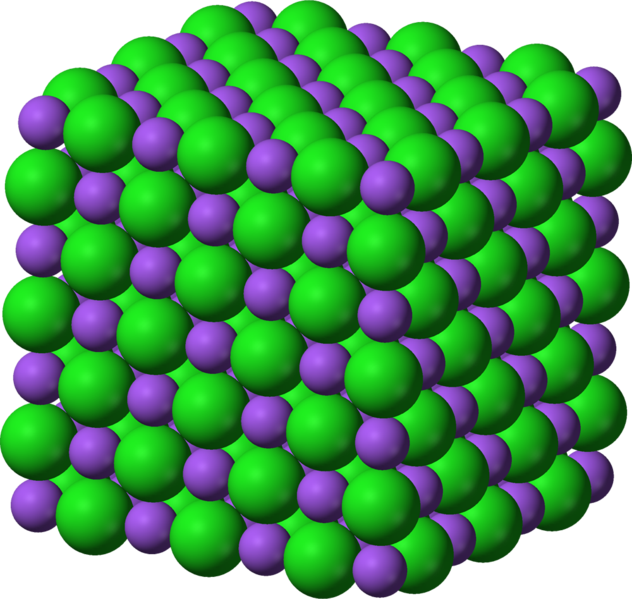
Crystals, by definition, possess a precise, repeating geometric pattern in their molecular blueprint—such as the perfect cubic lattice of sodium chloride (salt) or the trigonal structure of quartz. Because of this flawless atomic architecture, minerals maintain a remarkably stable, unwavering frequency.
When a crystal is introduced into a human energetic field, its high-amplitude, highly stable electromagnetic frequency interacts with our fluctuating biofield. Through entrainment, an out-of-balance chakra is gently compelled to match the harmonious, precise frequency of the stone. This process stabilizes the local energy field, helping to clear out energetic blockages and restore biochemical and emotional equilibrium.
Official Responses and Holistic Implications
While conventional allopathic medicine remains largely skeptical of vibrational and crystal healing, integrative health specialists and psychotherapists are increasingly noting the complementary benefits of incorporating chakra work into traditional mental health regimens.
The Complementary Role of Therapy
Traditional psychiatric care and talk therapy remain cornerstones for treating complex psychological conditions such as chronic anxiety and trauma. However, holistic practitioners emphasize that physical and energetic modalities can serve as powerful catalysts.
Clinical observations from holistic practitioners suggest that individuals undergoing long-term psychotherapy for deep-seated emotional blocks often experience accelerated breakthroughs when simultaneously addressing the corresponding chakra through targeted crystal work. By engaging the physical body and its subtle energy fields, clients frequently report a quicker return to emotional stability, suggesting a synergistic relationship between talk therapy and somatic-energetic practices.
The Debate on Color Mechanics
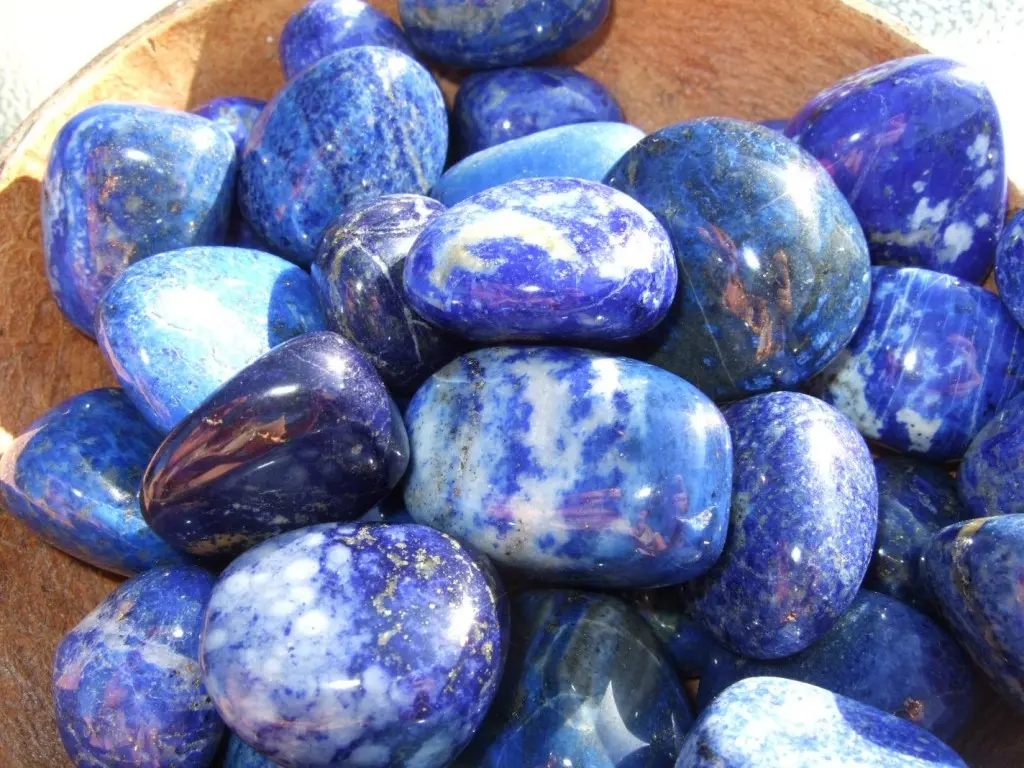
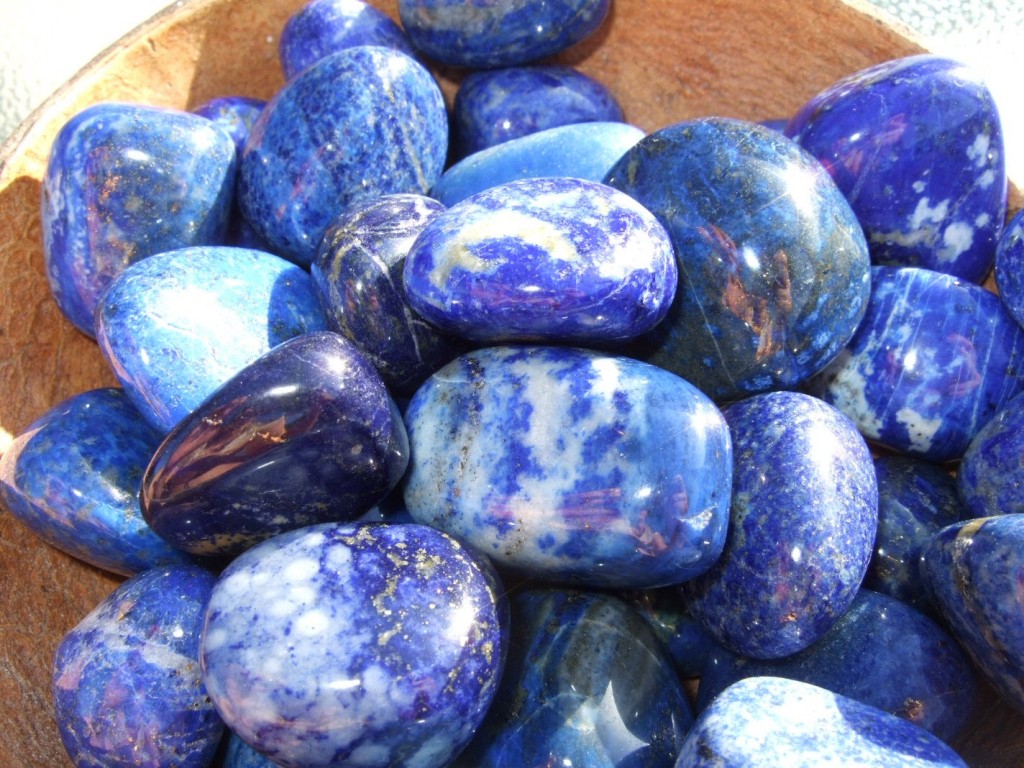
A common point of academic debate within optics and crystal healing pertains to the use of color matching—such as using an indigo lapis lazuli for the Third Eye chakra.
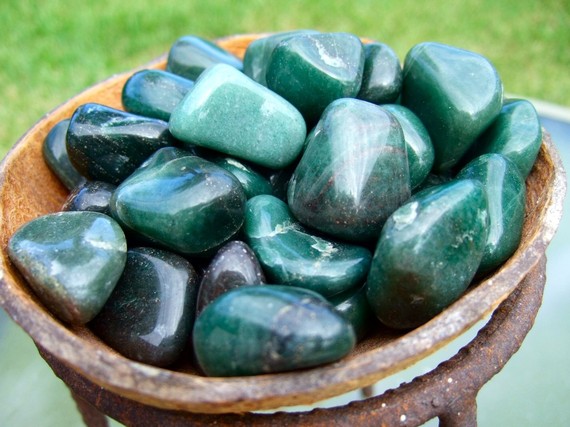
Skeptics often argue that the color visible to the human eye is merely the wavelength being reflected by the stone rather than absorbed, implying that the stone is casting away the very energy it is purported to hold.
However, holistic practitioners counter this argument through the lens of environmental bathing. If a mineral reflects a specific light frequency, that precise light wavelength is actively saturating the immediate environment of the chakra. Case studies and practitioner observations consistently indicate that this optical bathing effect successfully triggers the desired entrainment response, validating color-matching as a reliable and effective healing heuristic.
Conclusion: The Future of Vibrational Wellness
As the boundaries between conventional science and holistic wellness continue to blur, practices like crystal chakra healing are finding a legitimate space in modern self-care routines. By understanding the underlying physics of electromagnetic frequencies, molecular geometry, and the law of entrainment, individuals can approach crystal healing not as a matter of blind superstition, but as an interactive engagement with the fundamental laws of nature.
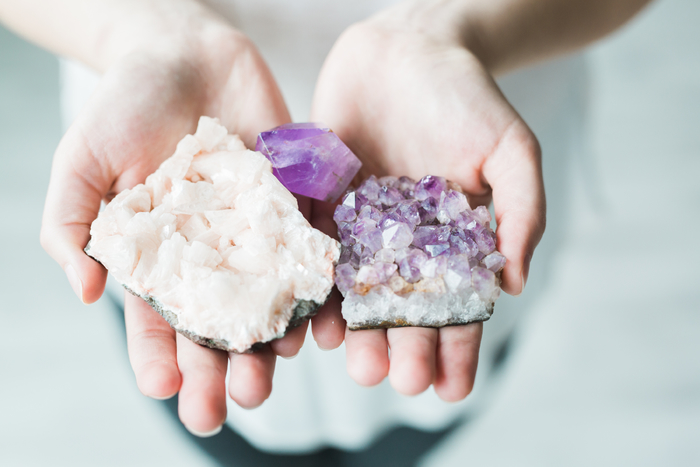
Whether one is utilizing an amethyst point to soothe an overactive mind or a green aventurine to open the heart, the science of vibration suggests that harmony is always within our resonant reach.
