

Main Facts
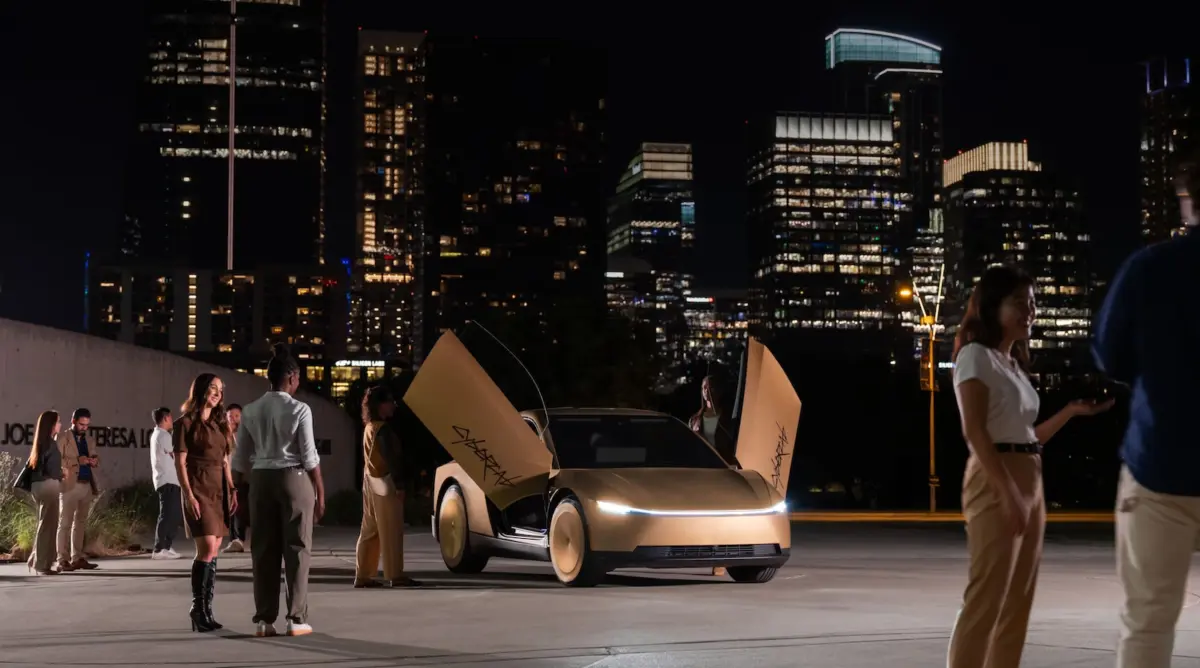
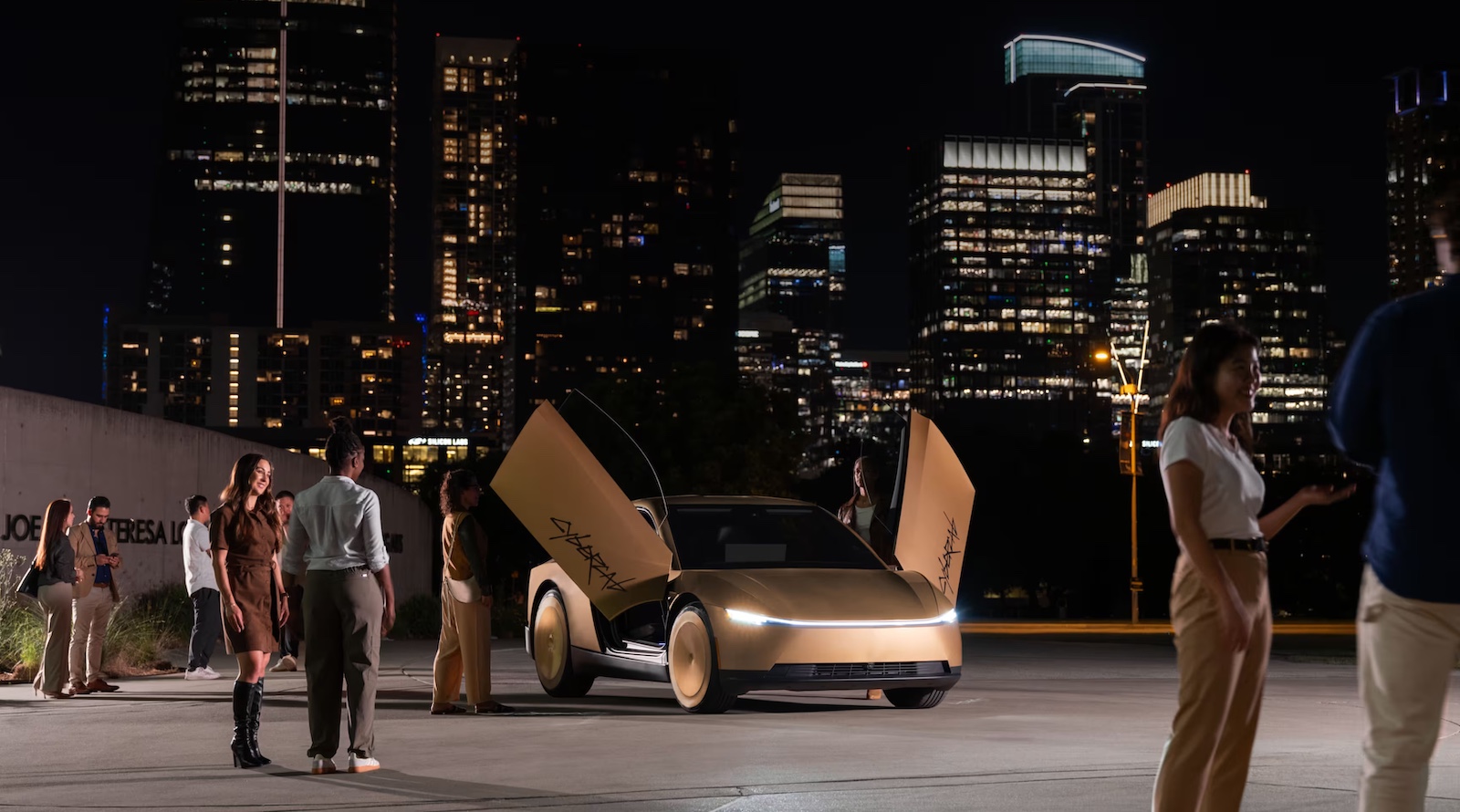
Tesla’s recent rollout of its custom-designed Cybercab in Austin, Texas, has triggered a high-stakes federal inquiry. Unveiled to considerable public and media attention, the heavily anticipated vehicle departs radically from traditional automotive design by completely omitting manual driver controls—including a steering wheel, pedals, and side mirrors. However, this minimalist, fully autonomous approach has immediately collided with federal oversight.
The U.S. National Highway Traffic Safety Administration (NHTSA) has officially launched an investigation into the compliance of up to 1,000 Cybercabs produced by the electric vehicle pioneer. The core of the regulatory dispute centers on whether Tesla followed proper legal channels and adhered to existing Federal Motor Vehicle Safety Standards (FMVSS) before deploying these vehicles.
While the NHTSA floated a regulatory proposal in June suggesting that the federal government might eventually eliminate the mandatory requirement for manual brake pedals in fully self-driving vehicles, that framework remains strictly a proposal. Under current federal law, the mandate requiring manual controls remains fully enforceable. Consequently, the regulatory body is aggressively examining the technical data and compliance pathways Tesla relied upon to certify the Cybercab fleet.
Unlike competitors such as Zoox—which successfully navigated federal red tape by formally petitioning the NHTSA for exemptions to deploy paid, human-control-free robotaxis on U.S. roads—Tesla has not pursued a similar formal petition process. This discrepancy has raised immediate legal red flags, casting a shadow over what was meant to be a landmark milestone for autonomous transportation.
Chronology of Events
To understand the current regulatory standoff, it is essential to trace the timeline leading up to the Austin launch and the immediate aftermath that drew federal intervention:
- Years in Development: For roughly a decade, CEO Elon Musk and Tesla executives have heavily hyped the concept of a dedicated, steering-wheel-free robotaxi network as the cornerstone of the company’s transition from a hardware manufacturer to an autonomous ride-hailing provider.
- June (Prior to Launch): The NHTSA issues a preliminary proposal considering the removal of mandatory manual brake pedal requirements for fully autonomous vehicles, signaling a shifting regulatory landscape but leaving existing safety rules intact.
- Late July: Competitor Zoox secures historic approval from U.S. safety regulators to operate paid robotaxis without human controls on public roads, establishing a clear legal precedent through a formal petitioning process.
- This Week: Tesla officially launches its custom Cybercab in Austin, Texas. The vehicles debut without steering wheels, pedals, or side mirrors. Notably, the rollout diverges from past high-profile Tesla events: the launch is not livestreamed, and Elon Musk is conspicuously absent from the proceedings.
- Friday Following the Launch: The NHTSA publicly confirms it is opening an investigation into Tesla’s certification process and compliance data regarding the first 1,000 Cybercabs, questioning whether the automaker bypassed statutory requirements for exempting vehicles from federal safety standards.
Supporting Data and Regulatory Precedent
The friction between Tesla and the NHTSA highlights a complex web of federal statutes designed to govern automotive safety while accommodating rapidly evolving technology.
The Regulatory Framework
Automakers operating in the United States are legally required to self-certify that their vehicles comply with all applicable Federal Motor Vehicle Safety Standards before placing them on public roads. When manufactured vehicles appear to deviate from these requirements without approved exemptions, the NHTSA is statutorily obligated to intervene.
- Vehicle Count: The current federal inquiry focuses specifically on an initial batch of up to 1,000 Cybercabs.
- Exemption Pathways: Under existing legal mechanisms, manufacturers seeking to deploy vehicles without traditional controls must file petitions demonstrating that the lack of standard equipment does not compromise safety, or that an exemption serves the public interest.
- The Zoox Benchmark: Zoox’s successful deployment relied heavily on transparent engagement and formal petitioning with the NHTSA, a route that allowed federal regulators to review, vet, and formally approve vehicles lacking human controls. Tesla’s failure to replicate this formal petition process forms the core of the agency’s current probe.
Financial and Operational Timing
Industry analysts have noted that the timing of the Cybercab rollout coincides closely with the end of a financial quarter. Given that Tesla has reportedly been manufacturing Cybercab hardware components over an extended period, questions have been raised regarding whether the rushed, non-livestreamed launch served as a strategic maneuver for corporate storytelling and financial presentation ahead of upcoming quarterly earnings reports.
Official Responses
As the investigation unfolds, key regulatory figures and industry observers have weighed in on the legality and implications of the rollout.
NHTSA’s Stance
NHTSA Administrator Jonathan Morrison issued a clear statement outlining the agency’s dual mission: balancing innovation with strict adherence to the law.
"The agency is investigating the basis of Tesla’s Cybercab certification and related issues, including the extent to which the company determined that certain standards were not applicable to the vehicle," Reuters reported.
Adding institutional context, Morrison emphasized:
"NHTSA fully supports the safe development and deployment of automated vehicles. But as the federal regulator, we need to ensure that all of our laws are followed."
According to agency disclosures, investigators are meticulously combing through the technical data and compliance rationales provided by Tesla to determine how the company justified bypassing established motor vehicle safety standards for the Austin fleet.

Industry and Public Reaction
Tesla has yet to issue a comprehensive public defense detailing its specific legal justification for circumventing a formal NHTSA exemption petition. However, legal and automotive analysts have expressed bewilderment at the approach. By launching a non-compliant fleet in broad daylight without the protective backing of a formal federal waiver, Tesla has deliberately invited regulatory confrontation.
Implications for the Future of Autonomous Driving
The outcome of the NHTSA investigation into Tesla’s Cybercab rollout carries profound ramifications for the broader autonomous vehicle (AV) industry, regulatory enforcement in the United States, and Tesla’s corporate trajectory.
1. Regulatory Precedent and Enforcement
If the NHTSA takes a lenient stance—or issues what critics characterize as a mere "slap on the wrist"—it could signal a permissive regulatory environment where major automakers feel emboldened to bypass federal safety certification processes in favor of rapid market deployment. Conversely, a strict enforcement action could establish a hard ceiling for autonomous innovation, reaffirming that statutory compliance and formal exemption processes cannot be bypassed simply through corporate scale or executive ambition.
2. Political and Institutional Dynamics
The regulatory landscape under the current administration introduces additional layers of unpredictability. Observers note that political dynamics and potential perceptions of institutional favoritism or double standards may influence how aggressively the NHTSA pursues penalties. If federal oversight appears toothless, public trust in the regulatory oversight of autonomous vehicles could erode significantly.
3. Market Confidence and Tesla’s Strategy
For Tesla, the peculiar nature of the Austin launch—marked by Musk’s absence, the lack of a livestream, and an apparent lack of legal preparation—leaves investors questioning the maturity and readiness of the robotaxi initiative. While the Cybercab represents the realization of a decade-long ideological goal, stumbling at the regulatory starting gate threatens to delay nationwide scaling.
Ultimately, the NHTSA’s investigation will do more than test Tesla’s compliance framework; it will serve as a definitive litmus test for how American regulators police the bleeding edge of transportation technology, balancing the relentless pressure for innovation against the immutable rule of law.
