

By the Editorial Wellness Desk
Published as Part 2 of the Holistic Energy & Crystal Healing Series
Main Facts
In the modern landscape of holistic health, energy medicine has transitioned from ancient esoteric traditions to a widely recognized complement to physical wellness. Building upon foundational scientific principles of vibrational frequencies and biofields—explored in Part 1 of this ongoing series—practitioners and wellness seekers alike frequently arrive at a critical juncture: How do you accurately determine which specific energy center, or chakra, requires balancing?
According to leading crystal master and educator Hibiscus Moon, identifying an imbalanced chakra is not reserved for individuals born with rare spiritual gifts. Instead, it is a systematic skill grounded in self-awareness, observation, and structured diagnostic techniques. The methodology relies on four primary assessment pillars:
- Standardized Chakra Diagnostic Tests: Utilizing structured questionnaires designed to map out emotional and physical symptoms against specific energy centers.
- Symptom Pattern Recognition: Analyzing clusters of physical ailments and recurring emotional roadblocks that typically correspond to distinct chakras.
- Active Energy Sensing: Utilizing physical tools, most notably dowsing pendulums, to detect subtle energy shifts and blockages in the biofield.
- Intuitive Development: Strengthening "clair-senses" and internal meditative insights to gauge energetic states directly.
By integrating these methodologies, practitioners can cross-verify their findings—a practice known as establishing a "chakra consensus"—to pinpoint blockages and apply targeted remedies, such as specific mineral crystals, to restore energetic equilibrium.
Chronology
The formalization of chakra diagnostics has evolved significantly over the past century, bridging the gap between ancient Eastern philosophical traditions and contemporary Western holistic modalities.
- Ancient Roots to Mid-20th Century: The concept of chakras—derived from the Sanskrit word for "wheel" or "disk"—originated in the Vedic traditions of India between 1500 and 500 BCE. For millennia, understanding these spinning vortices of subtle energy relied strictly on oral traditions, guru-disciple transmissions, and advanced meditative states.
- The 1970s–1990s (Western Integration): As holistic health and New Age philosophies gained traction in the West, pioneers began translating complex energetic frameworks into accessible self-help formats. This era saw the introduction of preliminary written assessment tools, symptom-mapping charts, and the widespread adoption of pendulum dowsing in metaphysical communities.
- The 2000s–Present (Structured Education and Scientific Parallels): Modern academies, such as the Certified Crystal Practitioner Course framework, formalized the training of everyday individuals in energy sensing. Rather than framing chakra work as an untestable mystery, contemporary educators emphasize that intuition and energy perception function like neurological and muscular systems—they can be measured, trained, and refined through consistent practice.
Supporting Data and Diagnostic Frameworks
To move beyond guesswork, holistic practitioners rely on established diagnostic indicators to evaluate the state of the body’s seven primary chakras (ranging from the Root Chakra at the base of the spine to the Crown Chakra at the top of the head).
1. The Reliability of Chakra Quizzes
Online diagnostic questionnaires serve as an accessible entry point for beginners. When designed using comprehensive psychological and physiological parameters, these tests prompt users to evaluate their current life circumstances, emotional triggers, and stress responses.
- The Mechanism: Users answer a series of targeted questions regarding feelings of safety, creativity, personal power, empathy, communication, intuition, and spiritual connection.
- The Application: High scores in specific negative categories highlight an overactive or underactive chakra. Practitioners then pair the resulting energy center with corresponding vibrational tools, such as specific colored crystals (e.g., red jasper for the Root, amethyst for the Crown).
2. Physical and Emotional Pattern Recognition
A single headache or a fleeting moment of anxiety is rarely enough to diagnose a blocked chakra. However, a syndrome—a persistent cluster of recurring physical symptoms and emotional roadblocks—often points directly to an energetic imbalance.
- Root Chakra (Muladhara): Manifests physically as lower back pain, fatigue, or immune disorders; emotionally characterized by chronic financial insecurity or a pervasive lack of safety.
- Heart Chakra (Anahata): Manifests physically as tightness in the chest or respiratory sensitivities; emotionally marked by grief, isolation, or an inability to set healthy boundaries.
- Throat Chakra (Vishuddha): Manifests physically as chronic sore throats or thyroid imbalances; emotionally tied to the fear of public speaking or feeling silenced in relationships.
3. The Science and Practice of Energy Sensing
Energy sensing moves the diagnostic process from intellectual deduction to sensory perception. While advanced techniques require rigorous training, safety protocols, and practice, beginners frequently start with a pendulum.
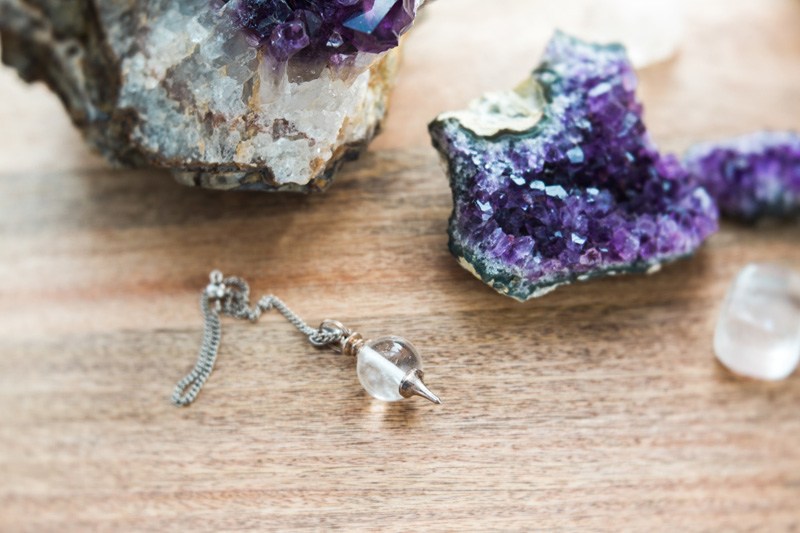
- How it Works: A crystal or metal pendulum is suspended over each chakra point while the subject lies or sits comfortably.
- Reading the Response: A balanced chakra typically causes the pendulum to swing in a steady, predictable circular or linear motion. An erratic, weak, or blocked flow often causes the pendulum to stall, spin erratically, or deflect entirely, signaling an energetic disruption.
Official Perspectives and Expert Insights
Holistic educators and published literature emphasize that energy literacy is a universal human capacity rather than an exclusive privilege.
In foundational texts such as Vibrational Healing Through the Chakras and The Crystal Healer, experts stress that the human biofield constantly communicates its state of health. When an individual ignores these subtle warning signs, the body and psyche escalate their signals, turning subtle energetic fatigue into overt physical or emotional distress.
According to prominent crystal educators, the biggest misconception in energy work is that individuals must possess natural, unteachable clair-abilities to read chakras. In official course curriculums and public workshops, instructors maintain that:

- Intuition is a Muscle: Just as physical strength requires exercise, intuitive faculties—whether clairvoyance (clear seeing), clairaudience (clear hearing), or clairsentience (clear feeling)—atrophy when ignored and expand rapidly when actively trained.
- Consensus Eliminates Doubt: Beginners are routinely encouraged to avoid relying on a single diagnostic method. By combining a chakra questionnaire, an evaluation of physical symptoms, and a pendulum reading, users establish a "consensus," drastically reducing false positives caused by temporary mood swings or external stressors.
Implications for Personal Wellness and Growth
The integration of structured chakra balancing into daily self-care routines carries profound implications for modern preventative health and mental well-being.
Bridging Mind and Body
By recognizing that emotional stress and physical ailments often share a common energetic root, individuals are empowered to take a more proactive, holistic approach to their health. Rather than treating symptoms in isolation, chakra diagnostics encourage a comprehensive review of lifestyle habits, emotional boundaries, and spiritual fulfillment.
Cultivating Self-Reliance
Learning to sense one’s own energetic state fosters a deep sense of self-reliance. As practitioners hone their skills over time through consistent observation and tool utilization—such as working with healing crystals and pendulums—they transition from needing external validation to developing an intuitive "inner knowing." They begin to sense imbalances the moment they arise, correcting course before minor energetic friction escalates into major life disruption.
Stay tuned for Part 3 of this series, where we will explore advanced protocols on how to precisely utilize crystals and vibrational tools to restore and harmonize your chakra system.
