

PHILIPSBURG, MONTANA — For decades, the metric of a successful vacation was exhaustively quantitative. Travelers measured time off by the sheer volume of sights consumed: itineraries packed with breathless dashes between monuments, crowded museum queues conquered, and hundreds of passport stamps collected to prove productivity in leisure. Vacations, it seemed, had become an extension of the corporate rat race.
Today, however, the paradigm of wealth and high-end travel has undergone a seismic, quiet revolution. As burnout, digital saturation, and the inescapable tether of modern connectivity push modern professionals to their psychological limits, the ultimate status symbol has fundamentally changed. The most coveted luxury suites, packed itineraries, and VIP reservations have taken a backseat to something infinitely rarer and more expensive: absolute peace and quiet.
According to Hilton’s 2026 travel trends report, rest and recharge have officially eclipsed all other motivations for travel. This cultural pivot toward what industry insiders call "hushpitality"—the pursuit of sweet silence—underscores a collective exhaustion with the noise of contemporary life.
It was this profound, gnawing hunger for deep rest that led me deep into the sweeping, majestic valleys of Granite County, Montana, to experience firsthand what many consider the gold standard of restorative travel: The Ranch at Rock Creek.
Main Facts: A Historic Homestead Meets Modern Five-Star Sanctuary
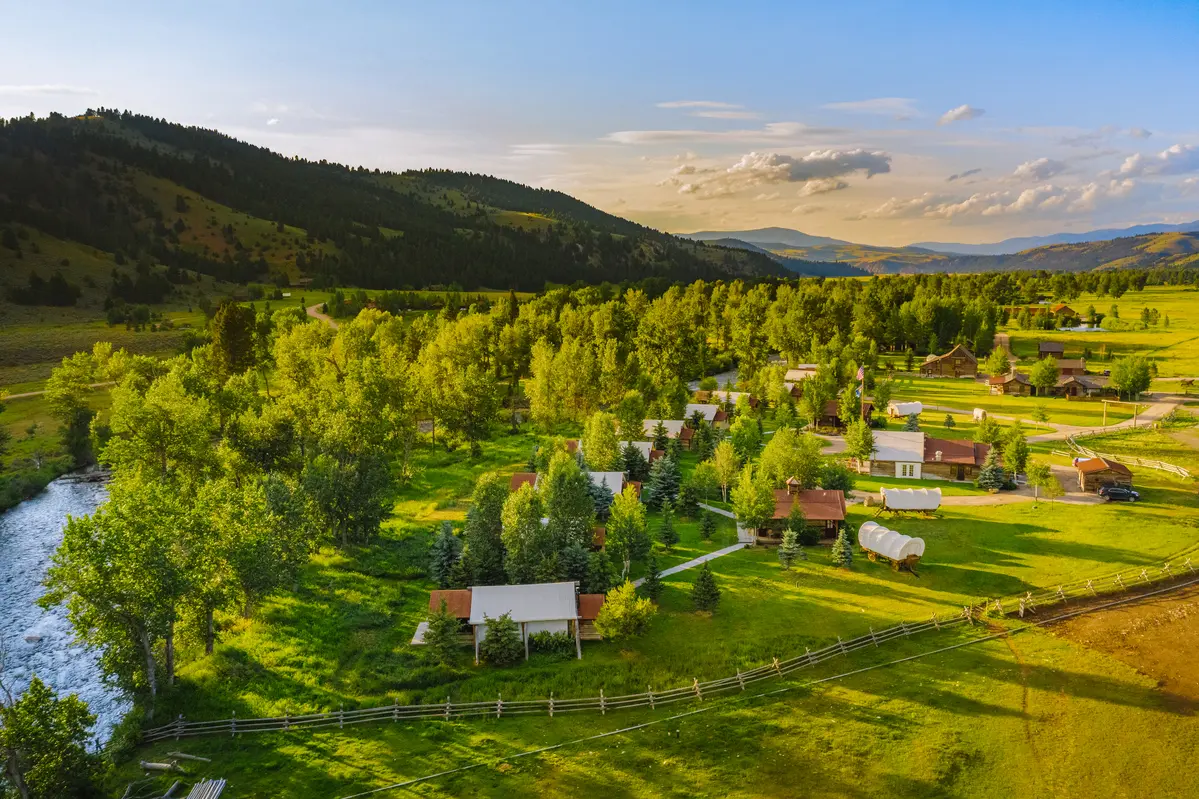
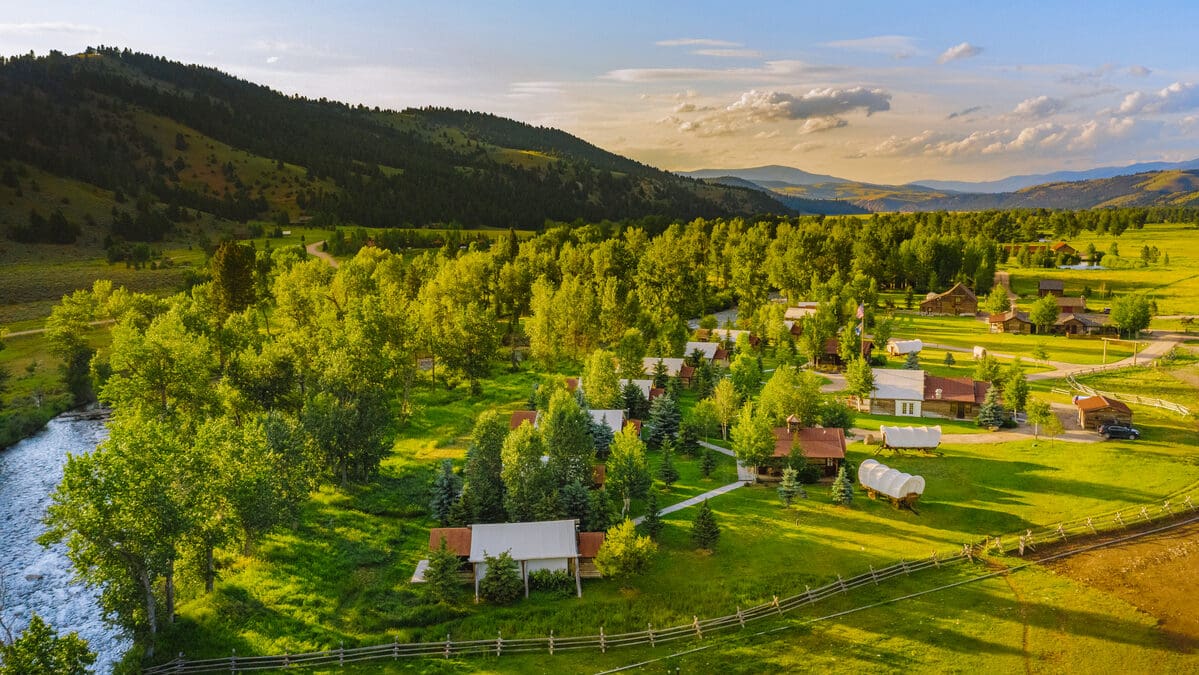
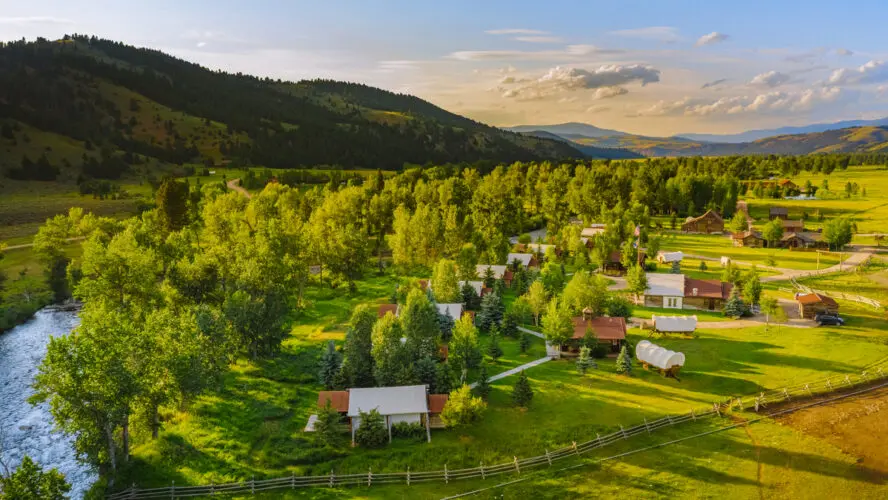
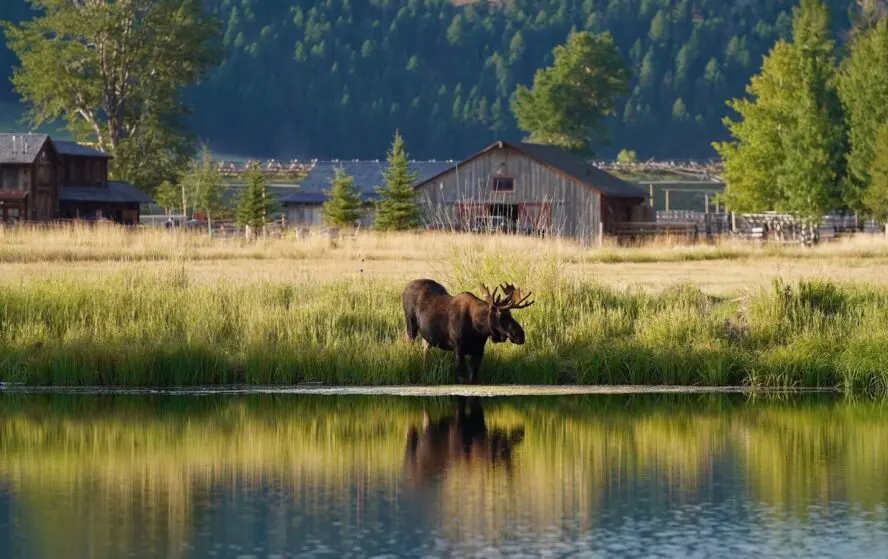
Tucked away in 6,600 acres of protected wilderness outside the historic mining town of Philipsburg, Montana, The Ranch at Rock Creek is a masterclass in duality. It operates simultaneously as a sustainable, working 19th-century cattle ranch and an ultra-exclusive guest retreat.
The accolades speak volumes. In 2014, it made hospitality history by becoming the first guest ranch in the world to earn the prestigious Forbes Travel Guide Five-Star Award. It hasn’t relinquished that title since, securing the coveted five-star designation for 13 consecutive years.
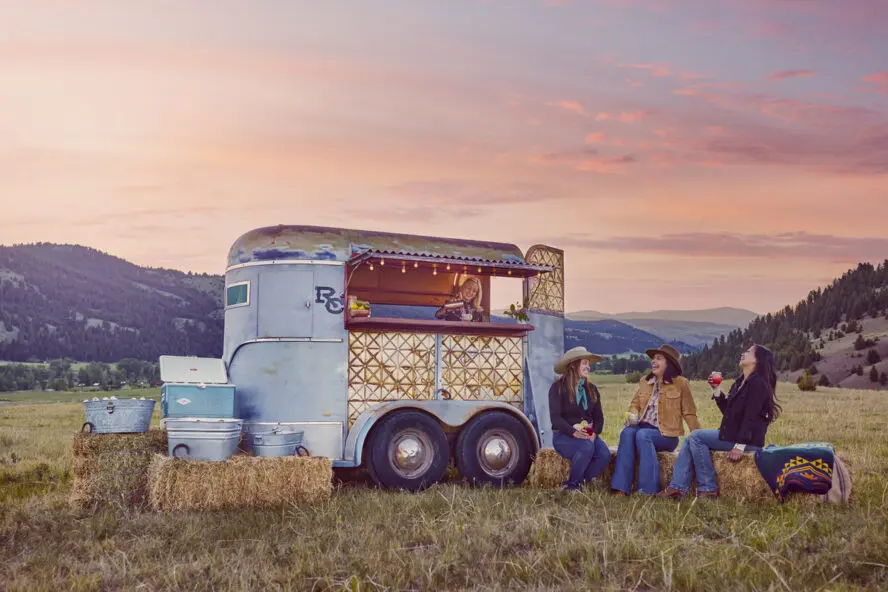
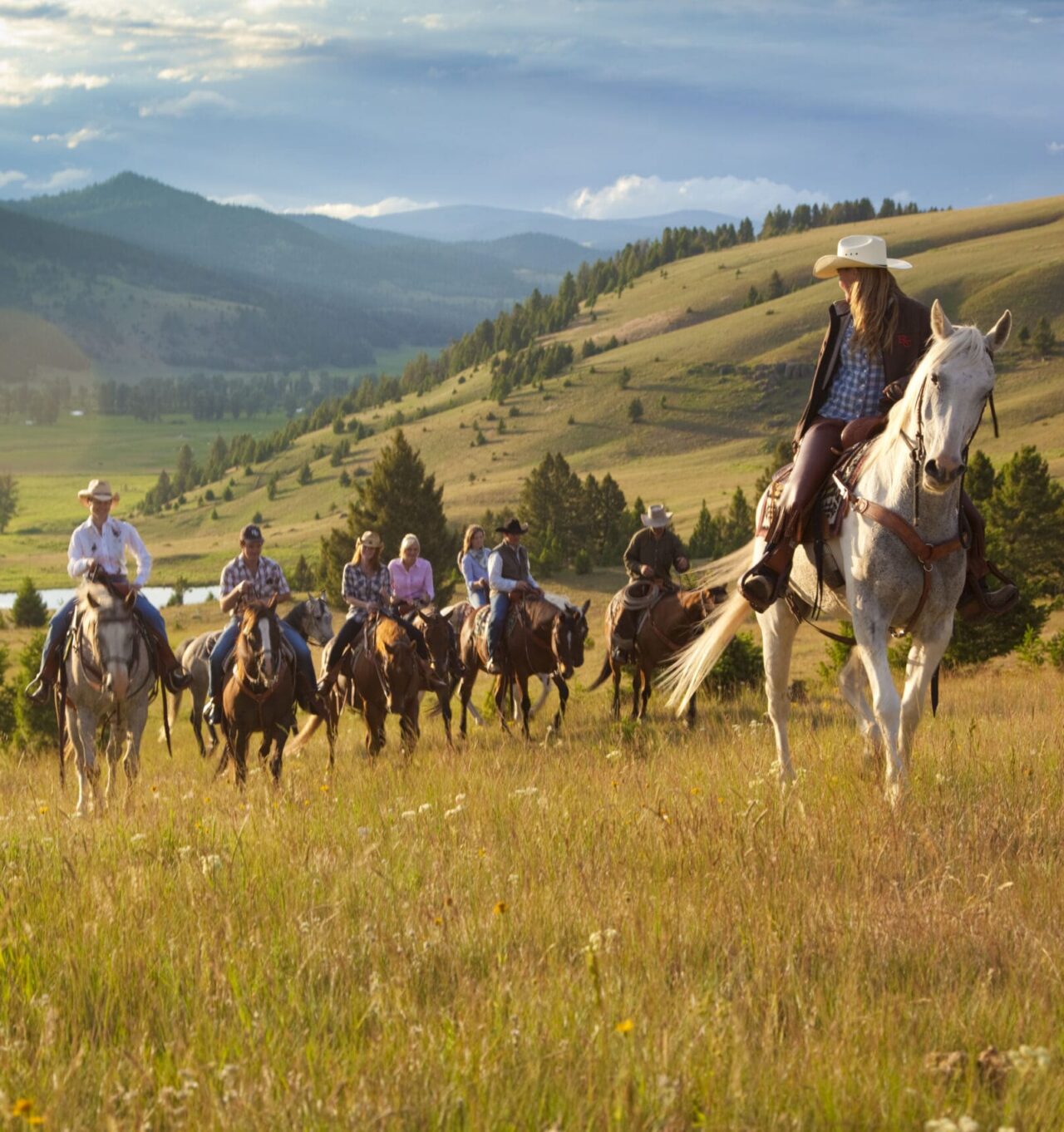
Yet, numbers and ratings do little to convey the visceral impact of the property. The ranch accommodates a strict maximum of just 125 guests at any given time, dispersing them across pristine pine forests, high-altitude alpine meadows, and four miles of private frontage along the crystalline waters of Rock Creek. It is a place where authentic Western heritage—complete with rugged cowboys, horse trails, and cattle drives—seamlessly intersects with world-class gastronomy, holistic wellness, and uncompromising luxury.
Chronology: A Journey from Digital Overload to Deep Presence
To understand the transformative power of The Ranch at Rock Creek, one must trace the physiological and psychological arc of a guest’s stay. The journey begins long before arrival, typically with a flight into Missoula International Airport, located roughly 90 minutes away.
The Approach (Day One)
The transition from urban frenzy to rural tranquility is meticulously engineered by the ranch’s complimentary transfer service. As the vehicle winds through the sweeping mountain valleys, historic ranchlands, and pine-studded byways of western Montana, the frantic rhythm of city life begins to loosen its grip.
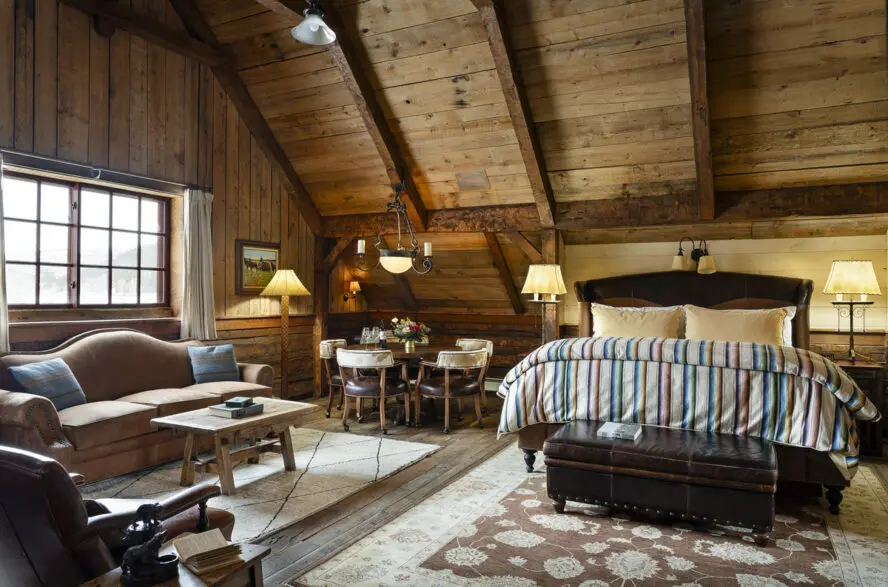
Upon passing through the ranch gates, guests are greeted not by a towering hotel lobby and a computerized check-in desk, but by a sprawling Western landscape framed by the Pintler Mountain Range. Settling into one of the 31 distinct accommodations—ranging from canvas glamping cabins and converted historic barns to private log homes—the first evening is defined by unhurried simplicity. There are no television screens demanding attention; instead, the evening soundtrack is composed of a crackling wood-burning fireplace and the distant rush of the creek.

The Awakening (Days Two Through Four)
By the second and third mornings, a neurological shift takes place. Without an alarm clock blaring or a smartphone buzzing with push notifications, the body recalibrates to natural circadian rhythms. Mornings typically begin on a private cabin porch, wrapped in a plush robe, sipping a steaming cup of coffee while watching the morning mist lift off the meadow.
Days are intentionally unstructured, leaving room for a blend of high-end outdoor adventure and deep introspection. Whether casting a line into a legendary trout stream, scaling an untouched mountain ridge on horseback, or simply swaying in a hammock during a secluded "Respite on Rock Creek" excursion, the mental clutter of everyday responsibilities dissolves.
By the time departure day arrives, the internal narrative has fundamentally shifted. The traveler realizes that true luxury is not having someone anticipate every trivial whim, but rather having the physical and mental space to finally exhale.
Supporting Data: The Anatomy of Restorative Travel
The shift toward quiet, nature-immersed travel is backed by a growing body of psychological and travel industry data.

- The Hilton 2026 Trends Report: Identifies rest and recharge as the primary catalyst driving global travel bookings, unseating cultural exploration and adventure tourism for the first time in recent memory.
- The Space-to-Guest Ratio: At The Ranch at Rock Creek, 125 guests share 6,600 acres. This equates to more than 50 acres of private wilderness per person—a stark contrast to traditional luxury resorts that maximize square-foot density.
- Geographic Proximity: Located within easy driving distance of four major Montana hubs—Missoula International (90 minutes), Butte Bert Mooney (75 minutes), Helena Regional (2 hours), and Bozeman Yellowstone International (2.5 hours)—the property balances remote isolation with seamless accessibility. Private aviation options via Bowman Field in Anaconda (45 minutes) and Riddick Field in Philipsburg (25 minutes) further streamline the arrival process.
Official Responses and Industry Perspectives
The hospitality sector has taken note of this massive pivot in consumer values. Luxury resorts worldwide are scrambling to integrate wellness protocols, digital detox packages, and biophilic design. However, industry analysts note that manufactured wellness initiatives often fall short when compared to authentic, land-based sanctuaries like Rock Creek.
"Travelers are no longer impressed by superficial opulence," notes one hospitality analyst specializing in high-end experiential tourism. "Gold-plated fixtures and Michelin-starred tasting menus are table stakes in the luxury market now. The real luxury is sovereignty over one’s time and attention. Properties that can successfully separate guests from their digital tethers while offering an authentic connection to the natural world are the ones defining the future of the industry."
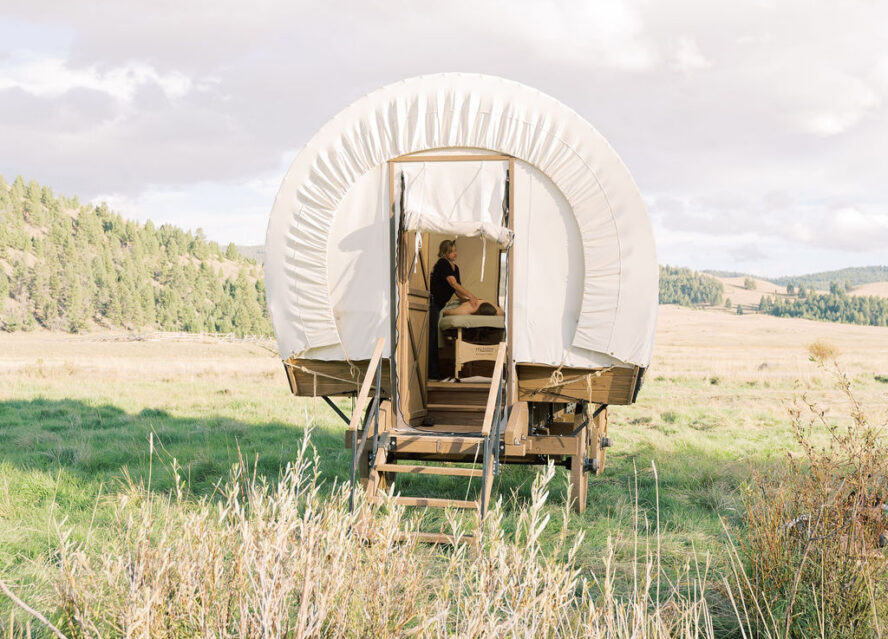
Management at The Ranch at Rock Creek emphasizes that their success stems from respecting the landscape rather than trying to tame it. "We aren’t creating a synthetic spa environment," a ranch representative explains. "We are simply inviting people back into a relationship with the earth. When you put a human being in an environment with endless skies, clean water, and wild spaces, the nervous system naturally resets itself. We just get out of the way and provide exceptional hospitality while it happens."
Implications: The Future of "Me Time" and High-End Hospitality
The rise of destinations like The Ranch at Rock Creek points toward profound long-term implications for the travel industry, corporate culture, and personal wellness.
1. The Death of the "Busy Vacation"
The cultural badge of honor associated with returning from a trip exhausted is officially expiring. Future travelers are increasingly likely to budget their annual leave around psychological recovery rather than geographic accumulation. The goal is no longer to see twenty cities in ten days, but to master the art of doing nothing in an extraordinary place.
2. The Evolution of Corporate Wellness
As burn-out rates continue to impact corporate productivity, forward-thinking companies are beginning to view immersive, nature-based retreats not as frivolous indulgences, but as vital investments in human capital. The integration of slow pacing, digital disconnection, and nervous system regulation will likely become standard components of executive wellness programs.
3. Preservation of Wild Spaces
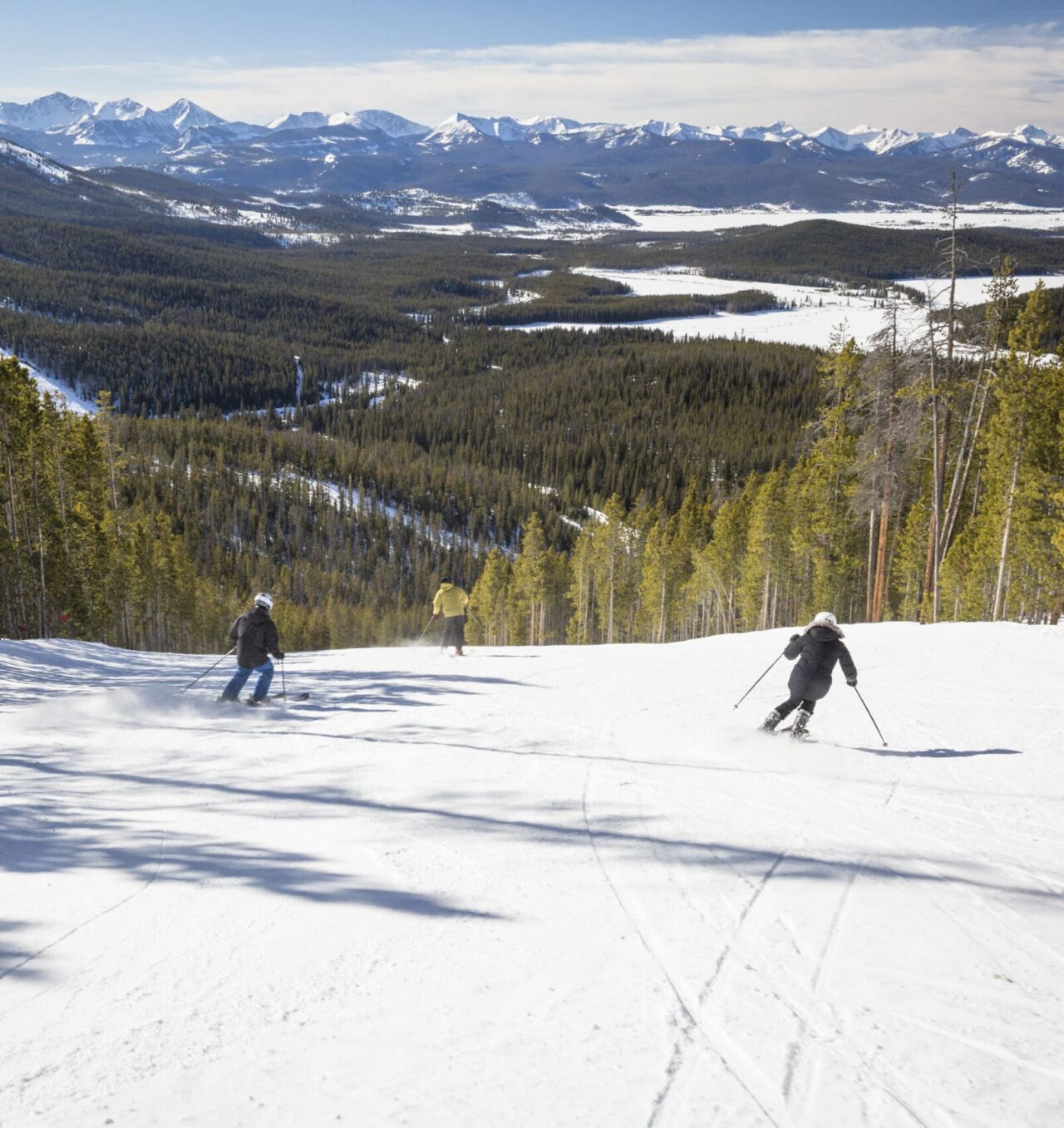
The economic viability of properties that prioritize low guest-to-land ratios proves that conservation can coexist with high-end commerce. By limiting capacity and protecting thousands of acres of pristine wilderness, ranches like Rock Creek demonstrate that the preservation of natural silence is a sustainable and highly lucrative business model.
Ultimately, the resurgence of "me time" through deep restorative travel is more than a fleeting industry trend; it is a necessary corrective to the hyper-connected velocity of modern life. In an era where every second is monetized and every screen demands attention, finding a place where the only demand on your time is the setting sun over the Montana Rockies is the ultimate definition of modern wealth.
