

By the Editorial Desk | Holistic Health & Wellness Special Report
In the landscape of modern wellness, ancient practices are increasingly meeting empirical curiosity. Following our exploratory look into the underlying mechanisms of energy work in Part 1 of our Chakra Series—The Science Behind Crystal Chakra Healing—practitioners and seekers alike often arrive at a pivotal crossroads. Once you understand the foundational concepts of the body’s energy centers, the next logical question arises: How do I know which chakra actually needs balancing?
Identifying an energetic blockage or overactive center is not a guessing game reserved exclusively for the spiritually elite. According to leading holistic educators and crystal healing experts, there are several methodical, accessible approaches to diagnosing your energetic state. Whether through structured diagnostic tests, observant self-reflection, physical and emotional tracking, or intuitive energy-sensing tools like pendulums, anyone can learn to tune into their body’s subtle feedback loops.
Main Facts: Understanding Chakra Diagnostics
At its core, the chakra system comprises seven primary vortexes of energy running from the base of the spine to the crown of the head. When these centers spin harmoniously, physical vitality, emotional stability, and mental clarity follow suit. However, stress, trauma, lifestyle habits, and environmental factors can cause these centers to become underactive (blocked) or overactive (blown wide open).
Identifying which specific chakra requires intervention relies on four primary diagnostic avenues taught in professional holistic curricula:
- Chakra Self-Assessment Tests: Utilizing structured questionnaires to map out current psychological and emotional tendencies.
- Symptom Mapping (Physical & Emotional Indicators): Analyzing recurring clusters of bodily ailments or behavioral shifts.
- Energy Sensing and Dowsing: Employing tactile awareness and tools like pendulums to measure energetic output.
- Intuitive Development (Clair-senses): Tapping into inner senses, gut feelings, and meditative insights.
Rather than relying on a single data point, experienced practitioners advocate for a holistic "consensus" model, combining multiple methods to ensure accurate identification before selecting corresponding healing crystals or balancing protocols.
Chronology of Awareness: The Evolution of Energy Diagnostics
The methodology of reading and diagnosing human subtle energy is far from a modern trend; it represents an evolution spanning millennia, bridging ancient Vedic traditions with contemporary wellness frameworks.
- Ancient Roots (Vedic Period): The concept of chakras originated in India between 1500 and 500 BCE, recorded in ancient texts known as the Vedas. Historically, diagnostic approaches relied heavily on deep meditative states, Ayurvedic pulse diagnosis, and direct observation by spiritual masters.
- Late 20th Century (The Western Integration): As Eastern philosophies permeated Western culture during the New Age movement of the 1960s and 70s, teachers began translating complex esoteric concepts into accessible psychological and physiological frameworks. Authors and holistic healers started linking specific endocrine glands to individual chakras, laying the groundwork for modern symptom mapping.
- The Digital Era (Online Diagnostics): With the advent of the internet in the late 1990s and 2000s, chakra testing transitioned into interactive digital formats. Online assessments democratized access, allowing individuals worldwide to take standardized questionnaires to evaluate their energetic balance instantly.
- Modern Certification and Standardization (Present Day): Today, structured educational platforms—such as Certified Crystal Practitioner courses—teach systematic, repeatable methods for energy sensing. Dowsing with pendulums, tactile scanning, and kinetic muscle testing have transformed intuitive practices into structured, learnable skills for the modern wellness practitioner.
Supporting Data & Methodology: The Four Pillars of Chakra Identification
To effectively pinpoint an imbalanced energy center, practitioners utilize four distinct methodologies. Each method offers a unique lens through which to view your internal state.
1. Structured Chakra Quizzes and Tests
The digital age has brought forth a wide array of online chakra assessment tools. When utilized thoughtfully, these questionnaires serve as reliable diagnostic mirrors.
- How it works: You answer a series of situational and emotional questions designed to gauge how freely energy flows through each of the seven major centers.
- Next steps: Upon reviewing your results, you can immediately identify the lowest-scoring or most erratic center and select a corresponding gemstone (such as red jasper for the root chakra or amethyst for the crown) to help restore equilibrium.
2. Glaring Physical and Emotional Manifestations
An imbalanced chakra rarely operates in a vacuum; it typically announces itself through a repeating syndrome of physical or psychological distress. However, experts urge caution: a single headache or a brief bout of anxiety is not enough to diagnose a root or third-eye blockage. You must look for persistent patterns.
- The Pattern Approach: For instance, persistent lower back pain combined with financial insecurity and survival anxiety often points directly to a Root Chakra imbalance. Conversely, chronic throat tightness, fear of speaking up, or thyroid issues frequently signal a blocked Throat Chakra.
- Reference Literature: To deepen your understanding of these physical-energetic correlations, foundational texts such as Vibrational Healing Through the Chakras and The Crystal Healer serve as invaluable, frequently cited field guides for holistic practitioners.
3. Energy Sensing and Dowsing
One of the most empowering aspects of modern energy work is the demystification of energy sensing. Far from being an inborn trait reserved for a chosen few, sensing subtle energy is a skill that responds to deliberate practice.
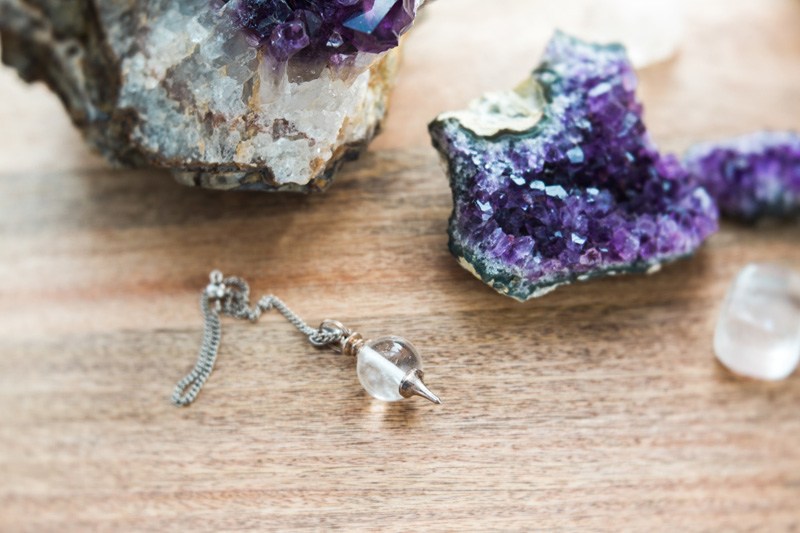
- The Pendulum Method: A primary tool for beginners and professionals alike is the pendulum. By holding a crystal or metal pendulum over each chakra point, you can observe its movement—whether it swings in wide circles, erratic lines, or remains stationary—to determine if a chakra is blocked, sluggish, or hyperactive. (For those new to this practice, foundational guides on pendulum mechanics provide essential safety and calibration steps).
- Scope of Practice: While advanced tactile energy sensing—determining energetic density, temperature shifts, or auric textures—requires comprehensive training and interactive supervision (such as those found in specialized practitioner certification programs), basic dowsing is universally accessible.
4. Tapping into Intuition and the Clair-senses
Intuition is often described as an internal compass, delivering quiet messages and measurements regarding our energetic baseline. This intuition often manifests through various "clair" senses:
- Clairvoyance (Clear seeing: visual impressions or colors)
- Clairaudience (Clear hearing: internal whispers or auditory cues)
- Clairsentience (Clear feeling: physical sensations or emotional empathy)
- Claircognizance (Clear knowing: sudden, unexplainable flashes of insight)
Just like skeletal muscle, intuitive faculties atrophy when neglected and strengthen when exercised. Regular meditation, quiet introspection, and active listening allow practitioners to bypass physical symptoms entirely, arriving at an intuitive awareness of their energetic needs.
Official Responses and Expert Perspectives
Holistic health educators and certified practitioners emphasize that energy work is a complementary practice designed to work alongside, rather than replace, conventional medical care.
In official statements from leading holistic training institutes, experts stress the importance of grounding and self-responsibility in energy diagnostics:
"Chakra balancing and sensing techniques are not limited to ‘energetically gifted people.’ They are available to anyone willing to make a commitment to learning, spending the time to practice, and listening to the signs the body provides."
Medical professionals and integrative health practitioners generally view these reflective diagnostic tools as valid components of mind-body medicine. By encouraging self-awareness, stress reduction, and emotional processing, chakra assessment methods align closely with modern psychological frameworks aimed at identifying somatic manifestations of stress.
Implications: The Power of the Chakra Consensus
Why go through the trouble of identifying an imbalanced chakra? The implications of targeted energy work extend far beyond temporary relaxation. By pinpointing exact energetic bottlenecks, individuals can shift away from generic self-care routines and toward highly personalized, effective healing protocols.

The "Chakra Consensus" Strategy
For those who find themselves uncertain after trying just one diagnostic method, experts recommend the Chakra Consensus approach:
- Take a reputable online chakra test.
- Cross-reference your results with any persistent physical or emotional symptom patterns.
- Verify your findings using a pendulum or a brief meditative intuition check.
If two methods point to the same conclusion—for instance, indicating a depleted Solar Plexus Chakra—you have a strong consensus. Should you encounter contradictory results, introduce a third method (such as dowsing) and defer to the majority outcome.
Over time and with consistent practice, this diagnostic process becomes second nature. Practitioners often reach a point where they "just know" their energetic state without needing external props or extensive testing.
As we look forward to the next installment of this comprehensive series, the focus will shift from diagnosis to application: exploring precise, actionable methods for utilizing crystals to restore harmony and balance to your energetic anatomy. Until then, listen closely to your body, trust your inner compass, and embrace the journey toward holistic alignment.
