

By Global Investigative Desk
Published: Special Feature
Main Facts: The Hidden Cost of the Global Crystal Boom
In recent years, the wellness industry has experienced an unprecedented explosion in popularity. From celebrity endorsements and aesthetic Instagram feeds to neighborhood metaphysical shops and online marketplaces, crystals have transitioned from a niche counter-culture interest into a multi-billion-dollar global phenomenon. Consumers turn to amethyst, rose quartz, and citrine for healing, meditation, and spiritual grounding. However, behind the polished, aesthetic veneer of these geological treasures lies a complex, often opaque supply chain that rarely features in marketing campaigns.
The central issue defining the modern crystal market is the lack of transparency surrounding how these minerals are extracted, processed, and distributed. Unlike diamonds, which operate under the heavily scrutinized framework of the Kimberley Process (albeit with its own ongoing criticisms), the colored gemstone and crystal markets remain largely unregulated.
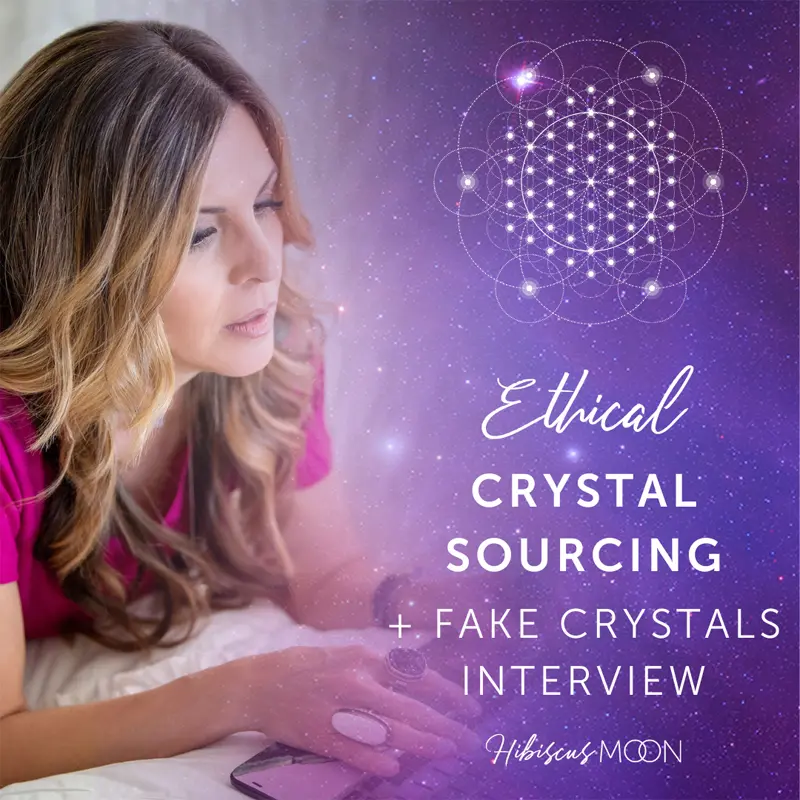
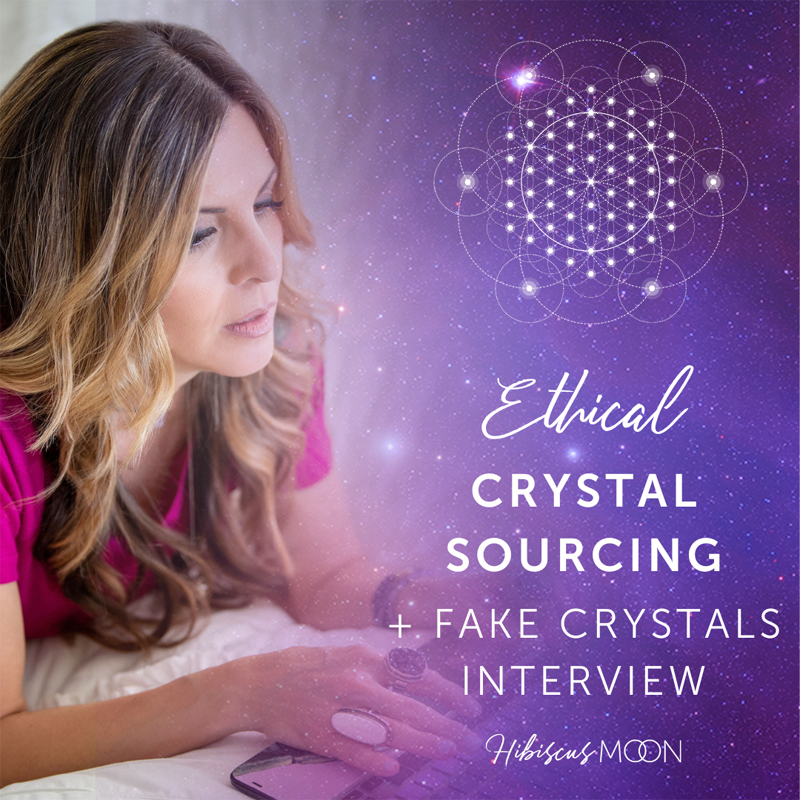
Recently, prominent educators and advocates in the crystal community—such as spiritual science educator Hibiscus Moon and industry commentator Barbie, widely known as "Cold Brew Barbie"—have brought this "inconvenient truth" to the forefront. Through public discussions, live interviews, and educational panels, these advocates are shedding light on the uncomfortable realities of the trade: child labor, unsafe working conditions, environmental degradation, and severe economic exploitation in the Global South, where a vast majority of these minerals are mined.
Chronology: From Earth to Altar—Tracing the Modern Crystal Pipeline
Understanding the ethical dilemmas of the crystal trade requires tracking the journey of a mineral from its initial extraction to the end consumer’s hands.
Phase 1: Small-Scale Artisanal Mining
The lifecycle of most retail crystals begins in developing nations such as Madagascar, Brazil, India, the Democratic Republic of Congo, and Pakistan. In these regions, a significant portion of mineral extraction is carried out by artisanal and small-scale miners (ASM). Operating with little to no government oversight, these miners often use primitive tools—hammers, chisels, and occasionally unregulated explosives—to unearth quartz, tourmaline, and other coveted specimens from the earth.
Phase 2: Local Intermediaries and Wholesalers
Once extracted, raw stones are sold to local brokers or middlemen who wield disproportionate bargaining power. Because miners in remote impoverished regions often lack access to fair market data or alternative livelihoods, they are frequently forced to sell their finds for pennies on the dollar. These stones are then gathered into larger regional hubs.
Phase 3: Processing and Global Distribution
A large volume of raw crystals is shipped internationally—frequently to processing hubs in countries like China, India, and Thailand—where they are tumbled, carved, polished, and packaged. It is at this stage that the physical trail becomes severely convoluted. Stones from multiple mines, ethical and unethical alike, are mixed together in massive processing warehouses, rendering true traceability nearly impossible by the time the product reaches Western retail shelves.
Phase 4: The Retail Market Boom
Finally, the finished products arrive at metaphysical boutiques, online crystal shops, and major e-commerce platforms. Marketed with soothing descriptors like "high vibration," "cleansed," and "healing," the retail presentation deliberately distances the consumer from the gritty, mechanized, and often exploitative realities of the mining towns where the journey began.
Supporting Data: The Scale of the Untregulated Market
To comprehend the magnitude of the ethical challenge, one must look at the economic and structural data governing the mineral trade:
- Lack of Certification Standards: While fair-trade certifications are commonplace in the coffee, chocolate, and garment industries, no standardized, globally recognized certification body exists for the retail crystal and metaphysical mineral trade.
- Worker Demographics in ASM: According to international labor organizations, millions of people globally rely on artisanal and small-scale mining for survival. In many mineral-rich regions, women and children make up a substantial percentage of the informal workforce, engaging in sorting, washing, and manual extraction under hazardous conditions.
- Environmental Footprint: Heavy machinery, improper waste disposal, soil erosion, and the disruption of local ecosystems are rampant in unregulated mining zones. Chemical treatments used in polishing and enhancing stones further contribute to local water contamination.
- Economic Disparity: While the global healing crystal market commands billions of dollars annually, the actual miners at the base of the supply chain frequently live below the poverty line, receiving a minuscule fraction of the final retail value.
Official Responses and Industry Perspectives
As awareness grows regarding the dark side of the mineral trade, responses from industry stakeholders, independent retailers, and spiritual educators vary significantly.
The Advocacy Perspective: Education Over Ignorance
During a widely viewed live discussion between Hibiscus Moon and Cold Brew Barbie, the focus centered heavily on tackling this "inconvenient truth." Rather than encouraging consumers to abandon crystals entirely, the dialogue emphasized the power of informed consumerism.
"We’re gonna talk about this even though you might think it’s an inconvenient truth; it’s always good to be educated,"
noted Hibiscus Moon during their broadcast. The core message from educators is clear: willful ignorance benefits no one. By asking difficult questions about provenance, buyers can pressure suppliers to adopt more transparent practices.
The Retailer’s Dilemma
Independent crystal shop owners often find themselves caught in a bind. Many boutique owners express a genuine desire to source ethically, visiting trade shows or attempting to buy directly from family-owned mines. However, they frequently encounter a brick wall of corporate opacity. Wholesalers themselves often do not know the precise origin of every batch of stones, as the supply chain is intentionally fragmented to protect proprietary supplier networks.
The Silence of Mass-Market Distributors
Large-scale importers and mass-market online retailers have been slower to respond to ethical sourcing criticisms. Because their business models rely on high-volume, low-cost inventory, tracing individual lots back to specific, fair-wage mines would dramatically increase operational overhead and disrupt established supply chains. Consequently, corporate transparency remains largely voluntary and sporadic.
Implications: The Future of Conscious Consumerism in the Metaphysical Space
The growing scrutiny over ethical crystal sourcing carries profound implications for both the wellness industry and the consumers who drive it.
1. A Shift Toward Radical Transparency
Just as the fashion industry faced a reckoning regarding sweatshops—spurring the "Who Made My Clothes?" movement—the metaphysical community is beginning to ask, "Who Mined My Crystal?" Retailers who can definitively prove transparent, fair-trade supply chains are positioning themselves as industry leaders, gaining a distinct competitive advantage among ethically minded buyers.
2. Redefining "High Vibration"
There is a growing philosophical contradiction within the spiritual community: purchasing an item intended to promote healing, positive energy, and universal love that was potentially sourced through human exploitation and environmental destruction. Educators like Cold Brew Barbie and Hibiscus Moon argue that true spiritual wellness must encompass mindfulness regarding the physical impact of our purchases. How can a stone carry positive energy if its extraction caused suffering? This question is forcing a profound ethical re-evaluation among practitioners.
3. The Need for Regulatory Frameworks
Ultimately, grassroots awareness and individual consumer choices, while vital, are not enough to reform an entire global trade. Industry analysts suggest that long-term change will require governmental cooperation in source countries, stronger international trade regulations, and the establishment of independent, third-party auditing bodies capable of certifying genuinely ethical mineral supply chains.
Conclusion
The global crystal trade stands at a critical crossroads. As public awareness expands and advocates continue to shine a light into the darkest corners of the supply chain, the era of unquestioned consumption is drawing to a close. By embracing education, demanding transparency, and supporting ethical suppliers, the metaphysical community has the power to transform the mineral trade into one that honors not only the perceived energetic properties of the stones, but the human beings and ecosystems that bring them to the light.
