

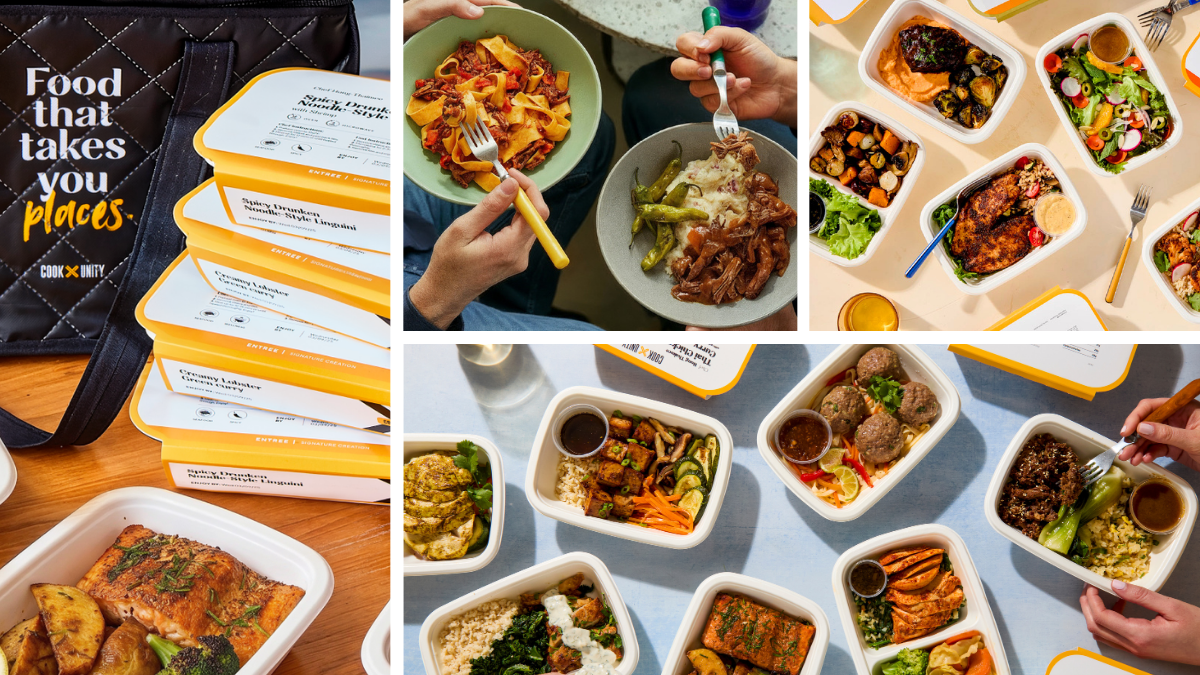
In the modern culinary landscape, consumers face a paradox of choice. From hyper-fast app-based restaurant delivery and freezer-burned convenience foods to traditional grocery store meal kits requiring heavy prep work, finding an evening meal has never been easier—and yet, never more paralyzing. For busy professionals, remote workers, and working parents, the eternal question of “what’s for dinner?” often devolves into an exhausting nightly chore.
Enter the next generation of food tech: the chef-driven, fully prepared meal delivery service.
To evaluate whether these services can genuinely replace home cooking without sacrificing quality, I spent a week testing CookUnity, a prominent national player that promises restaurant-quality, ready-to-heat meals crafted by independent professional chefs. As a trained chef and veteran food writer who has evaluated dozens of food-tech platforms, I put CookUnity through a rigorous diagnostic test examining menu variety, sourcing, flavor profile, nutritional value, and overall economic worth.
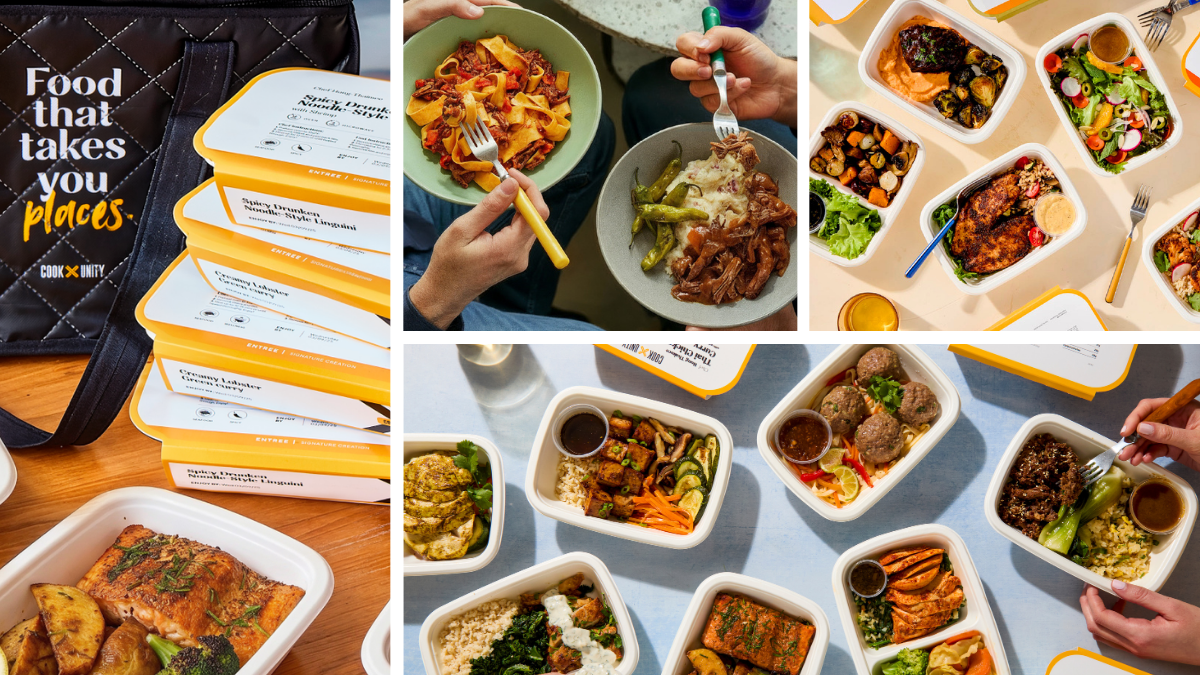
Main Facts: What Is CookUnity?
Unlike traditional meal-kit companies—which ship raw ingredients and recipe cards for you to chop, sauté, and clean up after—CookUnity operates on a decentralized, marketplace-style model.
- The Concept: Independent professional chefs contribute their own proprietary recipes to a rotating weekly catalog of over 300 dishes.
- The Logistics: Meals arrive fully prepared, sealed in microwave-safe trays, and packed inside insulated, temperature-controlled boxes with ice packs.
- The Time Commitment: Reheating takes anywhere from three to five minutes using a microwave, oven, or stovetop, eliminating meal prep, knife work, and post-dinner cleanup.
- Subscription Tiers: Flexible plans range from four to 16 meals per week, with pricing generally falling between $10.99 and $13.99 per meal, depending on volume.
Chronology: A Week in the Life of a CookUnity Subscriber
Day 1: Selection and Ordering
Navigating the CookUnity platform reveals an expansive menu boasting upwards of 300 weekly options. For a trained palate, the platform’s detailed transparency is immediately reassuring. Every single dish includes a complete ingredient deck, robust nutritional breakdowns, specific heating instructions, and attribution to the individual chef who designed it (such as Chef Tony Perez’s Garlic Butter & Sriracha Shrimp).
Using advanced dietary filters, I narrowed down options to match high-protein and low-sodium parameters, though the menu easily accommodates gluten-free, vegetarian, keto, and GLP-1-friendly nutritional requirements.
Days 2–3: Delivery and Thermal Stress-Testing
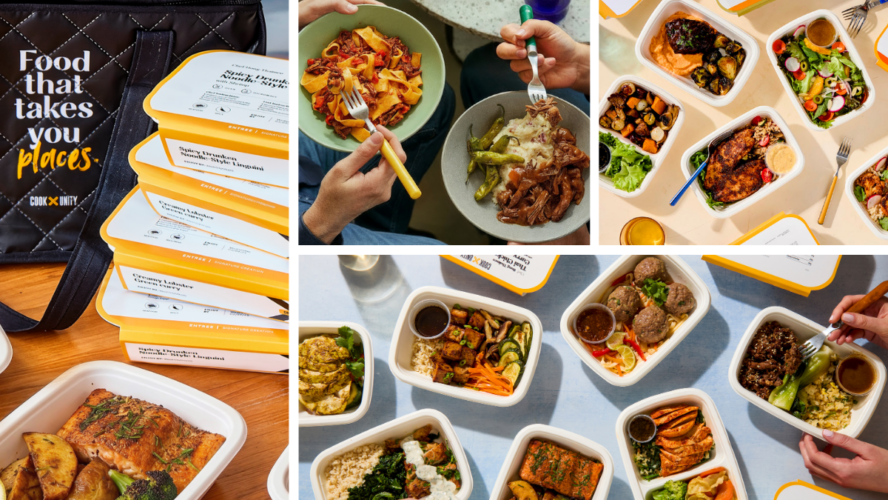
My order arrived during a punishing July heatwave, with outdoor temperatures exceeding 90 degrees Fahrenheit. Despite the punishing climate, the logistical supply chain held firm: the delivery arrived in an insulated liner packed with heavy-duty ice packs that remained largely frozen.
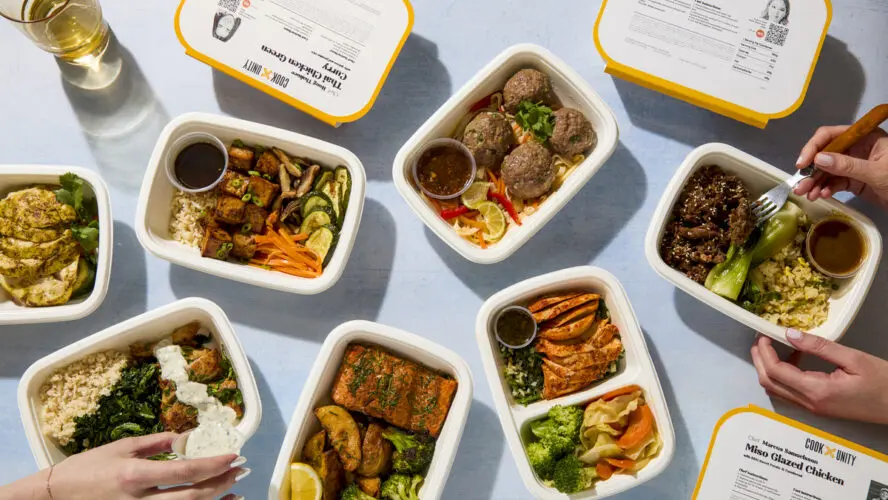
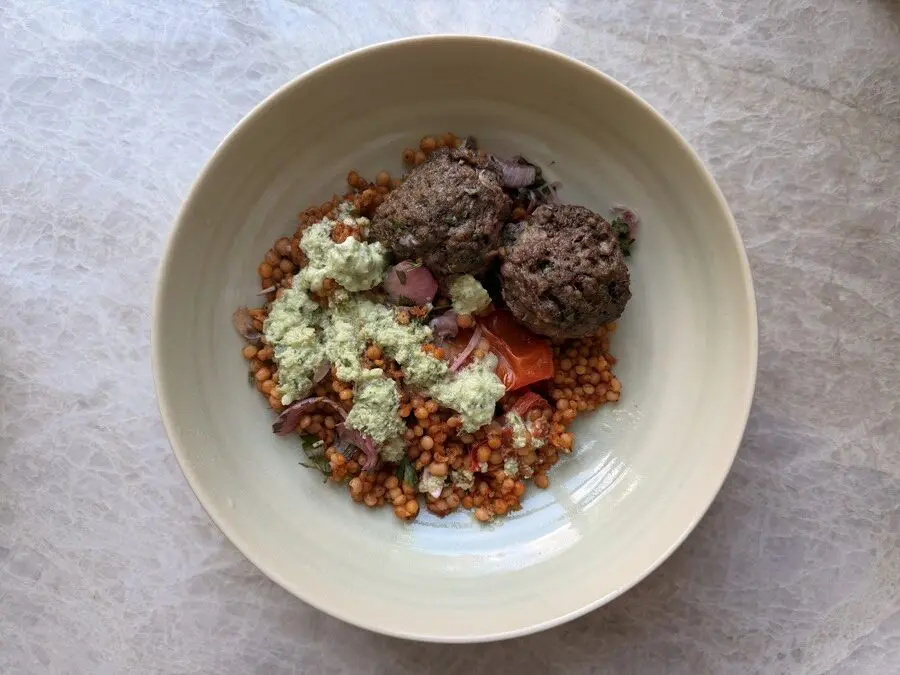
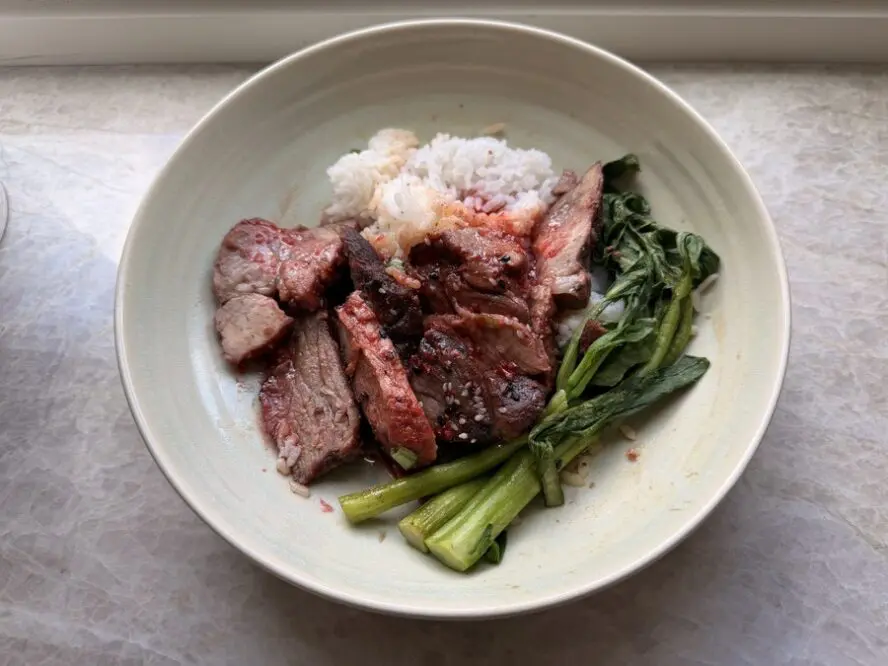
Upon inspection, the produce across my selection of meals—ranging from Greek herbed meatballs to a Char Siu BBQ pork bowl—remained crisp and vibrant, while the raw-to-cooked proteins showed zero signs of compromise.
Days 4–7: The Tasting and Reheating Phase
Over the next several days, I systematically worked my way through the catalog. Reheating was universally straightforward, though texture preservation varied slightly by method. While standard microwaving took under five minutes, delicate proteins like seafood occasionally ran the risk of overcooking and turning rubbery. Transferring dishes to the oven or utilizing stovetop methods for bowls and quesadillas yielded significantly better textural outcomes.
Supporting Data: Evaluating the Criteria
To provide an objective assessment, I graded CookUnity across seven core performance pillars:
| Evaluation Criteria | Score | Analytical Notes |
|---|---|---|
| Menu Variety & Customization | 9/10 | 300+ weekly options; exceptional chef diversity and accurate dietary filters. |
| Food Quality & Sourcing | 7/10 | Fresh, high-grade components, though lacking explicit organization around organic sourcing. |
| Nutritional Value | 7.5/10 | Detailed macro profiles, though certain dishes run high in sodium. |
| Taste & Preparation | 7.5/10 | Frequently restaurant-quality, though execution varies across independent kitchen contributors. |
| Price & Value | 6.5/10 | Highly competitive within the prepared meal tier ($10.99–$13.99/meal), but a premium over scratch cooking. |
| Convenience & Delivery | 8/10 | Flawless thermal transport and scheduling flexibility, with minor regional coverage caps. |
| Customer Service | 8/10 | Responsive digital support and hassle-free pause/skip controls. |
Note: Organic Authority readers looking to test the platform can use the exclusive code Organic50 for 50% off their initial week.
Official Responses and Industry Context: The Marketplace Advantage
The prepared meal sector has undergone rapid expansion, largely due to consumer fatigue with conventional meal kits that still demand 30 to 45 minutes of active kitchen labor.
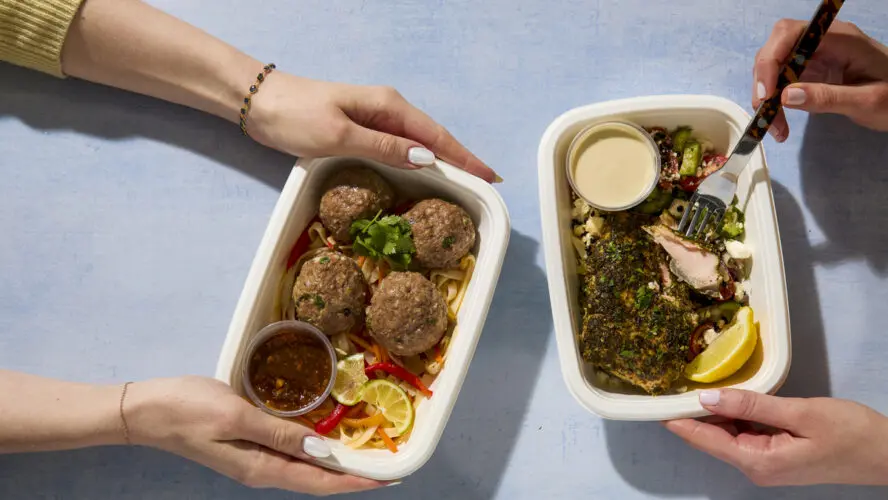
Industry analysts note that CookUnity’s competitive edge stems from its localized production kitchens across major U.S. distribution zones. By decentralizing production away from a single, monolithic facility, the company shortens transit times, preserving food structural integrity and freshness.
Furthermore, the chef-marketplace model transforms a utility service into an exploratory culinary experience. Rather than eating monotonous corporate recipes week after week, subscribers sample distinct culinary perspectives—ranging from authentic regional barbecues to complex global curries.
However, industry critics point out structural limitations. Because independent chefs source ingredients independently, there is no unified corporate mandate guaranteeing organic or regenerative agricultural inputs. Consumers strictly prioritizing non-GMO or certified organic supply chains may find this opacity frustrating.
Implications: Is CookUnity Worth the Investment?
The Pros
- Unmatched Variety: Access to more than 300 rotating, chef-engineered recipes weekly prevents palate fatigue.
- True Convenience: Zero prep, zero cooking, and minimal cleanup make weeknight dinners effortless.
- Dietary Agility: Robust filtering makes it simple to track macros, hit protein goals, or adhere to specific lifestyle diets.
The Cons
- Consistency Variance: Because recipes originate from multiple independent chefs, execution can occasionally fluctuate in salt levels or sauce ratios.
- Cost vs. Home Cooking: At upwards of $11 to $14 per serving, it represents a substantial financial investment compared to grocery shopping and cooking from scratch.
- Sourcing Transparency: The absence of uniform organic sourcing guidelines may deter sustainability-focused shoppers.
Frequently Asked Questions
How does CookUnity compare to traditional meal kits?
Traditional meal kits supply raw or semi-prepped ingredients that require active cooking, stovetop monitoring, and extensive cleanup. CookUnity delivers fully cooked meals requiring only a microwave, oven, or stovetop for warming.
Is the food genuinely fresh after reheating?
Yes. Unlike frozen meals that can suffer from moisture degradation, CookUnity’s refrigerated delivery maintains vegetable crispness and protein tenderness, though delicate items like seafood require careful attention during reheating to avoid rubberiness.
Does CookUnity support weight loss or fitness goals?
The platform provides comprehensive nutritional information and macro breakdowns for every single dish, making it easy to align orders with fitness targets, high-protein regimens, or calorie-conscious diets.
Final Verdict
Evaluating CookUnity through a professional culinary lens reveals a service that successfully bridges the gap between fast-casual takeout and home-cooked nutrition. While it commands a premium price point and lacks the strict organic sourcing transparency that purists might demand, its sheer convenience, exceptional flavor profiles, and staggering menu variety set a high benchmark for the prepared meal delivery industry.
For working parents, busy professionals, and anyone trapped in the nightly takeout cycle, CookUnity offers a sophisticated, reliable, and genuinely delicious alternative to cooking—provided you are willing to pay for the luxury of reclaimed time.
