

As global health initiatives urge consumers to slash their daily sugar intake, artificial and non-nutritive sweeteners have surged in popularity. Among them, sucralose—widely recognized by household brand names like Splenda—stands out as one of the most heavily consumed sugar substitutes on the planet. Found everywhere from diet sodas and protein powders to sugar-free baked goods and tabletop yellow packets, sucralose promises the sweetness of sugar without a single calorie.
Yet, as millions of people swap out table sugar in favor of this synthetic alternative, a persistent question echoes across search engines and health forums alike: Is sucralose bad for you?
To answer this complex question, we must look beyond internet fearmongering and examine the rigorous scientific research, regulatory guidelines, potential health implications, and practical guidance from registered dietitians regarding this ubiquitous sweetener.
Main Facts: What Is Sucralose and How Does It Work?
To understand the health debates surrounding sucralose, one must first look at its chemical composition. Sucralose is a high-intensity, non-nutritive sweetener that is roughly 600 times sweeter than regular table sugar (sucrose).
Chemically speaking, sucralose is created through a selective chlorination process. Manufacturers start with a molecule of sucrose and strategically replace three specific hydroxyl (hydrogen-oxygen) groups with chlorine atoms. This structural alteration prevents human digestive enzymes from breaking down the molecule. Consequently, sucralose passes through the human body largely unmetabolized, which explains why it yields zero calories and does not typically trigger an immediate caloric surplus.
The Splenda Distinction: Sucralose vs. Fillers
When consumers purchase yellow tabletop packets of Splenda, they are rarely buying pure sucralose. Because sucralose is hundreds of times sweeter than sugar, pure amounts would be virtually impossible to measure out for a cup of coffee.
Instead, commercial brands mix pure sucralose—which accounts for roughly 1% of the product—with bulk carriers or fillers, most commonly dextrose and maltodextrin. While the sucralose molecule itself passes through the body unabsorbed, these carbohydrate-based fillers carry their own minor caloric and glycemic footprint, a factor that often surprises consumers who assume "zero calorie" means entirely inert.
Chronology of Safety Assessments and Evolving Science
The journey of sucralose from a laboratory invention to a multi-billion-dollar global industry spans several decades, marked by ongoing regulatory evaluations and shifting scientific paradigms.

- 1976–1990s (Discovery and Initial Approvals): Sucralose was discovered accidentally in 1976 by researchers working with British Tate & Lyle. Following extensive toxicological testing, regulatory bodies worldwide began evaluating its safety profile. In 1998, the U.S. Food and Drug Administration (FDA) formally approved sucralose as a general-purpose sweetener for food and beverages.
- 2016 (The Rodent Study Controversy): Public concern spiked following a 2016 study conducted by the Ramazzini Institute on rodents, which suggested a link between sucralose and certain types of cancer. However, this study faced intense scientific backlash. Major regulatory agencies and independent toxicology experts heavily criticized the methodology, citing flaws that rendered the cancer claims unreliable for human populations.
- 2022 (The Landmark Gut Microbiome Study): A paradigm-shifting clinical trial published in the journal Cell in 2022 demonstrated that non-nutritive sweeteners, including sucralose and saccharin, could significantly alter gut microbiome composition and impair glucose tolerance in healthy human subjects.
- 2023 (WHO Guidelines): The World Health Organization (WHO) issued a definitive global advisory recommending against the use of non-sugar sweeteners for weight control, urging consumers to focus on whole foods and naturally occurring sugars instead.
- 2025–2026 (Recent Metabolic Insights): Recent clinical trials and reviews published between 2025 and 2026 continue to explore the nuances of sucralose consumption, focusing on subtle drops in insulin sensitivity, gut diversity changes, and heat stability thresholds during industrial and home baking.
Supporting Data: Acceptable Daily Intakes and Clinical Findings
Regulatory agencies have established strict thresholds for safe consumption based on extensive toxicological databases. However, newer clinical findings shed light on what happens at lower, real-world intake levels.
Acceptable Daily Intake (ADI)
The FDA has established an Acceptable Daily Intake (ADI) for sucralose at 5 milligrams per kilogram (mg/kg) of body weight per day. Meanwhile, the European Food Safety Authority (EFSA) maintains a slightly higher ADI of 15 mg/kg of body weight per day.
To put these figures into perspective, consider an average American adult weighing approximately 185.4 lbs (84.1 kg):
- To reach the FDA ADI, an average adult would need to consume roughly 31 commercial packets of sucralose daily.
- To reach the EFSA ADI, that same adult would need to consume roughly 94 packets daily.
While these thresholds prove that casual, moderate consumption falls well within government safety limits, recent clinical studies suggest that metabolic and microbiome changes can occur at fractions of these maximum limits.
Clinical Data on Gut Health and Glycemia
Recent trials have illuminated how the body reacts to intermediate doses of sucralose:
- The 2022 Cell Trial: Participants consuming six packets of artificial sweetener per day (roughly 25% of the FDA ADI) experienced noticeable impairments in glycemic response and distinct shifts in both oral and stool microbiome profiles.
- The 2025 Clinical Trial: A 30-day study examining healthy, lean individuals consuming 30% of the FDA ADI of sucralose found a 20.3% decrease in insulin sensitivity compared to a placebo control group, alongside elevated inflammatory markers and reduced gut bacteria diversity.
Official Responses and Regulatory Positions
Global health and food safety authorities maintain distinct, science-backed positions regarding the safety and utility of sucralose:
- U.S. Food and Drug Administration (FDA): The FDA stands firmly by its safety assessments, maintaining that sucralose is safe as a food additive based on the review of more than a hundred safety studies. The agency asserts that current human evidence does not link moderate sucralose intake to cancer or severe systemic toxicity.
- European Food Safety Authority (EFSA): The EFSA re-evaluated sucralose and confirmed its safety within authorized use levels, though European regulators have historically been cautious about extending its approval into broader food manufacturing categories without ongoing data reviews.
- World Health Organization (WHO): In its 2023 guidance, the WHO took a behavioral and long-term public health stance. Rather than banning or declaring sucralose toxic, the WHO explicitly advised against using non-sugar sweeteners as a tool for long-term weight management or chronic disease reduction, encouraging a shift toward un-sweetened foods and whole fruits.
Implications: Weight Management, Baking, and Population Health
Navigating the world of artificial sweeteners requires balancing scientific data with personal health profiles. The implications of regular sucralose consumption vary significantly depending on individual biology and lifestyle habits.
Blood Sugar and Weight Management: A Double-Edged Sword
While replacing sugar with a zero-calorie sweetener theoretically aids weight loss by reducing caloric intake, human biology is rarely so simple. Clinical reviews indicate that roughly half of the population may experience a measurable insulin response when consuming sucralose. For these individuals, an insulin spike can signal the body to store energy as fat or trigger increased carbohydrate cravings, undermining weight-loss efforts.
Those with obesity, prediabetes, insulin resistance, or type 2 diabetes are particularly vulnerable to these subtle metabolic shifts. While sucralose does not directly cause diabetes, regular consumption can sometimes complicate glycemic management in susceptible populations.
The Heat Caveat: Baking with Sucralose
Many home cooks attempt to reduce sugar by baking with sucralose. However, scientific studies indicate that sucralose can break down when subjected to high baking temperatures (exceeding approximately 248°F or 120°C for extended periods), potentially forming chlorinated organic compounds.
Beyond safety considerations, sucralose lacks the bulk, moisture-retaining properties, and browning capabilities of real sugar. Culinary experts generally recommend using a 50-50 blend of sugar and sucralose if baking at home, or limiting its use to cold beverages, sauces, and low-heat applications.
Tailored Guidance by Population
- Healthy Adults: Occasional consumption of sucralose within normal serving sizes poses minimal risk and can successfully help cut down on added sugar.
- Individuals with Diabetes or Prediabetes: While approved for use, those managing blood sugar should monitor their personal glycemic and insulin responses when incorporating artificial sweeteners.
- Pregnant Individuals: Although regulatory bodies classify sucralose as safe within the ADI, many obstetric dietitians recommend minimizing all non-nutritive sweeteners during pregnancy due to limited long-term developmental data.
Alternative Sweeteners at a Glance
If hesitations remain regarding sucralose, consumers have a wide array of alternative sweeteners to consider:
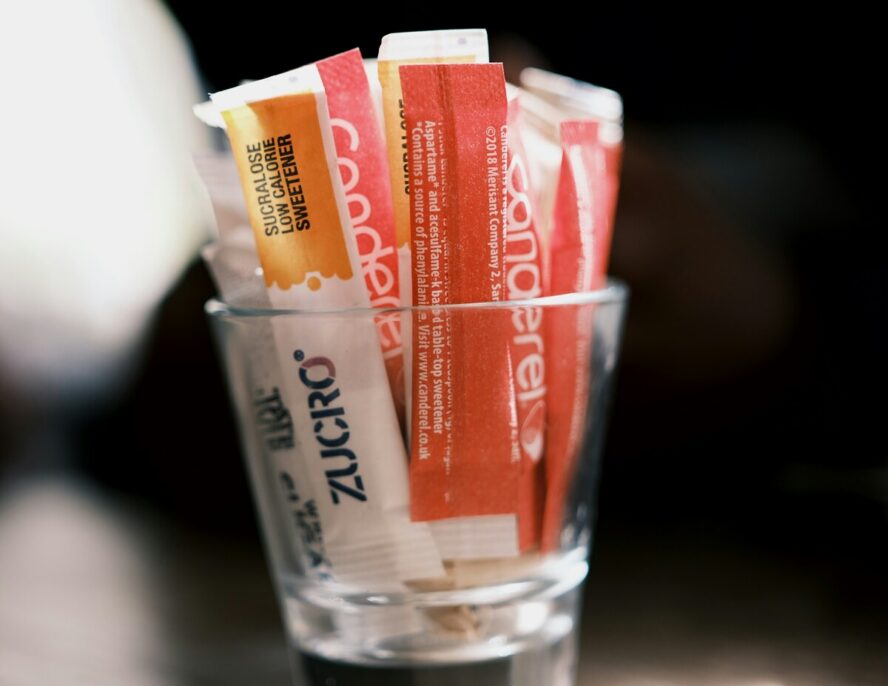
- Stevia: A plant-derived, zero-calorie natural sweetener that generally has a minimal impact on blood sugar, though some notice a slight bitter aftertaste.
- Monk Fruit (Luo Han Guo): Another zero-calorie natural extract boasting high sweetness levels without the chemical synthesis or common gut distress associated with older artificial options.
- Erythritol and Xylitol (Sugar Alcohols): Offer a texture and taste remarkably close to table sugar, though excessive consumption can lead to gastrointestinal distress or bloating.
- Raw Honey and Maple Syrup: Nutrient-dense natural sweeteners that still contain calories and impact blood sugar, but offer trace minerals and antioxidants missing from refined white sugar.
Frequently Asked Questions (FAQ)
Why is sucralose considered bad for you by some experts?
Concerns primarily stem from recent human clinical trials highlighting shifts in the gut microbiome, older high-dose rodent studies regarding cancer (which have been largely dismissed by mainstream toxicologists), and the presence of carbohydrate fillers in tabletop commercial packets.
Is sucralose carcinogenic?
No robust human evidence supports the claim that sucralose causes cancer. Regulatory agencies globally confirm that typical human consumption levels do not pose a carcinogenic risk.
Is Splenda® identical to pure sucralose?
Technically, no. While Splenda contains sucralose, pure sucralose makes up only about 1% of the packet. The remaining 99% consists of bulking fillers like dextrose and maltodextrin, which carry minor caloric and glycemic impacts.
Is sucralose worse for you than regular sugar?
In typical amounts, sucralose carries fewer systemic metabolic risks (such as obesity and severe tooth decay) than chronic overconsumption of added sugar. However, "better than sugar" does not automatically mean "entirely risk-free," particularly regarding gut health.

Can sucralose cause weight gain?
Directly, no, because it is calorie-free. Indirectly, however, some studies suggest that artificial sweeteners may alter appetite signaling or trigger insulin responses in certain individuals, making long-term weight management more complicated than expected.
Disclaimer: When making any major lifestyle, dietary, or health changes, always consult your primary care physician or a registered dietitian. The views and opinions expressed in this article are those of the authors and do not necessarily reflect the official policy or position of any medical institution or regulatory body.
