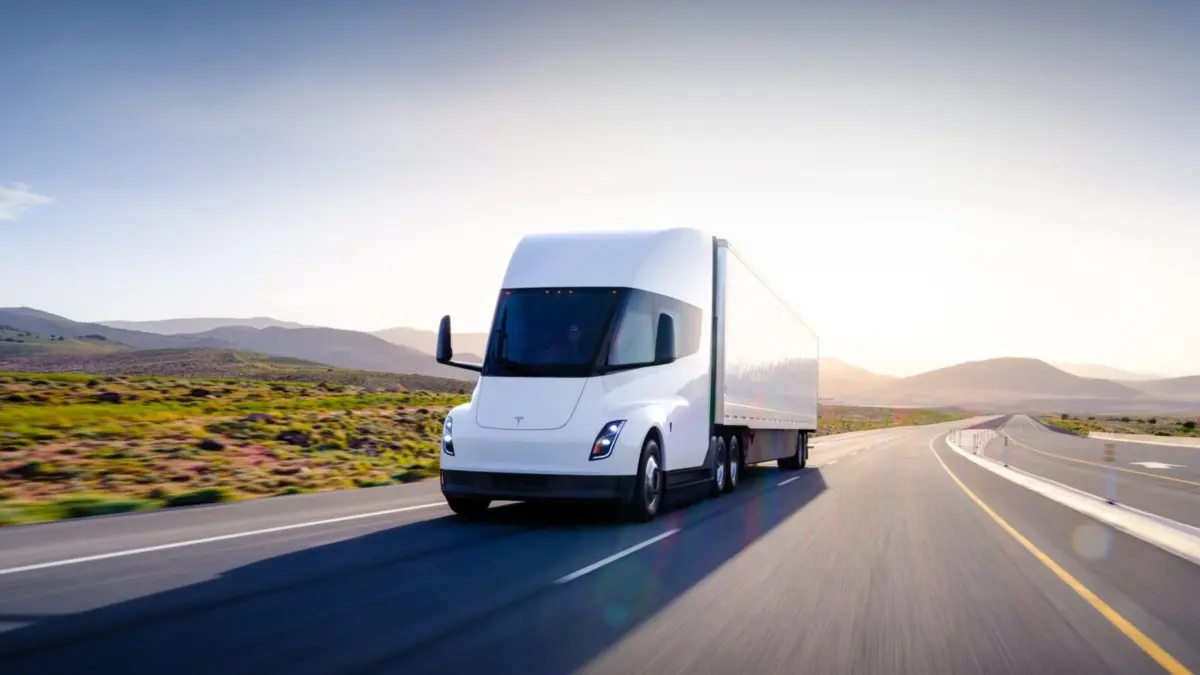
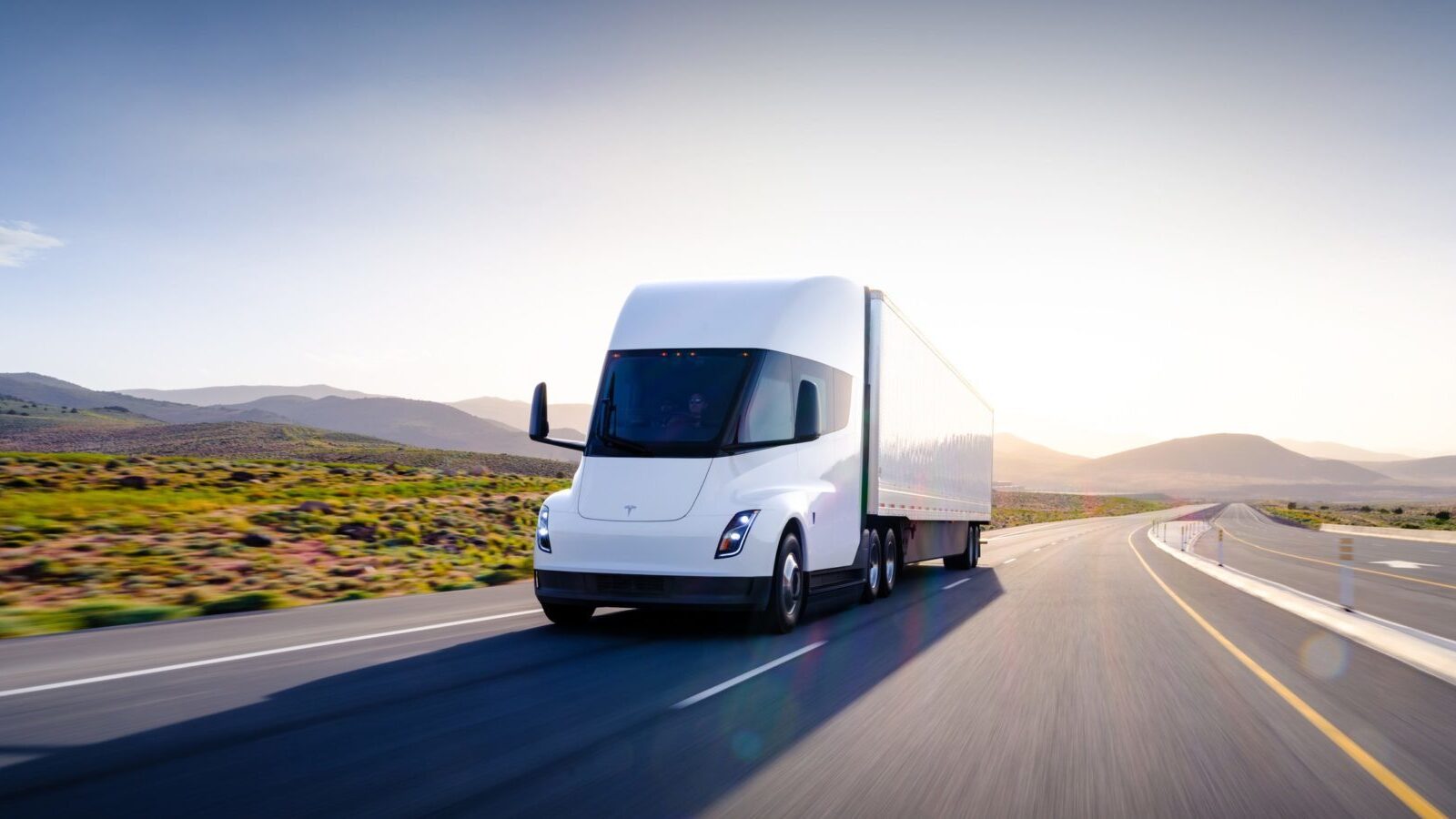
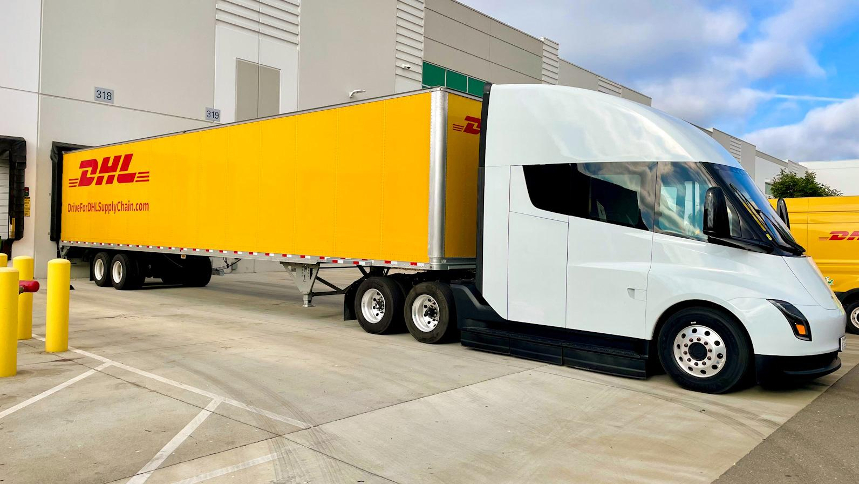
Nearly a decade after its initial, headline-grabbing unveiling, the Tesla Semi is finally shedding its reputation as a perpetually delayed concept and transitioning into a commercial reality. Following years of pilot projects, iterative engineering, and a shifting timeline, the heavy-duty electric truck has officially entered high-volume manufacturing at Tesla’s Nevada facility.
Compounding this manufacturing milestone, the program secured its largest commercial commitment to date: a 500-unit order from freight technology provider Einride. With deliveries slated to begin imminently and an upcoming debut on the European market at the IAA Transportation conference in Hannover, Germany, the Tesla Semi is stepping out of its protracted incubation period and entering the competitive arena of sustainable freight.
Main Facts: Scale, Specs, and Strategy
The commercial viability of heavy-duty electric trucking hinges on economics, range, and operational reliability. Tesla has positioned the Semi around these core metrics, though market adoption has taken longer than early projections suggested.
The vehicle is currently offered in two primary configurations for the US market:
Standard Range: Priced starting at approximately $260,000, this variant utilizes a 548 kWh battery pack to deliver an estimated 325 miles of range per charge.
Long Range: Priced starting at roughly $290,000, this variant steps up to an 822 kWh battery pack, pushing the estimated range to approximately 500 miles.
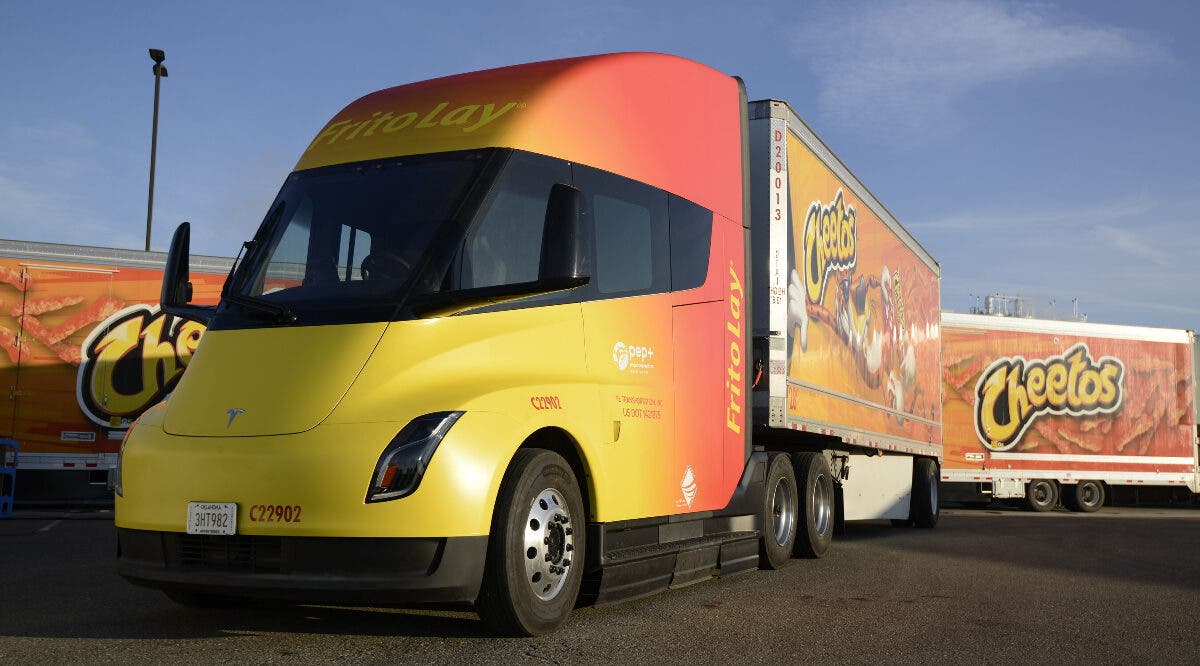
The recent catalyst for the program is the formal transition to high-volume manufacturing at "Gigafactory 1" in Nevada, which commenced on April 29, 2026. This operational shift has allowed Tesla to pivot from small-scale pilot fleets deployed by early adopters—such as PepsiCo, Frito-Lay, and DHL—to fulfilling massive commercial orders.
The most prominent of these is Einride’s purchase of 500 Tesla Semis. While Einride is a Swedish freight company, these specific trucks are destined for US operations. They will traverse major logistics corridors across California, New Jersey, Texas, Illinois, and Georgia, handling heavy-duty freight for enterprise clients, including retail giant Amazon. Deliveries under this historic agreement are scheduled to begin in September.
Beyond the domestic market, Tesla is officially setting its sights across the Atlantic. European pricing, precise technical specifications tailored to regional regulations, and deployment timelines are scheduled to be officially unveiled at the upcoming IAA Transportation conference, running from September 15–20 in Hannover, Germany.
Chronology: A Decade-Long Journey from Concept to Scale
The path to mass production for the Tesla Semi has been marked by ambitious announcements, leadership changes, and prolonged development cycles.
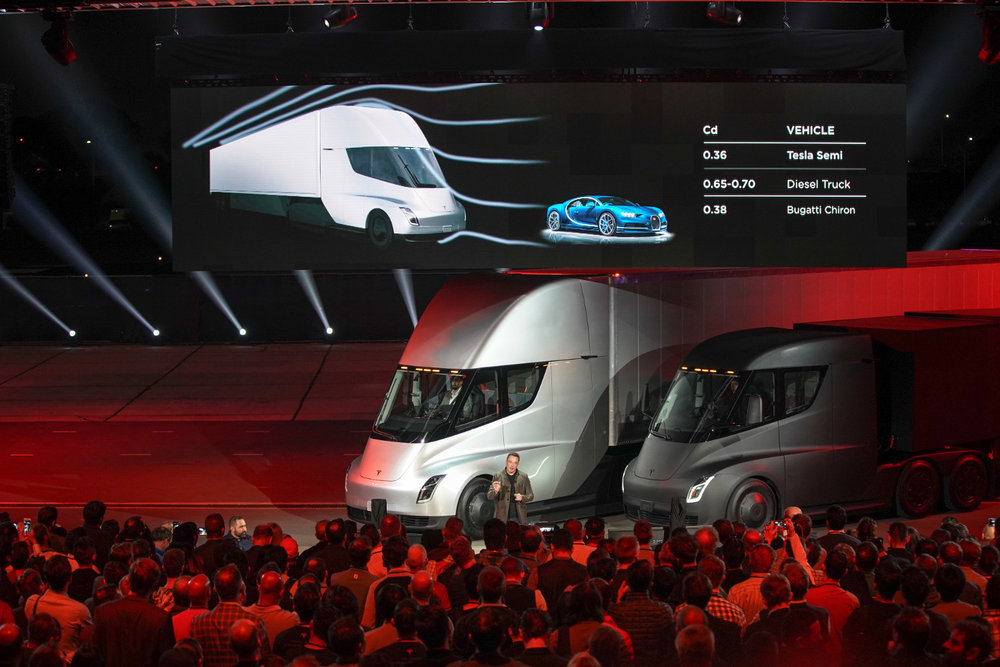
November 2017: Tesla officially unveils the Semi prototype during a flashy evening event in Hawthorne, California. CEO Elon Musk promises mind-bending performance specs, a 500-mile range, and a production launch by 2019.
2019: Jerome Guillen, then President of Tesla and the driving force behind the Semi program, hosts industry interviews detailing the rigorous engineering challenges of building a Class 8 electric truck. Despite internal optimism, delays begin to accumulate as Tesla prioritizes passenger vehicle scaling (Model 3 and Model Y) and battery supply chains. Guillen eventually departs the company amid the protracted timeline.
Late 2022: Nearly five years after the initial unveiling, pilot production of the Semi officially begins. PepsiCo becomes the inaugural recipient, deploying a small fleet of trucks for regional snack distribution out of its Modesto, California facility. Over the next few years, companies like Frito-Lay and DHL integrate small batches of the trucks into real-world operations to test durability, charging infrastructure, and driver feedback.
April 29, 2026: Following approximately four years of pilot-scale manufacturing, Tesla achieves a major milestone by initiating high-volume manufacturing at Gigafactory Nevada.
August 2026: Tesla announces its largest commercial order to date: 500 units destined for Einride’s US freight operations.
September 2026 (Upcoming): Einride’s initial deliveries commence, and Tesla prepares for its official European market introduction at the IAA Transportation conference in Hannover, Germany.
Supporting Data: Economics of Electrified Freight
The transition from diesel-powered Class 8 trucks to electric alternatives is fundamentally driven by total cost of ownership (TCO) rather than environmental idealism alone, though corporate sustainability mandates certainly accelerate adoption.
Heavy-duty commercial trucks are notoriously expensive to operate, with diesel fuel, engine maintenance, and frequent repairs forming the bulk of fleet expenditures. According to industry analyses and statements from Tesla’s program leadership, electric heavy-duty trucks fundamentally alter this financial equation through several key mechanisms:
Fuel Savings: Electricity is generally cheaper and more price-stable than diesel fuel, particularly when fleets utilize off-peak charging or dedicated megacharger depots.
Reduced Maintenance: Electric powertrains feature significantly fewer moving parts than internal combustion engines. Traditional pain points—such as oil changes, exhaust system upkeep, transmission repairs, and complex emissions control equipment—are entirely eliminated.
Improved Uptime: With fewer mechanical failure points, electric trucks experience less unplanned downtime, keeping freight moving on schedule and maximizing asset utilization.
Operational Efficiency at Scale: When fleets deploy EVs in high volumes—such as Einride’s 500-truck commitment—charging infrastructure, driver training, and route planning become optimized, driving the cost per mile down even further.
While the upfront acquisition cost of a Tesla Semi ($260,000 to $290,000) is higher than a conventional diesel semi, the combination of per-mile operational savings, federal/state clean vehicle incentives, and reduced maintenance intervals is designed to offset the capital expenditure over the vehicle’s operational lifecycle.
Official Responses: Industry Leaders Weigh In
The scale of the Einride agreement and the ongoing maturation of the Tesla Semi program have drawn enthusiastic commentary from executives on both sides of the partnership.
Roozbeh Charli, CEO of Einride, emphasized the operational readiness and execution capability demonstrated by the massive deployment:
"This deployment is yet another proof point that we can execute at the scale our customers demand. Working closely with Tesla to bring next-generation Semis into active operations quickly and at scale is a testament to the strength of that partnership, and how quickly this technology is maturing from promise to daily operations."
Dan Priestley, Director of the Tesla Semi program, underscored the financial and operational advantages driving modern freight fleets toward electrification:
"Einride is at the forefront of sustainable freight, and we are thrilled to deepen our relationship with them through this order of 500 Semis. EV heavy trucks provide lower costs per mile from fuel savings, reduced maintenance, and better uptime over diesel trucks. These savings increase further through operational efficiency when deploying EV trucks at scale, and we are excited that Einride recognizes this and look forward to supporting their deployments."
Implications: What This Means for the Commercial Trucking Sector
The transition of the Tesla Semi from a speculative project to high-volume manufacturing—coupled with massive enterprise orders—signals a broader structural shift in the global logistics industry.
For years, skeptics argued that long-haul, heavy-duty trucking was too energy-intensive to be effectively electrified, pointing to battery weight, charging times, and grid limitations. However, regional freight corridors and hub-to-hub logistics are proving to be ideal proving grounds for Class 8 EVs. By deploying fleets across high-density logistics hubs in states like California, Texas, and Georgia, operators can establish predictable charging routines that bypass the need for cross-country mega-charging infrastructure on day one.
Furthermore, Einride’s integration of 500 trucks to support major enterprise shippers like Amazon demonstrates that institutional logistics providers are increasingly confident in the technology’s reliability. As these trucks log millions of commercial miles, the resulting performance data will likely influence procurement decisions across the entire transportation sector.
With the upcoming European debut in Hannover, Germany, Tesla is also signaling its intent to compete in international markets where stringent emissions regulations and high diesel taxes make electric freight an even more urgent priority. If early pilot projects and large-scale orders translate into reliable, day-to-day operational success, the Tesla Semi may finally shake off the ghosts of its protracted development timeline and cement its place as a formidable player in the electrification of global commerce.