

By the Investigative Desk
Published: Crystal Wellness & Industry Insights
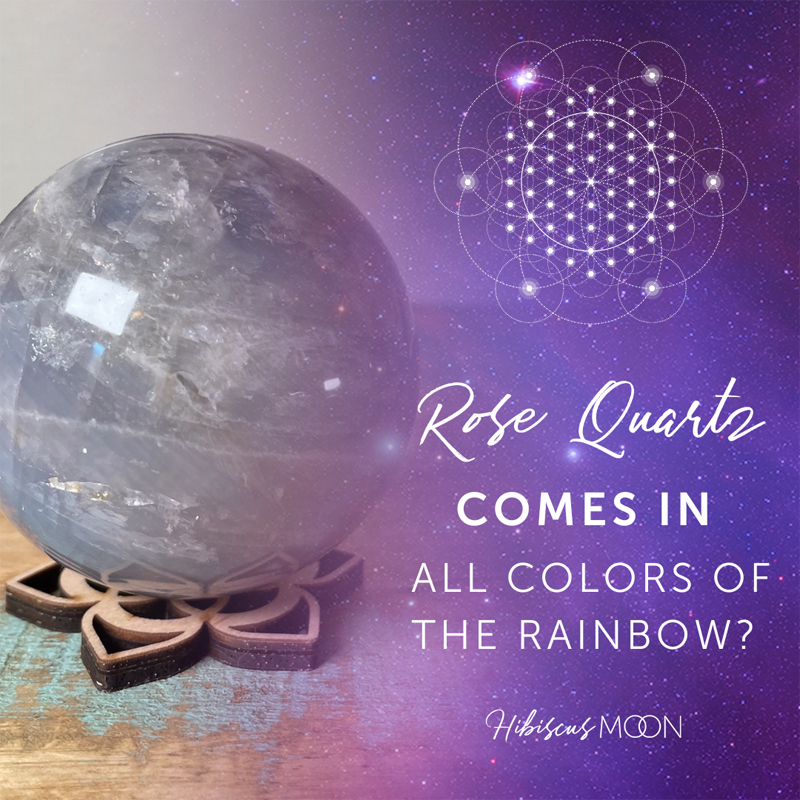
Main Facts: The Illusion of "Blue Rose Quartz"
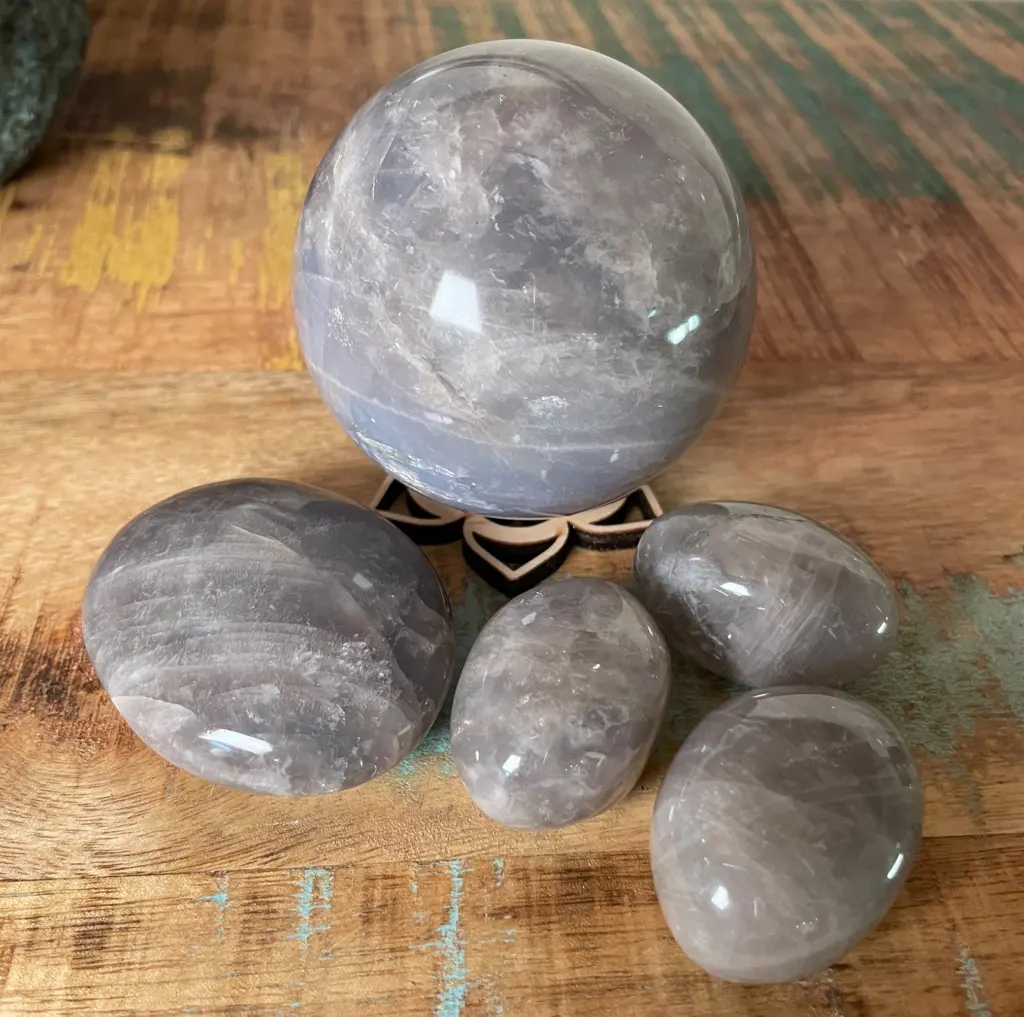
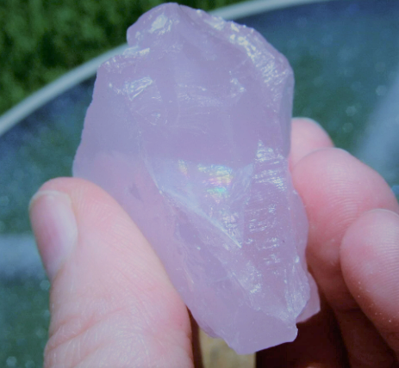
In recent years, the global crystal and metaphysical market has experienced an influx of novel, enticing, and frequently misleading mineral names. Among the most prominent—and scientifically confounding—is the sudden proliferation of so-called "Blue Rose Quartz," heavily marketed as an exotic import originating from Madagascar.
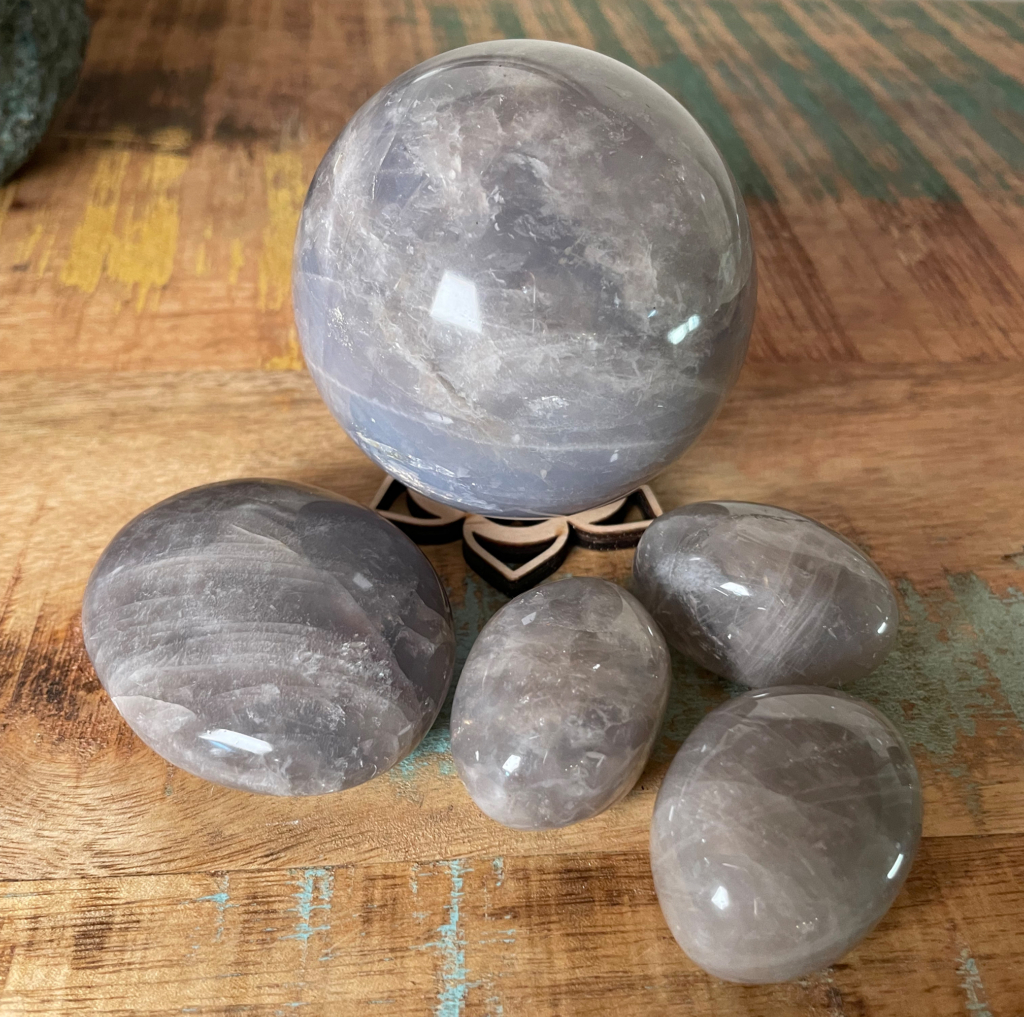
To the untrained eye, these specimens display captivating hues of pale blue, lavender, and translucent milky-white, sometimes even accompanied by darker, contrasting matrices marketed as "Black and Blue Rose Quartz." However, according to geologists, veteran mineralogists, and ethical crystal educators, "Blue Rose Quartz" is a linguistic sleight of hand. By definition, true rose quartz owes its signature pink coloration to microscopic, nanofibrous mineral inclusions closely related to dumortierite.
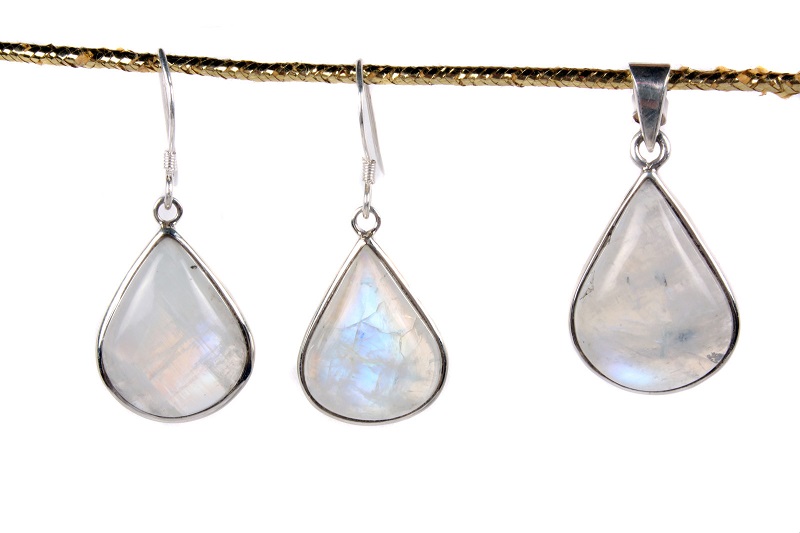
If a quartz specimen does not display a genuine pink hue, mineralogical standards dictate that it cannot be classified as rose quartz. Instead, industry experts reveal that much of this trending material is simply low-grade, milky quartz or heavily heat-treated amethyst—minerals that have historically been abundant, inexpensive, and categorized as lower-grade stock. By rebranding these common stones with ethereal, high-demand marketing terms, modern sellers have inflated prices and capitalized on consumer gaps in geological education.
Chronology: How the Trend Unfolded
The widespread commercialization and subsequent exposure of "Blue Rose Quartz" followed a distinct timeline driven by online marketplaces, social media amplification, and community-led investigations:
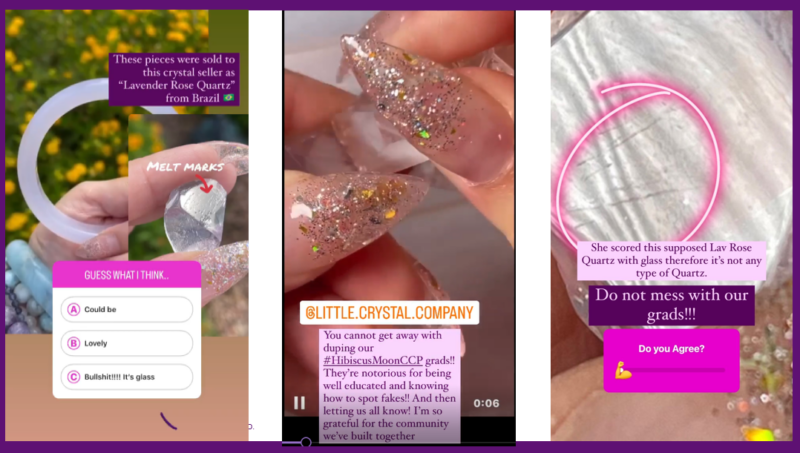
- Early 2010s: Mineral educators and crystal community leaders begin publishing foundational warnings regarding market fakes, synthetic treatments, and creative renaming practices used by unscrupulous vendors to artificially drive up prices.
- Pre-2020: Low-grade, hazy quartz and pale, low-grade amethyst variants circulate quietly through the wholesale market. Historically, these stones were sold transparently under budget-friendly classifications, often regarded by stone-sellers as lower-tier inventory (sometimes informally graded on a descending scale from AAA down to D).
- 2021–2022: A sudden surge of specimens labeled as "Blue Rose Quartz from Madagascar" floods digital storefronts, Etsy shops, and social media platforms. Certified crystal practitioners and student investigators begin flooding educational forums with questions regarding the authenticity and mineralogical makeup of these stones.
- Late 2022: Prominent crystal educators, backed by geological testing and mineralogical assays performed by independent vendors (such as Little Lemuria), publicize comprehensive breakdowns exposing the true identity of the stones. Aesthetic variations—including the equally puzzling "Black Rose Quartz"—prompt industry-wide debates on consumer protection, ethical marketing, and the preservation of accurate geological terminology.
Supporting Data and Geological Analysis
To understand why "Blue Rose Quartz" is a misrepresentation, one must look closely at the geological and thermal processes that alter quartz minerals.
Geological investigations and laboratory testing reveal several realities behind these trending stones:
- The Thermal Alteration of Amethyst: When low-grade amethyst or milky quartz is subjected to extreme heat—specifically temperatures exceeding 932°F (500°C)—the natural irradiation centers responsible for the stone’s purple or lilac color begin to break down. This thermal bleaching creates a hazy, milky, or opalized appearance. In geology, this phenomenon can produce Girasol—an opalized variety of quartz characterized by a floating, bluish-white glow caused by light scattering through microscopic water droplets trapped within the matrix.
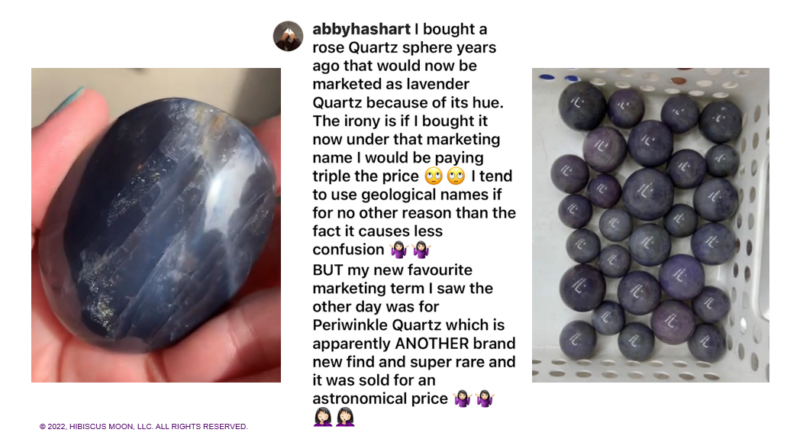
- The Overhaul of Grading Systems: Historically, the gem and mineral industry utilized a letter-based grading scale akin to diamond assessment (where AAA represents top-tier clarity and color saturation, and D represents lower-grade, heavily included specimens). The emergence of names like "Blue Rose Quartz" bypasses these established grading systems entirely, allowing lower-tier (Grade D) inventory to be marketed as rare, high-vibration spiritual novelties.
- Mineralogical Contradictions: Independent mineral testing commissioned by specialized crystal curators has confirmed that these blue variants lack the specific structural inclusions that define true rose quartz. In many cases, what is sold as an exotic crystal variant is simply standard silicon dioxide ($textSiO_2$) manipulated via heat treatment or misidentified due to surface-level color anomalies.
Official Responses and Expert Perspectives
The marketplace response to the "Blue Rose Quartz" phenomenon highlights a stark divide between creative marketing agencies and scientifically grounded mineral educators.
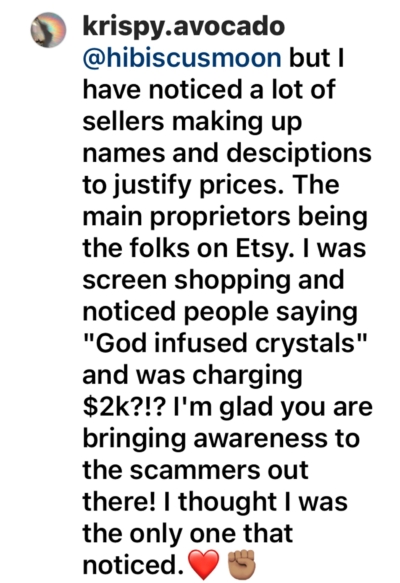
Independent mineral retailers and certified crystal practitioners have taken active steps to push back against misleading terminology. For instance, specialized shops like Little Lemuria have taken the proactive measure of publishing official geological assay reports, offering consumers transparent data regarding the exact composition of the minerals they purchase.
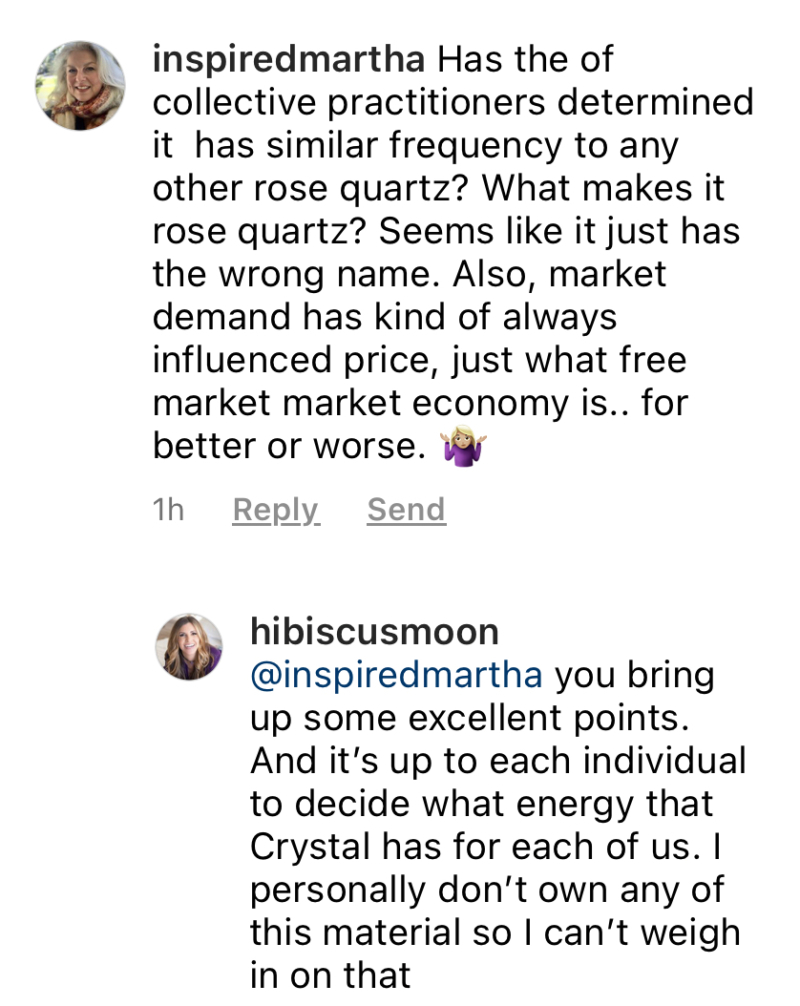
Prominent figures in the crystal education space—including former science department heads, Master’s-level geology scholars, and founders of major crystal academies—have utilized platforms like Instagram and dedicated educational blogs to sound the alarm. Their primary message is not to disparage the energetic or aesthetic value of the stones themselves, but to challenge the deceptive practices of the supply chain.

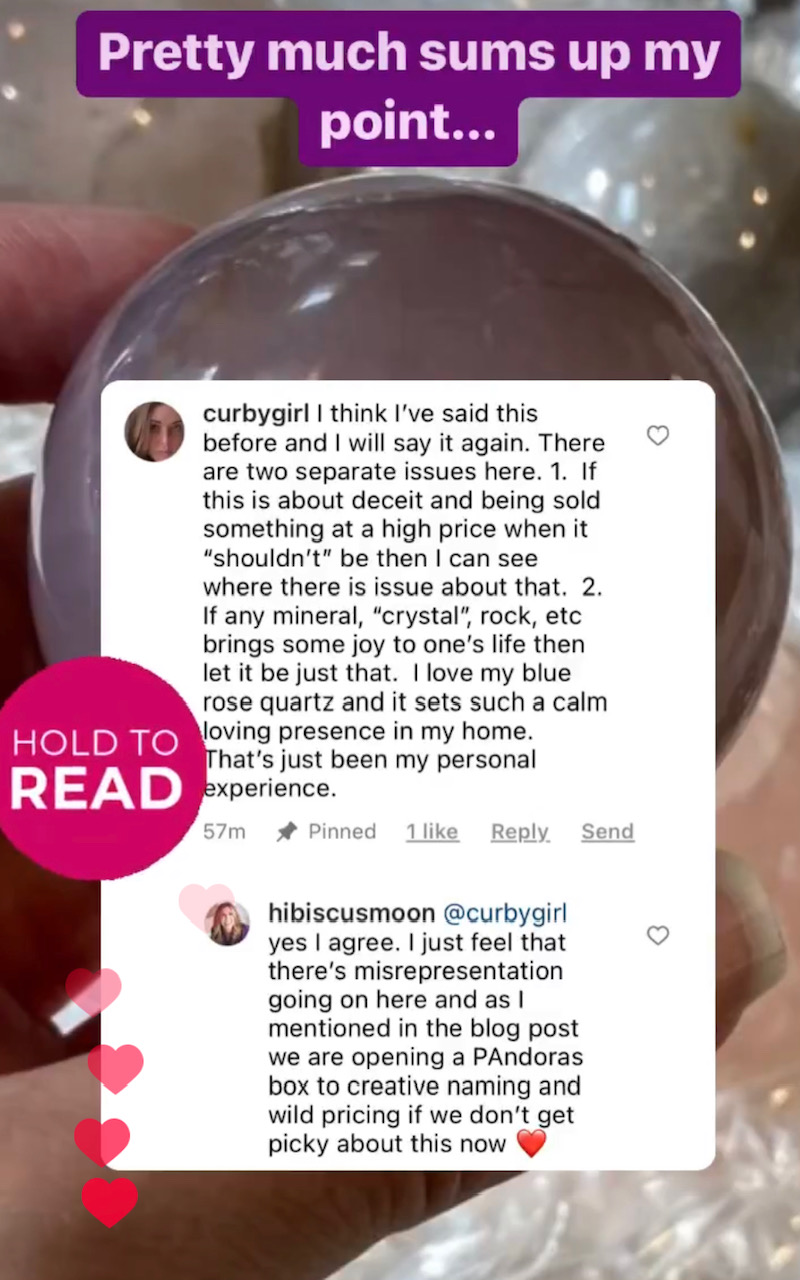
"When I say that it’s low-grade rose quartz, I don’t mean that I wouldn’t work with it or that I personally consider it less than," notes one prominent crystal educator and author. "I’m trying to convey that this used to be considered by the stone-selling industry as a lower quality based on industry standards. That does not mean that it delivers less joy or energetic impact… What I’m up in arms about is that this was always relatively abundant and sold cheaply before. Is it right to just state that it no longer is, and therefore falsely inflate the price?"

Implications for Consumers and the Metaphysical Community
The prevalence of rebranded minerals like "Blue Rose Quartz" carries significant implications for both consumer economics and the integrity of the metaphysical community.

1. Financial Exploitation and Inflation
When common, low-tier minerals are rebranded with mystical, fabricated names, consumers frequently pay premium prices for materials that cost pennies to source at scale. This deliberate obfuscation drains the financial resources of buyers who believe they are purchasing rare, highly specialized geological anomalies.

2. Erosion of Trust and Educational Gaps
The crystal market operates largely on trust between the buyer and the seller. When deceptive marketing is allowed to run unchecked, it creates widespread confusion, alienates discerning buyers, and damages the credibility of legitimate metaphysical practitioners who strive to educate their clients.

3. The Slippery Slope of Creative Naming
Industry veterans warn that if consumers and retailers do not actively push back against names like "Blue Rose Quartz" and "Black Rose Quartz," the market will see an exponential rise in fabricated trade names. Without standardized terminology, the boundary between natural mineralogy and marketing fiction will dissolve entirely.

Protecting Yourself: The Buyer’s Checklist
To navigate the modern crystal market safely, experts recommend adhering to fundamental consumer-protection principles:

- Verify the Source: Purchase from reputable dealers who transparently share the geological origin and treatment history of their inventory.
- Question the Unrealistic: If a common mineral is suddenly marketed as an ultra-rare color variant with an exorbitant price tag, perform independent research.
- Prioritize Education: Rely on verifiable geological facts rather than marketing buzzwords. As the crystal community frequently emphasizes: You don’t know what you don’t know—until you know better.
By fostering a culture of rigorous inquiry, ethical retail standards, and scientific literacy, the global crystal community can protect itself against marketing trickery and ensure that the appreciation of Earth’s natural wonders remains grounded in truth.
