


By Environmental News Desk
Published in Partnership with Organic Authority
In a dramatic reversal of federal regulatory policy, the U.S. Environmental Protection Agency (EPA) has officially scrapped a scheduled, comprehensive risk assessment aimed at evaluating the dangers of spreading PFAS-contaminated sewage sludge onto American agricultural land.
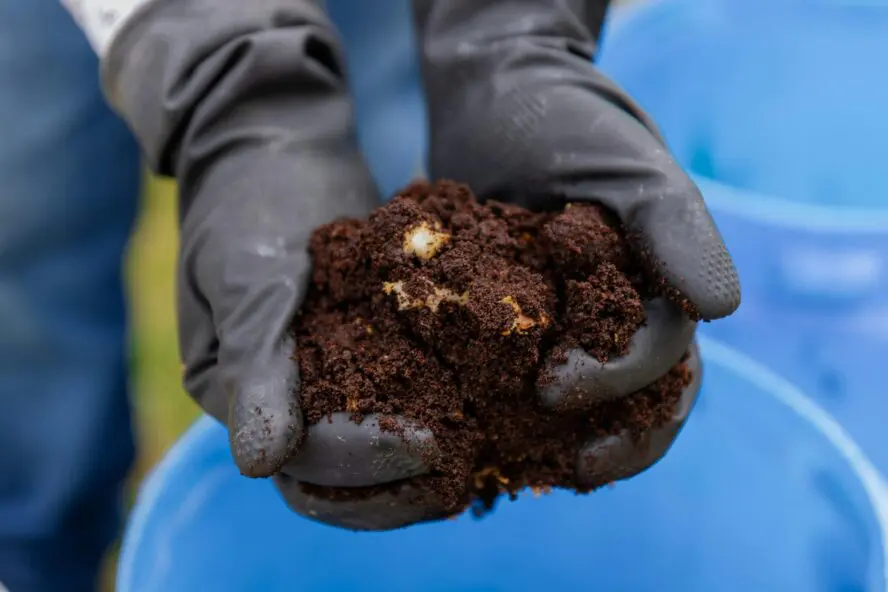
The decision discards extensive scientific research compiled over decades and effectively halts a regulatory review that could have phased out the widespread practice of using treated municipal and industrial waste—commonly known as biosolids—as agricultural fertilizer. Currently, approximately 60 percent of all biosolids generated in the United States are applied to cropland, a practice that public health advocates warn is quietly reintroducing toxic "forever chemicals" directly into the nation’s food supply and water tables.
Main Facts
The controversy centers on the EPA’s June publication of a new, nine-page guidance document that abruptly dismisses a 272-page draft risk assessment compiled under the Biden administration in January 2025.

- The Scope of the Practice: Nearly 60% of all biosolids produced by wastewater treatment facilities in the United States are currently repurposed as agricultural fertilizer.
- The Contamination Crisis: Independent studies, including landmark research highlighted by The Guardian in 2022, estimate that roughly 20 million acres of U.S. cropland have been contaminated with Per- and Polyfluoroalkyl Substances (PFAS) as a direct result of biosolid application.
- The Policy Pivot: Under the current administration, the EPA has not only canceled the forthcoming risk assessment but has replaced binding regulatory oversight with a short guidance document offering merely "voluntary recommendations" for consumers and farmers trying to navigate exposure risks on their own.
- Broader Deregulation: This action is part of what regional news sources, such as WRAL News, have identified as one of the largest deregulatory efforts regarding PFAS in the agency’s history, closely following similar proposals to roll back or maintain lenient drinking water limits for specific PFAS compounds like PFOA and PFOS.
Chronology of Events
To understand the magnitude of the EPA’s recent pivot, it is necessary to trace the trajectory of biosolid usage and the evolving regulatory landscape over the past several decades.
- Early 1990s: The EPA formally sanctions the spreading of treated human and industrial sewage sludge on American cropland, positioning it as an economical, eco-friendly method for waste disposal and soil fertilization.
- June 2003: Evidence begins to mount regarding the systemic hazards of land-applied sludge. Reports emerge of livestock illness and death, particularly on farms utilizing land dedicated to animal feed where sludge was heavily applied, prompting early waves of agricultural lawsuits.
- May 2022: Investigative reports and academic studies reveal the staggering scope of contamination, estimating that 20 million acres of U.S. farmland are laden with persistent PFAS chemicals originating from municipal waste applications.
- June 2022: In response to mounting contamination crises, Maine becomes the first state in the nation to enact a total ban on the application of biosolids to agricultural land, setting a precedent for local legislative action.
- January 2025: Following years of pressure from environmental groups and independent scientists, the EPA under the Biden administration releases a comprehensive, 272-page draft risk assessment synthesizing decades of research. The document lays the groundwork for potentially ending the use of PFAS-contaminated biosolids nationwide and empowers individual states to establish local protective measures.
- 2024–2025: Legal pressure intensifies. Non-profit environmental law organizations, such as Public Employees for Environmental Responsibility (PEER), file notices to sue federal regulators on behalf of impacted agricultural workers, such as Texas farmers, demanding an end to the dangerous practice. Meanwhile, Maryland follows Maine’s lead by passing its own total ban on biosolids in 2024.
- June 29, 2026: The EPA abruptly publishes a new guidance document that officially kills the scheduled risk assessment. The agency claims the Biden-era draft was fundamentally flawed, caused public confusion, and overstated the "potential risks" of sludge application.
Supporting Data and the Science of "Forever Chemicals"
Biosolids are produced at municipal wastewater treatment plants, where wastewater from residential, commercial, and industrial sources is processed. While treatment removes many pathogens, it fails to eliminate synthetic chemical compounds—most notably PFAS.
What are PFAS?
PFAS, frequently referred to as "forever chemicals," comprise a vast class of roughly 15,000 synthetic chemicals engineered since the mid-20th century for their water-, grease-, and heat-resistant properties. Found in everything from non-stick cookware and waterproof textiles to firefighting foams and industrial lubricants, these compounds share an extraordinarily strong carbon-fluorine bond.
Because nature cannot easily break down this bond, PFAS accumulate persistently in both the environment and living organisms. In humans and animals, exposure to even low levels of PFAS over time has been linked to severe health consequences, including:

- Various forms of cancer (particularly kidney and testicular cancer)
- Reproductive and developmental complications
- Elevated cholesterol and liver disease
- Compromised immune system function and reduced vaccine efficacy in children
The Agricultural Feedback Loop
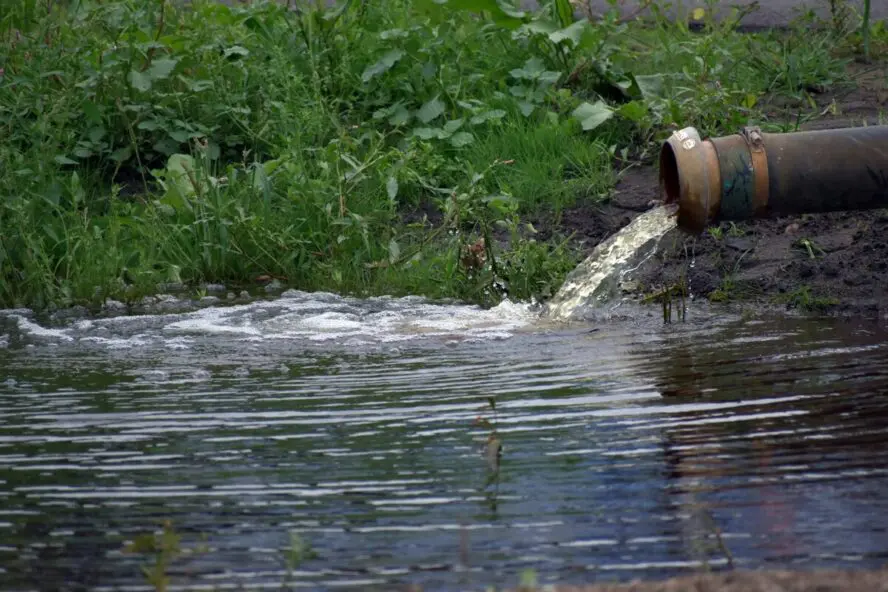
When industrial and residential wastewater is treated and the resulting sludge is spread across fields, PFAS do not simply vanish. They bind to the soil, are taken up by crops destined for human and animal consumption, and leach into groundwater tables and surrounding watersheds.
Independent scientific reviews note that decades of applying these toxic byproducts to farm fields have effectively turned America’s agricultural breadbasket into a reservoir for persistent chemical pollution.
Official Responses and Industry Reactions
The EPA’s abrupt U-turn has drawn swift, severe condemnation from legal experts, public health advocates, and environmental organizations who accuse the agency of abandoning its core mission to protect human health and the environment.
In its June 2026 guidance, the EPA defended its decision by arguing that the previous administration’s draft risk assessment was misleading. The agency emphasized that the potential risks cited in the 272-page document were overstated, stating that the current administration "has determined that the Draft Risk Assessment exhibited a number of serious flaws that have caused confusion among consumers and agricultural producers."
Independent watchdogs, however, view this rationale as a smokescreen designed to shield industrial polluters at the expense of public safety.
"It’s shocking for a federal scientific agency to take a comprehensive scientific assessment and simply throw it out," said Laura Dumais, an attorney with Public Employees for Environmental Responsibility (PEER). Dumais and her organization have been at the forefront of legal battles demanding federal intervention to protect farmers and rural communities from toxic sludge.
Jean Zhuang, a senior attorney with the Southern Environmental Law Center, echoed these concerns, noting that the discarded Biden-era assessment represented a synthesis of decades of peer-reviewed science.
"By abandoning that assessment, this administration is actively getting in the way of protecting people from toxic chemical contamination," Zhuang stated. "Instead of engaging with the underlying science, the EPA is attempting to downplay a systemic problem."
Furthermore, critics point out the stark contrast in the agency’s approach to accountability. Rather than establishing enforceable federal limits or banning a dangerous agricultural practice, the new nine-page guidance shifts the burden entirely onto the public.
"The EPA’s solution here essentially boils down to do your own research," Dumais remarked. "They are announcing that they aren’t going to regulate anything, so if you think contaminated food or soil is dangerous, you’re left to figure it out for yourself."
Implications for Public Health, Agriculture, and the Future of Regulation
The EPA’s decision to abandon its risk assessment carries profound implications for multiple sectors of American society:
1. The Burden on Farmers and Local States
With federal oversight effectively neutralized, the responsibility for managing PFAS contamination falls squarely on state governments and individual farmers. States like Maine and Maryland—which have already enacted total bans on spreading biosolids—will likely serve as models for proactive environmental legislation. However, farmers in states without such protections remain caught in a bind: many rely on biosolids as a cheap source of nitrogen and phosphorus, yet utilizing them risks poisoning their soil, sickening their livestock, and rendering their harvests unsellable.

2. Consumer Safety and the Food Supply
Because millions of acres of farmland remain tainted with forever chemicals, trace amounts of PFAS will continue to enter the human food chain through vegetables, grains, dairy, and meat products. Without mandatory federal thresholds governing allowable PFAS levels in fertilizer, consumers have virtually no way of knowing whether the produce they purchase at local grocery stores has been grown in sludge-fertilized soil.
3. The Future of Federal Environmental Policy
This deregulatory move signals a broader shift in federal environmental jurisprudence. By delegitimizing previous risk assessments and replacing them with non-binding, voluntary consumer guidance, the EPA is signaling a retreat from proactive containment strategies. Legal scholars suggest this may trigger a wave of litigation, as states, environmental coalitions, and affected agricultural communities increasingly turn to the courts to force federal action against the growing threat of persistent chemical pollution.
As the debate over forever chemicals intensifies, the EPA’s decision ensures that the intersection of waste management, agricultural productivity, and public health will remain one of the most contentious battlegrounds in modern environmental policy.
