

By Staci Gulbin, MS, RD
Updated for the Health & Wellness Desk
If beef tallow has suddenly saturated your social media feeds, restaurant menus, and grocery aisles, you are not imagining things. Once relegated to historical culinary footnotes and replaced by vegetable oils in the late 20th century, rendered beef fat is experiencing a roaring renaissance.
The revival is heavily tied to shifting federal dietary frameworks and the viral momentum of the "Make America Healthy Again" (MAHA) wellness movement. Promoted as a traditional, minimally processed alternative to modern seed oils, beef tallow has become the darling of anti-processed-food advocates. Major snack brands and fast-food chains—ranging from regional chip companies to major restaurant icons—have rushed to swap out plant oils for tallow, boasting a return to "ancestral cooking."
However, a closer look at the nutritional science reveals a complex web of mathematical contradictions, conflicting federal guidelines, and industry-backed research. While beef tallow has legitimate culinary utility, the trend has significantly outrun the empirical science.
Main Facts: What Is Beef Tallow and Why Is It Surging?
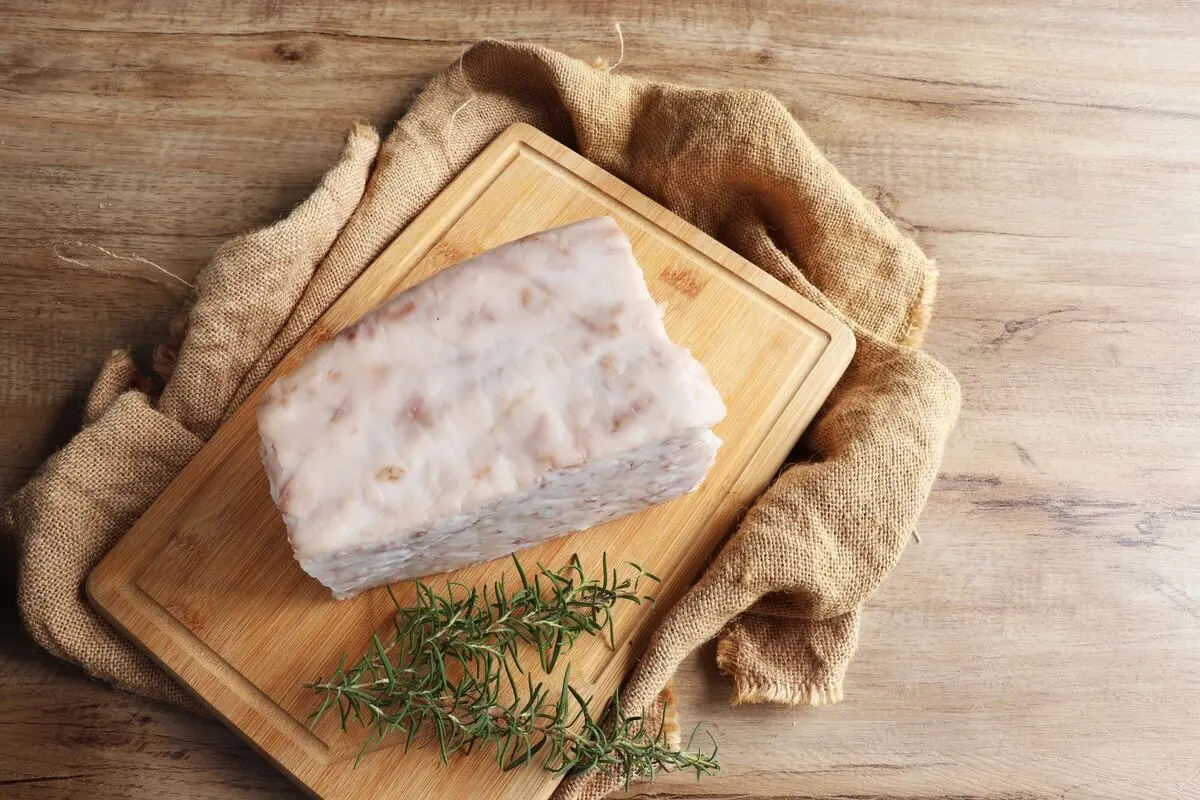
At its core, beef tallow is simply rendered beef fat that remains solid at room temperature. For decades, it was a staple of American kitchens and commercial fryers. Notably, McDonald’s used beef tallow to cook its iconic French fries until 1990, when public health pressure and rising anxiety over saturated fats prompted a mass corporate migration to vegetable oils.
Fast forward to January 2026, and the landscape has inverted. Driven by social media scrutiny of seed oils (such as canola, soybean, and corn oil) and updated federal dietary guidance, public perception has flipped. Seed oils—which contain linolenic acid, long associated with reduced LDL cholesterol and lowered heart disease risk—have been cast as inflammatory villains by wellness influencers.
Conversely, beef tallow has been framed as a pristine, unadulterated fat source. Brands like UTZ® and Steak ’n Shake have proudly transitioned to cooking their chips and fries in beef tallow, capitalizing on consumer weariness of industrial food manufacturing. Yet, this has sparked an urgent debate among registered dietitians and medical professionals: Does swapping industrial seed oils for animal fats actually make a deep-fried potato healthy?
Chronology: From the Fast-Food Fryer to the Wellness Mainstream
To understand how beef tallow recaptured the cultural zeitgeist, it helps to examine its modern timeline:
- Pre-1990: Beef tallow reigns supreme in American fast-food chains, used extensively for frying potatoes and other items due to its high smoke point and rich flavor profile.
- 1990: Amid growing public health campaigns warning against saturated fats and high cholesterol, fast-food giants like McDonald’s phase out beef tallow in favor of vegetable oils.
- 2010s–Early 2020s: The low-fat craze gives way to the keto and paleo movements. While coconut oil and butter enjoy spells in the spotlight, seed oils remain the dominant commercial cooking medium.
- January 2026: Federal health guidelines spark immediate controversy by designating certain animal fats as "healthy fats" under specific frameworks, aligning with broader cultural shifts toward whole-fat dairy and red meat consumption popularized by the MAHA movement.
- Present Day: Wellness spaces embrace beef tallow for everything from high-heat culinary applications to artisanal skincare and candle-making, while nutritionists scramble to untangle the resulting public confusion.
Supporting Data: The Saturated Fat Math That Doesn’t Add Up
To evaluate whether beef tallow belongs in a balanced diet, experts point to the mathematical reality of federal dietary guidelines versus daily caloric limits.
The Dietary Guidelines for Americans recommend that saturated fat intake should not exceed 10% of total daily calories. For a standard 2,000-calorie diet, this translates to roughly 200 calories, or about 22 grams of saturated fat per day.
When comparing cooking fats per tablespoon, the nutritional breakdown tells a striking story:
| Nutrition Facts (Per Tablespoon) | Beef Tallow | Vegetable Oil | Olive Oil | Canola Oil | Butter |
|---|---|---|---|---|---|
| Calories | 115 | 120 | 119 | 124 | 102 |
| Total Fat (g) | 12.8 | 13.6 | 13.5 | 14 | 11.5 |
| Saturated Fat (g) | 6.37 | 2.08 | 1.86 | 0.91 | 7.3 |
| Daily Value % Saturated Fat* | 32% | 10% | 9% | 5% | 36.5% |
| Smoke Point | 400–420°F | 450°F | 410°F | 435°F | 350°F |
*Based on <10% of 2,000 kcal/day = ~20g saturated fat limit.
The Dairy Dilemma
The mathematical friction becomes glaringly obvious when looking at concurrent guideline recommendations. The federal framework encourages Americans to consume up to three servings of full-fat dairy daily—such as whole milk, whole-milk yogurt, and cheddar cheese.
- One ounce of cheddar cheese contains ~5.38 grams of saturated fat.
- One cup of whole-milk yogurt contains ~5.14 grams.
- One cup of whole milk contains ~4.63 grams.
Consuming just these three dairy items puts an individual at roughly 15 to 16 grams of saturated fat—leaving a razor-thin margin of 6 grams for the rest of the day. Adding a single tablespoon of beef tallow or butter for cooking instantly pushes the consumer over their recommended daily limit, leaving zero room for snacks, proteins, or other dietary fats.
Official Responses and Scientific Evidence
Public health authorities and independent researchers have voiced growing concern over the disconnect between viral wellness trends and empirical data.

What the Evidence Shows About Fats and Longevity
A landmark 2025 study published in JAMA Internal Medicine, tracking approximately 220,000 adults over 33 years, revealed that replacing just one tablespoon of butter daily with plant-based oils (such as olive, avocado, or vegetable oil) was associated with a 17% lower risk of early death.
Furthermore, nutritional scientists emphasize that the medium of cooking cannot rescue an inherently ultra-processed food. Deep-frying a potato—whether submerged in soybean oil or rendered beef tallow—does not alter the fundamental nutritional profile of a fried snack.
The Stearic Acid Nuance
Proponents of beef tallow frequently point to its unique fatty acid composition, specifically stearic acid. Unlike palmitic acid (found heavily in dairy and plant oils), stearic acid is a long-chain saturated fatty acid that is considered relatively neutral regarding low-density lipoprotein (LDL) cholesterol. Beef tallow also contains trace amounts of conjugated linoleic acid (CLA), which has shown potential in laboratory settings for reducing arterial plaque buildup.
However, medical experts stress that "neutral" does not equal "cardioprotective." Consuming excess saturated fat over time continues to be strongly correlated with elevated LDL cholesterol levels—a primary risk factor for cardiovascular disease and stroke.
Implications: Conflicts of Interest in Nutritional Research
When evaluating the sudden wave of pro-beef studies, researchers urge consumers to look closely at funding sources. A significant portion of the literature highlighting the benefits of red meat and animal fats originates from or receives financial backing from industry checkoff programs, such as the Beef Board Checkoff program and the National Cattlemen’s Beef Association (NCBA).

For instance, several 2025 observational reviews reporting no link between red meat consumption and inflammatory biomarkers explicitly disclosed funding or institutional support from cattlemen’s associations and meat research foundations. Conversely, independent studies free of agricultural industry funding—such as recent 2026 analyses on protein sources—frequently draw the opposite conclusion, suggesting long-term cardiovascular benefits from moderating red meat intake in favor of poultry or plant-based proteins.
A Decisive Verdict: Is Beef Tallow Healthy?
So, what is the ultimate verdict? Is beef tallow a health food or a hazard?
The reality lies in moderation. Beef tallow is not the toxic poison that 1990s low-fat crusaders claimed, nor is it the cardiovascular superfood modern wellness influencers proclaim. It is a traditional cooking fat with a high smoke point, making it exceptionally useful for high-heat culinary applications like roasting or searing.
However, treating it as a daily, unrestricted dietary staple directly contradicts established clinical guidelines regarding saturated fat and heart health.
Guidelines for Consumers:
- Prioritize Sourcing: If you choose to use beef tallow, opt for grass-fed varieties, which contain higher levels of omega-3 fatty acids and fat-soluble vitamins compared to grain-fed alternatives. Avoid products containing chemical additives or hydrogenated blends.
- Watch the Math: Account for your total daily saturated fat intake—especially if you consume full-fat dairy and red meats regularly.
- Don’t Fall for the "Fried Food" Halo: Swapping seed oil for tallow does not turn French fries or potato chips into health foods. Enjoy them strictly as occasional treats.
Ultimately, the trend of beef tallow has outpaced the science. There is no need to completely villainize it, but there is equally no reason to put it on a nutritional pedestal. Moderation, transparency in sourcing, and adherence to evidence-based dietary patterns—such as the Mediterranean diet rich in plant-based oils and antioxidants—remain the gold standard for long-term health.
Frequently Asked Questions
Is beef tallow healthier than seed oils?
Current clinical evidence does not support the claim that beef tallow is healthier than seed oils. Comprehensive long-term studies continue to favor plant-based oils (like olive and avocado oil) for cardiovascular health and longevity.
How much saturated fat is in beef tallow?
Each tablespoon of beef tallow contains approximately 6.37 grams of saturated fat, which accounts for nearly one-third of the recommended daily limit for a standard 2,000-calorie diet.
Does beef tallow raise cholesterol?
Because it is high in saturated fat, regular consumption of beef tallow can increase LDL ("bad") cholesterol levels. While its primary fatty acid (stearic acid) is somewhat more neutral than other saturated fats, overall moderation is strongly advised.
Is grass-fed beef tallow better for you?
Grass-fed beef tallow contains higher concentrations of conjugated linoleic acid (CLA), omega-3 fatty acids, and fat-soluble vitamins than grain-fed options. However, it remains high in saturated fat, meaning moderation is still required.
Are beef tallow chips and fries healthier?
No. Replacing seed oil with beef tallow does not transform an ultra-processed, deep-fried snack into a health food.

What is beef tallow best used for?
Due to its high smoke point (400–420°F), beef tallow is useful for high-heat cooking, searing, and traditional baking. However, it should be utilized as an occasional culinary fat rather than an everyday dietary staple.
