

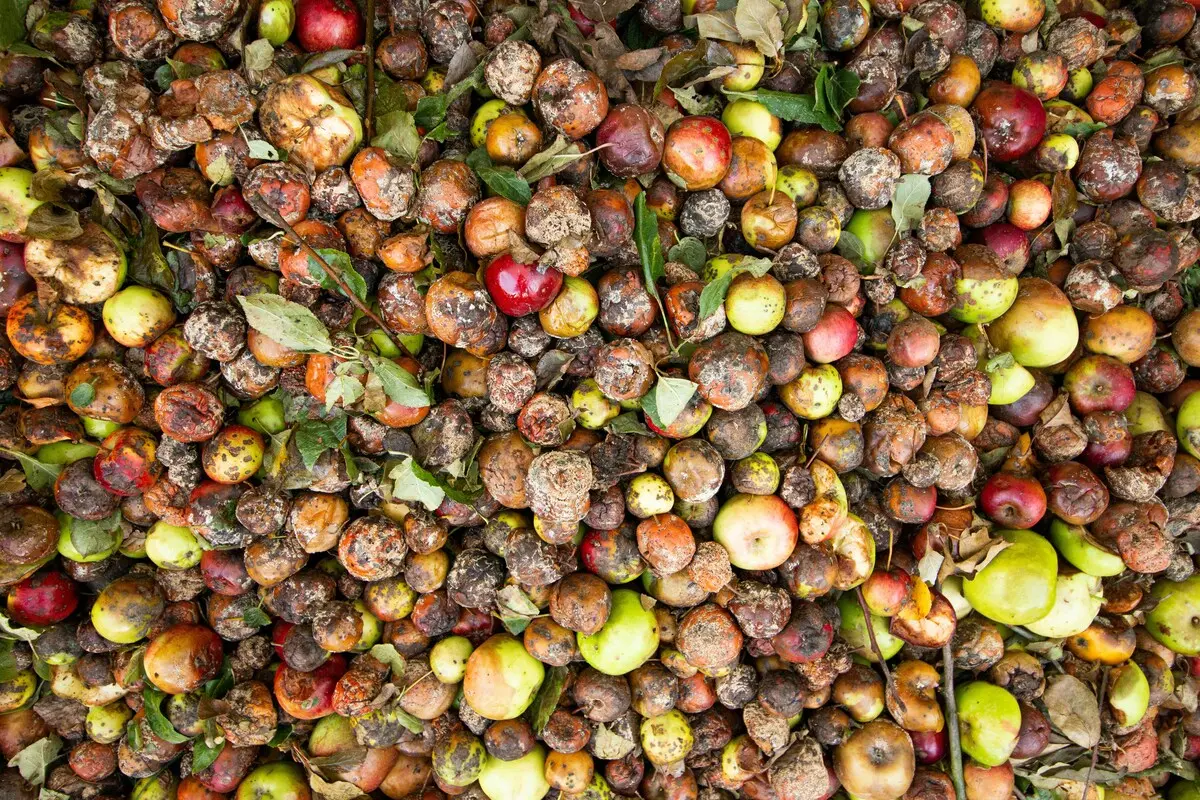
More than a third of everything grown, harvested, and prepared on Earth never makes it to a human plate. This staggering metric represents a profound disconnect in our global food systems—one that hits closest to home in our own kitchens. While public discourse often frames food waste strictly as an environmental crisis, a parallel conversation is unfolding in nutritional science: the very habits that cause food to spoil prematurely are also robbing us of vital vitamins, minerals, and phytonutrients.
Nutrient density and waste reduction are two sides of the same coin. When produce is stored correctly, eaten seasonally, and prepared with an eye toward whole-ingredient utilization, it delivers vastly more nutritional value to the human body while dramatically shrinking the footprint of household trash.
Main Facts: The Intersection of Nutrition and Sustainability
The modern kitchen sits at the crossroads of health and ecology. Every piece of produce that languishes in a crisper drawer or ends up in a landfill represents a double loss: a waste of the ecological resources (water, soil, energy, and labor) required to produce it, and a forfeiture of the health benefits it was meant to provide.
The Post-Harvest Nutrient Decay
Vitamins and antioxidants do not remain static after a plant is harvested. The moment a fruit or vegetable is picked, light, heat, oxygen, and time begin to degrade its chemical structure.

- Vitamin C and B-Complex Vulnerability: Water-soluble vitamins are notoriously fragile. For instance, spinach harvested at peak ripeness can lose up to half of its folate within a single week if subjected to improper storage temperatures.
- The Frozen Paradox: Counterintuitively, frozen fruits and vegetables often outperform their fresh-but-aging supermarket counterparts in nutritional studies. Because commercial freezing typically occurs within hours of harvest, it locks in peak nutrient density, bypassing the slow decay of cross-country transit and sitting on store shelves.
The Scale of the Crisis
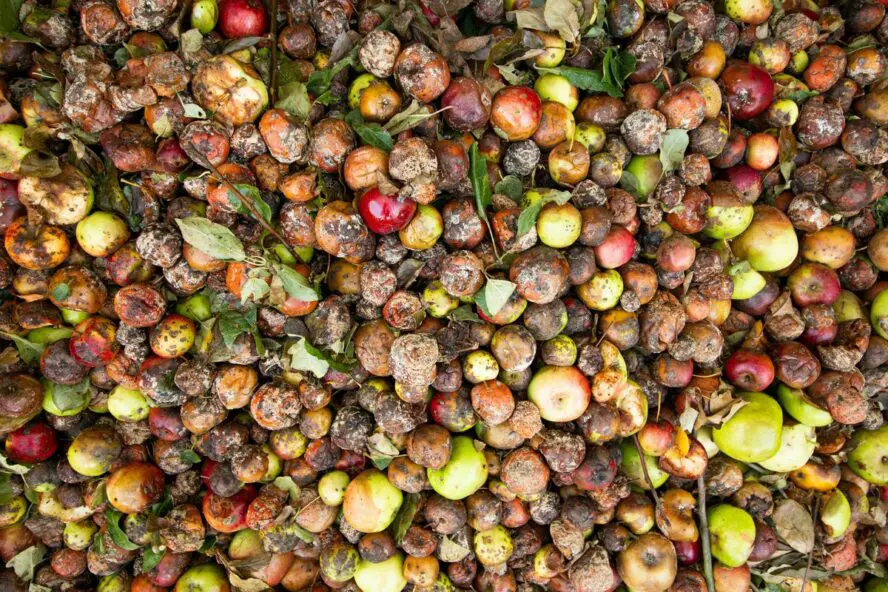
According to estimates from the U.S. Department of Agriculture (USDA) and the Environmental Protection Agency (EPA), roughly 30 to 40 percent of the entire U.S. food supply is lost or wasted annually. Households account for the largest share of this total, translating to approximately 25 to 28 million tons of food discarded every year. A significant portion of this waste is entirely edible at the moment of disposal, pumping millions of tons of methane—a potent greenhouse gas—into landfills.
Chronology: The Lifecycle of Food From Farm to Plate
Understanding how food loses its value requires tracing its journey from agriculture to consumption. Interventions at specific points along this timeline can radically alter both waste statistics and nutritional outcomes.
Phase 1: Harvest and Transit
Food begins its decline before it ever enters a consumer’s shopping cart. Produce travels hundreds of miles, often harvested prematurely so it can withstand transit without bruising. While this prevents mechanical spoilage, it frequently prevents the fruit or vegetable from developing its full complement of phytonutrients, which largely accumulate during the final stages of ripening on the vine or tree.
Phase 2: Retail and Consumer Selection
At the supermarket, consumer preference for unblemished, aesthetically uniform produce drives massive retail waste. Wholesalers and grocers discard perfectly nutritious items simply because they fail to meet cosmetic standards. Meanwhile, consumers often purchase bulk quantities of perishables based on aspiration rather than realistic weekly meal planning.

Phase 3: Home Storage and Slow Decay
The critical window for household waste occurs in the refrigerator. Without proper temperature and humidity management, delicate items like leafy greens, herbs, and soft berries cross the threshold from fresh to spoiled in days.
Phase 4: Disposal or Repurposing
At the final stage, food is either discarded into the waste stream or rescued through creative cooking, preserving, or composting. Shifting habits at this final juncture determines whether the food fulfills its biological purpose or adds to municipal landfill totals.
Supporting Data: Storage, Science, and Global Models
Modern household interventions require empirical backing. Data from food science and international case studies highlight actionable pathways toward waste reduction and nutrient retention.
Temperature Stability and Micro-Environments
Produce does not merely need cold air; it requires consistently cold air. Opening a refrigerator door causes temperature spikes that stress delicate cell walls in leafy greens and soft fruits.
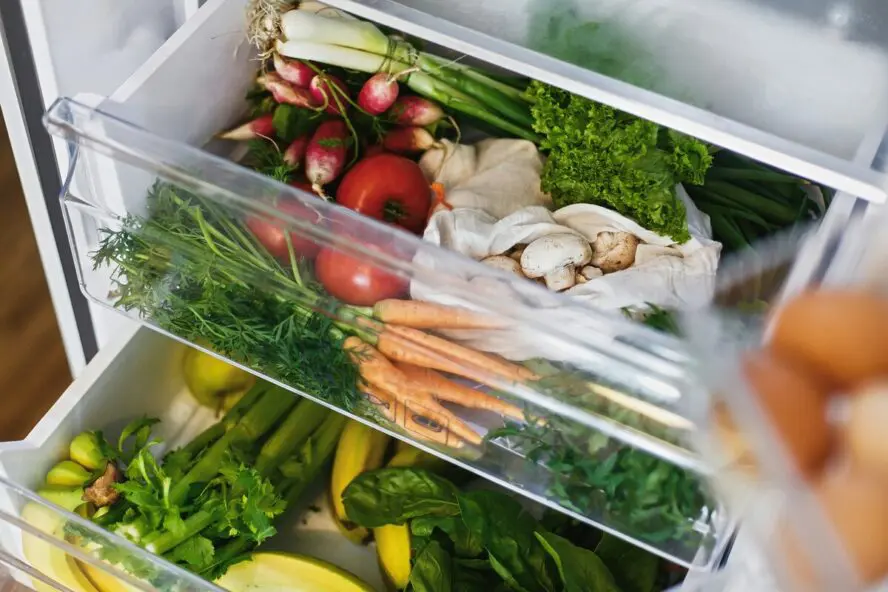
Furthermore, a "one-size-fits-all" approach to refrigeration accelerates decay:
- High-Humidity Zones: Essential for slowing moisture loss in leafy greens, herbs, and root vegetables.
- Low-Humidity Zones: Ideal for meats and cheeses, where excess moisture can encourage bacterial growth.
- Countertop Storage: Items like bananas, avocados, tomatoes, and stone fruits benefit from room-temperature ripening. Refrigeration prematurely halts their chemical development, often turning their textures mealy and dulling their flavor profiles.
International Perspectives: The Urban Density Model
Examining global food practices reveals alternative models for waste prevention. In high-density urban environments like Singapore, limited kitchen and refrigerator space necessitates frequent shopping for smaller quantities. While this model requires shifts in consumer behavior, it naturally curtails the accumulation of forgotten, spoiled produce in the back of the fridge.
Official Responses and Structural Initiatives
While individual household habits are vital, systemic responses at the institutional level provide the infrastructure needed to catch surplus food before it becomes waste.
Food Rescue Networks
Organizations such as Feeding America operate massive food rescue networks that intercept surplus edible food from commercial agriculture, grocery chains, and food service providers, redirecting billions of pounds annually to food banks and community pantries. State and federal programs are increasingly funding cold-chain infrastructure to ensure that wholesome, nutrient-dense surplus produce can be moved swiftly to populations in need rather than being plowed under or discarded.
Community and Municipal Programs
Municipalities across the globe are implementing mandatory organic waste composting programs, shifting public perception of food scraps from "trash" to a valuable nutrient resource for soil regeneration. Local community fridges and gleaning initiatives also empower citizens to participate directly in food recovery efforts at the neighborhood level.
Implications: Practical Steps for Maximum Nutrition and Minimum Waste
Translating these scientific principles into daily life does not require a complete culinary overhaul. Small, consistent shifts in shopping, storage, and preparation yield compounding benefits for both personal health and environmental sustainability.
1. Intentional Shopping and Flexible Meal Planning
- Keep Lists Honest: Shop with a short, realistic list anchored to what is already in the pantry and refrigerator.
- Resist Bulk Perishables: Avoid buying large quantities of highly perishable items unless an immediate preservation strategy (such as freezing or fermenting) is in place.
2. Whole-Ingredient Utilization ("Scrap Cooking")
Embracing whole-ingredient cooking transforms what is typically discarded into culinary assets:
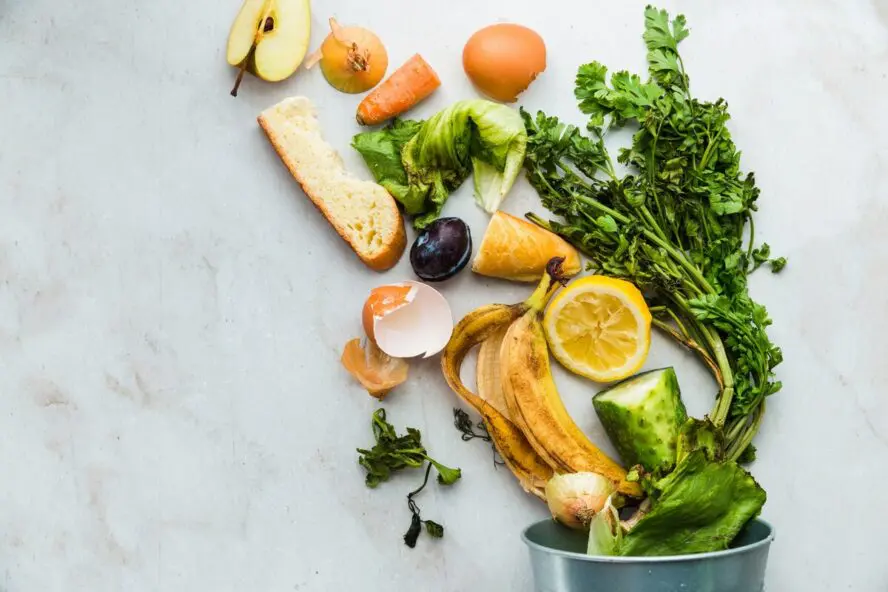
- Broths and Stocks: Vegetable trimmings, onion skins, herb stems, parmesan rinds, and bones yield mineral-rich stocks.
- Greens and Peels: Beet and radish greens make nutrient-dense sautés; citrus peels can be zested, candied, or used to infuse vinegars.
- Stale Breads: Transform into nutrient-dense croutons, thickeners for soups, or breadcrumbs.
3. Precision Cooking for Nutrient Bioavailability
Cooking techniques can either destroy or enhance the nutrients within food. Matching the method to the ingredient maximizes intake:
- Steaming vs. Boiling: Steaming preserves water-soluble vitamins like Vitamin C and folate, preventing them from leaching into cooking water.
- Healthy Fats and Fat-Soluble Vitamins: Pair leafy greens and orange vegetables with healthy fats (such as olive oil or avocado) to drastically improve the body’s absorption of vitamins A, K, E, and carotenoids like lycopene.
- Fermentation: Techniques like pickling, fermenting, and preserving not only extend the shelf life of seasonal gluts but also introduce gut-friendly probiotics and bioactive compounds.
Conclusion
Maximizing nutrient density and minimizing food waste are not competing objectives. They are mutually reinforcing goals rooted in the same philosophy: respecting the energy, resources, and biology of our food. By adopting smarter storage habits, utilizing whole ingredients, and planning meals with intention, households can enjoy fresher, more vibrant meals while shrinking their environmental impact one plate at a time.
