

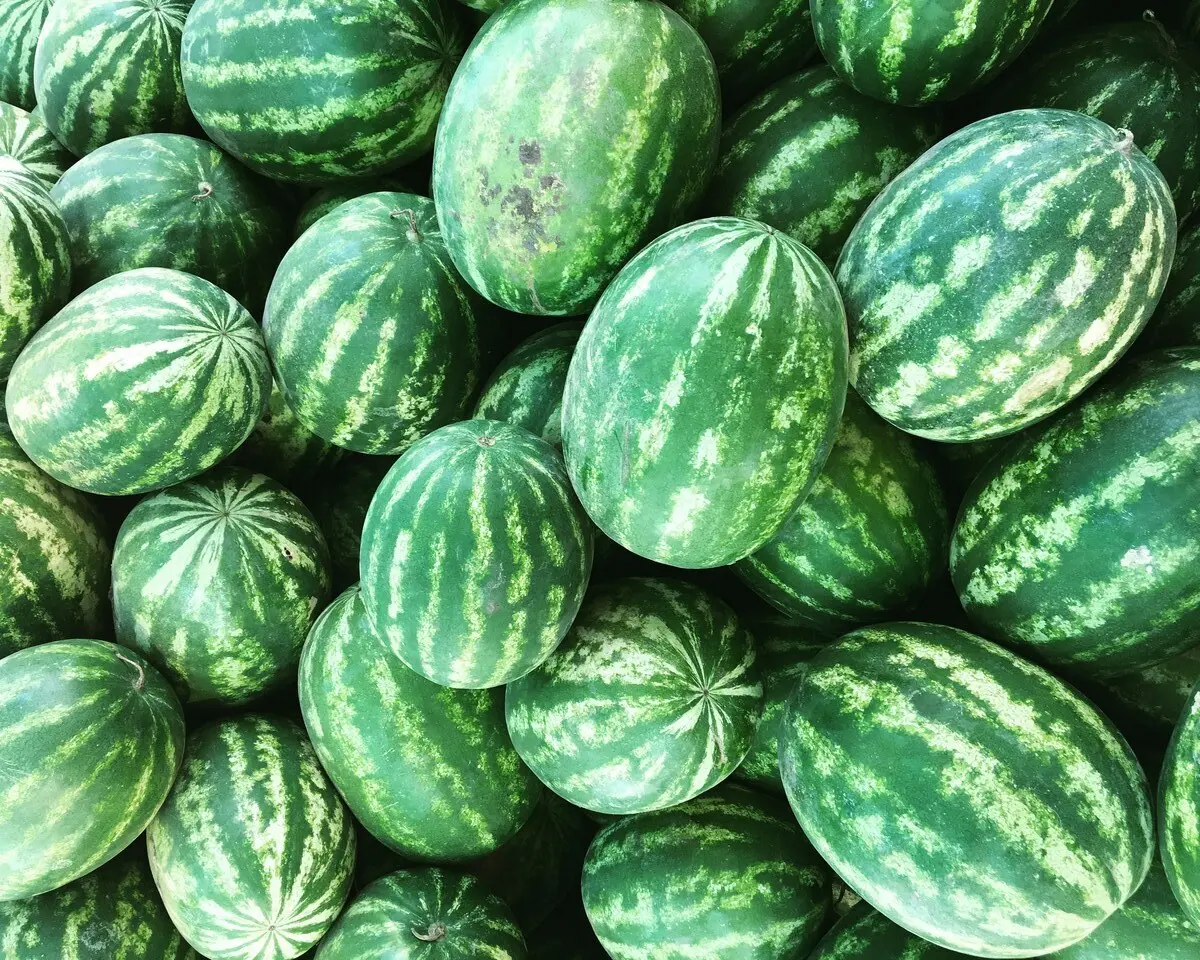
When the sweltering heat of July sets in, few things match the instant relief of biting into a thick, dripping slice of chilled watermelon. As the quintessential fruit of summer, it has long been celebrated for its crisp, hydrating flesh and nostalgic association with backyard barbecues, beach days, and lazy afternoons. Yet, for decades, casual consumers and health enthusiasts alike have quietly harbored a lingering dietary skepticism: Is watermelon actually healthy, or is it just crunchy water and empty fruit sugar?
According to modern nutritional science, the answer is a resounding yes. Watermelon is far more nutrient-dense than its high water content implies. Far from being a mere caloric afterthought, this vibrant melon packs a powerful punch of essential vitamins, rare amino acids, and potent antioxidants that rival—and in some cases exceed—traditional superfoods.
As dietitians, agricultural researchers, and environmental scientists continue to unpack the health profiles of everyday foods, watermelon is experiencing a renaissance. From its cardiovascular perks and impressive lycopene counts to its unexpected safety ranking on agricultural safety lists, here is a deep dive into the true science of watermelon nutrition.
Main Facts: What’s Really Inside a Slice of Watermelon?
To understand why watermelon deserves a permanent spot in your daily diet, it helps to examine its nutritional architecture. A standard two-cup serving (approximately 280 grams) of fresh watermelon flesh contains roughly 84 calories, making it an exceptionally low-calorie treat for those watching their energy intake.
Rather than being composed solely of sugary syrup, those calories are backed by a sophisticated matrix of macro- and micronutrients:

- Water content: ~92% (making it one of the most hydrating whole foods on the planet).
- Total Carbohydrates: 21.1 grams per two-cup serving, primarily split between dietary fiber (1.12 grams) and natural fruit sugars (17.4 grams).
- Protein: 1.71 grams.
- Total Fat: A negligible 0.42 grams.
Beyond the basics, watermelon is a stealth powerhouse of specialized micronutrients. A single serving delivers robust amounts of Vitamin A (primarily through beta-carotene), Vitamin C to support immune function, and essential electrolytes like potassium. More uniquely, it serves as a premier dietary source of lycopene—a carotenoid powerhouse—and L-citrulline, an amino acid linked to vascular health and muscle recovery.
Chronology: From Wild Desert Vine to Modern Superfood
The journey of watermelon (Citrullus lanatus) is a fascinating evolutionary tale that spans thousands of years, tracing a path from bitter, wild desert ancestors to the sweet, domesticated giants we enjoy today.
Ancient Roots
Botanical and historical evidence suggests that watermelon is native to northeastern Africa, specifically the Kalahari Desert and the Nile River Valley. Wild ancestors of the modern watermelon bore little resemblance to today’s sweet produce. They were small, round, highly bitter, and contained hard, pale green or white flesh packed with seeds. Ancient Egyptians cultivated these early varieties not necessarily for culinary delight, but for their incredible capacity to store water in arid climates. Watermelons were frequently placed in the tombs of pharaohs to provide hydration for the afterlife.
Domestication and Spread
Over millennia of selective breeding, ancient farmers systematically eliminated the genetic mutations responsible for bitterness, transforming the fruit’s internal chemistry. By the 10th century, cultivation had spread through the Mediterranean, India, and China. European explorers and transatlantic trade eventually brought the domesticated watermelon to the Americas in the 17th century, where it was swiftly adopted by Indigenous populations and European settlers alike.
Modern Nutritional Discovery
For centuries, watermelon was appreciated purely as a refreshing summer luxury. However, the late 20th and early 21st centuries marked a major shift in how nutrition scientists viewed the fruit. The isolation and identification of high concentrations of lycopene and L-citrulline in the late 1990s and 2000s elevated watermelon from a simple seasonal snack to a subject of serious clinical investigation. Modern studies continue to validate what ancient cultures intuitively understood: that watermelon is an active promoter of human vitality.

Supporting Data: The Triad of Unique Watermelon Nutrients
While vitamins A and C are common across many fruits, watermelon distinguishes itself through three specific chemical components: lycopene, citrulline, and an optimal glycemic profile.
1. Lycopene: Beating Out the Tomato
When people think of lycopene—the red-hued antioxidant renowned for supporting heart health, mitigating oxidative stress, and promoting skin elasticity—they almost invariably think of tomatoes. Yet, gram for gram, raw watermelon actually outperforms tomatoes in lycopene density.
While a standard cup of diced red, ripe tomatoes contains roughly 4,630 micrograms of lycopene, an equivalent cup of fresh watermelon boasts an impressive 6,350 micrograms. Recent dermatological studies indicate that this heavy concentration of lycopene helps shield skin cells from UV-induced oxidative stress, indirectly supporting collagen production and skin resilience.
2. Citrulline and Vascular Health
Watermelon derives its scientific genus name, Citrullus, directly from L-citrulline, an amino acid found in extraordinarily high concentrations throughout the fruit (with even higher concentrations concentrated in the white outer rind).
When ingested, L-citrulline is metabolized into L-arginine, a process that significantly boosts the body’s synthesis and bioavailability of nitric oxide. Nitric oxide acts as a powerful vasodilator, relaxing smooth muscle cells in blood vessels, improving circulation, and helping to lower blood pressure. Furthermore, emerging clinical trials highlight that regular L-citrulline intake can dramatically accelerate cardiovascular and muscular recovery following high-intensity athletic training, while aiding in the reduction of visceral abdominal fat when paired with exercise.
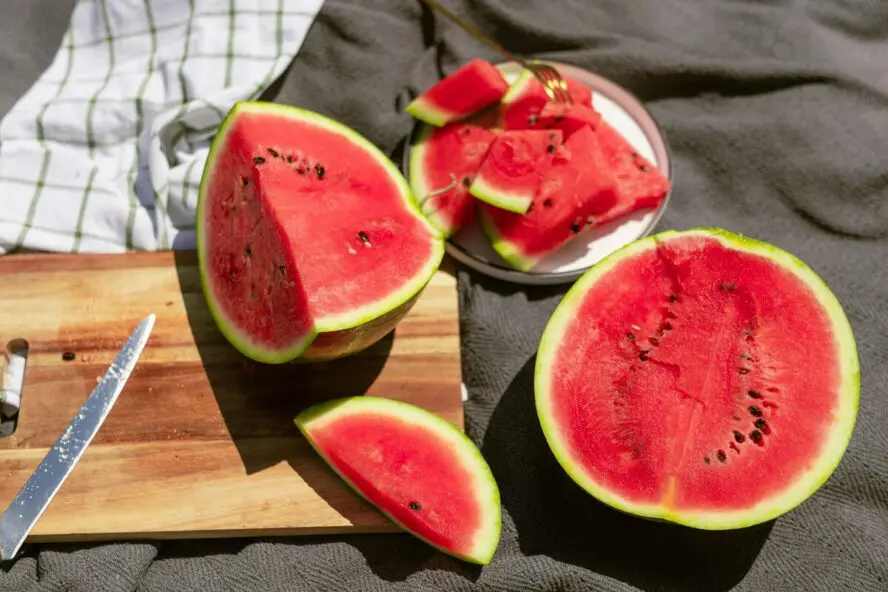
3. Decoding the Sugar: Glycemic Index vs. Glycemic Load
A common critique from low-carb enthusiasts is that watermelon possesses a high glycemic index (GI) of 74, suggesting it causes rapid spikes in blood glucose. However, nutrition experts emphasize that looking at the glycemic index in complete isolation creates a misleading picture.
The true metric of concern is glycemic load (GL), which accounts for the actual amount of carbohydrates in a standard serving. Because water makes up 92% of watermelon’s volume, its natural sugars are heavily diluted. Consequently, a standard two-cup serving has a glycemic load of just 4, which is exceptionally low.
To put this in perspective:
- Watermelon (2 cups): ~17 grams of all-natural fruit sugar, GL of 4.
- Regular Cola (12 fl. oz.): ~37 grams of processed added sugar, zero nutritional value.
For the vast majority of people, watermelon’s natural sugars have a remarkably modest impact on blood glucose, making it a safe and refreshing dietary staple.
Official Responses and Agricultural Standing: The "Clean 15"
Beyond its internal nutritional metrics, watermelon has recently gained official recognition from food safety advocates regarding agricultural practices.

According to the Environmental Working Group’s (EWG) Clean 15™ report—an annual list ranking conventional produce items that contain the lowest levels of pesticide residues—watermelon securely holds the number 10 spot out of 15.
What This Means for Consumers
The primary reason watermelon ranks so favorably on the Clean 15 list is its thick, tough, outer protective rind. This impenetrable woody shell acts as a natural biological shield, protecting the delicate internal flesh from direct contact with agricultural pesticides and soil contaminants during the growing season.
Agricultural authorities and food safety experts emphasize that while conventional watermelons are a budget-conscious, low-risk purchase, consumers must still wash the exterior thoroughly before slicing. Cutting into an unwashed watermelon can inadvertently transfer surface bacteria from the rind straight into the edible flesh via the knife blade. Nevertheless, the low risk of internal chemical residue means shoppers can confidently buy conventional watermelons without feeling pressured to splurge on organic varieties, freeing up grocery budgets to invest in organic versions of high-pesticide "Dirty Dozen™" items like strawberries, spinach, and blueberries.
Implications: Who Should Eat Watermelon (and Who Should Moderate)?
Given its dense array of antioxidants, vitamins, and hydrating electrolytes, watermelon offers broad health benefits across nearly all demographics. Data from large-scale nutritional surveys, such as the National Health and Nutrition Examination Survey (NHANES), consistently reveal that individuals who incorporate watermelon as a regular part of their diet tend to exhibit higher overall daily intakes of essential vitamins and dietary fiber.
Considerations for Specific Diets
- Athletes and Active Individuals: Thanks to its high water content and L-citrulline concentrations, watermelon serves as an exceptional post-workout recovery food, helping to restore electrolyte balance and mitigate delayed-onset muscle soreness.
- Weight Management: Due to its immense water volume and low caloric density, watermelon promotes rapid satiety, making it a valuable tool for individuals seeking calorie-conscious weight loss.
- Those Managing Diabetes or Insulin Resistance: While the glycemic load is low, individuals dealing with blood sugar sensitivities should exercise moderate portion control. Limiting servings to two cups per day and pairing the fruit with a complete protein or healthy fat—such as Greek yogurt, cottage cheese, or a handful of nuts—helps blunt any potential glucose response.
- Individuals with Kidney Disease: Because watermelon is remarkably rich in potassium, those with compromised kidney function must monitor their intake carefully to avoid hyperkalemia (an excess of potassium in the bloodstream).
How to Select the Ultimate Summer Watermelon
Maximizing the nutritional and culinary payoff of a watermelon starts at the grocery store or farm stand. Mastering the art of picking a perfectly ripe fruit requires paying attention to a few reliable visual and auditory cues:

- The Ground Spot (Field Patch): Look for the creamy, buttery-yellow or orange-yellow patch where the melon rested on the dirt while growing in the sun. A stark white or pale green spot indicates the fruit was picked prematurely and will lack sweetness.
- Webbing and Scarring: Dark, web-like brown spots or rough patches on the rind are not flaws; they indicate where bees repeatedly pollinated the flower sugar channels. More webbing typically translates to a sweeter fruit.
- The Thump Test: Gently tap or pat the watermelon with your palm. A ripe watermelon should produce a deep, hollow, resonant thud. A dull, high-pitched thud usually indicates an underripe fruit or one that has passed its peak.
- Weight and Uniformity: Pick up the melon and compare it to others of the same size. A ripe watermelon should feel surprisingly heavy for its dimensions, as its high water content dictates its density. Look for a symmetrical shape without deep bruises, cuts, or soft spots.
Don’t Waste the Rind!
While the bright red flesh gets all the glory, culinary innovators and zero-waste advocates are increasingly turning their attention to the white outer rind. Packed with even higher concentrations of L-citrulline than the pink flesh, the rind can be easily sliced, pickled for savory salads, or freeze-dried into a crunchy snack, ensuring that literally nothing goes to waste.
Frequently Asked Questions
Is watermelon healthy to eat every day?
Yes. For most healthy individuals, incorporating watermelon into a daily diet provides excellent hydration, essential vitamins, and powerful antioxidants. However, those monitoring blood sugar should keep an eye on portion sizes, and individuals with advanced kidney disease should consult a physician regarding potassium limits.
Is watermelon high in sugar?
While a cup of diced watermelon contains roughly 8 to 9 grams of natural fruit sugar, its exceptionally high water content creates a very low glycemic load (GL of 4). This means its sugars enter the bloodstream far more slowly than processed sweets or even many other tropical fruits.
How many calories are in a standard serving of watermelon?
According to the USDA nutrient database, a generous two-cup serving (approximately 280 grams) of diced watermelon flesh contains only about 84 calories.
Can eating watermelon help with weight loss?
Yes. Because it is 92% water and contains dietary fiber, watermelon promotes a strong sense of fullness (satiety) while contributing very few calories to your daily total.
Does watermelon really contain more lycopene than tomatoes?
Surprisingly, yes. Gram for gram, fresh red watermelon contains higher concentrations of the antioxidant lycopene than raw, ripe red tomatoes, offering exceptional cellular and skin-health benefits.
