

DENVER — Colorado’s legendary "Fourteeners"—the state’s 58 towering peaks soaring above 14,000 feet—experienced their quietest hiking season in a decade during 2025. According to newly released estimates from the Colorado Fourteeners Initiative (CFI), the state’s highest summits recorded a total of 256,000 hiker-use days last year, representing a 3 percent decline from 2024 and a staggering 63 percent plunge from the pandemic-era peak observed in 2020.
While the headline figures point to a contraction in high-altitude recreation, outdoor experts and conservationists emphasize that the numbers tell a story of logistical bottlenecks, trail closures, and shifting visitor patterns rather than a waning interest in the state’s rugged alpine terrain.
Main Facts
The latest data from the CFI marks the lowest volume of human traffic recorded since the organization standardized its tracking methodology in 2015.
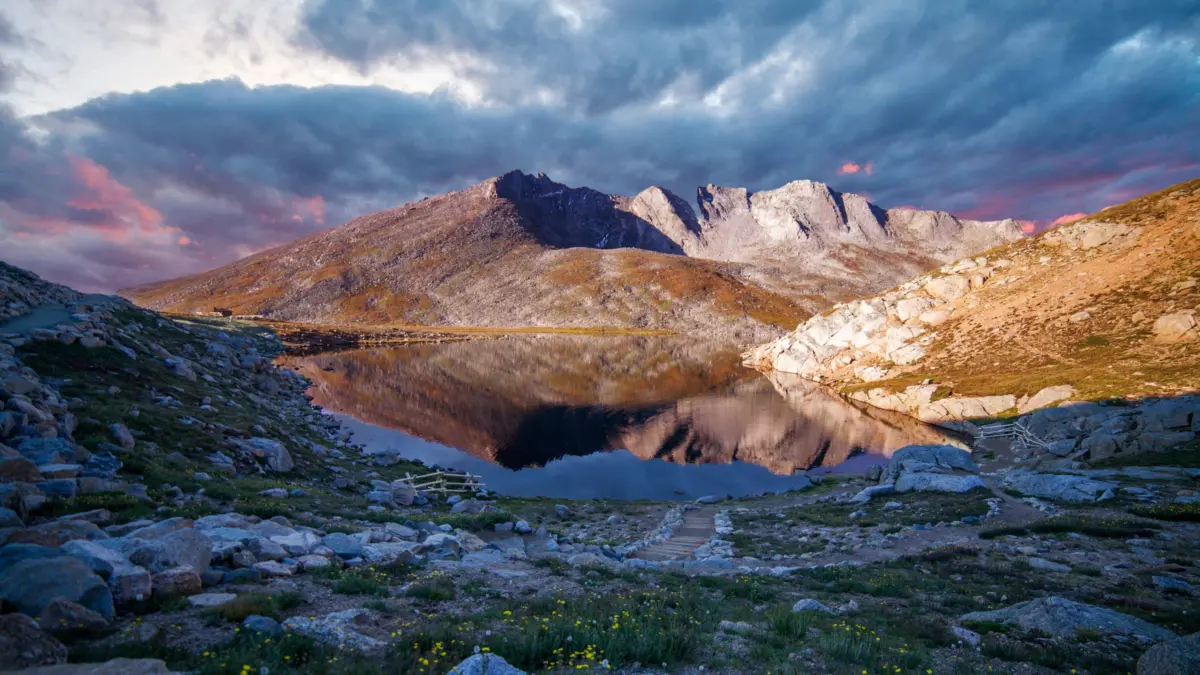
At the center of the 2025 downturn was the prolonged closure of the Mount Blue Sky Scenic Byway—the highest paved road in the United States. Closed in September 2024 for a multi-million-dollar infrastructure overhaul, the roadway remained shuttered for nearly two years before reopening in May 2025. This vital corridor provides access to the Summit Lake parking area, the starting point for a popular 5.5-mile round-trip trek. CFI estimates that the absence of this thoroughfare alone shaved roughly 18,000 hiker-use days off the statewide total.
Yet, while Mount Blue Sky languished under construction tape, foot traffic surged elsewhere. High-altitude peaks closest to the Front Range absorbed displaced hikers, with destinations like Mount Bierstadt, Mount Sherman, the Decalibron Loop, Quandary Peak, and Grays and Torreys peaks seeing spikes of 1,500 to 5,000 additional hiker days compared to the previous year.
Furthermore, the economic footprint of these outdoor enthusiasts remains robust. CFI estimates that 14er recreation injected approximately $69.4 million directly into Colorado’s economy in 2025, underscoring the deep symbiosis between outdoor recreation and local mountain communities.
Chronology of Access: A Year of Closures, Openings, and Land Deals
The story of the 2025 hiking season cannot be told without examining the volatile matrix of closures, acquisitions, and environmental disruptions that governed access to Colorado’s skyline.
- September 2024: The Mount Blue Sky Scenic Byway closes for comprehensive roadway and infrastructure upgrades, setting the stage for reduced access throughout the following year.
- Early 2025: Land access negotiations and insurance liability concerns continue to plague the famous Decalibron Loop (encompassing peaks like Mount Bross, Mount Lincoln, and Mount Democrat), a route that has faced periodic closures due to private property disputes.
- May 2025: The Mount Blue Sky Scenic Byway officially reopens to vehicular traffic ahead of the peak summer tourism season, welcoming back motorists and high-altitude day-hikers.
- Summer 2025: Hikers regain long-awaited access to Mount Lindsey in southern Colorado after private landowners institute a streamlined electronic waiver system, mitigating previous trespassing and liability roadblocks.
- August 15, 2025: A sudden wildfire sweeps through the region surrounding La Plata Peak, prompting immediate emergency closures that abruptly halt climbing traffic on the mountain during the latter half of the peak summer season.
- Late 2025: In a monumental victory for public access, The Conservation Fund finalizes the purchase of a 480-acre parcel along the Decalibron Loop. This strategic land acquisition permanently resolves liability fears that had threatened to close the iconic 8-mile route indefinitely.
- August 5, 2026: The Colorado Fourteeners Initiative releases its official, finalized 2025 tracking estimates, revealing the historic low in statewide hiker-use days.
Supporting Data and Economic Impact
To understand the scale of human impact on Colorado’s fragile alpine zones, the metrics tracked by the CFI serve as an essential ecological and economic barometer.
The Numbers at a Glance:
- 256,000: Total statewide hiker-use days in 2025.
- 3 Percent: Year-over-year decline compared to 2024.
- 63 Percent: Drop from the historic high of roughly 690,000 hiker days recorded during the 2020 pandemic surge.
- 59 Percent: Proportion of total statewide visits concentrated strictly within the 12 Fourteeners located closest to the Denver metropolitan area.
- $69.4 Million: Estimated conservative economic contribution generated by 14er climbers in 2025.
While the $69.4 million figure illustrates the immense financial vitality outdoor recreation brings to gateway towns, experts note it is likely an underestimate. A foundational 2009 economic study conducted by Colorado State University agricultural and resource economists John Loomis and Catherine Keske calculated that climbers tackling Quandary Peak spent an average of $271.17 per person daily. CFI officials point out that because those figures have not been adjusted for cumulative inflation over the past decade and a half, the true economic yield of the 2025 season is undoubtedly much higher.
Official Responses and Perspectives
Administrators, conservationists, and land managers have responded to the 2025 data with a mixture of relief, caution, and long-term strategic optimism.
Lloyd Athearn, executive director of the Colorado Fourteeners Initiative, stressed that headline-grabbing drops in overall attendance should not be misinterpreted as a dying trend in mountain sports.
"Continued volatility stemming from peak closures and reopenings masks the underlying trend that the Fourteeners continue to be exceptionally popular hiking destinations," Athearn stated during the August 2026 data release. When you choke off access to a major tourist engine like Mount Blue Sky, you see immediate ripples across the state, but those hikers didn’t stay home—they simply migrated to other fragile ecosystems like Bierstadt or Quandary."
Land conservation groups have similarly echoed the need for proactive management. Representatives from The Conservation Fund highlighted the necessity of public-private cooperation, pointing to the successful intervention on the Decalibron Loop as a blueprint for keeping historic routes open without infringing upon private property rights or exposing landowners to undue litigation.
Furthermore, CFI officials noted that ongoing refinements in data-collection methodology—including automated trail counters, infrared beam sensors, and localized volunteer trail surveys—may have introduced minor statistical variances, though the overarching downward trend remains statistically sound.
Implications for the Future of Colorado’s Alpine Environments
The 2025 hiking season serves as both a cautionary tale and a period of transition for Colorado’s alpine wilderness management.
1. Environmental Respite vs. Overcrowding Redistribution
While an overall drop in hiker traffic theoretically offers delicate tundra ecosystems a much-needed breathing spell, the reality of localized displacement presents a complex challenge. Because nearly 60 percent of all visits remain hyper-concentrated in the dozen peaks nearest to the Front Range, popular trails such as Mount Bierstadt and Quandary Peak experienced heavier-than-average wear and tear. This localized foot traffic accelerates soil erosion, widens trail braids, and increases alpine trash accumulation, requiring sustained funding for volunteer trail maintenance crews.
2. Access Fragility and Private Property Conflicts
The events of 2025 laid bare the precarious nature of public access to Colorado’s summits. Because a significant percentage of trails cross private mining claims or ranches, the threat of sudden closures remains constant. The successful intervention by The Conservation Fund on the Decalibron Loop proves that philanthropic and conservation-based land acquisitions can safeguard public recreation, but such financial solutions are not universally available for all 58 peaks.
3. Climate and Natural Disruptions
The mid-season closure of La Plata Peak due to wildfire activity underscores a growing reality for mountain recreation in the American West: climate-driven natural disasters can upend tourism economies at a moment’s notice. Land managers must increasingly factor wildfire mitigation, smoke-air quality warnings, and extreme weather volatility into their long-term trail management strategies.
As Colorado looks toward the latter half of the decade, the reopening of Mount Blue Sky, the permanent protection of the Decalibron route, and the ongoing adaptation of digital waiver systems point toward a more stable future. Yet, striking a delicate balance between welcoming hundreds of thousands of eager adventurers and preserving the raw, untamed beauty of Colorado’s majestic fourteen-thousand-foot peaks will remain an ongoing challenge for decades to come.
