

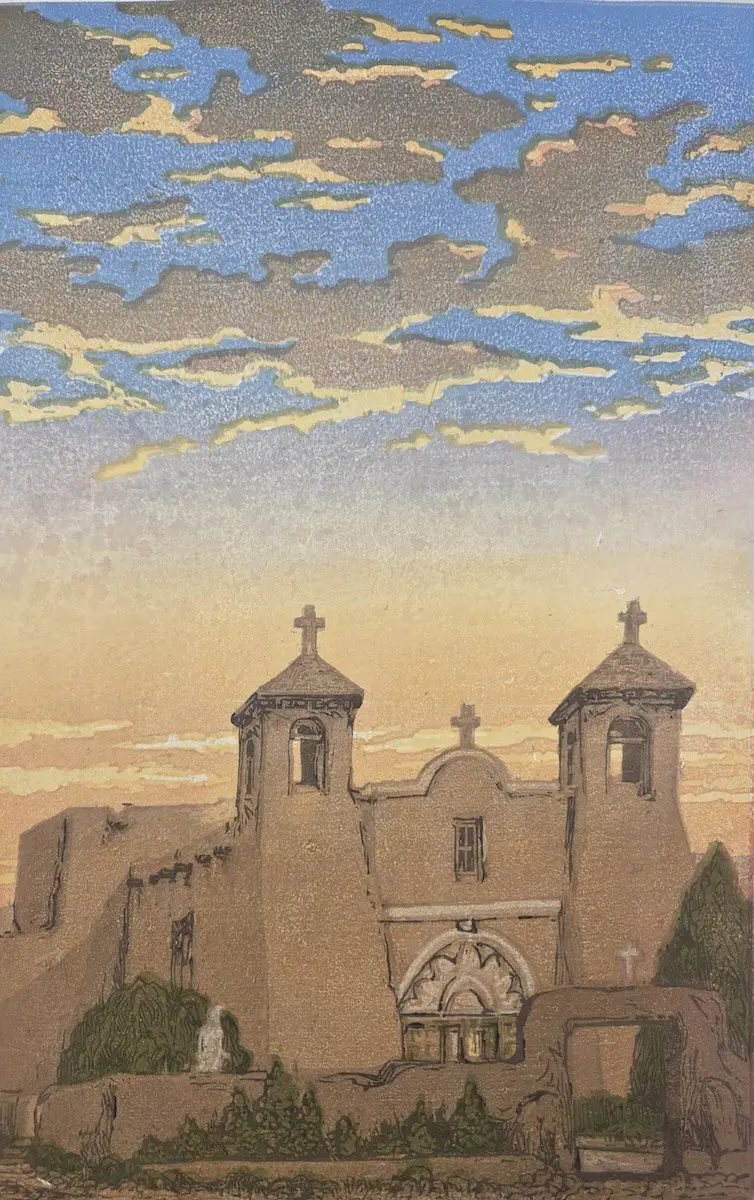
Main Facts: A Landmark Celebration of Western Art in Miniature
OKLAHOMA CITY, OK — Art enthusiasts, seasoned collectors, and casual admirers alike are turning their attention to the American West as the National Cowboy & Western Heritage Museum prepares to launch its highly anticipated 26th annual Small Works, Great Wonders sale and exhibition. Opening its doors to the public on November 7, this year’s showcase promises to be a dazzling celebration of scale, skill, and storytelling, running through November 29.
The exhibition serves as one of the premier events on the Western art calendar, offering a unique twist on traditional gallery formats. Rather than massive, sweeping canvases depicting sprawling vistas, participating creators channel their mastery into compact dimensions. Two-dimensional works—spanning oil, acrylic, pen, ink, and graphite—are strictly capped at a maximum of 320 square inches unframed. Three-dimensional creations, including intricate bronze and glass sculptures, must fit within a modest 20-by-20-by-20-inch boundary.
Despite the diminutive scale of the pieces, the footprint of the exhibition is remarkably vast. More than 130 elite artists from 24 U.S. states, as well as international contributors from France, Ontario, and British Columbia, have been invited to participate. Each artist is encouraged to contribute up to two pieces, establishing a diverse and deeply personal collection of miniature masterpieces. Last year’s iteration featured 254 distinct works, setting a high standard that organizers are poised to match or exceed in 2026.
Following the grand opening on November 7, the signature fixed-price draw and sale event takes place on November 13. Any remaining unsold works will remain on public display and available for immediate purchase through the close of the exhibition on November 29, operating on a popular "cash and carry" model that encourages dynamic buyer engagement.
Chronology: The Journey to November
The path to the opening of Small Works, Great Wonders is a meticulous, year-long endeavor that reflects the prestige of the National Cowboy & Western Heritage Museum. Understanding the timeline of this event highlights why it remains a crown jewel in Oklahoma City’s cultural landscape:
- Months Prior to November: Invitations are extended to a carefully curated roster of creators, blending seasoned museum favorites with fresh talent. This year’s lineup features 17 artists who are entirely new to the exhibition, handpicked to inject fresh perspectives into the gallery space.
- Late Autumn (Digital Submissions & Logistics): Participating artists finalize and submit their creations. Museum curators review digital portfolios, but the real logistical heartbeat begins as physical crates and boxes from across North America and Europe begin arriving at the Oklahoma City loading docks.
- November 7: The official exhibition opens to the public. Galleries transform into intimate spaces where visitors can closely examine the delicate brushwork of oil paintings, the precision of graphite drawings, and the tactile brilliance of small-scale bronzes.
- November 13: The signature sale event takes place. Collectors gather—both in person and through remote buying channels—for the high-stakes, highly anticipated distribution of works.
- November 14–29: The post-sale exhibition continues. Unsold pieces remain on view, and buyers utilize the museum’s cash-and-carry framework to acquire available pieces, ensuring a constantly evolving gallery wall as works are sold and removed to their new homes.
- Closing Day (November 29): The exhibition officially concludes, wrapping up another successful season of fostering art appreciation, supporting creators, and building private and public collections.
Supporting Data: A Panoply of Talent and Technique
The strength of Small Works, Great Wonders lies in its extraordinary roster of talent, which bridges the gap between legendary icons of Western art and exciting newcomers.

An All-Star Roster
This year’s exhibition features an exceptional lineup of nearly 140 creators. Among the celebrated veterans returning to the museum walls are William Acheff, Greg Beecham, Eric Bowman, Naomi Brown, Shawn Cameron, Kim Casebeer, Mikel Donahue, Martin Grelle, Walt Gonske, Hannah Harper, Tony Hochstetler, David Jonason, Alice Leese, Melinda Littlejohn, Lena Noble, Dustin Payne, Laura Robb, Richie Vios, and Don Weller. Alongside them, 17 first-time exhibitors bring fresh narratives, techniques, and geographic diversity to the floor.
The Prestige Factor: Prix de West Connections
Adding a layer of elite pedigree to the 2026 exhibition is the heavy representation of artists linked to the museum’s world-renowned Prix de West invitational. Notably, exhibiting artists Rachel Brownlee and Tyler Crow have recently been selected to participate in the prestigious 2027 Prix de West. With their inclusion, a total of 16 artists featured in Small Works, Great Wonders this year boast direct ties to the museum’s premier annual art event. This crossover provides collectors with a rare opportunity to acquire scaled-down works by some of the most sought-after names in contemporary realism and Western storytelling.
The Cynthia Post Memorial Award
Beyond the commercial success of the sale, the exhibition holds deep institutional meaning through the presentation of the Cynthia Post Memorial Award. The accolade honors Cynthia Post, who served as the museum’s assistant director of development from 2003 to 2009 and played an instrumental role in founding Small Works, Great Wonders. Known for her tireless dedication to the institution even as she bravely battled cancer, Post left an indelible mark on the museum family.
Introduced in 2009 initially as a buyer’s choice honor, the award transitioned in 2022 to a formal recognition of artistic merit. Today, it serves as a poignant reminder of the passion and community spirit that underpins the exhibition, celebrating a creator who exemplifies the highest standards of craft and vision.
Official Responses: Behind the Scenes with Museum Leadership
The meticulous coordination required to pull off an event of this magnitude relies heavily on the vision of the museum’s dedicated staff. Leadership has expressed immense enthusiasm for the 2026 lineup and the unique atmosphere the exhibition creates.
Susan Patterson, the museum’s curator of special exhibits, speaks to the visceral thrill of the uncrating process—a moment that signals the culmination of months of digital planning.
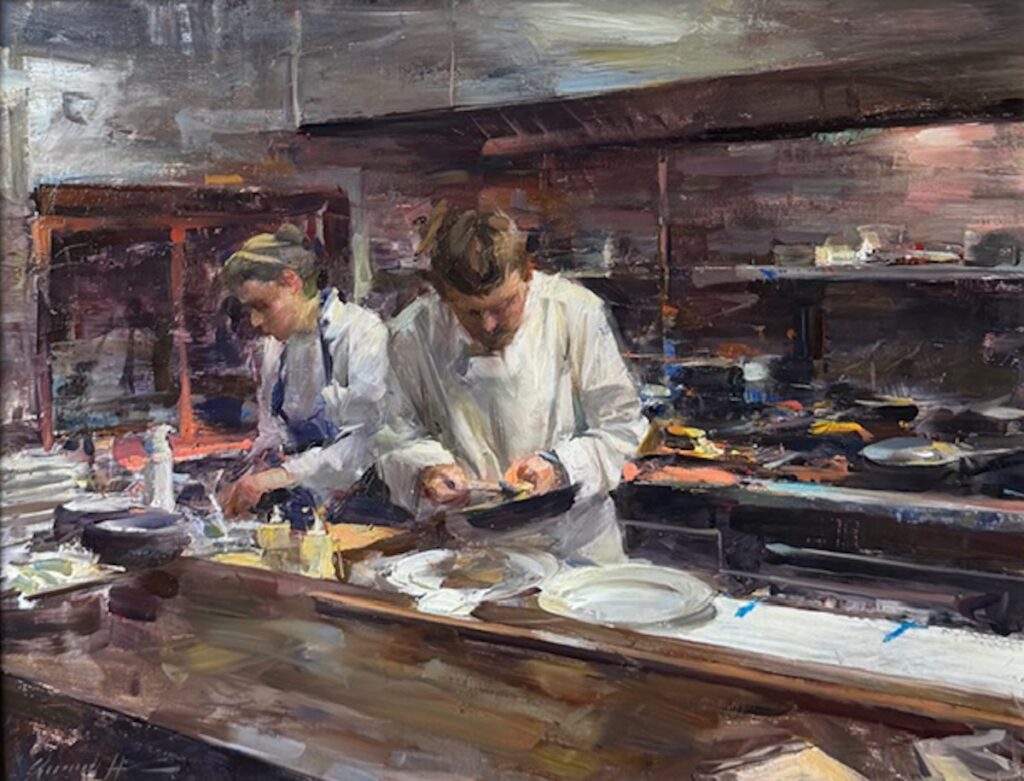
"The most exciting part of each year is seeing what artwork the artists bring," Patterson shares. "We get to see the digital images, but it’s opening the crates and boxes that is the most exciting part of the show. With so many new artists joining this year, it will be wonderful to see what they contribute to the exhibit. We strive to have both new and established artists, giving the collector an opportunity to purchase across a large variety of styles, subject matter, and price points."
That sentiment is echoed by Marla Cook, the museum’s manager of sale shows, who emphasizes the accessible, welcoming nature of the event for buyers at all experience levels.
"This is a cash and carry show, so we really hope visitors walk away with a piece of artwork!" Cook says. "This show is one of our favorite events for buyers, attendees, and museum staff. We ultimately hope that people leave with happy memories and come back year after year to add to their collections."
Cook further underscores the unique thrill of witnessing master artists step outside their comfort zones. While seeing contributions from first-time participants is exhilarating, she notes that watching seasoned Prix de West veterans adapt their grand visions into intimate, highly detailed miniatures is a distinct privilege for both staff and collectors.
"We have such a diverse range of styles that each piece is very unique," Cook notes. "I think it’s exciting to see what new artists submit for the show, but at the same time, it is an amazing opportunity to see our seasoned Prix de West artists produce smaller pieces just for this event."
Implications: Nurturing the Future of Western Art Collecting
The cultural and economic impact of Small Works, Great Wonders extends far beyond the walls of the National Cowboy & Western Heritage Museum for the three weeks it is on display. By intentionally breaking down barriers to entry, the exhibition plays a vital role in shaping the future collector base for Western and contemporary art.

Cultivating the Next Generation of Collectors
Purchasing art at major tier-one museums can often feel intimidating to newcomers, frequently dominated by massive price tags and sprawling compositions that require substantial wall space. Small Works, Great Wonders deliberately disrupts this dynamic. By focusing on compact formats, the museum opens the door for beginner collectors, young professionals, and enthusiasts with limited space to invest in museum-quality pieces. At the same time, seasoned connoisseurs find the show irresistible, using the opportunity to acquire bite-sized masterpieces by household names whose larger works might otherwise be out of reach or fully committed.
Economic Vitality and Community Engagement
The cash-and-carry format injects immediate economic momentum into the fine art market. Because unsold works remain available for purchase through November 29, the exhibition sustains a high level of engagement throughout its run, encouraging repeat visits from local patrons and traveling art tourists alike. This steady foot traffic not only benefits the participating artists—who receive direct financial support for their craft—but also reinforces Oklahoma City’s status as a thriving, nationally recognized hub for American art and culture.
As the crates are unpacked, the galleries are lit, and the countdown to November 7 ticks away, the National Cowboy & Western Heritage Museum once again proves that great wonders truly do come in small packages.
For more information, full artist rosters, or to plan your visit, explore the official exhibition portal at swgw.nationalcowboymuseum.org.
