

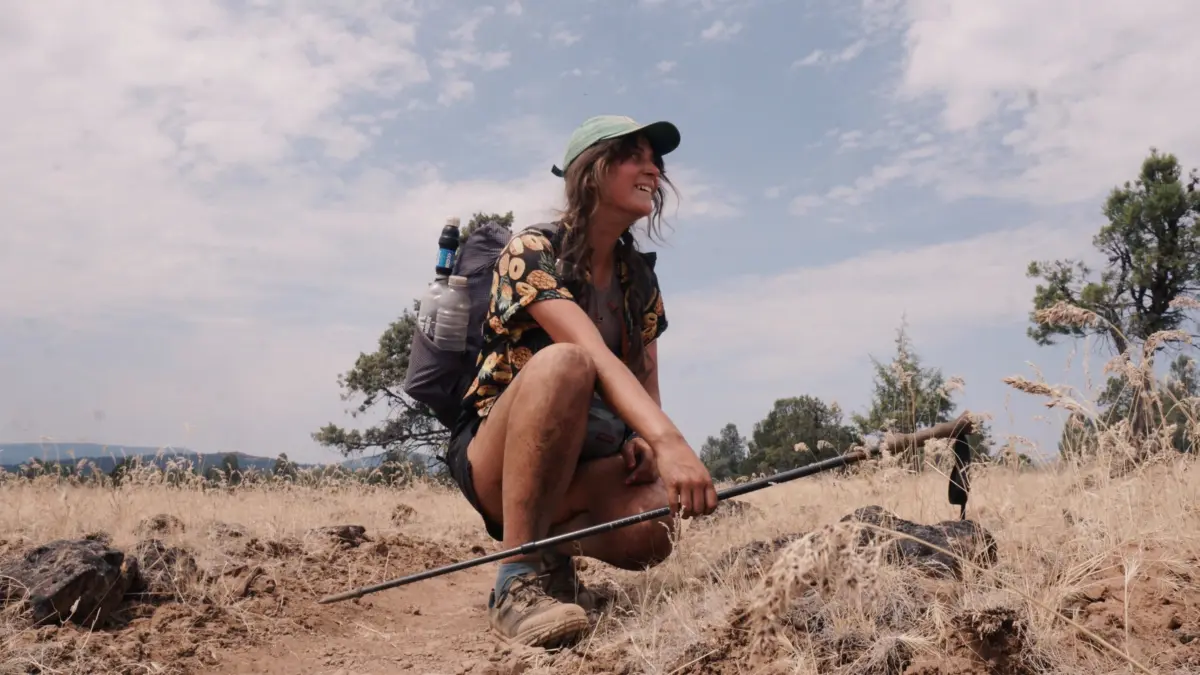
By Ayesha “Heaps” Cording
Published: September 17, 2026
Introduction: The Philosophy of Subtraction
On my first Pacific Crest Trail (PCT) thru-hike back in 2016, I found myself running headfirst into an alpine storm with my arms tucked tightly inside a sleeveless gas station trash-bag poncho. Just hours earlier, I had thrown out my heavy, traditional rain jacket, convincing myself that I would buy a lighter, high-tech shell in the next trail town.
Instead, I got caught in the elements with a badly pitched poncho-tarp that had leaked all night, soaking my sleeping bag, my extra clothes, and my morale. Shivering violently on the exposed ridge, I faced a miserable tactical dilemma: should I freeze with my arms exposed to the biting wind, or risk a catastrophic face-plant down the trail with my arms trapped inside the plastic shell?
By 2025, after logging more than 13,000 miles across the PCT, the Continental Divide Trail (CDT), and various other punishing long-distance routes, I had permanently added 13.85 ounces of functional gear back onto my base weight. Not out of weakness, but out of hard-earned wisdom.
This trajectory is a well-worn, almost universal rite of passage among the ultralight (UL) backpacking community. We begin our careers as gram nerds, stripping our packs down to the absolute skeletal bones of survival—often sacrificing comfort, safety, and sanity for the bragging rights of a single-digit base weight. Eventually, however, the pendulum swings back. We realize that the luxury items we swore we didn’t need—a proper sleeping pad, a hot stove, a padded hipbelt, or an extra layer of wind protection—are not dead weight. They are the keys to longevity on the trail.
After a decade of drinking the ultralight Kool-Aid, my pack looks decidedly different. Here is a deep dive into the gear I abandoned, the miles that broke me, and the exact items I have proudly added back into my loadout.
Chronology of an Ultralight Obsession
To understand the modern ultralight movement, one must trace its evolution from radical fringe philosophy to mainstream backpacking dogma. Spearheaded by pioneers like Ray Jardine in the 1990s, the gospel of lightweight backpacking promised freedom. By cutting ounces from your pack, you could multiply your daily mileage, reduce joint strain, and experience nature unburdened by heavy canvas and steel frames.
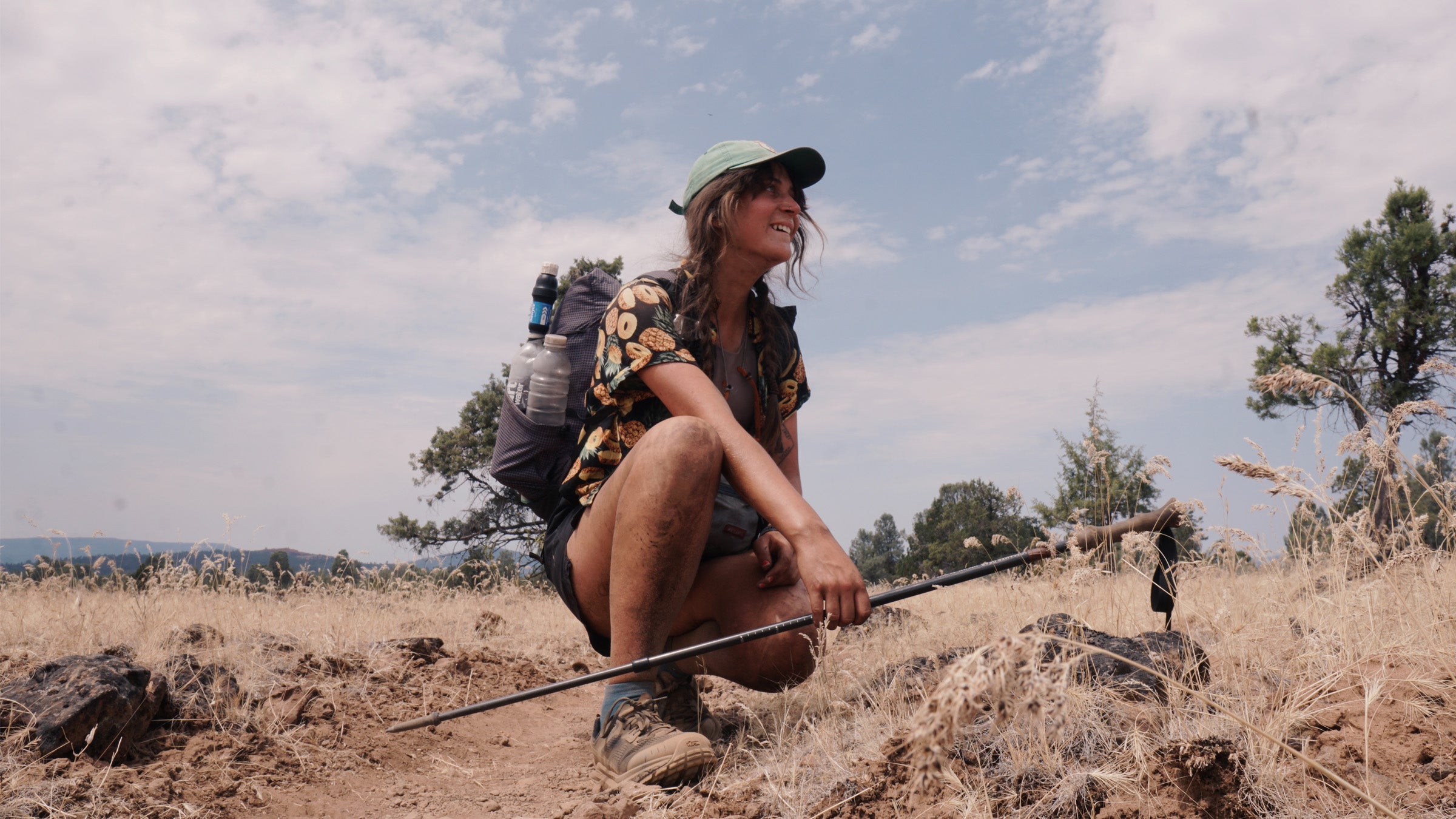
Phase 1: The Radical Purist (2016–2018)
During my introductory thru-hikes, I subscribed blindly to the dogma. If an item did not serve an immediate, life-or-death function, it was purged.
- The Methodology: I weighed my food down to the gram, cut the handle off my toothbrush, ditched my camp stove in favor of "cold-soaking" instant ramen in a plastic peanut butter jar, and slept on a torso-length piece of cheap closed-cell foam pad that left my hips bruised and my sleep fractured.
- The Mindset: Suffering was a badge of honor. If your shoulders were bleeding from a frameless pack, or if you were shivering through a freezing September night in Colorado without a hot meal, you simply weren’t "hardcore" enough.
Phase 2: The Diminishing Returns (2019–2022)
As the miles accumulated into the thousands, structural cracks began to show in my minimalist philosophy. Chronic shoulder impingement set in from hiking thousands of miles with a frameless pack lacking a proper load-transferring hipbelt. My recovery times slowed. I began to notice that while I was carrying a lighter pack, I was spending my zero-days nursing overuse injuries and sleep deprivation rather than enjoying the trail towns.
Phase 3: The Pragmatic Rebound (2023–Present)
Today, my philosophy has shifted from "Can I survive without this?" to "What am I sacrificing by saving these few ounces?" The data collected from my personal gear logs, alongside industry-wide shifts in thru-hiker trends, points toward a maturation of the ultralight ethos. We are moving away from reckless asceticism and toward smart, calculated comfort.
Supporting Data: The Anatomy of a Gear Swap
To quantify this shift, let us examine the specific gear swaps I made over 13,000 miles, the weight penalties incurred, and the physiological and psychological benefits gained.
| Gear Item Dropped (Ultralight Phase) | Gear Item Added (Pragmatic Phase) | Weight Penalty | Primary Benefit |
|---|---|---|---|
| Torso-length hacked air pad | Full-length insulated air pad | +3.0 oz | Eliminates cold spots, improves muscle recovery |
| Cold-soak plastic jar | Soto Amicus stove + TOAKS pot | +5.6 oz | Hot calories, hot water bottles for sleeping warmth |
| Frameless pack with zero hipbelt | Meadowphysics Crane with hipbelt | +2.1 oz (belt) | Shifts load to hips, relieves shoulder nerve damage |
| Zero wind layers | 3.2 oz nylon wind pants | +3.2 oz | Thermal regulation, bug protection, psychological comfort |
Detailed Breakdown: The Four Items I Added Back
1. The Full-Length Sleeping Pad
For years, I attempted to master the ultralight superpower of sleeping directly on thin foam pads. I desperately wished I could toss an 1/8-inch foam mat onto jagged rocks, pinecones, and roots and drift off into peaceful slumber.
Reality, however, proved unforgiving. In an effort to save a few ounces, I once took a pair of shears to a perfectly good full-length air pad, attempting to convert it into a torso-length model using a hot household iron to seal the edge. The DIY weld failed spectacularly. For 400 miles along the trail, I endured waking up every ninety seconds as my hips slowly deflated onto the freezing dirt.
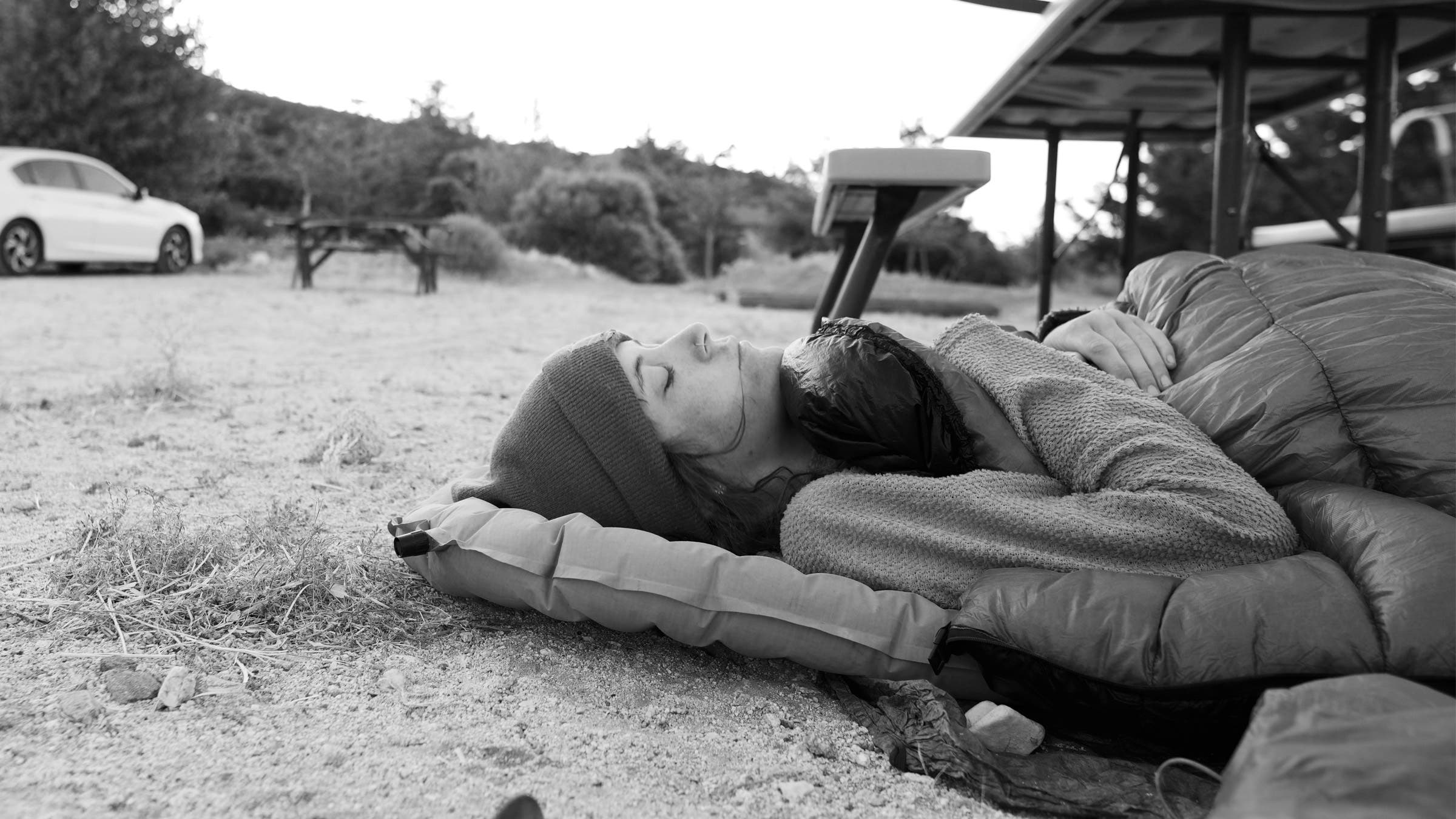
The Verdict: I added back a full-length insulated air pad, accepting a nominal three-ounce weight penalty. The return on investment is staggering. Stretching my legs out onto a warm, cushioned surface—rather than letting them dangle off a lumpy pack or freeze on the ground—fundamentally transformed my nightly recovery. Waking up rested means hiking stronger, safer, and faster the next day.
2. A Reliable Cook System
A camp stove was the ultimate luxury item I resisted for the longest time. To maintain my purist credentials, I committed to "cold-soaking"—rehydrating beans, couscous, and oats in ambient-temperature water inside a Ziploc bag or a discarded peanut butter jar. Even my most hardcore ultralight companions looked at me with genuine pity.
The breaking point arrived one September evening on the Continental Divide Trail in Colorado. Overnight, a hard freeze formed thick layers of ice on both the inside and outside of my single-wall shelter. Cold-soaking frozen mush in sub-freezing temperatures was no longer a quirky minimalist lifestyle choice; it was a miserable, caloric deficit.
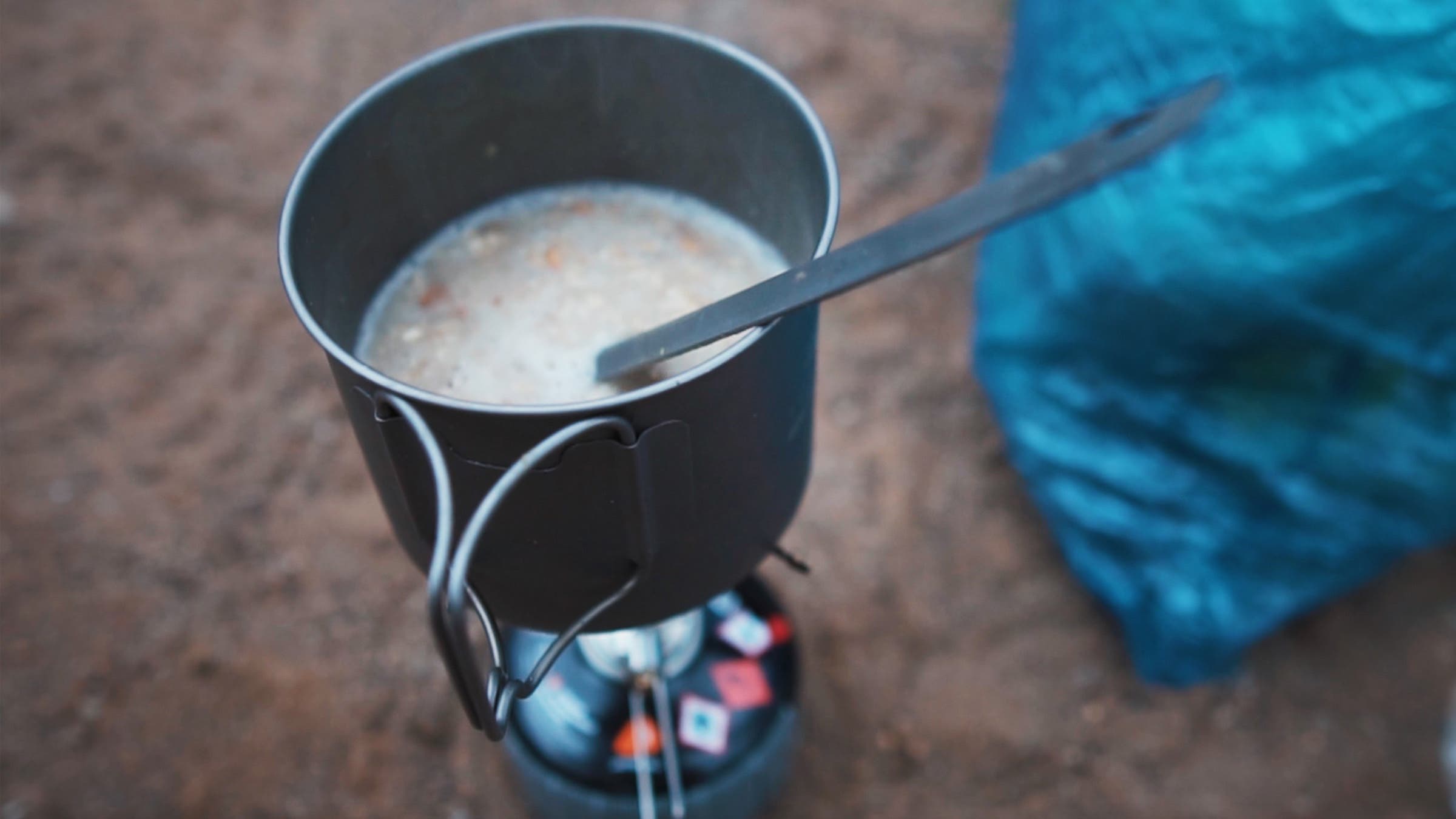
The Verdict: I bought a minimalist stove setup. Having a hot meal before bed and cradling a Nalgene bottle filled with boiling water tucked deep inside my quilt changed winter and shoulder-season backpacking entirely. Even Ray Jardine, the legendary godfather of the ultralight movement, eventually recanted his hardline stance. Reflecting on his 1993 Appalachian Trail thru-hike in an interview with Backpacker, Jardine admitted that leaving a stove behind was "too bold" and that "the weight savings wasn’t worth it." If the pioneer of the movement can pivot, so can I.
3. A Padded, Load-Bearing Hipbelt
A decade ago, influenced by aggressive internet forums and gear reviews, I took a pair of scissors and surgically hacked the hipbelt off my backpack in an obsessive quest to "free the hips." The prevailing subcultural mindset dictated that physical discomfort was directly correlated with trail credibility.
Three ultralight frameless packs later, my skeletal structure staged a full-scale revolt. Chronic nerve compression and debilitating shoulder pain set in. Long water and food carries—inevitable in arid regions like the American Southwest—filled me with dread rather than excitement.
The Verdict: I transitioned to a structured pack equipped with a proper, detachable padded hipbelt. My shoulders healed, my posture improved, and weight distribution normalized. Taking a 2.1-ounce hit to my ego was a remarkably small price to pay to preserve my physical health. My ultimate goal is to be out on the dirt trails, exploring public lands, decades from now—a goal impossible to achieve with chronic nerve damage.
4. Ultralight Wind Pants
At just 3.2 ounces, nylon wind pants have firmly secured their spot as a non-negotiable item in my pack. While non-hikers often scoff at their dorky aesthetic and the obnoxious swishing sound they make with every stride, experienced backpackers understand their quiet utility.
The Verdict: Wind pants provide an invaluable micro-climate layer. They trap body heat while sleeping, prevent dirt and pine needles from working their way into my quilt, and act as an impenetrable physical barrier against aggressive mosquitoes humming around my ankles. More than anything, they offer a psychological buffer. After months of abrasive exposure to wind, sun, and biting insects, slipping into a pair of clean wind pants at camp delivers an unmatched sense of relief.
Official Responses and Industry Shifts
The backpacking gear industry has taken formal notice of this "ultralight rebound" phenomenon. Manufacturers who spent the late 2010s locked in a reckless race-to-the-bottom—shaving grams by removing zippers, frame stays, and structural padding—are now engineering hybrid gear categories that prioritize "smart weight."
Industry analysts and outdoor gear designers point out several key shifts:
- The Rise of Hybrid Framing: Brands are introducing ultralight packs that feature carbon-fiber or removable aluminum stays, offering the weight savings of soft packs with the structural load-transfer of traditional internal frames.
- Insulated Comfort Innovations: Sleeping pad manufacturers are engineering high-R-value, full-length mats that weigh under twelve ounces, effectively bridging the gap between minimalist foam and plush luxury.
- Modular Design Philosophies: Modern gear increasingly relies on modular components—removable hipbelts, optional pack lids, and adaptable bug nets—allowing hikers to customize their loadout based on climate, terrain, and personal fatigue levels.
Lead designers at prominent cottage-industry backpacking brands have publicly acknowledged that customer feedback has shifted dramatically away from extreme weight reduction and toward functional durability and ergonomic support.
Implications for the Future of Backpacking
What does this collective realization mean for the broader outdoor recreation community?
First, it democratizes long-distance hiking. By acknowledging that comfort is not a sin, the outdoor community becomes far more inclusive. Novice backpackers are frequently intimidated by the rigid, dogmatic gatekeeping of online ultralight forums. When experienced veterans like Ayesha Cording and Ray Jardine openly admit that chasing the absolute lowest base weight led to cold nights, injuries, and avoidable suffering, it gives permission to beginners to pack what they actually need to stay safe and comfortable.
Second, it redefines the relationship between gear and wilderness experience. The ultimate goal of a thru-hike is not to boast about carrying a five-pound base weight; it is to immerse oneself in the natural world without physical breakdown. When your sleep is uninterrupted, your meals are warm, and your joints are protected, you are mentally and physically liberated to actually engage with the landscape around you.
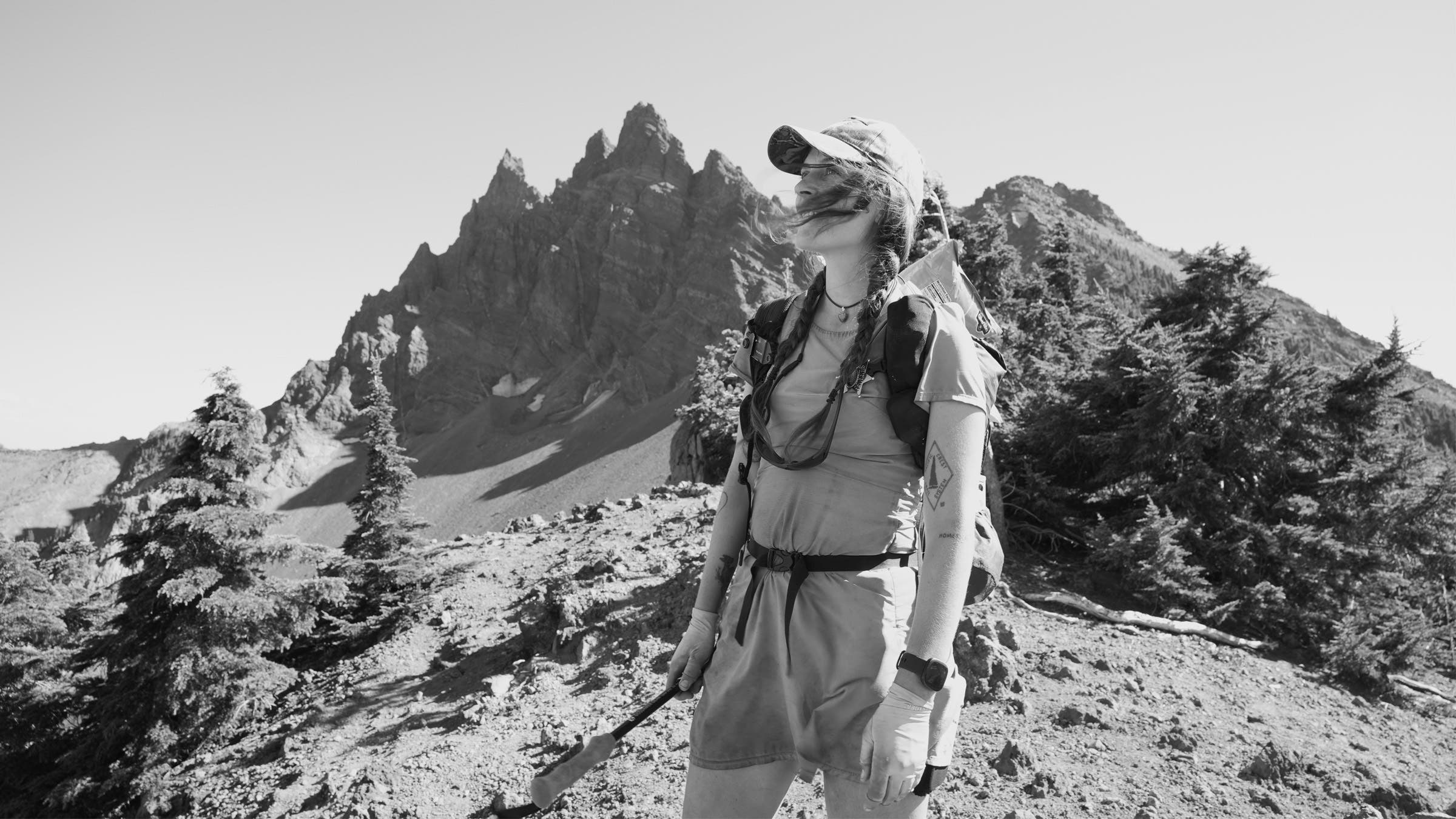
Conclusion: The Wisdom of the Extra Ounce
My years traversing mountain ranges, river valleys, and desert basins have taught me a profound lesson: the lightest possible gear list is not automatically the best one.
I still engage in my fair share of gram-shaving rituals—I still snap the plastic handles off my toothbrushes and compress my gear down until my pack resembles a stuffed school backpack. But I have finally made peace with the reality that there are far worse things in this world to carry than a few extra ounces.
And, ultimately, there is something infinitely better than holding bragging rights for a sub-eight-pound base weight: the sweet, undeniable relief of having two warm, dry arms when an unexpected mountain storm rolls in.
