

Published: September 17, 2026
Author: Fitness & Wellness Desk
In an era defined by desk jobs, remote work, and endless hours spent staring at screens, the physical toll on the human body has become a silent epidemic. The pursuit of better posture is a universal struggle, but achieving and maintaining spinal alignment has arguably never been harder. With modern daily routines heavily anchored around sitting, developing a forward hunch, rounded shoulders, and a chronic slouch feels like an almost unavoidable side effect of contemporary life.
However, targeted physical interventions can counteract these postural deficits. Certified yoga instructor Taylor Lorenz—known online as Taylor’s Tracks—has developed a specialized, 8-minute mini yoga flow designed specifically to combat the everyday slouch. Backed by more than 800 hours of professional training in vinyasa, hatha, and yin yoga, Lorenz’s routine aims to lengthen shortened muscles, strengthen postural support systems, and reintroduce practitioners to proper spinal alignment.
Main Facts: The Anatomy of the Modern Slump
The human spine is a marvel of evolutionary engineering, designed to support an upright posture with natural curves that distribute weight evenly. Yet, modern sedentary habits fundamentally disrupt this design. Prolonged sitting encourages the chest muscles (pectoralis major and minor) to tighten, while the upper back muscles (rhomboids and mid-trapezius) weaken and stretch out over time. This muscular imbalance pulls the shoulders forward and rounds the upper back, creating a habitual posture that compromises not only physical appearance but also respiratory capacity and core stability.
According to musculoskeletal health experts, incorporating short, intentional movement breaks throughout the day can significantly mitigate these effects. Lorenz’s 8-minute posture flow offers a quick, equipment-free intervention. Requiring nothing more than a yoga mat and a commitment to standing taller, the routine systematically addresses the neck, shoulders, spine, and hips through a carefully curated sequence of classic yoga poses modified for optimal postural engagement.
Chronology: The 8-Minute Posture Reset Sequence
Lorenz’s routine is structured to guide the practitioner from a grounded, centring starting point through active spinal mobility work, deep stretches, and finally into an empowered standing posture. No props are necessary.
Phase 1: Grounding and Spinal Awakening
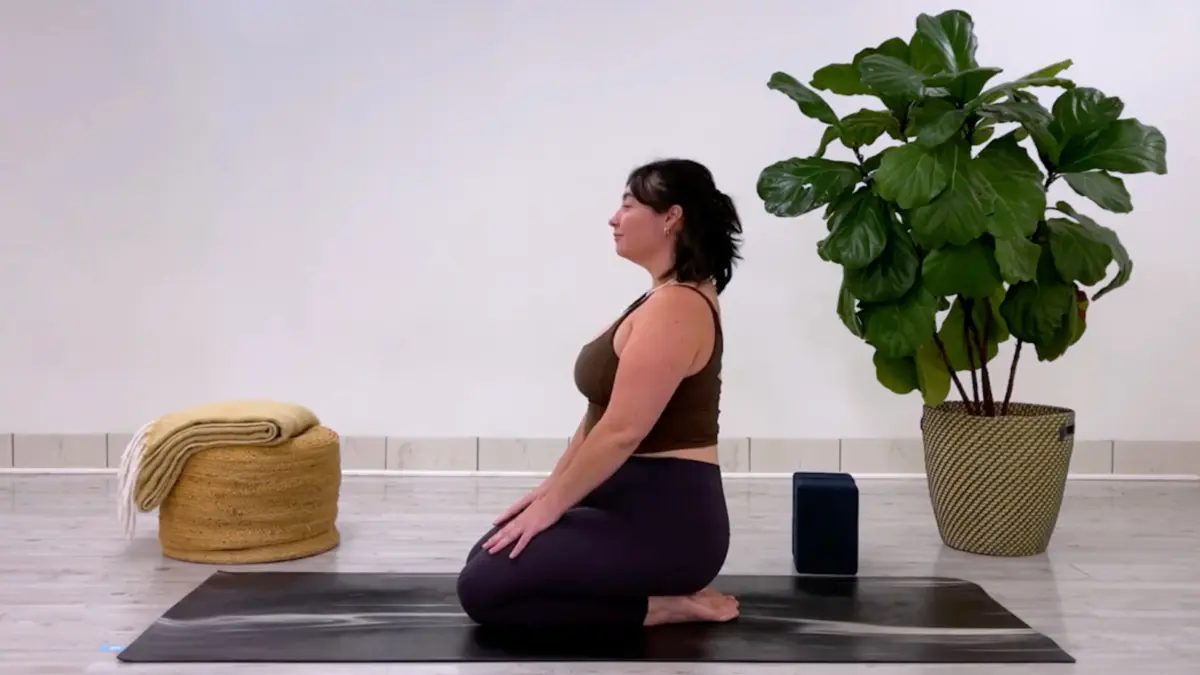
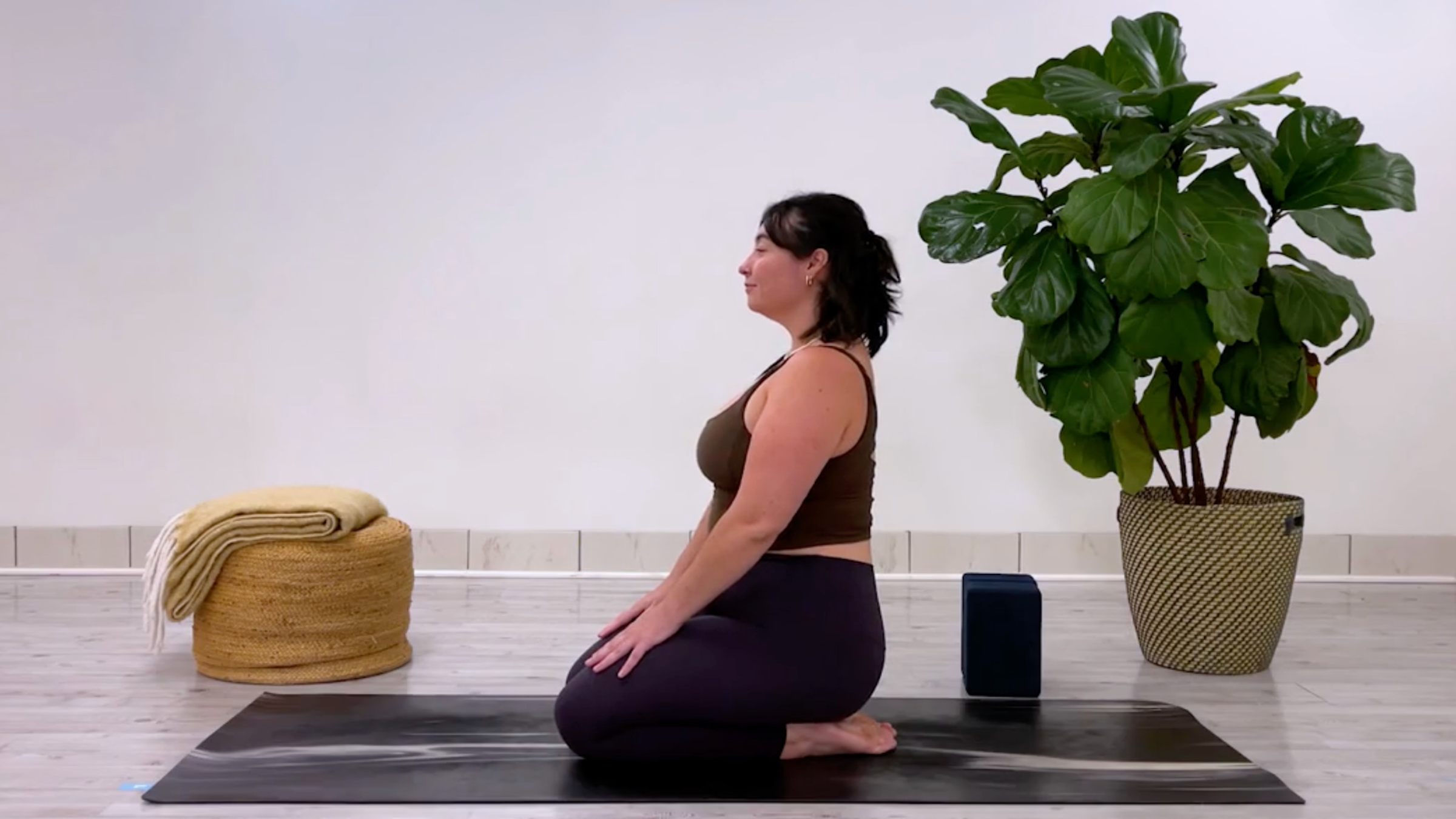
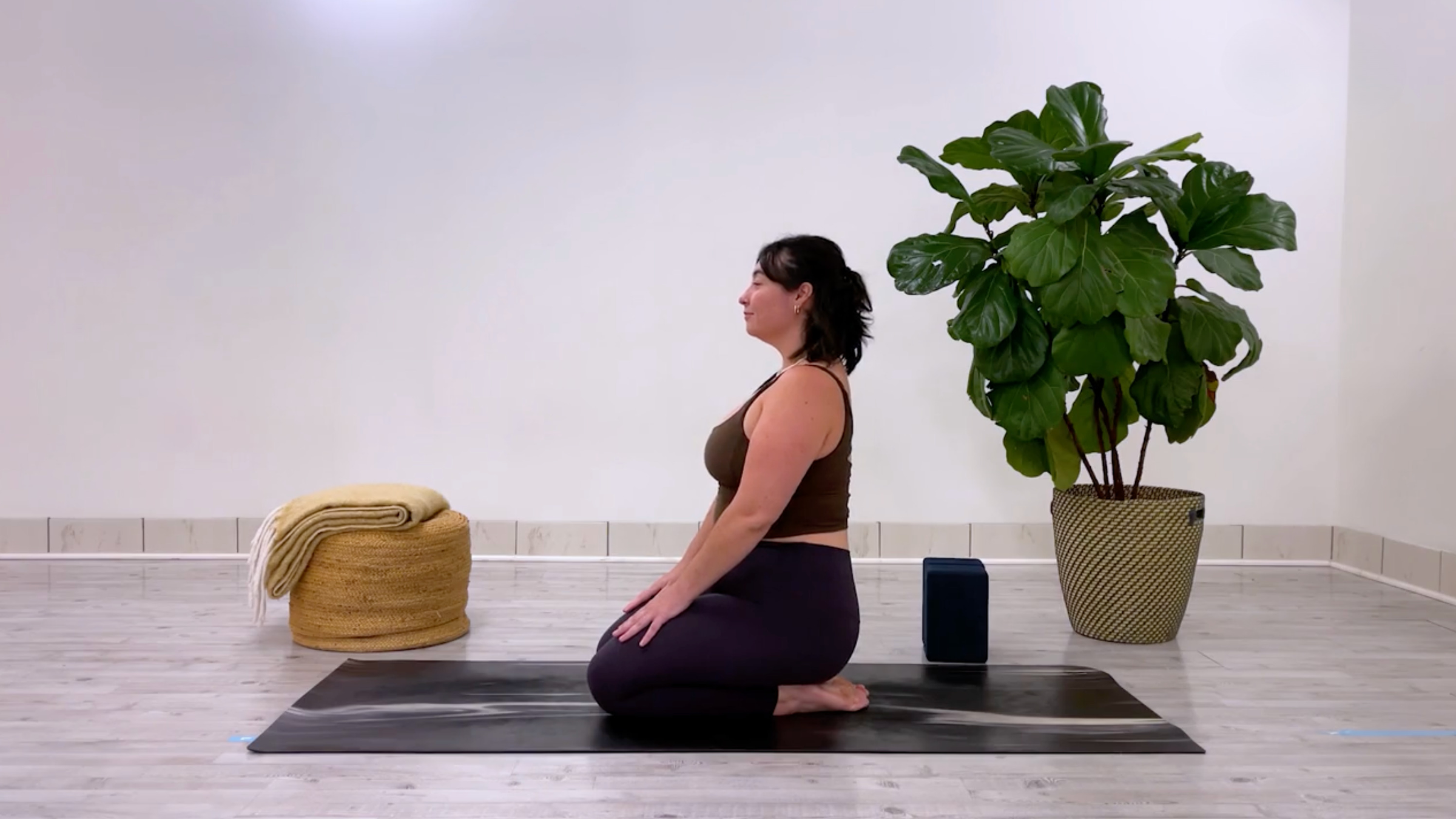
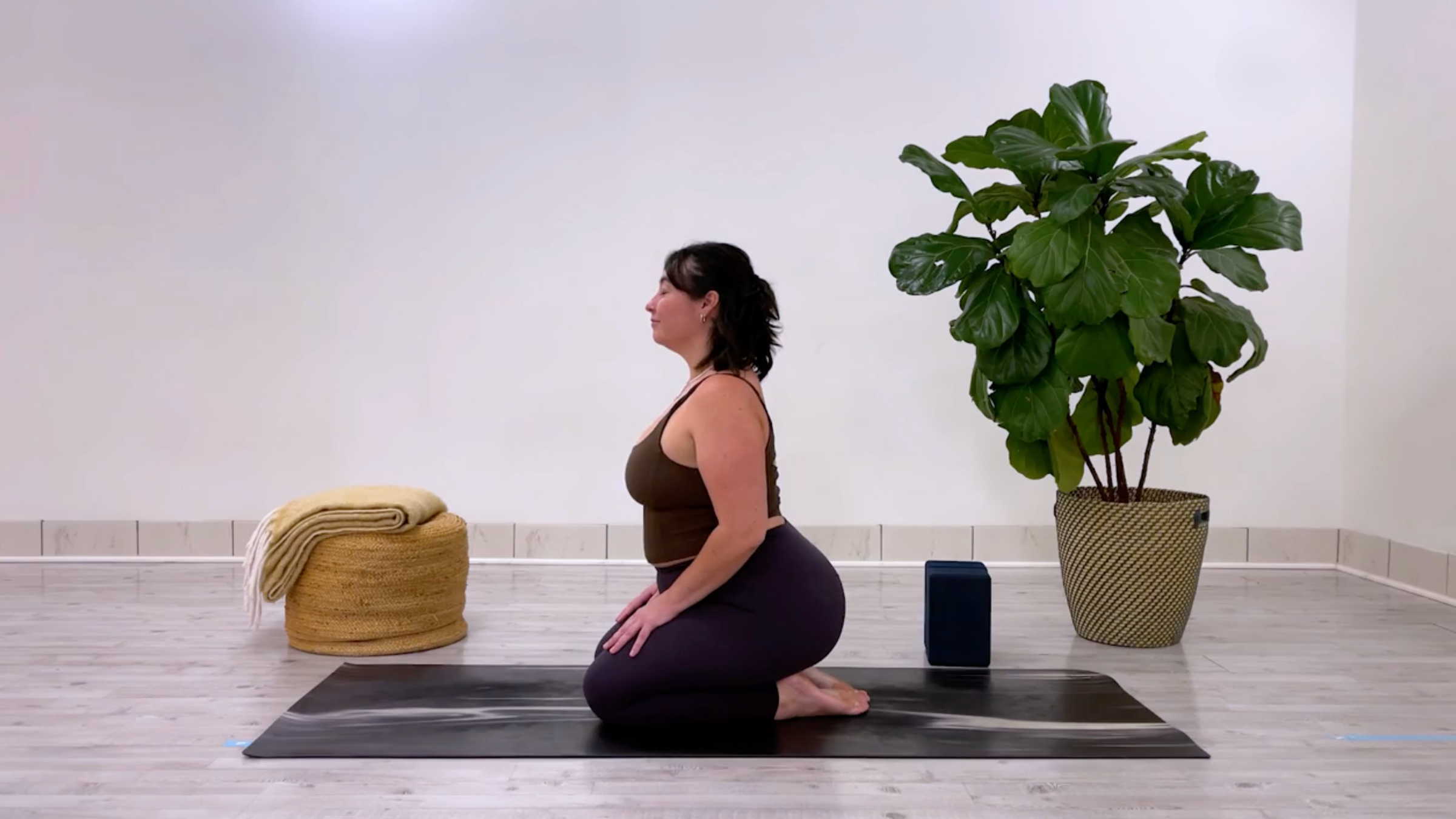
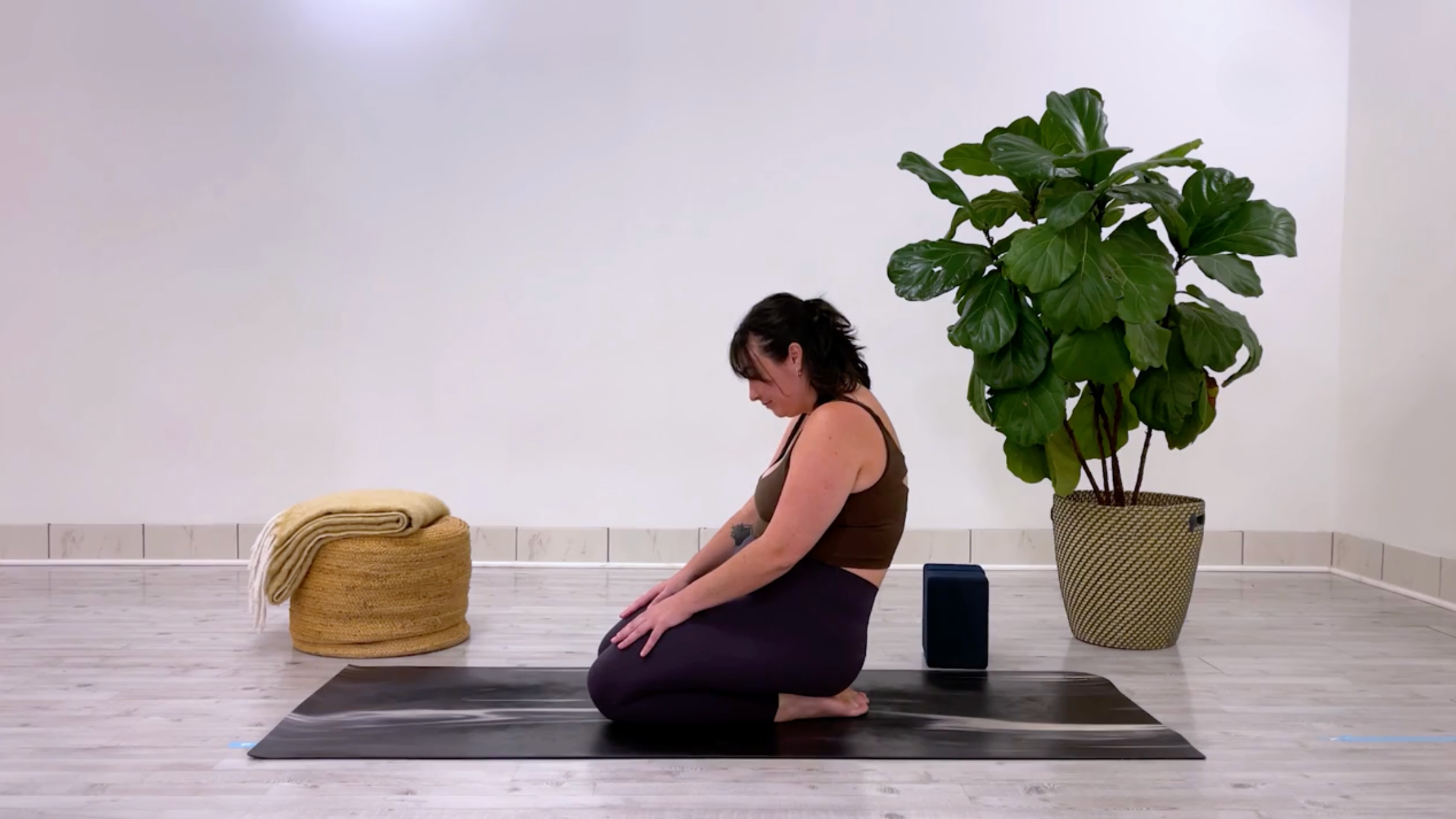
- Thunderbolt Pose (Vajrasana): The practice begins in a kneeling position, sitting back on the heels with toes tucked and hands resting gently on the thighs. Practitioners are instructed to sit as tall as possible, visualizing the spine and its vertebrae running vertically down the back and anchoring into the earth. This is held for 5 cycles of breath to establish mental focus and vertical alignment.
- Kneeling Cow and Cat Poses: Transitioning directly from Thunderbolt, practitioners inhale to arch the spine and draw the shoulders back into a kneeling variation of Cow Pose. On the exhale, they reverse the movement by rounding the spine, tucking the chin, and drawing the shoulders forward into Cat Pose. This sequence is repeated 3 times synchronously with the breath to lubricate the vertebrae and wake up the upper back.
Phase 2: Opening the Chest and Shoulders
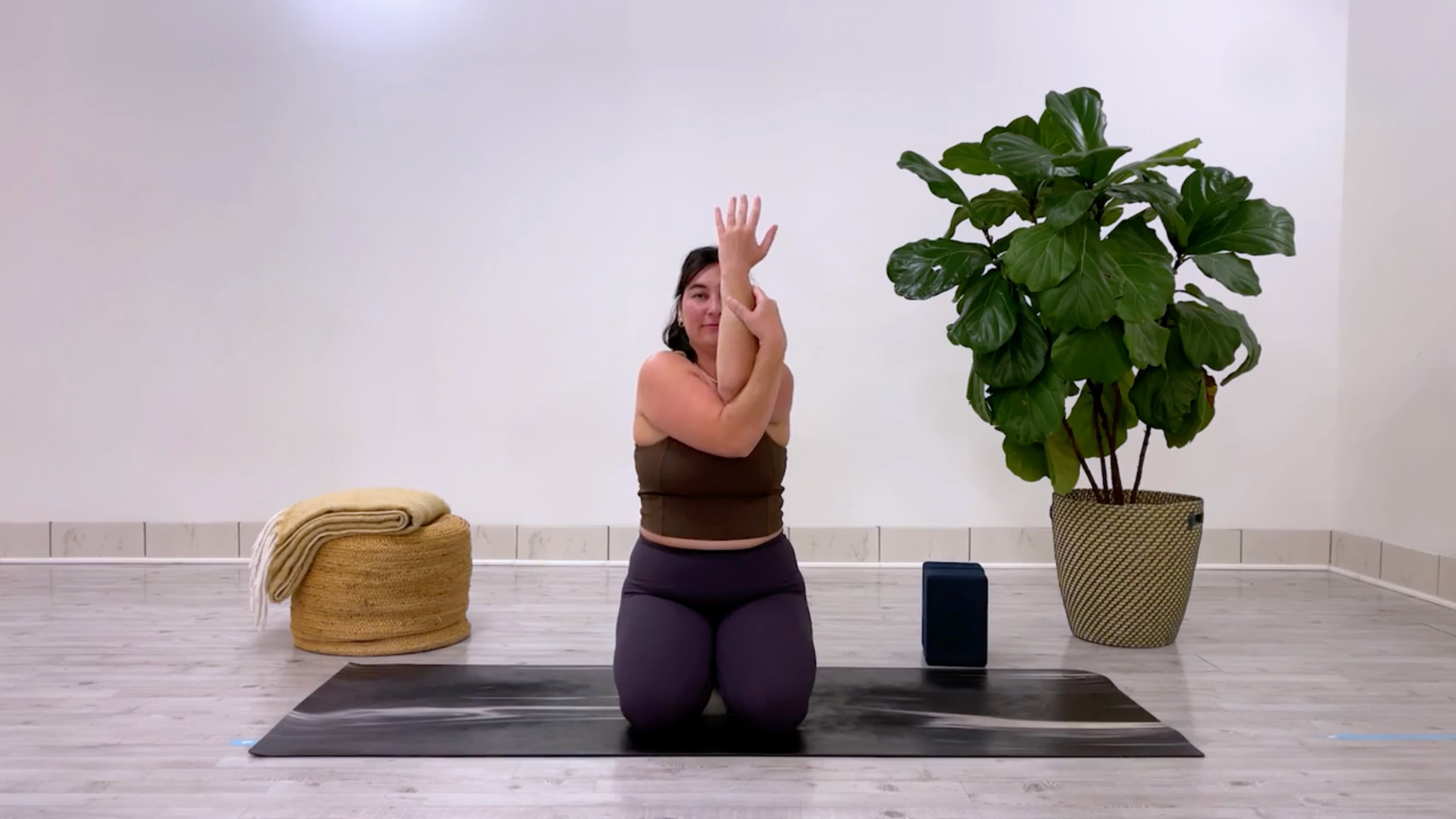
- Eagle Arms: Coming back to a tall seat, practitioners sweep their arms up toward the sky on an inhalation. On the exhalation, they cross the left arm beneath the right, bending the elbows and pressing the palms or forearms together in front of the face. To release tension in the shoulder blades, the practitioner draws three small circles with their elbows in one direction before reversing the rotation.
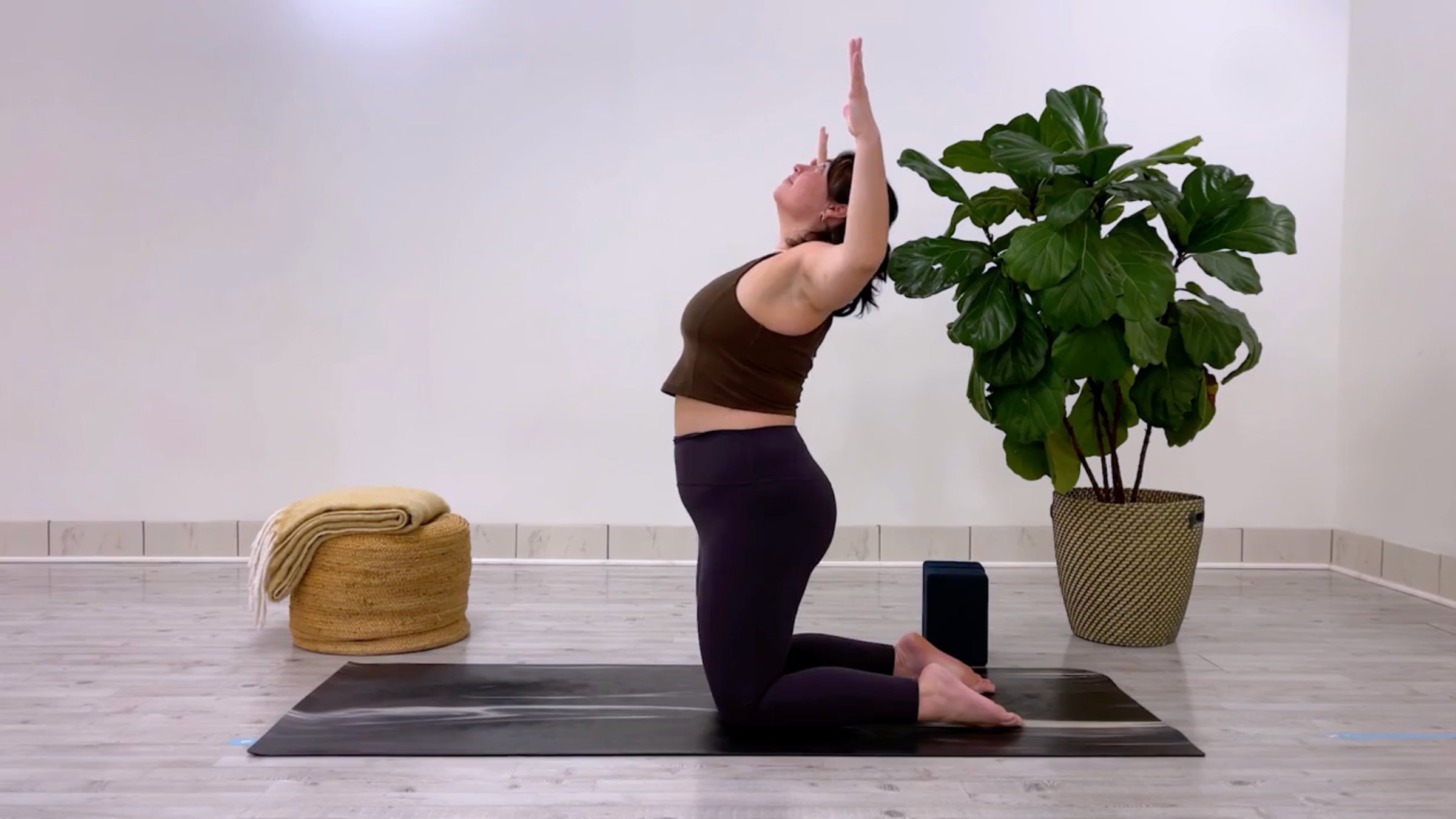
- Cactus Arms and Backbend: Reaching the arms back up to the sky, the practitioner lifts high onto their knees, draws the elbows down into "cactus" arms, and takes a gentle backbend to open the front body and chest, which are typically compressed during sitting.
Phase 3: Mobility and Side-Body Lengthening
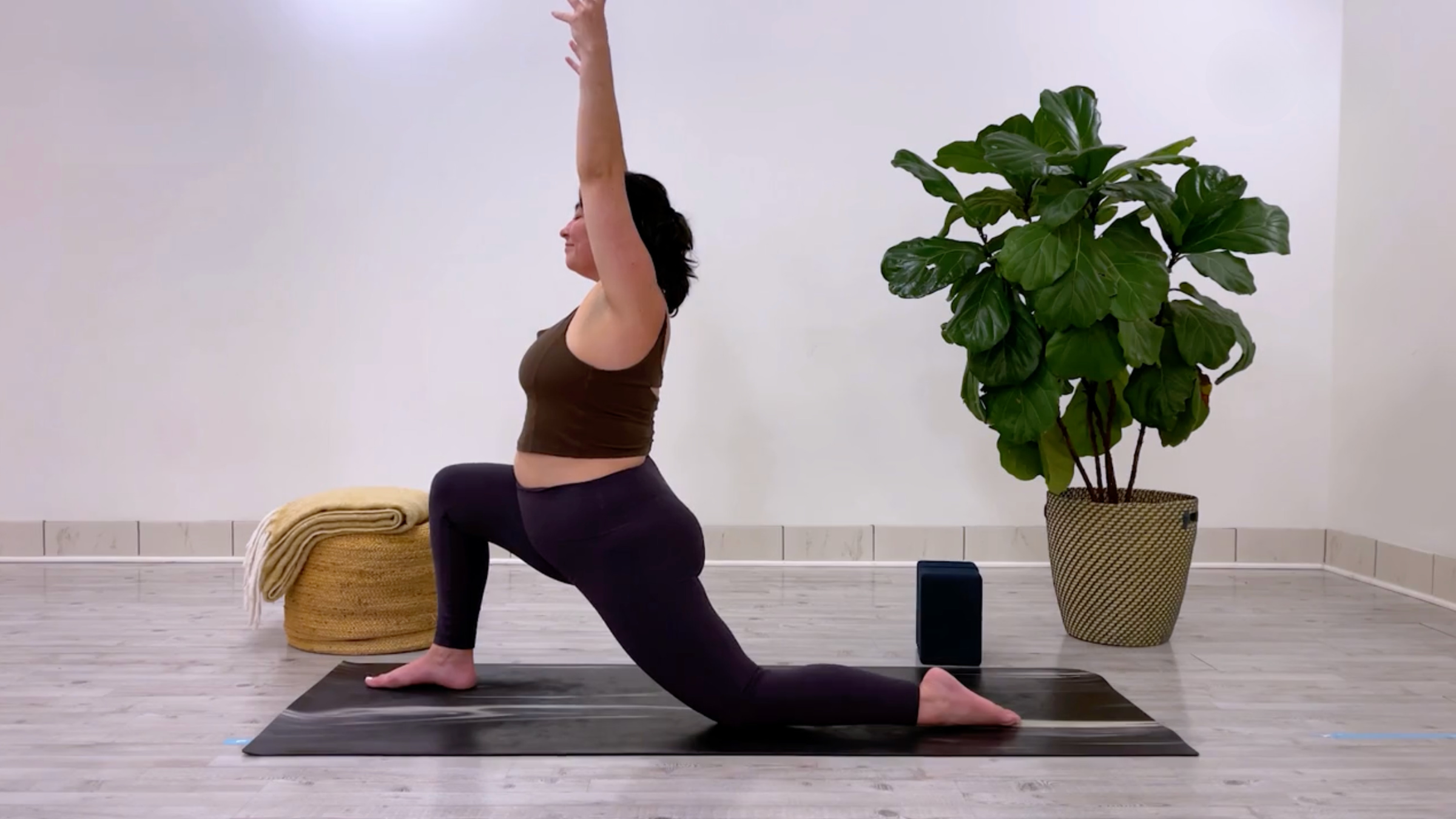
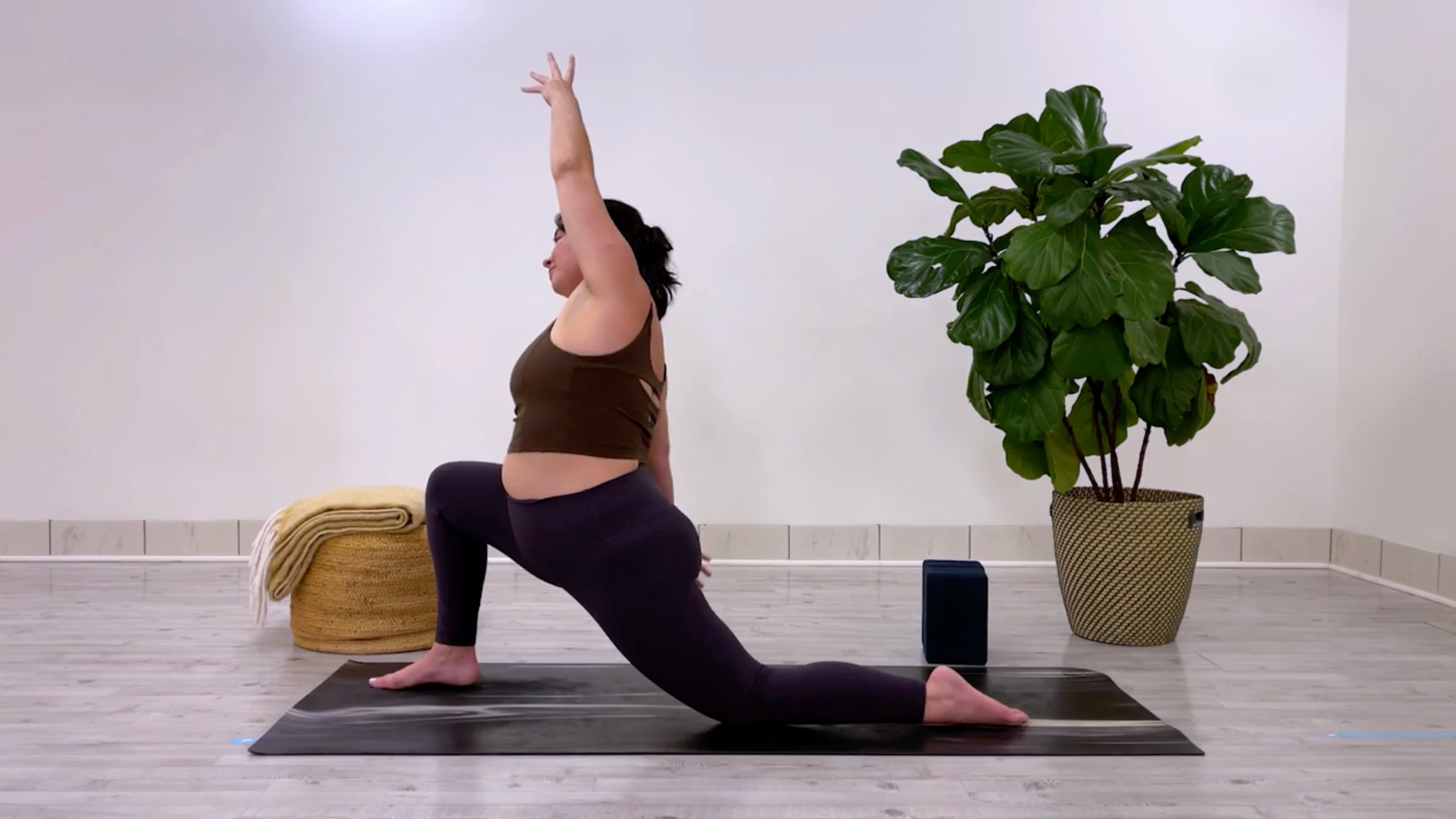
- Low Lunge (Anjaneyasana) with Side Bend: Inhaling the arms upward, the practitioner steps the right foot forward into a Low Lunge. On the exhale, they place the right hand onto the right hip while reaching the left arm up and overhead in a sweeping side bend, holding for 1 full breath before returning to center.
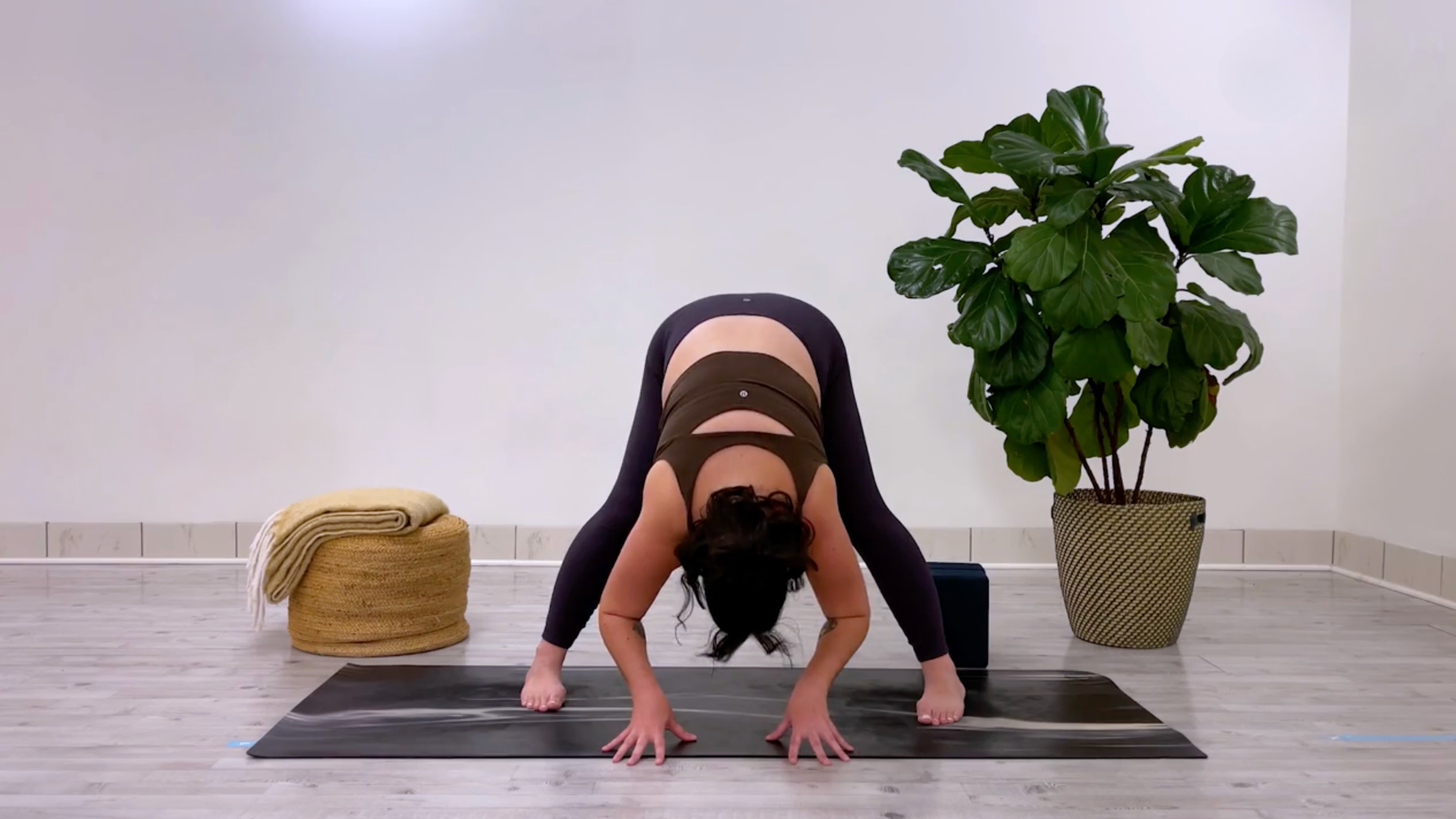
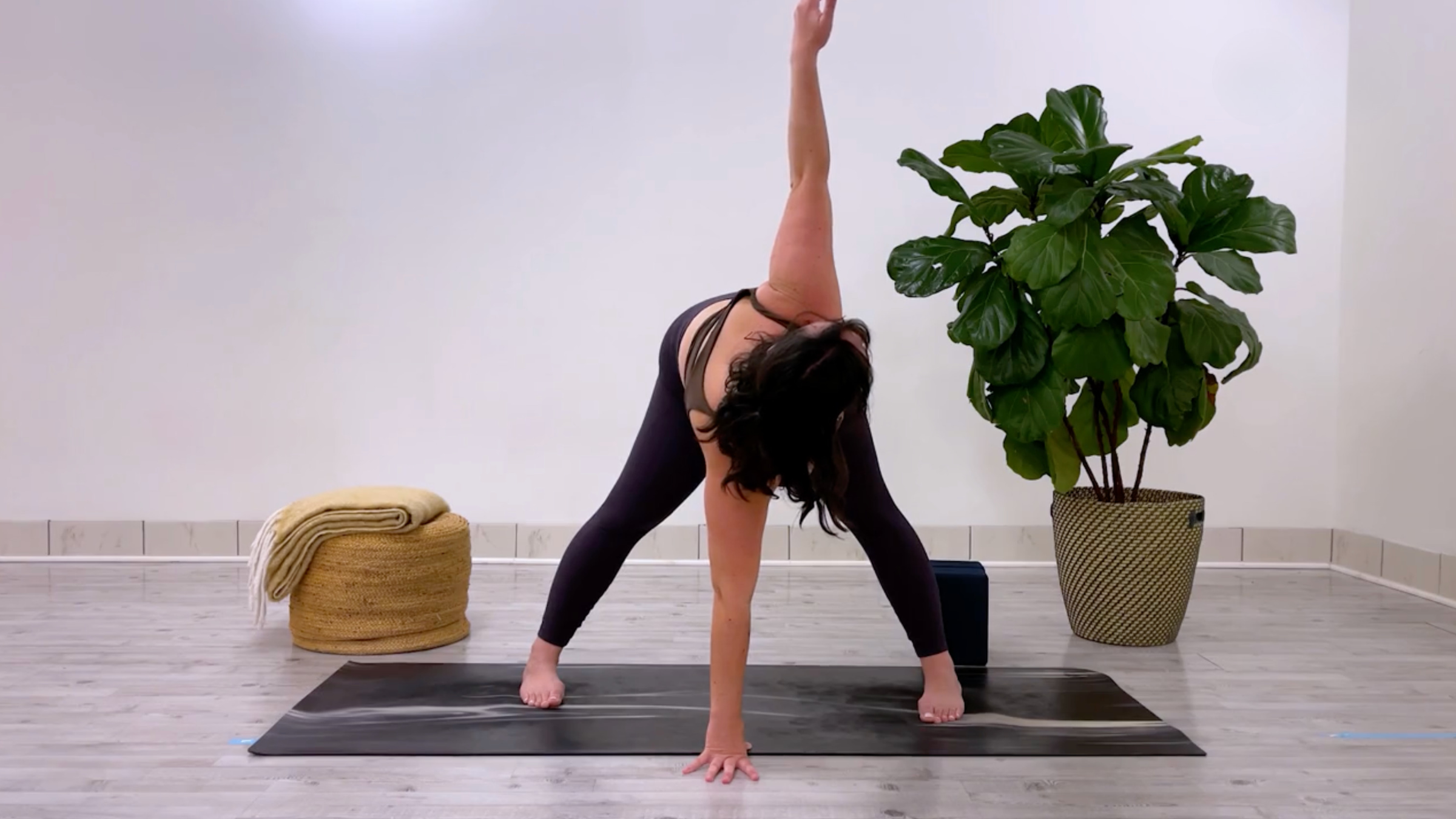
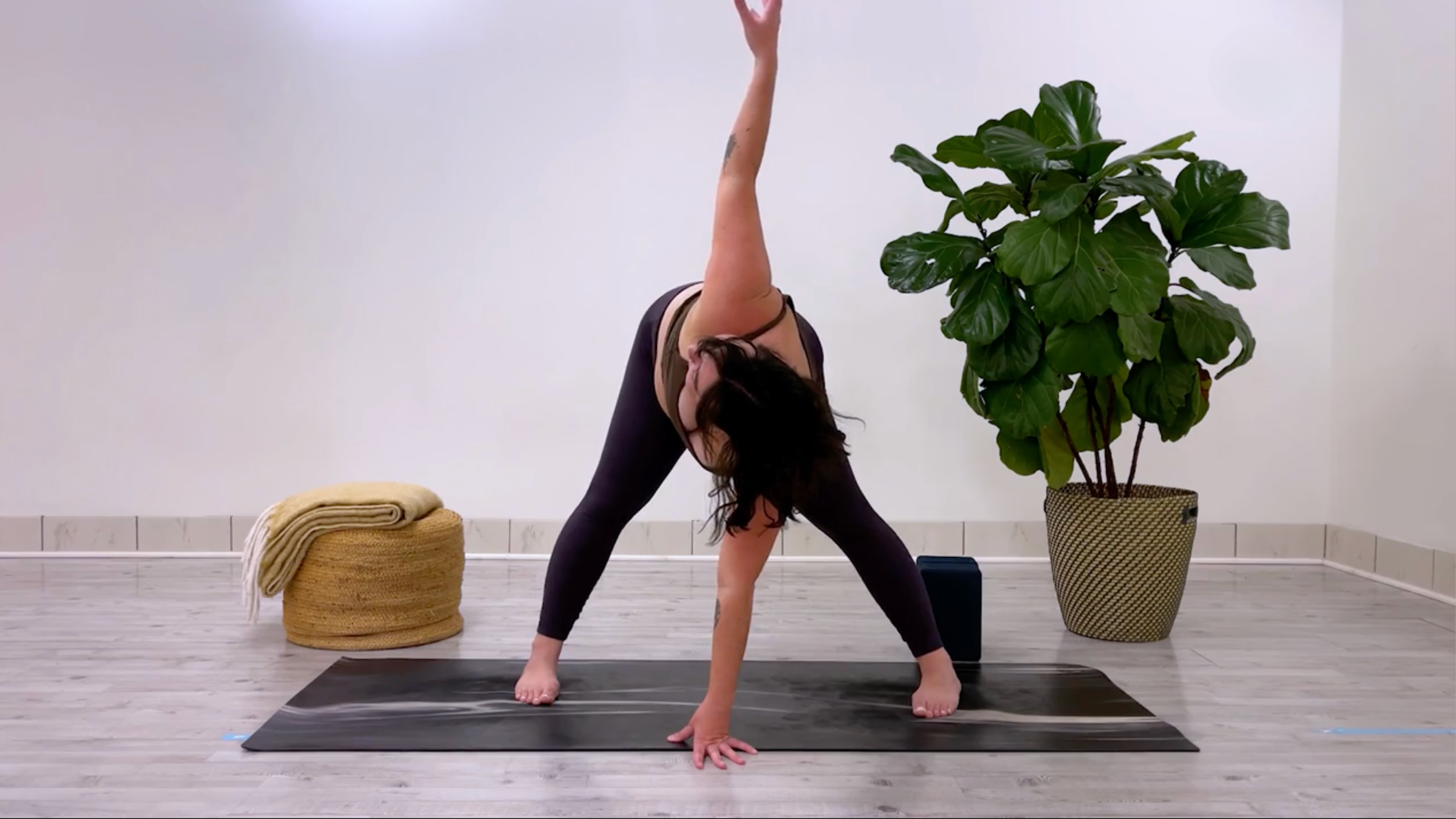
- Revolved Wide-Legged Standing Forward Bend (Parivrtta Prasarita Padottanasana): The sequence shifts as the practitioner places both hands inside the right foot, tucks the back toes, and pivots toward the long edge of the mat. Exhaling, they plant the left hand underneath the face and reach the right arm skyward into a twist, holding for a breath before switching sides.
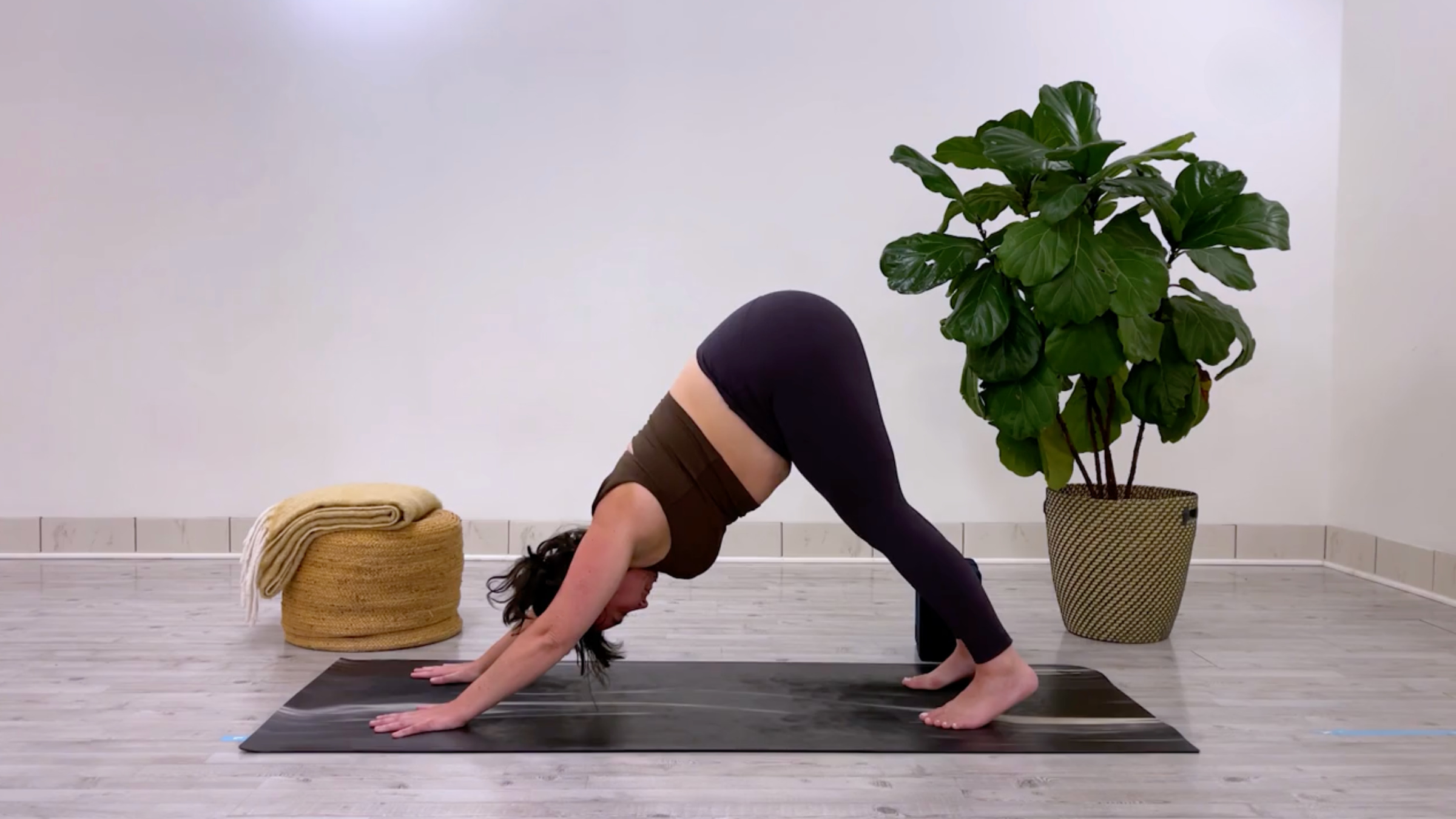
- Downward-Facing Dog (Adho Mukha Svanasana): Transitioning back to the front of the mat, the practitioner steps back into Downward-Facing Dog, holding for 3 full breaths to decompress the spine and stretch the hamstrings and calves, with permission to explore intuitive movement.
Phase 4: Standing Tall and Integration
- Standing Forward Bend (Uttanasana): Softening the knees down briefly into Thunderbolt, the practitioner then steps the right foot forward to meet the left at the front of the mat, folding into a deep Standing Forward Bend. Grabbing hold of opposite elbows, they allow the upper body to dangle heavily for 3 breaths, letting gravity pull tension out of the neck and shoulders.
- Mountain Pose (Tadasana): Releasing the fingertips to the floor, the practitioner presses firmly into the feet and rolls up one vertebra at a time—as slowly as possible. Rolling the shoulders up, back, and down, they face their palms forward in Mountain Pose, taking a deliberate breath to notice their newfound height and postural integrity.
- Standing Side Bend: Inhaling the arms high, the practitioner grabs their left wrist with the right hand and bends to the right. Repeating the motion on the opposite side, they return to center in Mountain Pose.
- Closing: The session concludes with hands brought to heart center in a prayer position. The practitioner bows their head so the forehead meets the fingertips, taking a quiet moment of gratitude for dedicating time to their overall well-being and posture.
Supporting Data: The Cost of the Slump and the Promise of Yoga
Clinical observations and ergonomic studies consistently highlight the physical toll of sedentary lifestyles. When an individual slouches, the head shifts forward, effectively multiplying the gravitational load experienced by the cervical spine. A head tilted forward by just 15 degrees places roughly 27 pounds of effective weight on the neck muscles—a load that triples when looking down at a smartphone or laptop. Over time, this chronic muscular strain leads to tension headaches, shoulder impingements, and accelerated wear-and-disc degeneration.
Conversely, clinical research into yoga as a therapeutic intervention demonstrates profound benefits for musculoskeletal health. Regular yoga practice has been shown to:
- Improve Proprioception: By frequently checking in with physical alignment (as demonstrated in poses like Thunderbolt and Mountain), individuals develop a heightened internal awareness of when they are slouching during daily activities.
- Enhance Thoracic Mobility: Movements combining extension (Cow, Cactus arms) and rotation (Revolved Wide-Legged Forward Bend) actively combat thoracic kyphosis—the medical term for excessive outward curvature of the upper spine.
- Restore Muscular Balance: Dynamic stretching releases chronically tight hip flexors and chest muscles, allowing opposing stabilizer muscles to engage naturally without requiring conscious, exhausting muscular effort throughout the day.
Official Responses and Expert Insights
Health and wellness advocates have increasingly emphasized that posture is not merely about "pulling your shoulders back," but rather a whole-body alignment issue that requires dynamic maintenance rather than rigid bracing.
Physical therapists and certified yoga instructors alike have praised routines like Lorenz’s for their accessibility. By keeping the practice under 10 minutes and eliminating the need for specialized equipment (such as blocks, straps, or resistance bands), the routine removes the common barriers to entry that prevent office workers from taking movement breaks.
"The goal of a posture practice isn’t to force your body into a rigid, unnatural military stance," notes a leading ergonomics specialist unaffiliated with the routine. "Instead, it is about creating space, relieving the areas of chronic compression caused by furniture, and reminding the nervous system what a balanced, neutral spine feels like. Sequences that integrate breath with spinal flexion, extension, and rotation are exceptionally effective for achieving this reset."
Implications for Daily Life and Long-Term Health
The broader implications of integrating micro-practices like Lorenz’s 8-minute flow into a daily routine extend far beyond cosmetic improvements in how one stands or sits. Proper posture directly influences physiological function:
- Respiratory Efficiency: Slouching compresses the thoracic cavity, limiting the diaphragm’s range of motion and leading to shallow, chest-based breathing. Upright alignment opens the rib cage, facilitating deeper oxygen intake and enhancing focus and energy levels.
- Reduced Fatigue: When the skeletal system properly supports the body’s weight, muscles do not have to work overtime to fight gravity. This reduction in unnecessary muscular tension translates to lower end-of-day fatigue.
- Prevention of Chronic Injury: Proactive management of spinal health helps prevent long-term degenerative conditions, nerve compression syndromes (such as thoracic outlet syndrome or sciatica), and chronic lower back pain.
Ultimately, Taylor Lorenz’s posture yoga flow serves as a practical blueprint for modern desk workers. By investing just eight minutes a day into intentional stretching, mindful breathing, and structural realignment, individuals can reclaim their physical agency from the gravitational pull of the couch and the computer screen, stepping through their days feeling taller, lighter, and more balanced.
