

By Nutritional Science Desk
Long gone are the days when the banana was relegated to the status of a bruised, squished afterthought at the bottom of a brown-bag school lunch. In recent months, this humble tropical fruit has undergone a massive cultural and culinary renaissance. Fueled largely by the global phenomenon of K-pop influence—specifically the craze surrounding Korean banana milk—bananas have stormed the food and beverage industry.
Today, the flavor profile is ubiquitous. It appears in high-end coffee shop innovations like Starbucks banana protein cold foam, flavors novelty candies like Banana Nut Bread M&Ms, and dominates wellness feeds through viral banana-matcha concoctions on TikTok.
Yet, as millions of consumers rush to embrace the trend, mixed messages across social media have sparked a lingering dietary debate: Are bananas actually good for you?
According to registered dietitians and recent nutritional studies, the answer is a resounding yes. Beyond their sudden viral fame, bananas remain an exceptionally nutrient-dense fruit packed with dietary fiber, potassium, and beneficial antioxidants. Unlike the refined, added sugars found in heavily processed foods—which can heavily disrupt metabolic health—the natural sugars in bananas are safely packaged alongside micronutrients and bioactive compounds that support the human body.
Main Facts: The Nutritional Profile of a Banana
To understand why the humble banana deserves a premier spot in your kitchen, it helps to examine what is actually inside the fruit, from its fibrous peel to its potassium-rich flesh.
A standard, slightly ripe banana (per 100 grams) delivers a balanced matrix of macro- and micronutrients:
- Calories: 98
- Protein: 0.74 g
- Fat: 0.29 g
- Carbohydrates: 23 g
- Dietary Fiber: 1.7 g
- Total Sugars: 15.8 g
- Potassium: 326 mg
- Magnesium: 28 mg
- Folate: 14 mcg
- Vitamin B6: 0.209 mg
- Vitamin C: 12.3 mg
This portable package is uniquely gentle on the digestive tract, offers a satisfyingly sweet alternative to processed desserts like ice cream, and supercharges morning smoothies with natural energy and flavor. But how do these raw numbers translate into tangible health outcomes?
Chronology and Rise: From Lunchbox Staple to Global Phenomenon
The trajectory of the banana from a simple agricultural commodity to a global cultural icon spans centuries of trade, but its recent digital explosion marks a distinct modern era.
- Pre-2020: Bananas were viewed primarily as a functional, cheap, and reliable source of baseline nutrition and quick carbohydrates for athletes.
- The Pandemic and Home Baking Era (2020–2021): During global lockdowns, banana bread recipes trended worldwide, cementing the fruit as a comforting pantry staple during times of stress.
- The K-Wave Influence (2022–2024): International media, driven by Korean pop culture exports and the viral appeal of packaged Korean banana milk, introduced a sweet, nostalgic flavor profile to Western markets.
- The TikTok Wellness Boom (2025–2026): Social media creators began experimenting with functional health trends—integrating green bananas for gut health, exploring edible banana peels for zero-waste fiber, and examining the impact of a "bedtime banana" on sleep architecture.
Supporting Data: A Deep Dive into Banana Health Benefits
When breaking down the individual nutrients found in a banana, modern clinical research validates several distinct health benefits:
1. Potassium and Cardiovascular Health
Ask anyone what a banana is good for, and they will likely answer: potassium. This vital mineral is critical for maintaining proper heart health, regulating fluid balance, and facilitating smooth muscle contractions.
A major 2024 study tracking fruit intake and health outcomes revealed that moderate consumption of fruits like apples and bananas (roughly three to six servings per week) correlated with a significantly reduced risk of all-cause mortality among individuals with hypertension. Furthermore, a 2023 systematic review highlighted that the antioxidant properties within bananas actively support overall cardiovascular wellness.
By regulating the electrical signals that allow muscles to contract and relax, potassium prevents hypokalemia (potassium deficiency), which commonly manifests as painful muscle cramps, spasms, and chronic fatigue.
2. Fiber, Resistant Starch, and Gut Health
Bananas are a stellar source of natural dietary fiber. Ripe bananas contain pectin—a soluble fiber that dissolves in gut water to form a gel-like substance, easing the passage of waste and supporting regular bowel movements.
Additionally, bananas act as powerful prebiotics. They contain fructooligosaccharides (FOS) and resistant starch (RS), which stimulate the growth of beneficial gut bacteria such as Bifidobacteria. This is why bananas are a foundational pillar of the classic BRAT diet (Bananas, Rice, Apples, Toast) prescribed to patients recovering from gastrointestinal distress.
3. Magnesium, Tryptophan, and Sleep Quality
Offering roughly 10% of the recommended daily value of magnesium per serving, bananas help relax skeletal muscles and calm the nervous system. They also contain tryptophan, an essential amino acid that serves as a precursor to serotonin and melatonin.
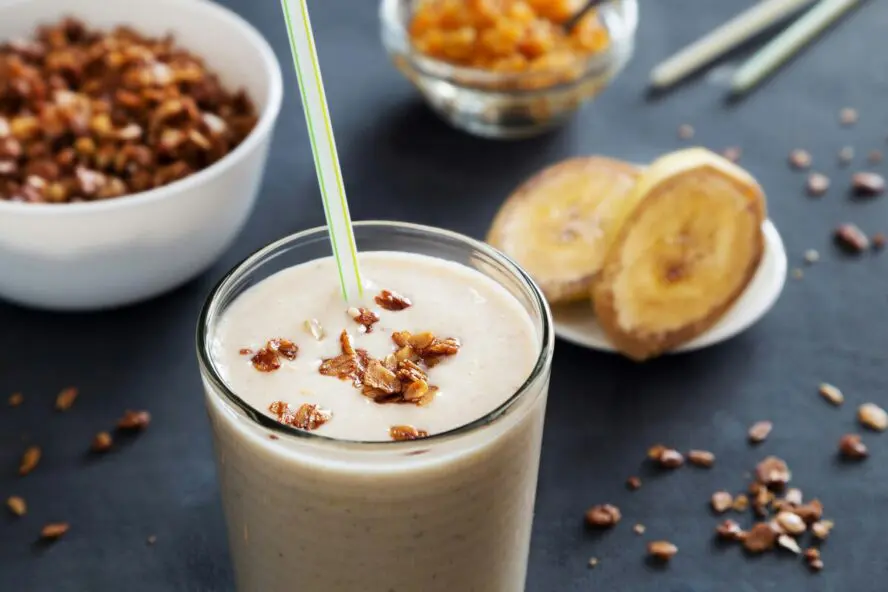
A landmark 2024 clinical trial investigating the effects of a pre-sleep banana snack found that participants who consumed a ripened banana before bed experienced measurable improvements in their sleep quality index scores. Researchers theorize that the natural carbohydrates in the banana prompt a mild insulin release, allowing tryptophan to cross the blood-brain barrier more efficiently to synthesize sleep-regulating hormones.
4. Vitamin B6 and Cellular Energy
A single medium banana provides a quarter of an adult’s recommended daily intake of Vitamin B6. This water-soluble vitamin functions as a coenzyme in the breakdown of carbohydrates, lipids, and proteins, directly supporting energy metabolism. Regular consumption helps the body unlock cellular energy efficiently while exhibiting anti-inflammatory properties.
Official Responses and Dietary Guidance: Green vs. Ripe
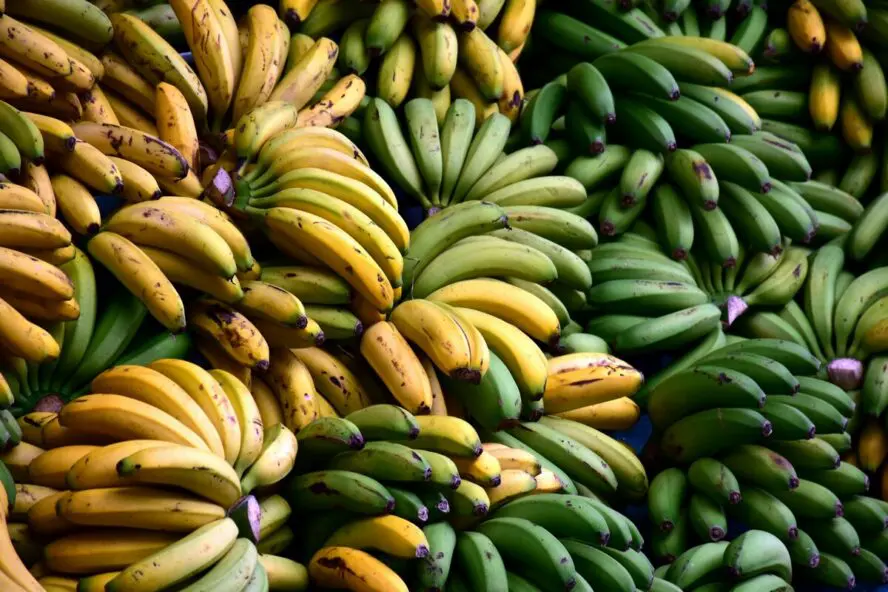
Does the ripeness of a banana alter its nutritional value? Clinically speaking, the basic nutrient breakdown remains largely stable, but its digestive impact changes dramatically due to shifts in resistant starch (RS) content.
- Green (Unripe) Bananas: These boast some of the highest resistant starch concentrations found in whole foods. Because resistant starch bypasses enzymatic digestion in the small intestine, it reaches the colon intact, where bacteria ferment it into short-chain fatty acids (SCFAs) like butyrate. Butyrate preserves gut integrity, reduces inflammation, and helps mitigate constipation. Individuals managing irritable bowel syndrome (IBS) or fructose malabsorption often tolerate firmer, greener bananas much better.
- Yellow (Ripe) Bananas: As bananas ripen, enzymes convert resistant starches into simple sugars (fructose and glucose). While this makes them sweeter, softer, and easier on a compromised stomach during acute illness, the higher free fructose content may trigger symptoms in individuals with severe FODMAP sensitivities.
How Many Bananas Should You Eat a Day?
Dietitians generally recommend a baseline consumption of three to six bananas per week to enjoy their nutritional benefits while leaving ample room for dietary diversity.
However, individuals with chronic kidney disease (CKD) must treat this number as an absolute ceiling. Because failing kidneys struggle to filter excess potassium from the blood—leading to dangerous cardiac complications—renal patients must strictly monitor their intake of potassium-dense foods and consult a nephrologist regarding safe serving sizes.
Broader Implications: The Debate Over Peels, Radiation, and Ethics
Beyond the sweet flesh, modern discussions surrounding bananas have expanded to include zero-waste practices, natural physics, and agricultural ethics.
Can You Eat the Peel?
Surprising as it may sound, banana peels are entirely edible. Rich in concentrated fiber and potent antioxidants, peels can be washed thoroughly, trimmed at the hard ends, and blended directly into smoothies to mask their fibrous texture. Preliminary studies suggest that banana peel extracts may offer anti-inflammatory, neuroprotective, and skin-healing properties, potentially aiding in acne management and hyperpigmentation reduction.
Are Bananas Radioactive?
Yes, but harmlessly so. Bananas are naturally rich in potassium, and a tiny fraction (approximately 0.01%) of natural potassium consists of the radioactive isotope potassium-40. This emits a minuscule amount of radiation known as a Banana Equivalent Dose (BED)—roughly 0.1 microsieverts.
Health authorities emphasize that this level is thousands of times too low to cause biological harm. Because the human body tightly regulates potassium levels and excretes any excess, the radiation does not accumulate in tissue.
Organic vs. Conventional: The Worker Safety Dilemma
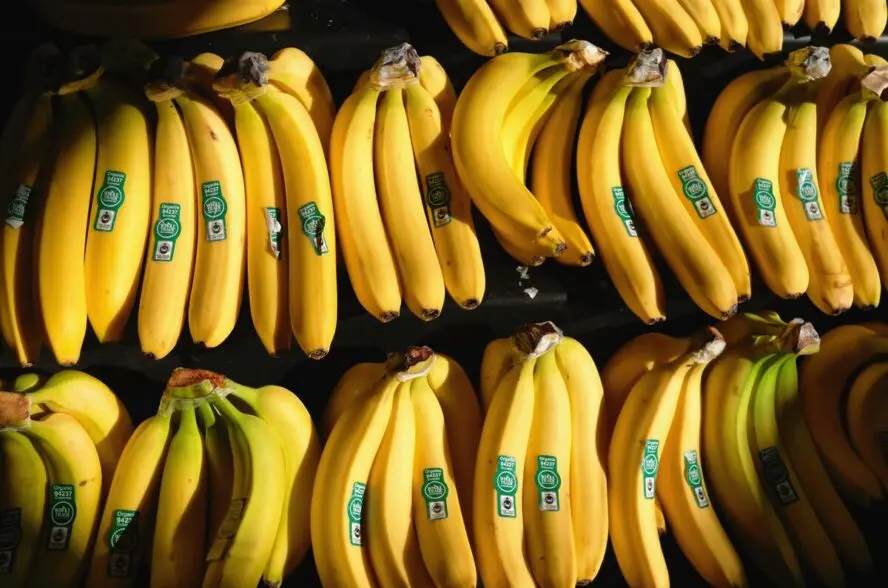
For consumers concerned about chemical pesticide exposure, conventional bananas enjoy a unique advantage: they are featured on the Environmental Working Group’s (EWG) "Clean Fifteen" list. Because bananas possess a thick, protective peel, internal pesticide transfer to the edible flesh is exceptionally low.
However, nutritionists point out that choosing organic or Fairtrade bananas goes beyond personal pesticide avoidance. Conventional large-scale banana farming frequently exposes agricultural workers to heavy chemical loads, risking skin, eye, and respiratory irritation. Fairtrade and organic certifications guarantee minimum pricing for farmers, protect worker rights, and fund vital community healthcare and housing initiatives.
The Bottom Line
Bananas have rightfully earned their place back in the spotlight. Nutrient-dense, highly portable, and remarkably versatile—whether sliced over morning yogurt, blended into a recovery smoothie, or baked into healthy treats—they offer profound benefits for heart health, digestion, and sleep architecture.
Whether you opt for green bananas to feed your microbiome or ripe bananas for a quick energy boost, moving beyond social media myths proves that the humble banana is a nutritional powerhouse well worth celebrating.
