

Main Facts
An extensive, multi-agency search operation in Michigan’s rugged Upper Peninsula concluded not through high-tech tracking or canine scent detection, but by sheer serendipity. Craig Berg, a 70-year-old recent retiree and father of two from Royal Oak, Michigan, was found alive on Saturday after spending 11 harrowing days lost in the remote backcountry of Isle Royale National Park.
Berg had embarked on what was supposed to be a scenic, multi-day solo backpacking trip, a stepping stone in his broader retirement ambitions to eventually tackle the legendary Appalachian Trail. However, a routine trek quickly devolved into a fight for survival after a misstep plunged him into a freezing marsh. The accident stripped him of his essential navigational and communication tools—including his phone and wallet—leaving him stranded more than a mile off established trails in one of the most isolated national parks in the United States.
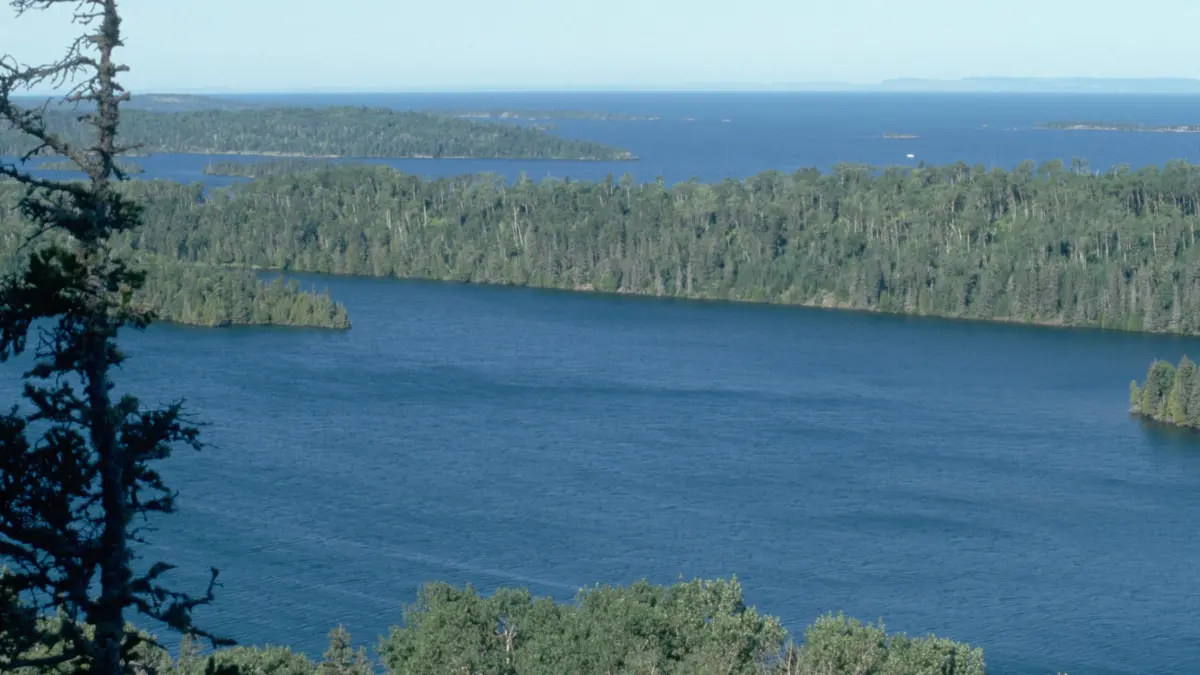
For nearly a week and a half, ground searchers, K-9 units, drones, watercraft, and aircraft scoured the island’s dense forests and rocky terrain without success. The operation finally broke open when two civilian kayakers—who also happened to be National Guard members from Saginaw and Metro Detroit—chanced upon Berg near Intermediate Lake.
Despite suffering from injuries and the early stages of hypothermia, Berg was alert and communicative when discovered. A United States Coast Guard MH-60 Jayhawk helicopter was swiftly dispatched to hoist the stranded hiker out of the dense canopy and transport him to a medical facility in Marquette, Michigan. Today, Berg is recovering well under professional medical care, leaving behind an ordeal that his family describes as nothing short of a miracle.
Chronology of Events
September 6: The Overdue Notice
Craig Berg was officially reported overdue to park authorities after failing to return from his planned solo itinerary within Isle Royale National Park. Situated in Lake Superior, Isle Royale is renowned for its remote wilderness, unpredictable weather, and lack of cellular connectivity, making timely reporting and response critically important. Upon receiving the alert from anxious family members, park officials immediately initiated emergency protocols, setting into motion an intensive backcountry search.
September 7 – September 11: The Multi-Agency Sweep
For the next several days, a massive search and rescue (SAR) apparatus descended upon the island. Officials deployed a formidable array of resources:
- Ground Teams: Human searchers combed through thick brush, boulder fields, and dense boreal forests.
- Canine Units: Specially trained search dogs attempted to pick up Berg’s scent along common trailheads and interior paths.
- Air and Water Support: Drones, fixed-wing aircraft, and marine vessels patrolled the perimeter and interior waterways of the island.
Despite the tireless efforts of public and private teams, by September 11, search coordinators were still empty-handed. Hopes began to wane as sub-optimal weather conditions and the sheer vastness of the island compounded the difficulties of the search.
September 12: The Turning Point
The trajectory of the search shifted dramatically on Saturday, September 12. Two kayakers paddling through the backcountry near Intermediate Lake—deep in the interior of the park and well off any designated hiking trails—spotted a disheveled figure. Recognizing the signs of a stranded hiker, the two paddlers approached Berg and quickly realized he was the missing man federal and state agencies had been searching for.
The kayakers immediately established communication, assessed his physical condition, and relayed precise coordinates to rescue authorities.
The Coast Guard Extraction and Family Reunion
Upon receiving the coordinates from the kayakers, the U.S. Coast Guard deployed an MH-60 Jayhawk helicopter crew. Navigating the remote airspace over Lake Superior, the rescue crew located the exact spot near Intermediate Lake. Utilizing a rescue hoist, personnel lifted Berg safely into the aircraft, providing immediate stabilization before flying him to the mainland for comprehensive medical evaluation in Marquette.
When the news reached home, the emotional release was palpable. Evan Berg, the hiker’s son, described the moment he learned his father had survived to local news affiliates.
"I yelled at the top of my lungs, ‘He’s alive!’" Evan recounted. "[When I spoke to him], he was definitely shaken up; he was rattled. But he said, ‘Man, I have enough stories for you to fill a book.’"
Adding a touch of humor to an otherwise harrowing tale, Berg’s wife, Debbie, posted a message on Facebook expressing profound gratitude to the men who found her husband.
"To the two gentlemen kayakers, who were National Guard from Saginaw and Metro D, who found him, my husband would like to buy you a beer," she wrote. "Say when."
Supporting Data and Context
- The Subject: Craig Berg, 70, of Royal Oak, Michigan. A recent retiree and father of two with aspirations of hiking the Appalachian Trail.
- Duration Missing: 11 days (reported missing September 6, found September 12).
- Location: Isle Royale National Park, Michigan, specifically near Intermediate Lake, more than a mile off established trails.
- The Catalyst for the Ordeal: Berg fell into a marsh, which resulted in the loss of his wallet, phone, and direct means of calling for help.
- Physical Condition Upon Discovery: Alert, but suffering from injuries and hypothermia due to extended exposure in the wilderness.
- Rescue Assets Deployed: National Park Service personnel, Michigan State Police, U.S. Coast Guard (MH-60 Jayhawk helicopter), civilian volunteers, K-9 units, drones, ground searchers, and marine watercraft.
Official Responses
The National Park Service, along with assisting public and private agencies, played a critical role in orchestrating the large-scale operation. While local representatives for the Park Service and Michigan State Police were unavailable for immediate comment following the conclusion of the rescue, the agency released an official statement highlighting the collaborative nature of the effort.
"The successful outcome reflects the combined efforts of search teams, partner agencies, and members of the public who assisted throughout the operation," the National Park Service stated.
The integration of civilian outdoor recreationists—in this case, the two kayakers—into the final phase of the rescue underscores a common reality in remote wilderness operations: the eyes and ears of the recreating public are frequently the most effective asset available.
Implications and Lessons for Backcountry Travelers
The miraculous recovery of Craig Berg offers critical takeaways for hikers, backpackers, and outdoor enthusiasts venturing into remote American wilderness areas like Isle Royale.
1. The Vulnerability of Solo Travel
While solo hiking offers profound solitude and a deep connection with nature, it inherently eliminates the redundancy of a partner. If a solo hiker becomes incapacitated, loses their gear, or falls into a hazardous environment like a marsh, there is no immediate companion to administer first aid, share resources, or hike out for help.
2. The Danger of Single Points of Failure
Berg’s ordeal began when a fall into a marsh cost him his phone and wallet. Relying on electronic devices for navigation and communication in the backcountry can be a trap if those devices are lost, broken, or rendered useless by dead batteries and lack of cellular service. Experts continue to stress the importance of redundant systems:
- Physical Maps and Compasses: Always carry paper topographic maps and know how to read them.
- Waterproof Storage: Store critical electronics, identification, and matches in waterproof, buoyant containers attached securely to your person, rather than loose in pockets or easily dropped packs.
- Signaling Devices: Beyond mobile phones, carrying a dedicated Personal Locator Beacon (PLB) or a satellite messenger (such as an inReach device) can mean the difference between hours and weeks of waiting for rescue.
3. The Power of Public Vigilance
This incident highlights the vital role that civilian recreationists play in wilderness safety. The National Guard members who happened to be kayaking near Intermediate Lake were not formally assigned to the search grid, yet their presence in the backcountry ultimately saved a life. For outdoor enthusiasts, maintaining situational awareness, keeping an eye out for distressed travelers, and knowing how to quickly relay GPS coordinates to authorities can transform a routine trip into a life-saving intervention.
As Craig Berg continues his recovery in Marquette, surrounded by his wife, children, and a rapidly growing collection of survival stories, the outdoor community is reminded both of the unforgiving nature of the wilderness and the extraordinary resilience of the human spirit.
