Introduction: The Transformative Power of Light in Visual Storytelling
In the realm of professional photography, technical gear, compositional rules, and post-processing prowess ultimately play second fiddle to the single most critical element of image-making: light. Light is not merely the physical medium that exposes a digital sensor or film strip; it is the emotional heartbeat, the sculptor of form, and the ultimate determinant of whether an image is merely a documentary record or a breathtaking work of art.
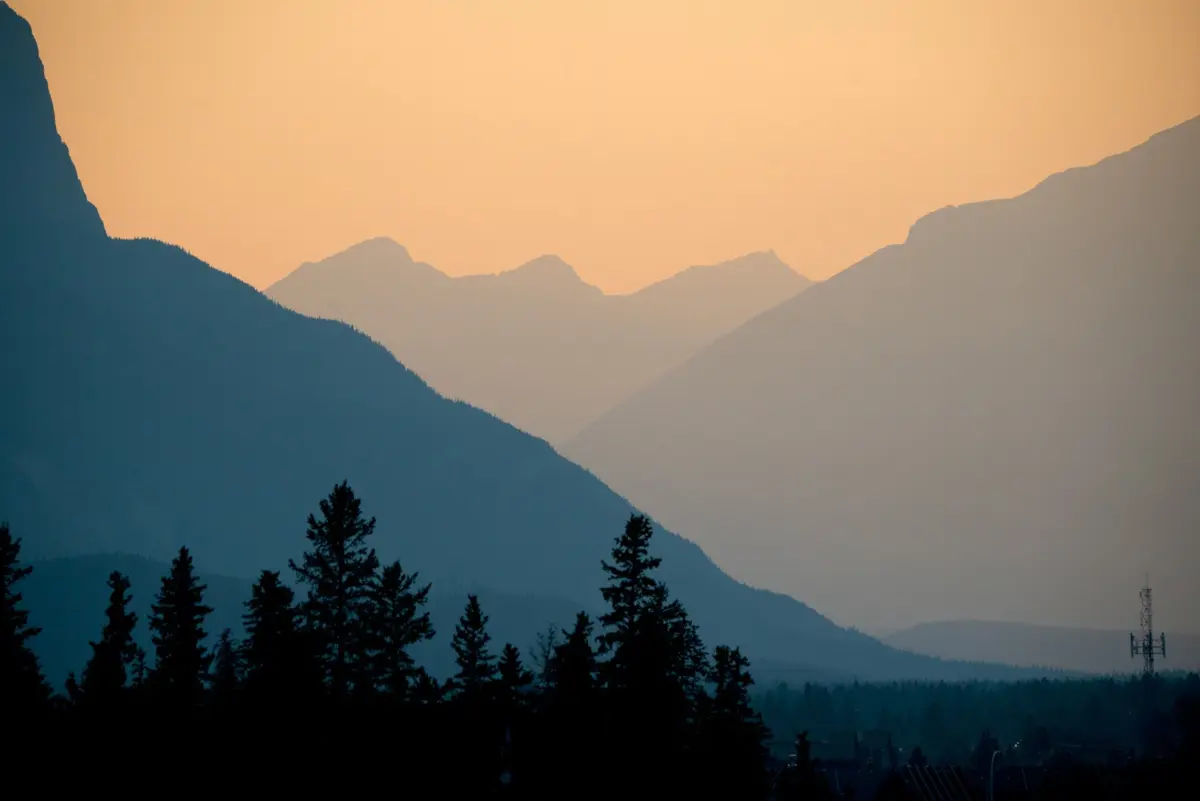
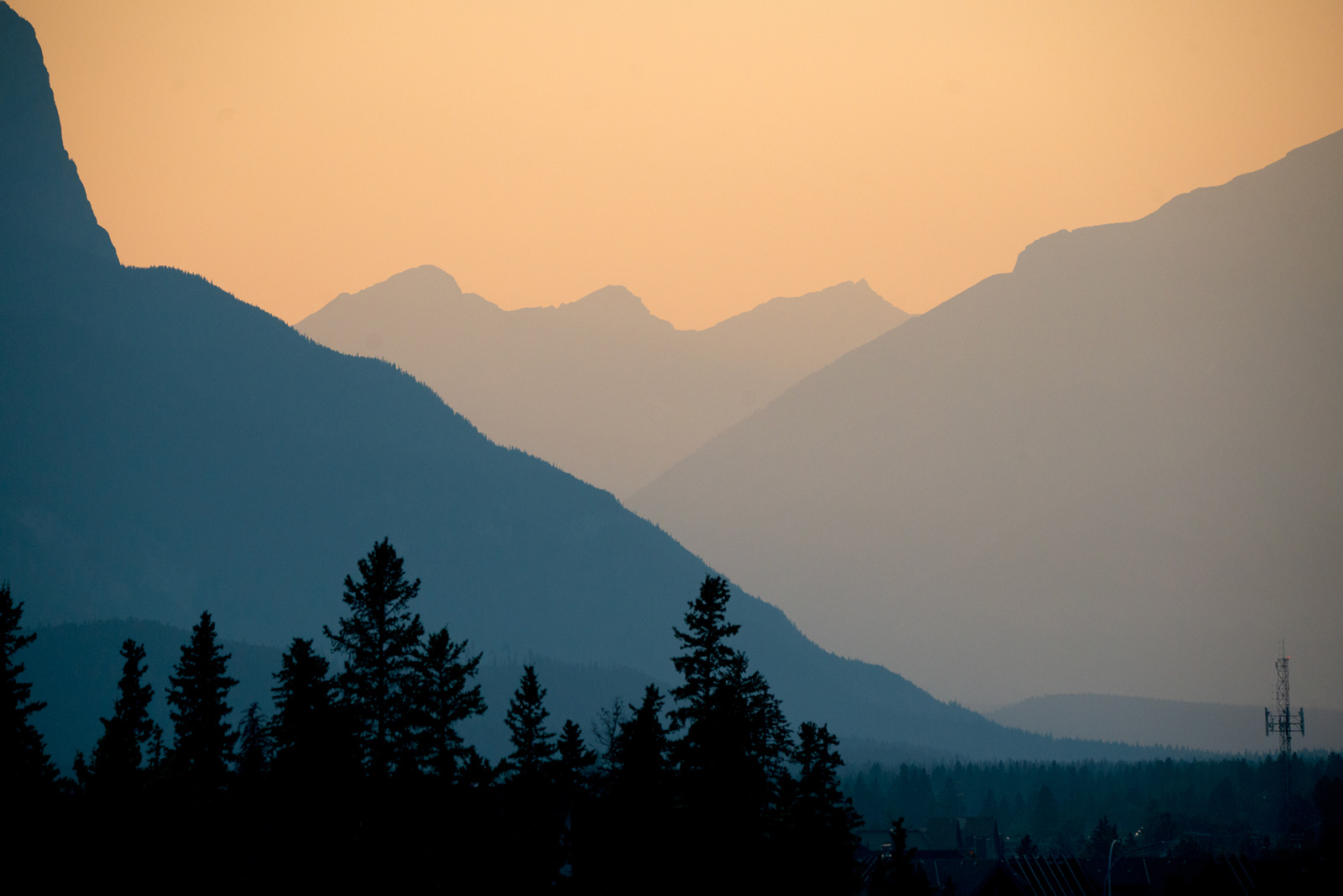
Whether capturing the warm, golden hues of a breaking dawn, the deep, mysterious shadows woven through an ancient forest canopy, or the ethereal rim-light of wildlife silhouetted against a setting sun, understanding and manipulating light transforms everyday scenes into captivating visual narratives. For nature photographers, whose subjects rarely cooperate and whose studio is the unpredictable great outdoors, mastering light is an ongoing, lifelong discipline.
This comprehensive guide explores the multifaceted nature of illumination across four distinct photographic environments: wildlife, landscapes, the underwater world, and macro photography. By dissecting how light behaves, how to anticipate its shifts, and how to harness it intentionally, photographers can elevate their portfolios to professional standards.
Main Facts: The Core Principles of Photographic Illumination
At its foundational level, photography—from the Greek phōs (light) and graphē (drawing)—is entirely dependent on capturing electromagnetic radiation in the visible spectrum. To master this medium, photographers must analyze light through four primary characteristics: quality, direction, color temperature, and intensity.
1. Quality (Hard vs. Soft Light)
Hard Light: Characterized by harsh, defined shadows with sharp edges. Produced by small, distant, or direct light sources (such as a midday sun on a cloudless day or an unmodifier flash). Hard light emphasizes texture, contrast, and stark geometric forms, but it can easily blow out highlights and plunge shadows into pure black.
Soft Light: Characterized by gentle, gradual transitions between highlights and shadows. Produced by large, diffused light sources (such as overcast skies, morning mist, or light bouncing off a canyon wall). Soft light is forgiving on skin tones and natural subjects, wrapping around forms to reveal subtle gradations of tone.
2. Direction
The angle from which light strikes a subject dictates its three-dimensional dimensionality:
Front Lighting: The light source is behind the camera. It minimizes shadows, creating a flat appearance, but reveals true colors.
Side Lighting: The light source is at a 90-degree angle to the subject. It creates deep shadows and stark highlights, maximizing texture and drama.
Back Lighting (Rim Lighting): The light source is behind the subject. It creates striking silhouettes or glowing halos (rim light) around translucent fur, feathers, and foliage.
Top Lighting: Common at high noon, casting heavy shadows under the brow, nose, and chin of subjects, generally avoided by portrait and wildlife photographers.
3. Color Temperature
Measured in Kelvin (K), color temperature dictates the mood of an image. Warm light (lower Kelvin values, around 2,000K to 4,000K) introduces golden, amber, and reddish tones associated with sunrise and sunset. Cool light (higher Kelvin values, above 6,000K) introduces blue tones typical of open shade, twilight, or overcast days.
Chronology: The Evolution of Natural Light Understanding
The pursuit of capturing natural light has evolved alongside the history of photographic technology itself.
The Mid-19th Century (The Dawn of Natural Light): Early pioneers like Louis Daguerre and William Henry Fox Talbot were entirely bound to natural, ambient light due to the agonizingly slow speeds of early photographic plates. Exposures took minutes, requiring bright, direct sunlight and stationary subjects (hence the rigid poses of early portrait sitters).
Late 19th to Mid-20th Century (The Advent of Artificial Control): The invention of flash powder, followed by vacuum flashbulbs and electronic strobes, liberated photographers from the tyranny of the sun. Studio and wildlife photographers began mixing artificial illumination with ambient light. However, early gear was bulky and impractical for remote nature work.
The Digital Revolution (Late 1990s to 2010s): The shift from film to digital sensors dramatically changed how photographers interacted with low-light environments. High ISO capabilities meant photographers could shoot in the deep twilight or dense forest shadows without grainy penalties, encouraging a renaissance in creative natural lighting techniques.
The Modern Era (Present Day): Today, high-dynamic-range (HDR) algorithms, advanced mirrorless autofocus systems sensitive to -EV levels, and portable, weather-sealed off-camera lighting setups allow nature photographers to sculpt light in the most remote corners of the globe, blending atmospheric ambient light with subtle artificial fill.
Supporting Data: The Physics and Impact of Environmental Light
Understanding how light interacts with Earth’s atmosphere and different physical mediums is essential for predicting photographic success.
The Inverse Square Law: For artificial or localized light sources (crucial in macro and underwater photography), the intensity of light is inversely proportional to the square of the distance from the source. If you double the distance between your flash and a macro subject, the light reaching the subject drops to one-quarter of its original intensity.
Atmospheric Scattering (Rayleigh Scattering): As sunlight passes through a thicker layer of the atmosphere during sunrise and sunset, shorter wavelengths (blue and violet) are scattered away, leaving longer wavelengths (reds, oranges, and yellows) to dominate the scene. This scientific phenomenon accounts for the prized "golden hour."
Water Attenuation: In underwater photography, water acts as a massive optical filter. Red light is absorbed within the first 5 meters of depth, followed by orange, yellow, and green. By a depth of 20 meters, human skin and colorful marine life appear monochromatic blue-gray unless artificial strobe lighting or red filters are utilized.
Specialized Environments: Mastering Light Across Disciplines
Lighting in Wildlife Photography
Creating images of wildlife that truly stand out requires anticipating animal behavior alongside solar positioning. Backlighting can transform a standard mammal portrait into an ethereal masterpiece by illuminating the fine hairs of a wolf’s coat or the delicate barbs of a bird’s feathers.
The Golden Hour Advantage: Photographing during the first and last hours of sunlight reduces harsh contrast and bathes fauna in warm, directional light.
Working in Open Shade: When the midday sun is unavoidable, seeking out open shade (such as beneath a dense tree canopy) provides even, shadowless illumination that preserves true fur tones and eye clarity (catchlights).
Lighting in Landscape Photography
Landscape photography transcends basic exposure control; it is an exercise in resourcefulness. Master landscape photographers do not simply wait for a pretty sunset; they study weather patterns, cloud cover, and topographic orientation to predict how light will interact with the terrain.
Chasing Dynamic Weather: Overcast days offer diffuse, low-contrast light ideal for intimate forest scenes and cascading waterfalls. Conversely, fast-moving storm fronts break up the sun’s rays, creating dramatic shafts of light (crepuscular rays) and patchy highlights on mountain peaks.
The Blue Hour: The period just before sunrise and right after sunset provides a deep, moody blue ambiance that pairs exceptionally well with long exposures of water and cityscapes integrated into wilderness environments.
Lighting in Underwater Photography
Underwater photography presents some of the most formidable lighting challenges in the industry. Because water absorbs and scatters light exponentially faster than air, finding, creating, and modifying light beneath the waves separates amateur snapshots from professional marine portfolios.
Ambient vs. Strobe Light: On shallow reefs, ambient sunlight can produce stunning sunbursts and natural silhouettes with ocean giants like manta rays and whale sharks. However, as divers descend into deeper waters or engage in blackwater night diving, dual external strobes become non-negotiable tools to restore lost color spectra and freeze fast-moving macro subjects.
Backscatter Prevention: Positioning strobes outward and away from the camera lens axis prevents the illumination of floating particulate matter (backscatter), ensuring clean, crisp frames.
Lighting for Macro Photography
In the miniature world of macro photography—whether documenting intricate insect anatomy, amphibian skin textures, or the spiraling geometry of a fern frond—light is magnified in its importance due to the extreme physical limitations of working at high reproduction ratios.
Diffusion is Key: Because macro lenses are placed inches away from subjects, direct flash creates blinding specular highlights and harsh drop-off shadows. Utilizing mini softboxes, ring lights, or DIY diffusers transforms harsh point sources into flattering, wrap-around illumination.
Painting with Light: Utilizing small, continuous LED panels or handheld torches allows macro photographers to selectively highlight specific focal points within a mossy undergrowth, creating a dramatic, painterly aesthetic.
Official Responses and Industry Perspectives
Leading nature photographers and industry institutions emphasize that technological advancements should complement, rather than replace, an organic understanding of light.
Dr. Eleanor Vance, Senior Lecturer in Photographic Sciences at the International Institute of Visual Arts, notes:
"While modern camera sensors can pull astonishing detail out of deep shadows, reliance on post-processing recovery often degrades image integrity. The most successful photographers are those who treat light as a physical material—something to be blocked, redirected, diffused, or embraced at the moment of exposure."
Renowned Wildlife and Conservation Photographer Marcus Thorne adds:
"You can own the most expensive weather-sealed body and an ultra-fast telephoto lens, but if you don’t understand how light falls across your subject’s eye, your image will lack life. Catchlights—the reflection of the light source in an animal’s eye—are the literal spark that connects the viewer to the subject."
Implications: The Future of Light Management in Digital Imaging
As photographic technology continues to advance, the implications for how we capture and manipulate light are profound. Computational photography, real-time AI-driven exposure balancing, and high-dynamic-range sensors are shifting the boundaries of what is possible in extreme lighting conditions.
However, these technological crutches make foundational knowledge more vital than ever. Photographers who rely solely on software corrections often produce images that feel flat, artificial, and devoid of genuine atmosphere. Conversely, those who deeply understand the physics of natural illumination—how light bends through mist, reflects off ocean surfaces, or cuts through a dense forest—retain a distinct artistic edge.
Ultimately, mastering light is not a technical checklist to be memorized, but a visual language to be spoken fluently. By respecting its variables and actively planning around its shifts, nature photographers can consistently produce imagery that commands attention, evokes emotion, and stands the test of time.