

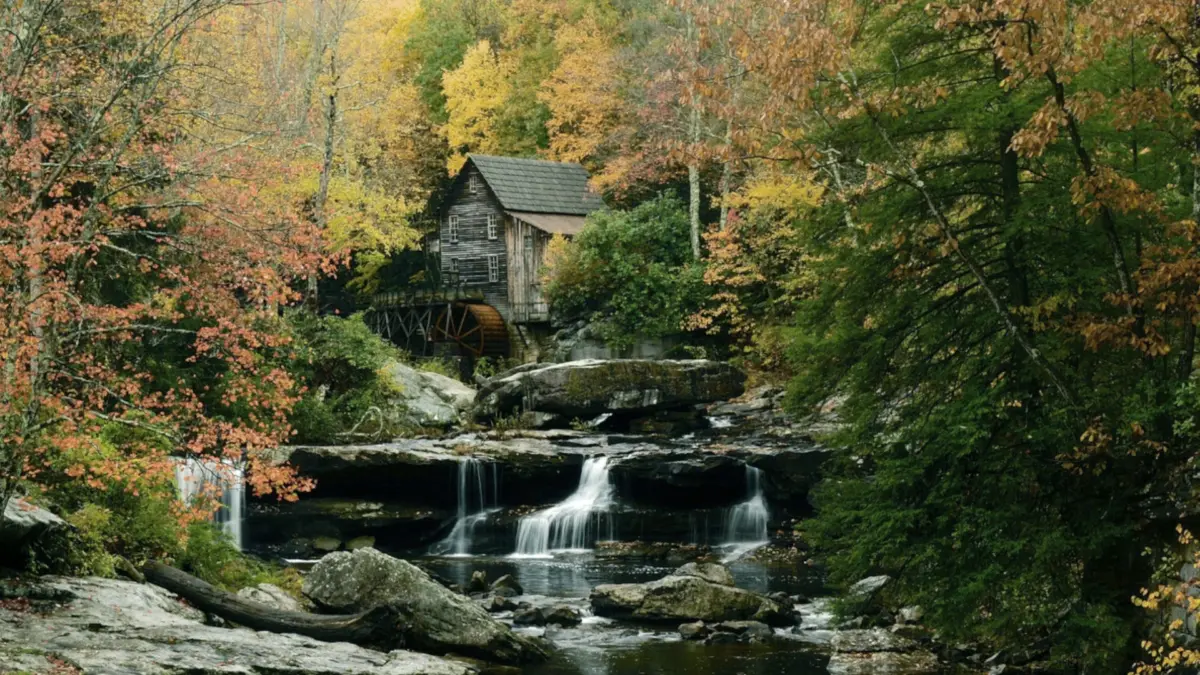
CHARLESTON, W.Va. — Nestled within the rugged folds of the Appalachian Mountains, West Virginia holds a distinct geographic superlative: it is the nation’s only entirely mountainous state. If one were to flatten its countless rolling ridges, towering peaks, and deep-cut hollows, the resulting surface area would sprawl across a territory larger than the state of Texas.
Beneath this towering topography lies another hidden treasure. Thanks to heavy annual precipitation and complex elevation changes, the Mountain State boasts one of the highest densities of freshwater streams and creeks in the United States. For generations, these waterways have carved through ancient sedimentary rock, creating thousands of waterfalls tucked away in forested gorges.
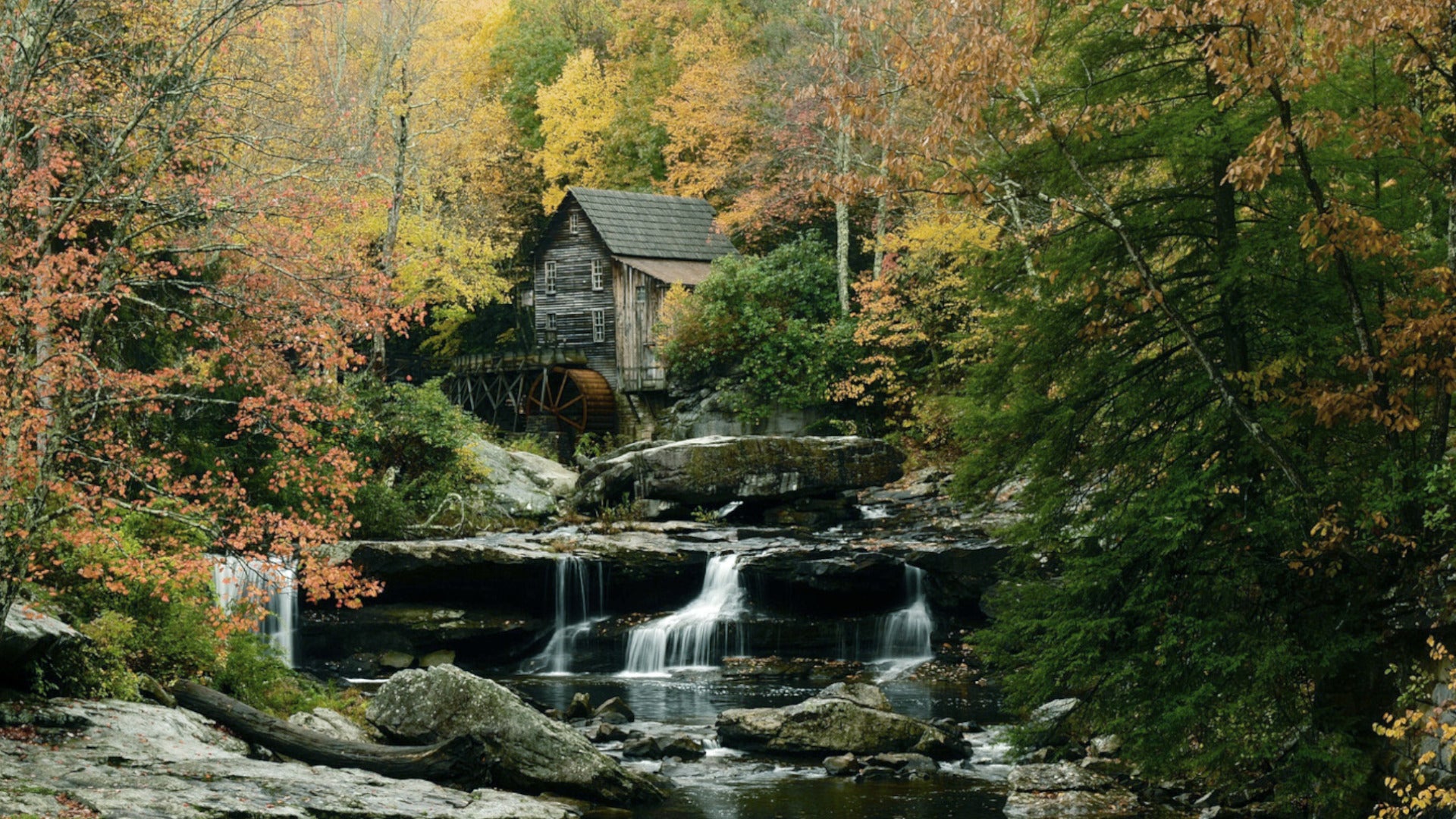
Now, a sweeping statewide tourism initiative is bringing these aquatic wonders out of the backcountry and into the spotlight. A flagship statewide waterfall trail has transformed West Virginia into one of the country’s premier destinations for outdoor recreation and waterfall hiking.
Main Facts: The Anatomy of the West Virginia Waterfall Trail
Launched initially in 2022 through a collaborative effort between the West Virginia Department of Tourism, conservation nonprofits, regional communities, and state and national land management agencies, the initiative was designed to capitalize on the state’s natural abundance.
Rather than leaving travelers to fend for themselves with outdated trail maps or unreliable cell service, the state poured resources into upgrading its outdoor infrastructure. Over the past several years, crews have built and improved parking lots, constructed stable footpaths and staircases, installed informative kiosks, and cleared viewing platforms overlooking the most dramatic drops.
The result is a curated, 43-destination flagship route. To unify the experience, the state launched a dedicated digital "aquatic passport." Travelers can access downloadable maps, track their visits to earn prizes, and receive carefully curated recommendations for local dining, craft breweries, and historic lodging in the gateway towns nearby. While a select few cascades sit mere feet from asphalt pull-offs, the majority require a trek through protected public lands, including the sprawling Monongahela National Forest and the breathtaking New River Gorge National Park and Preserve.
Chronology: From Hidden Gems to a Flagship Recreation Network
- Pre-2022: West Virginia’s waterfalls were largely word-of-mouth phenomena. While iconic sites like Blackwater Falls drew tourists for decades, dozens of equally stunning cascades remained unmarked, accessible only to dedicated locals, whitewater paddlers, and backcountry hikers.
- 2022: Recognizing a massive economic and recreational opportunity, the West Virginia Department of Tourism forged partnerships with conservationists and federal agencies to inventory the state’s best cascades. The initial concept for a unified waterfall trail was born.
- 2023–2025: A massive infrastructure push kicked off across public lands. Trail crews rehabilitated crumbling paths, built durable boardwalks over fragile riparian zones, and added safety barriers at high-consequence drop-offs. Digital tools, including the interactive passport website, were rolled out to the public.
- 2026: The trail network solidified its reputation as a premier national outdoor recreation destination, drawing tens of thousands of hikers, photographers, and nature enthusiasts seeking out the state’s 43 anchor waterfalls, as well as backcountry extensions for multi-day adventurers.
Supporting Data: By the Numbers
- 1: West Virginia is the only state in the U.S. entirely within the Appalachian Mountain chain.
- 43: The core number of distinct, curated destinations featured along the flagship Waterfall Trail network.
- 1,500 feet: The staggering width of Sandstone Falls, the geological behemoth that bisects the entire New River.
- 65 feet: The vertical plunge of the Lower Falls of Hills Creek, making it the tallest recorded drop along the Hills Creek trail system.
- 70,000 acres: The immense size of the New River Gorge National Park and Preserve, which harbors numerous trail network highlights.
- 400+: The number of stairs descending into the steep, boulder-strewn gorge along the Falls of Hills Creek Trail.
Official Responses and Conservation Perspectives
State tourism officials have emphasized that the trail network was built with a dual purpose: driving economic development in rural Appalachian communities while rigorously protecting the natural ecosystems that make the region so unique.
"West Virginia’s landscape is our greatest asset," said a representative from the West Virginia Department of Tourism during the project’s expansion phases. "By pairing world-class outdoor infrastructure with responsible tourism stewardship, we are inviting visitors to experience the wild and wonderful nature of our state while ensuring these fragile environments are protected for generations to come."
Conservation groups and federal agencies, including the National Park Service and the U.S. Forest Service, have worked hand-in-hand with tourism planners. Because many of the trail sites sit within sensitive montane riparian zones—home to rare bird species and delicate flora—investments in boardwalks and defined pathways were prioritized to prevent trail erosion and combat habitat fragmentation.
The Crown Jewels: Exploring the Route’s Most Iconic Stops
While all 43 stops on the passport offer distinct charms, a handful of routes stand out for their dramatic geology, rich biodiversity, and accessibility.
1. Sandstone Falls Boardwalk and Island Loop Trail
- Location: New River Gorge National Park and Preserve
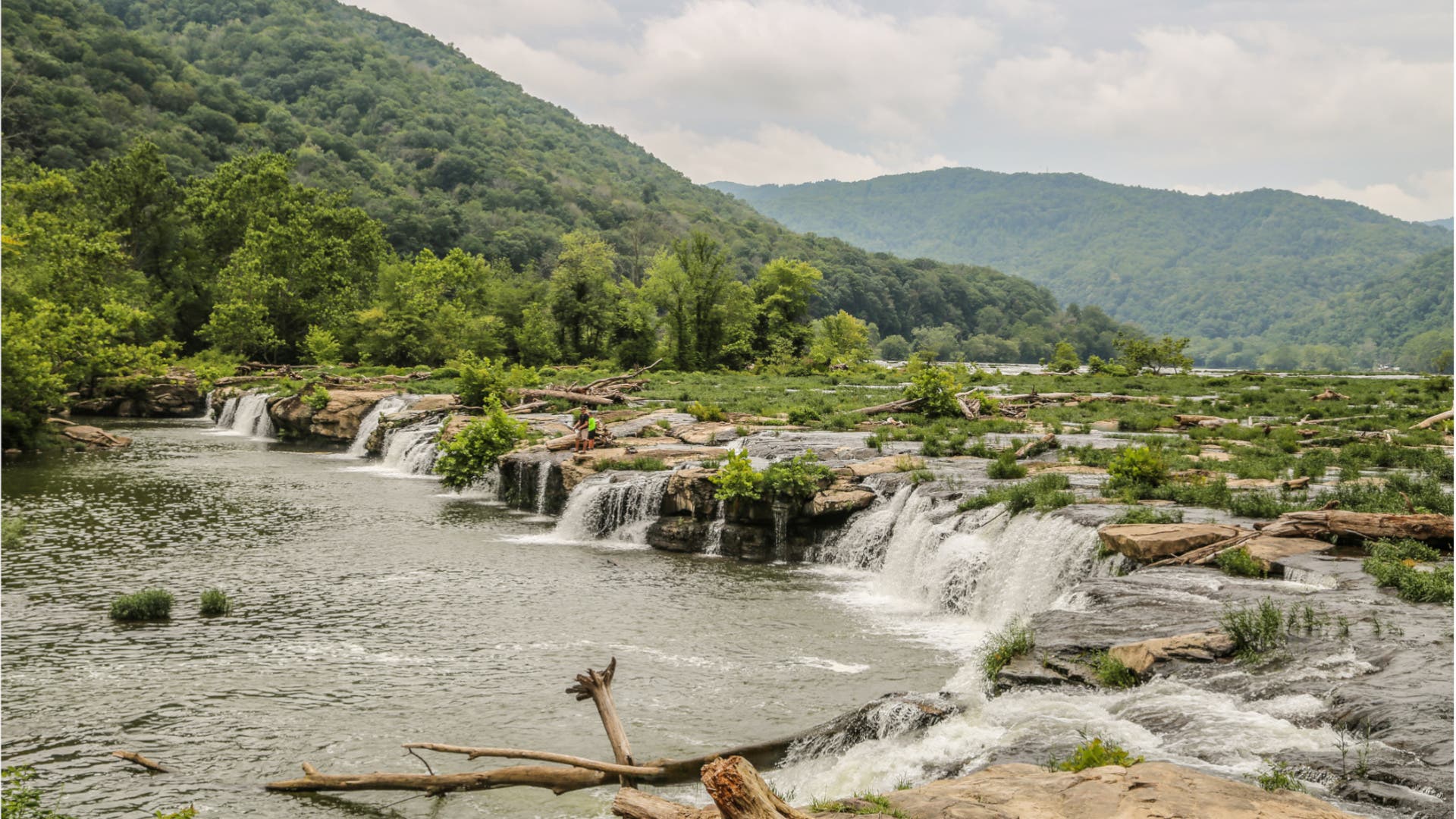
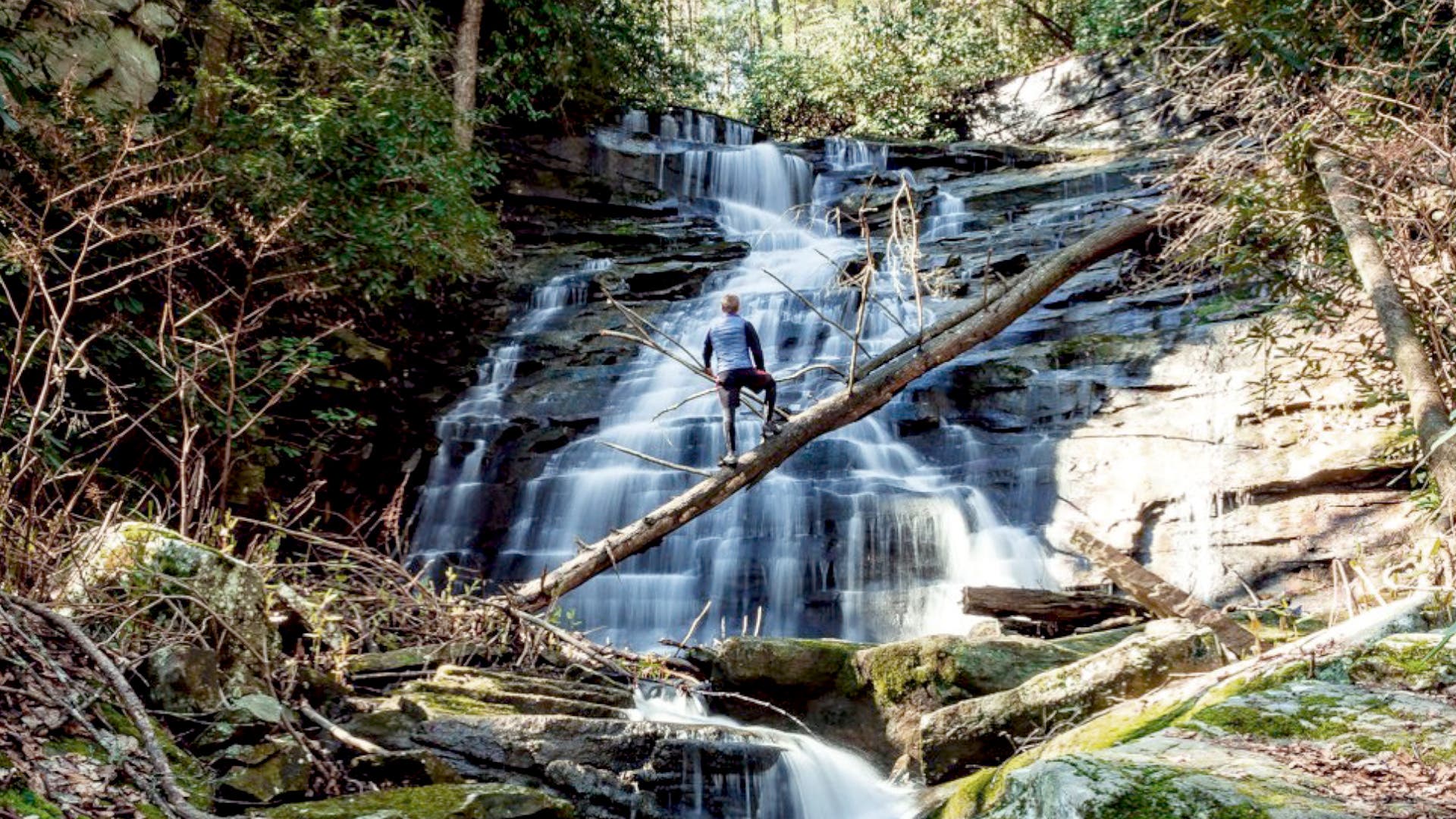
- The Experience: Spanning an incredible 1,500 feet across the New River, Sandstone Falls is a powerhouse of water and stone. While paddlers revere the churning rapids, hikers can explore a pair of large, wooded islands linked by sturdy boardwalks and bridges. A short, 0.5- to 1-mile loop leads to gravel bars and viewing platforms facing shelfy drops ranging from 10 to 25 feet high.
- Wildlife Note: The riparian ecosystem is a haven for birdwatchers, attracting northern parulas, golden-crowned kinglets, and the endangered cerulean warbler.
2. Falls of Hills Creek Trail
- Location: Monongahela National Forest
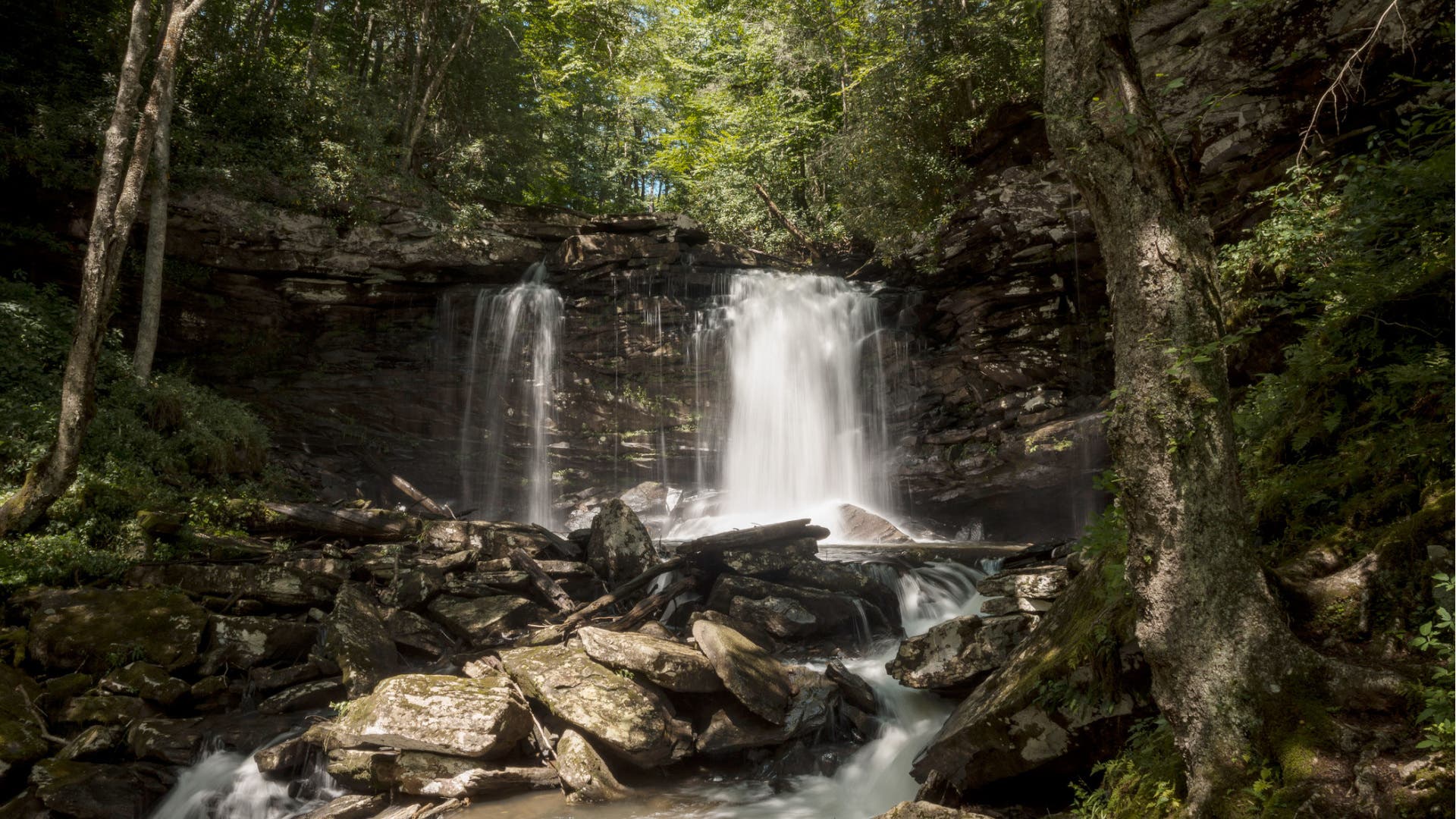
- The Experience: Home to the state’s tallest measurable plunge, this 1.4-mile out-and-back trail descends 297 vertical feet through a steep, narrow gorge flanked by 4,000-foot peaks. Trekkers navigate over 400 wooden stairs and boardwalks winding through mossy hemlocks and rhododendron thickets. The trail reveals three cascading marvels—the Upper, Middle, and Lower Falls—culminating in the dramatic 65-foot Lower Falls, which plunges into a bowled pool.
3. Blackwater Falls Trail
- Location: Blackwater Falls State Park (Davis, W.V.)
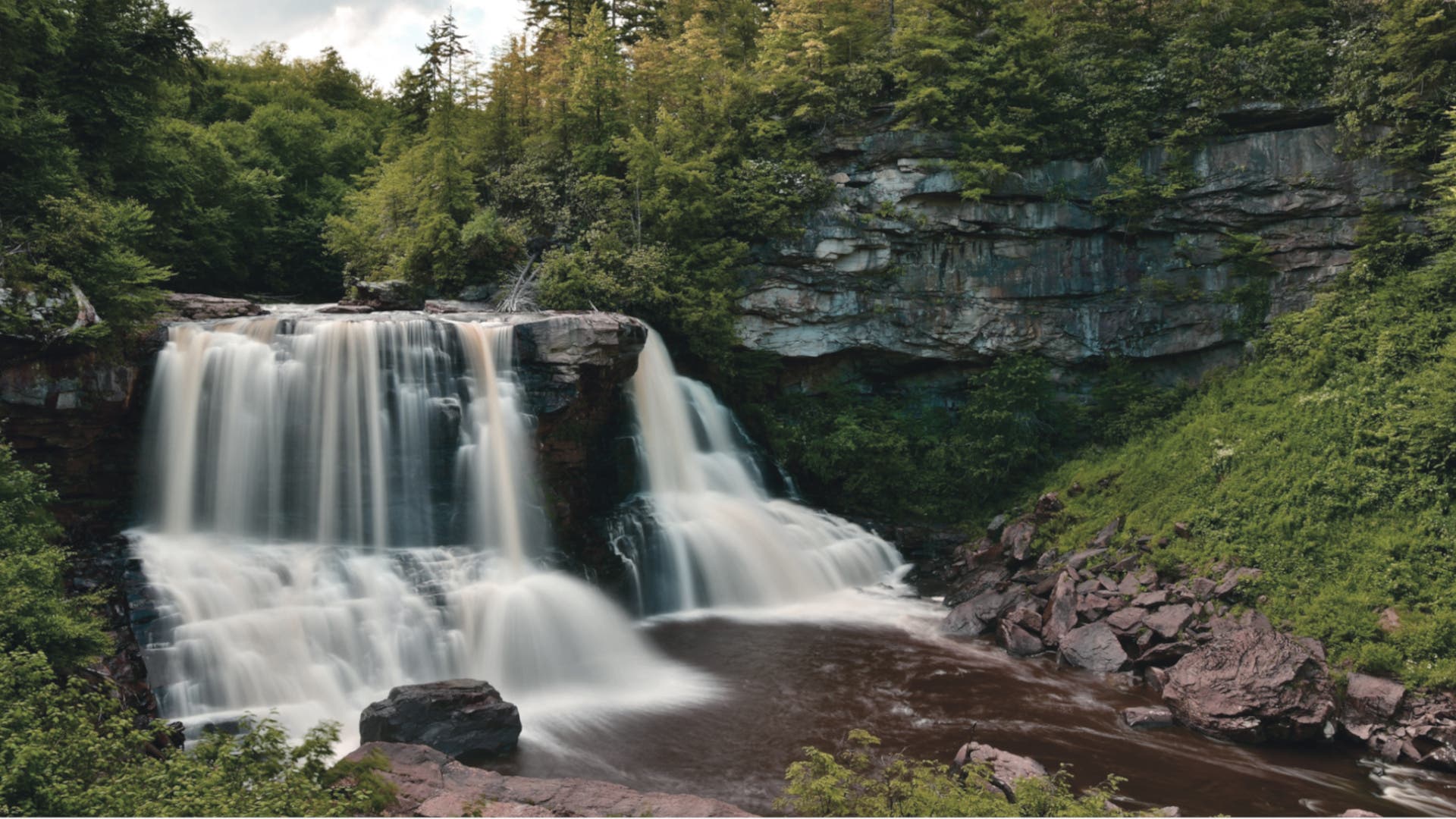
- The Experience: Centering an iconic state park near the mountain town of Davis, Blackwater Falls drops 60 feet over a striking sandstone precipice stained amber by tannic acid from fallen hemlock and red spruce needles. A short 0.4-mile boardwalk leads to a base-level deck, while a second scenic overlook provides sweeping views from 200 feet above the gorge. Adventurers can link up with the Yellow Birch Trail to hike through rare Southern Appalachian spruce-fir forests.
4. Butcher Branch Falls
- Location: New River Gorge National Park & Preserve (Fayetteville, W.V.)
- The Experience: Tucked just outside the adventure hub of Fayetteville, this 0.8-mile trail weaves across a forested ridge overlooking the gorge 1,000 feet below. The path loops around a towering 120-foot sandstone monolith before entering a fairytale-like tunnel of rhododendrons where a 45-foot cascade tumbles down fluted rock slabs.
5. Cathedral Falls Trail
- Location: U.S. Route 60 Corridor
- The Experience: Though requiring just a fleeting 0.1-mile walk from a designated roadside parking lot along scenic U.S. 60, Cathedral Falls is an unmissable stop. The trail heads into a rocky, amphitheater-like hollow framed by layered shale and sandstone walls dripping with moss, ferns, and delicate spring wildflowers.
6. Going Further: Seneca Creek Falls
- Location: Spruce Knob-Seneca Rocks National Recreation Area
- The Experience: For seasoned backpackers looking to push past the front-country highlights, the trek to Seneca Creek Falls near the base of Spruce Knob (West Virginia’s highest peak) offers a true wilderness test. Accessible via a demanding 10-mile day hike or integrated into a sprawling 17.3-mile multi-day backcountry ramble, it represents the rugged frontier of the state’s trail network.
Implications: Economic Vitality and Sustainable Outdoor Recreation
The rollout of the West Virginia Waterfall Trail carries profound implications for the state’s socio-economic landscape. Historically reliant on extractive industries like coal mining and timber, many Appalachian communities surrounding the Monongahela National Forest and the New River Gorge have successfully pivoted toward an outdoor recreation economy.
Increased foot traffic translates directly to sustained revenue for local mom-and-pop outfitters, cafes, bed-and-breakfasts, and craft breweries in gateway towns like Davis, Hinton, and Fayetteville. At the same time, the collaborative planning model demonstrates that tourism growth can coexist with rigorous environmental protection. By channeling hikers onto hardened paths and boardwalks, the state protects fragile root systems and prevents soil compaction, ensuring that the wild, untamed beauty of the Mountain State remains pristine for generations of travelers yet to come.
