

By the Global Gemological and Metaphysical Desk
Published: October/November Cycle
Main Facts: The Illusion of "Blue Rose Quartz"
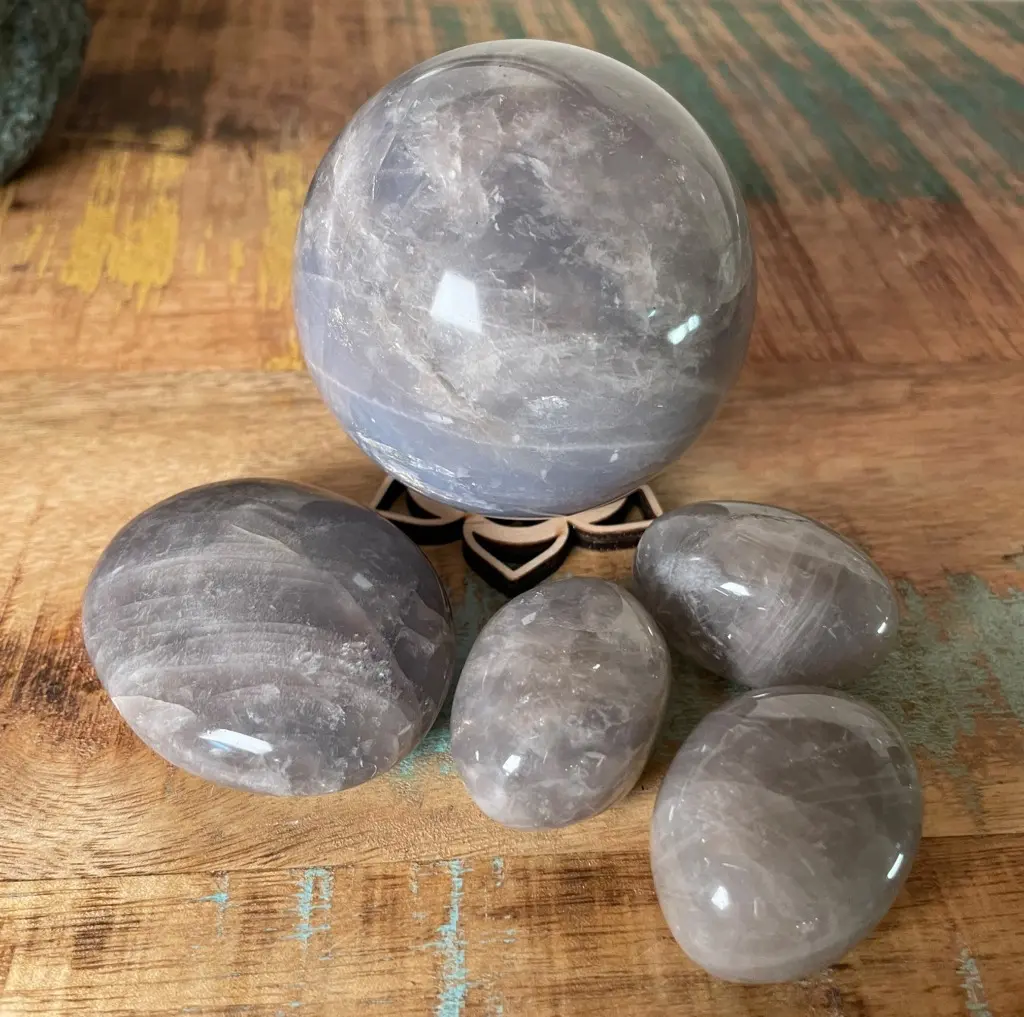
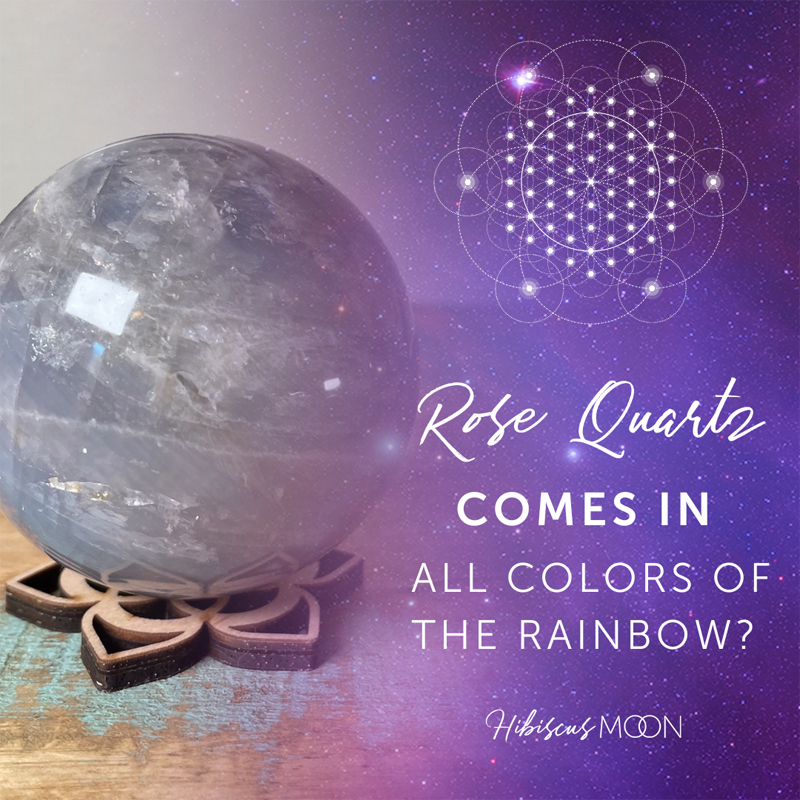
In the ever-expanding global crystal and mineral marketplace, a troubling trend has taken root. Across digital storefronts, social media marketplaces, and independent crystal boutiques, a new variety of mineral has captured the attention of buyers: "Blue Rose Quartz." Marketed aggressively as a rare, highly sought-after variant hailing primarily from Madagascar, this stone commands premium prices.
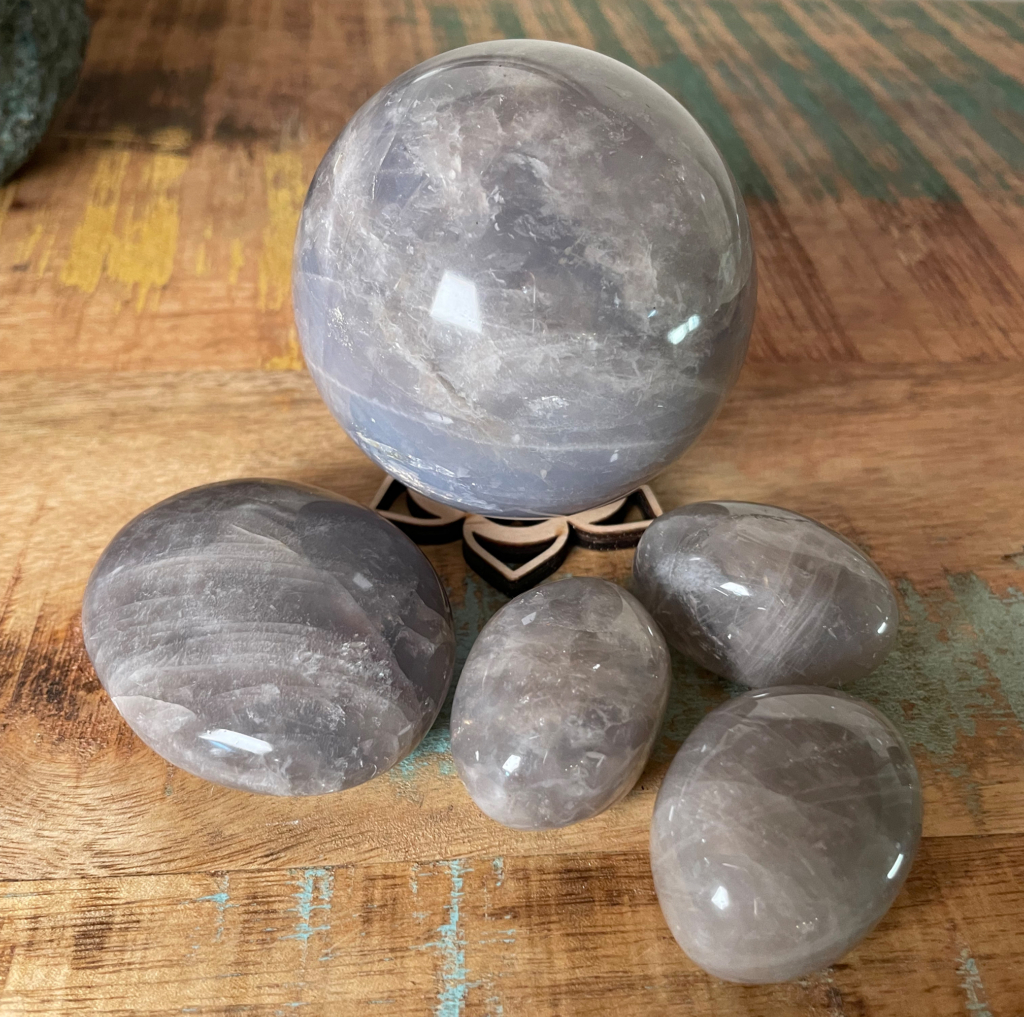
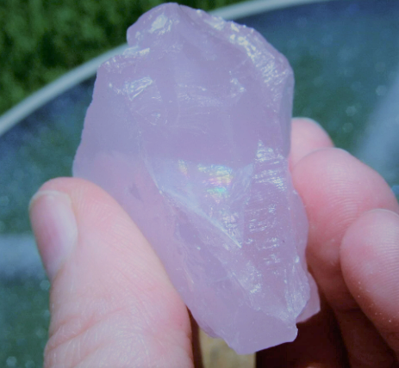
However, according to geological experts, veteran crystal educators, and mineralogists, "Blue Rose Quartz" is fundamentally a misnomer. By strict mineralogical definition, true rose quartz owes its iconic pink hue to microscopic, nanofibrous inclusions closely related to the mineral dumortierite. When a quartz specimen lacks this pink coloration—displaying instead a blue, lavender, or lilac tint—it falls outside the scientific classification of rose quartz.
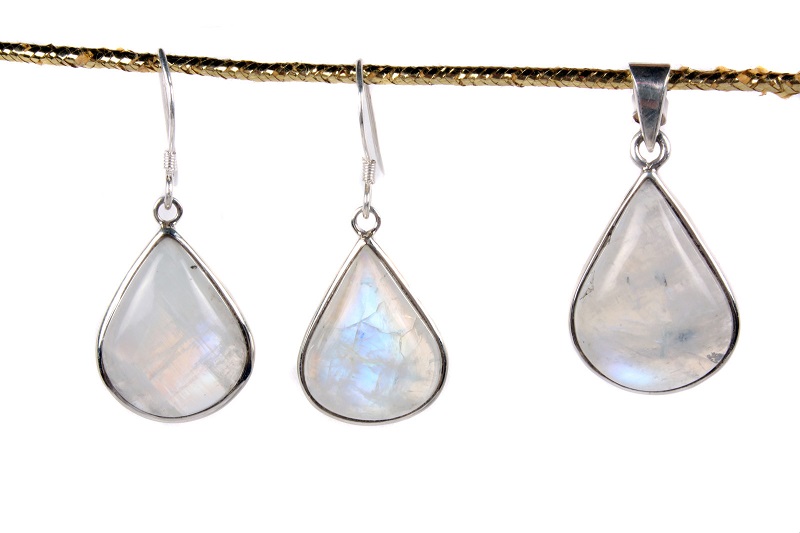
In reality, much of what is currently being sold under the "Blue Rose Quartz" banner consists of lower-grade, hazy quartz or pale, heat-treated amethyst. Some specimens even lean into the territory of Girasol—an opalized form of quartz characterized by a cloudy, bluish-white glow caused by light scattering. While these stones are authentic pieces of the Earth with their own unique aesthetic and energetic appeal, the practice of rebranding them with exotic, spiritually charged marketing monikers has raised alarms among consumer advocates and geological purists alike.
Chronology: How the Trend Unfolded
The phenomenon of creative mineral naming is not entirely new, but the timeline surrounding the current "Blue Rose Quartz" craze highlights a coordinated shift in how low-grade minerals are marketed to the public:
- Pre-2010s: Traditional stone-selling markets relied heavily on a standardized grading system—similar to the diamond industry—where inventory was categorized from "AAA" (highest quality) down to "D" (lowest quality). Pale, hazy, or unevenly colored quartz and amethyst were frequently relegated to the lower tiers and sold at modest, budget-friendly prices.
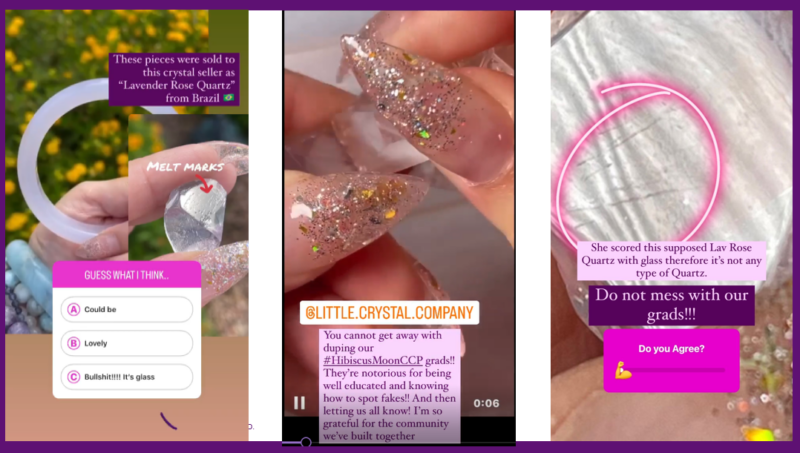
- 2010: Crystal educator and former science department head Hibiscus Moon initiates a blog series aimed at exposing common fakes, misrepresentations, and marketing gimmicks in the crystal community to bridge an educational information gap.
- Late 2010s to Early 2020s: As the holistic wellness and crystal market experiences a massive boom driven by social media platforms like Instagram and TikTok, traditional grading systems quietly recede from public use. Sellers increasingly lean toward ethereal, imaginative marketing terms that evoke rarity and high spiritual value.
- 2022: A surge of inquiries floods crystal academies and independent shops regarding a "new" import from Madagascar: Blue Rose Quartz. Concurrently, variants such as "Black Rose Quartz" begin appearing in consumer hands.
- Late 2022: Independent mineral testing, geological assays, and collaborative investigations by certified crystal practitioners bring hard data to light, confirming that the stones being circulated are simply lower-grade quartz varieties and heat-treated minerals repackaged with inflated price tags.
Supporting Data and Mineralogical Analysis
To cut through the marketing noise, industry professionals and conscious vendors have turned to hard science. Notably, independent mineral testing commissioned by specialized ethical sellers like Little Lemuria has provided geological assay reports on these trending materials, giving buyers a transparent look at what they are actually purchasing.
The Science of Color and Heat
Geological investigations into "Blue Rose Quartz" and its sibling variants reveal several common manufacturing and natural processes:
- Low-Grade Quartz and Amethyst: Many of these stones are simply baseline quartz or low-grade amethyst that feature cloudy inclusions, fractures, or pale coloration.
- Lab-Forced Opalization: When low-grade amethyst or milky quartz is subjected to extreme heat—often exceeding 932°F (500°C)—the original purple or lilac color is largely bleached out. This thermal stress can cause microscopic water droplets to form within the crystal matrix, creating an opal-like, milky appearance known in geology as Girasol.
- The Girasol Effect: Derived from the Italian phrase for "turning sun" (sunflower), Girasol in mineralogy refers to an optical phenomenon. It describes a cloudy, bluish-white glow or ghost-like sheen caused by light diffraction and scattering—an effect commonly seen in high-grade moonstones and certain opals, rather than a distinct mineral species.
The Pricing Paradox
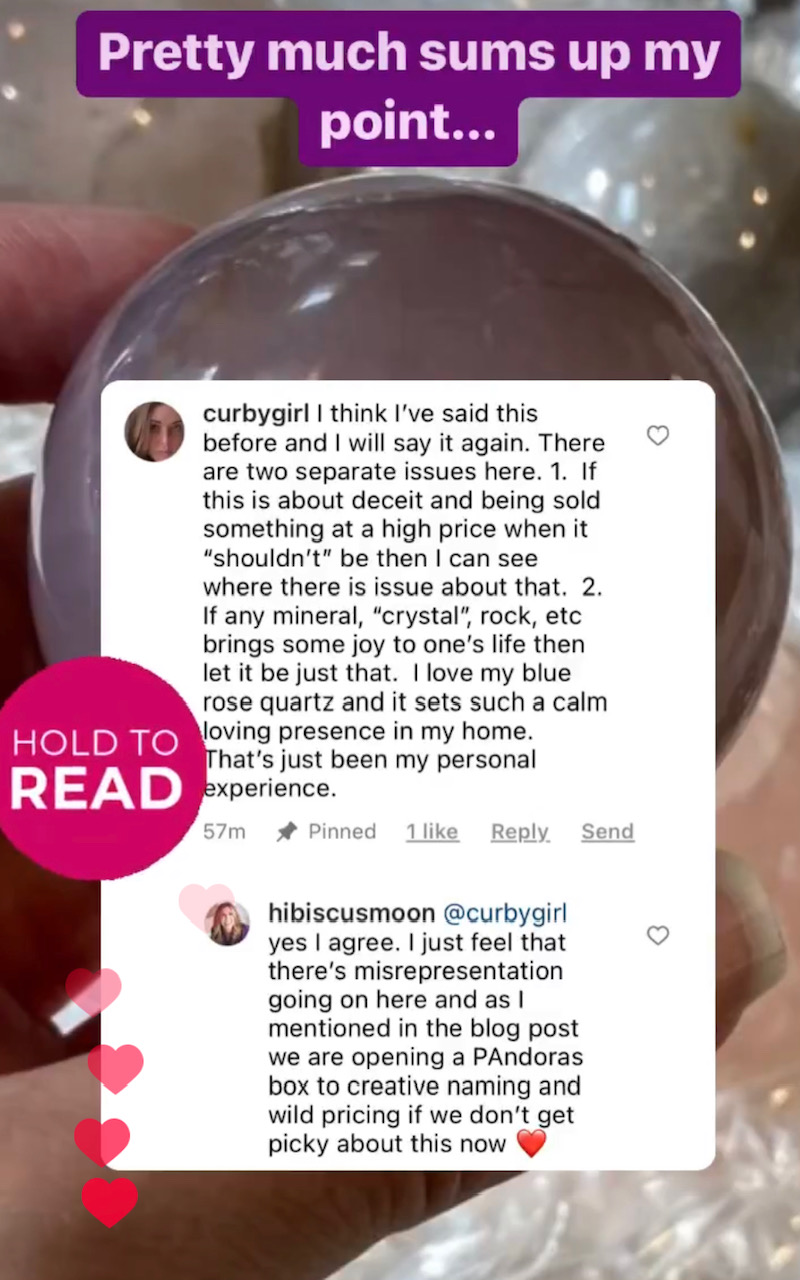
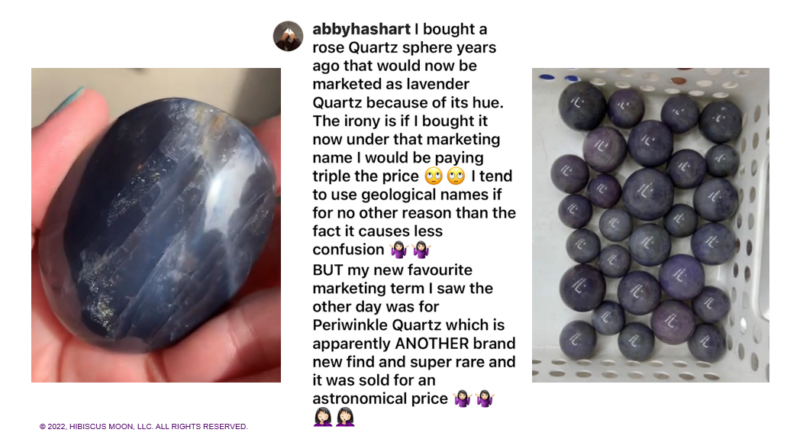
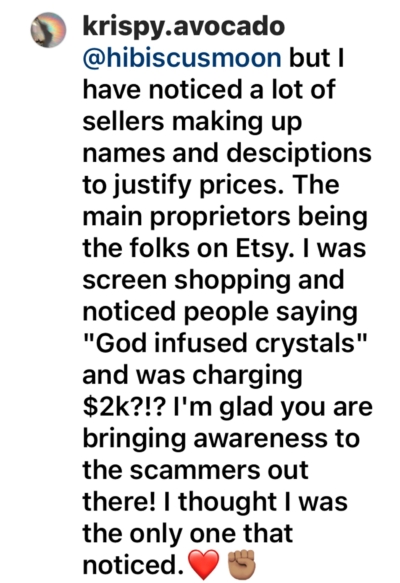
The core issue is not the physical beauty or energetic utility of the stones. Veteran educators emphasize that lower-grade quartz and pale amethyst have historically delivered profound joy and grounding energy to practitioners. The controversy lies entirely in the artificial inflation of value. Stones that were once abundant, inexpensive, and categorized as lower-grade inventory are being renamed to suggest extreme rarity, allowing vendors to command luxury prices for common geological material.
Official Responses and Community Impact
As the "Blue Rose Quartz" trend gained momentum, the response from the grassroots crystal community—particularly among certified professionals and independent retailers—was swift and organized.
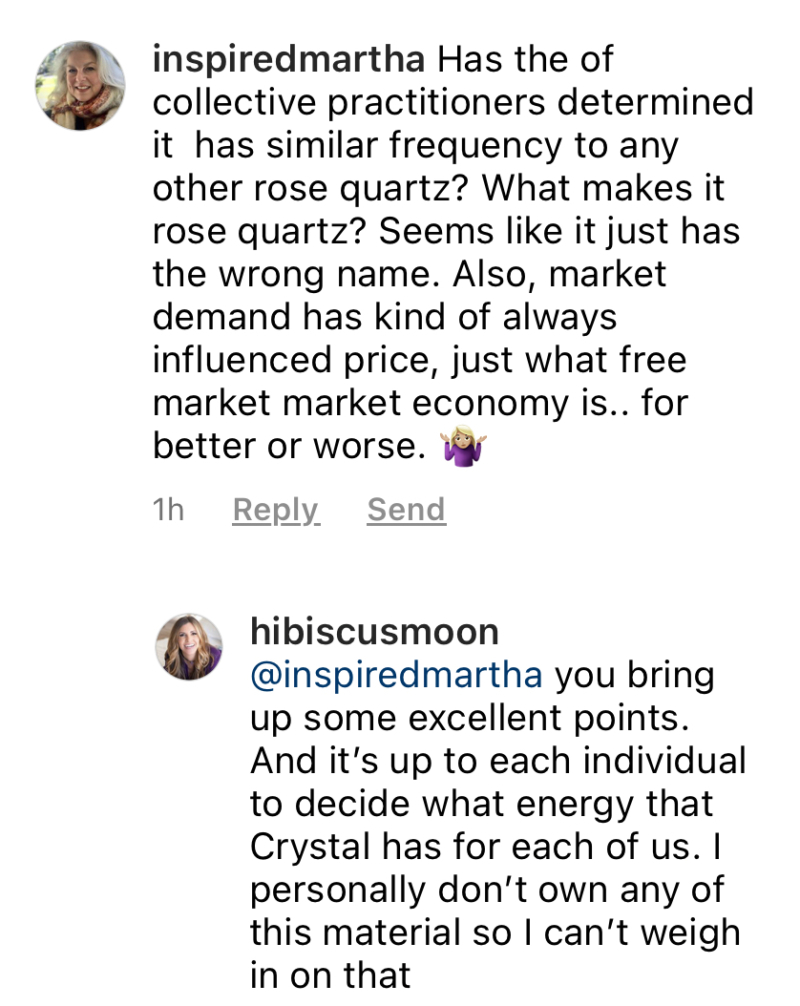
Educators, geologists, and practitioners have utilized digital platforms to decode marketing terminology and protect unsuspecting buyers. Rather than targeting individual sellers with punitive call-outs, community leaders have established educational frameworks centered on empowerment, transparency, and consumer due diligence.

Independent shop owners and Certified Crystal Practitioners (CCPs) have taken up the mantle, sharing unvarnished comparisons between historical inventory labeled simply as "Pale Amethyst" or "Low-Grade Rose Quartz" and the modern, high-priced "Blue Rose Quartz" specimens flooding current markets. These collaborative educational efforts have forced some vendors to reevaluate their product descriptions, proving that an informed consumer base can successfully push back against misleading trade names.

Implications for the Crystal Market and Consumers
The proliferation of invented marketing names like "Blue Rose Quartz" and "Black Rose Quartz" carries significant implications for both the metaphysical community and the broader mineral market.

1. The Slippery Slope of Nomenclature
Industry watchdogs warn that if the practice of renaming common quartz variants goes unchecked, the market risks being flooded with thousands of arbitrary, sensationalized color-based names in the coming years. This lack of standardization threatens to erode consumer trust and turn the acquisition of natural specimens into a confusing guessing game.

2. Economic Fairness
When common geological materials are deceptively marketed as rare, exotic discoveries, consumers end up paying exorbitant markups for stones that do not match their scientific or market descriptions. This drains both the financial resources and the energetic goodwill of buyers who seek authentic, high-resonance tools for their spiritual practices.

3. The Shift Toward Self-Education
Ultimately, this modern crystal controversy serves as a vital call to action for the global crystal community. The best defense against marketing trickery is rigorous education. Buyers are increasingly encouraged to look past catchy spiritual names, interrogate the source and scientific identity of their stones, and rely on common sense rather than taking vendor claims at face value.

As the torch of consumer advocacy passes to a new generation of crystal practitioners, the message remains clear: Mama Earth creates breathtaking treasures, but it is up to the community to ensure that honesty, science, and integrity remain the foundational pillars of the crystal trade.
